Category: Destinations

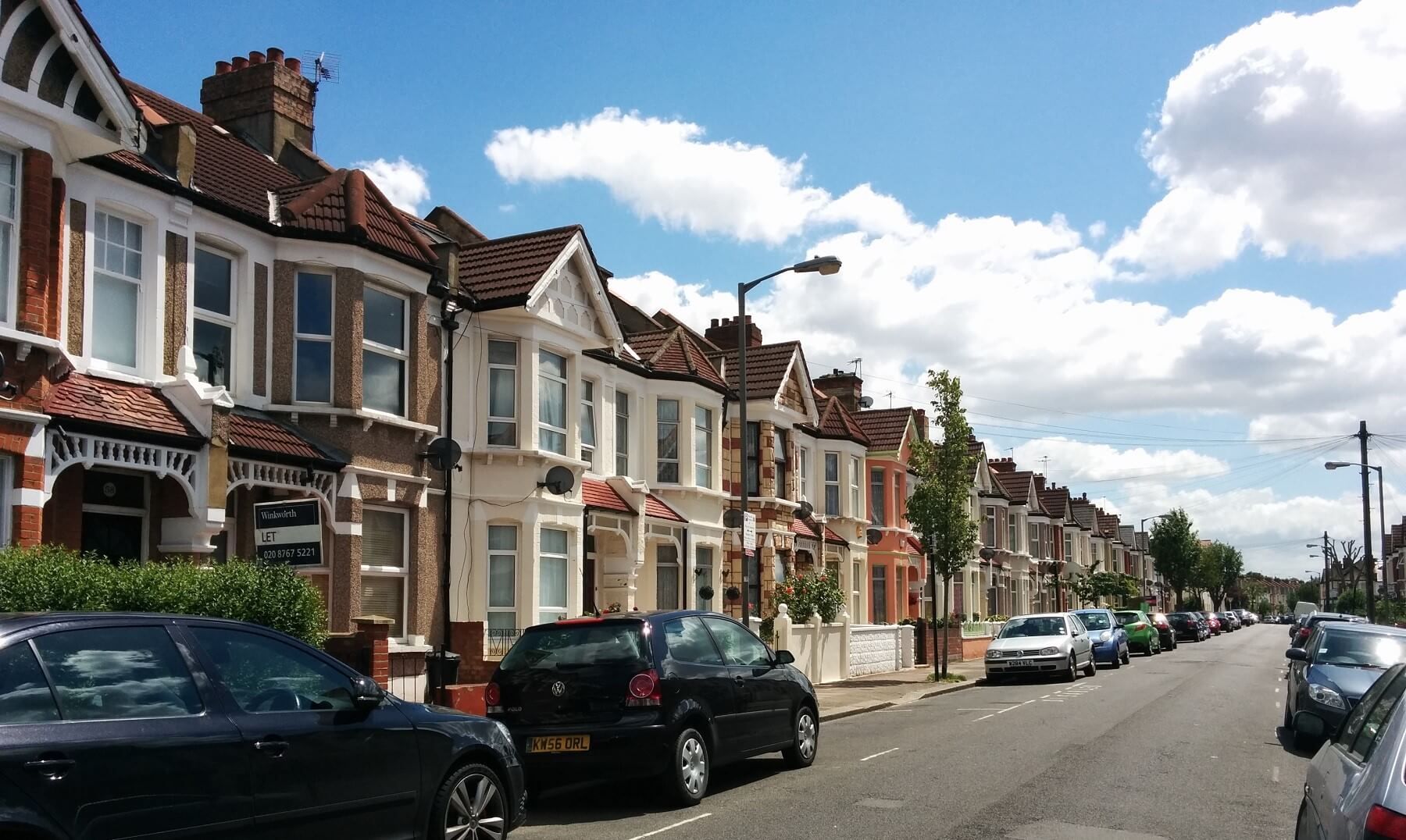
  • A Diary: Five Days In London

    A Diary: Five Days In London

    I wake up to the clanging of dishes in the kitchen. Someone’s up. Not me, though. I lie huddled under blankets on the couch, awake, but still.

    I’m guessing it’s George – she told me she’d be getting up early.

    After five minutes of dozing I peel myself off the couch and put on some pants. And then I sit back down. Do I go and say hello? Or should I leave her to do her morning ritual in peace? Back when I was a suit, I hated being disturbed in the morning. Any place before 8am was not my happy place.

    Eventually I get up and walk into the kitchen. She’s sitting there, eating a pretty typical white girl breakfast – eggs with some green stuff. I think about reaching over and stealing a bite, but decide our friendship isn’t quite there yet. We only met some 12 hours ago.

    I grab a glass of water and sit. We talk. She looks smart, dressed up all fancy in some office girl clothes, like Ally McBeal. In another life, I would’ve been sitting next to her, tailored suit and tie, chowing on a bowl of rice, eggs and soy sauce, getting ready to head to my own London office. But not in this life. There is no big-shot fancy-suit broadway-show London in my story. The only London I’ll know is the sleep-on-a-couch, eat-prepackaged-supermarket-meals and watch-buskers-in-Trafalgar-Square London. The high life passed me by a long time ago.


    Stephen Brown is a farm boy. The way he talks about horses, one would think he’s going to end up marrying one. But the farm isn’t around right now. Right now, he’s a big shot in London, which I’m thankful for, because I’m sleeping on his couch. I knew I stayed friends with this guy for a reason.

    I know Stephen Brown from my accounting days. He worked downstairs, I worked upstairs. Same shit, different desk. But we got along, me and him.

    When I get home from my day out in London, he’s sitting there eating fajitas.

    “Want some of this, bro?” he asks.

    Yeah, I do, actually.

    We sit and eat at his dining room table. Damn, I miss having a dining room table.

    I look around his kitchen. There are veges in the fridge, spices on the rack, protein up on the top shelf. He’s got a motorbike outside. A girlfriend with a sweet smile. A healthy paycheck.

    The man’s got a life here in London.

    In New Zealand, people always speak of “the London thing”. You go to university, you get a job, you save up some cash, and then you get that one way ticket to Heathrow. You get your two year visa, earn some pounds, do that funny thing with your taxes, travel Europe on the weekends, and then bring all that dosh home to buy a house. Want to travel? Do the London thing. Want to earn mad cash? Do the London thing. Everyone loves the London thing.

    Stephen Brown is doing the London thing. He’s doing it well. He’ll head home with memories and some mad stacks. But what about me? What about my London thing? I did the exams. I got the grades. But there’s no London thing in my story. There are no big paychecks. I don’t get the chance to fall in love with London like they do.


    I get home and the house is empty. It’s 7pm. Stephen Brown is nowhere to be seen. Neither are his roommates. I sit on the couch and listen to Taylor Swift.

    Then I hear the door. It’s Rachel.

    “Hi!!” she says enthusiastically as she walks in. A little too enthusiastically, in fact. She pulls off her heels with a smile. What’s she so happy about?

    “What’s up?” I say, smiling.

    “I’m gooood, I’ve just been at the bar, I’m going to make a cuppa, would you like one?”

    “Sure. Green, if you have it.”

    She’s so bubbly – reminds me of Summer Roberts.

    “Yeeeaaah of course! I’ve got green with ginger and lemon, and jasmine green, and plain green, what would you like?”

    “Green with lemon, if you don’t mind,” I say, trying to sound British.

    She fiddles in the kitchen for a few minutes and then, with teas in hand, hands me mine and sits back at the kitchen table.

    “So…” she begins, giggling, “Steve told me that, you were like, working as an accountant, and then one day you just said FUCK IT and started travelling around the world. Is that true?”

    I nod slowly. Stephen Brown talks too much.

    “I guess it’s kinda true, yeah.”

    “Oh my gosh, I would so love to…just…drop it and go like that.”

    “You should,” I smile.

    “I’m going to, soon. I really want to.”

    We talk for the next half hour. She tells me everything about her. Her past relationship and why she wants to travel and all her drama and fears and plans. No filter, it all comes out. I’ve known this girl maybe 72 hours and she’s already telling me her entire E! Hollywood story. After hearing her travel plans and giving my bit of advice, I tell her how every traveller out there fits into a box; a profile.

    Me? I was the Peter Pan 9-5 Corporate Runaway.

    Her? She’d be an Eat Pray Love girl.

    But it’s weird, because I see a lot of myself in her story, too. I also was the broken relationship need-to-get-the-fuck-out-of-here guy once. I offer that to her, so she knows I get it. I’ve been there too, bro.

    “So what did you do today?” she asks.

    “I just woke up, meditated, did some writing, walked around, got some food.”

    “Meditated? What’s that about?

    “I just do it, to clear my head. It’s easy. We can do a session now, if you want.”

    “Yeah! Can we? Let’s!

    She jumps up and comes over to the couch, and I pull out my phone and start a beginner’s audio. We do ten minutes. I can hear her breathing super deeply beside me. I’m impressed. She’s taking the shit real serious.

    When it’s finally over, she opens her eyes slowly in a gaze, staring blankly in front of her.

    “Wow. I feel so mellow right now. How often do you do that?”

    “I try to do it every day. It helps with the writing.”

    “That’s so awesome. I really need that. I find it really hard to clear my head. I don’t know if you’ve noticed, but I can never seem to stop talking.”

    No. I hadn’t noticed at all.


    I haven’t played touch rugby for around four years. The last time was back in Auckland, when I still had a life there.

    Today that changes. Stephen Brown has a team here, with a bunch of my old office mates. He gets home from work and insists I come and play.

    “Can I play in bare feet?” I ask. I don’t travel with much, especially not a pair of touch boots.

    “Probably not. Those shoes will fit you, bro,” he says, pointing to a pair of boots by the front door.

    “Whose are they?”

    “Dunno, just take em.”

    I laugh to myself as we head out the door in our flip flops and stubbies with a rugby ball between us. I feel like I’m back in primary school.

    When we get to the field it feels strangely familiar, like I’ve been here before. I see my old workmates – Seok, Phil, James, chatting away like it’s any old Thursday. It’s a flashback to five years ago. We could’ve been in Auckland.

    I don’t care much for the game. It’s fun, of course, and I run hard, but I’m not too bothered by whether we win or lose. I don’t know why. As competitive as I am, right now I’m just happy to throw the ball around. After so long, a game of touch just feels like a comfort from home, rather than something to get worked up about. Kind of like a mince and cheese pie in Asia – doesn’t need to be spectacular; you’re just happy it’s there and, as long it’s hot, it’ll get the job done.

    In the end, we win. Good times.

    Once we do all our post-game handshakes and hip hoorays, we head to the bar across the road for drinks. I’d forgotten how much of a luxury it was, to head to the bar on a weeknight. On the road, every night is a Saturday. As we sit there and sip away, I find myself paying more attention to the rest of the bar than the friends I’m sitting with. I see the guys in their suits, sinking the stress of the work day in the beers in front of them. They laugh tiredly at each others stories, probably about their douche bag boss or that mid-life crisis lady in the office they can’t stand. Funnily enough, I’m kinda jealous of them. I miss telling those stories.

    In fact, I’m a little jealous of everyone in here. They all have some normalcy in their life. They have a local bar and a close circle of friends to kick it with on a Thursday. When someone asks them what they do, it’s an easy, one-word answer. They know where they’ll be sleeping for the rest of the month. When they buy drinks, they don’t need to count their pennies.

    Maybe it would’ve been nice, to do the London thing.


    Friday night.

    I used to look forward to Friday night. In fact, it was probably the only thing I used to look forward to. Every day in the office, every morning ironing my shirt, every evening sitting in rush hour traffic; all I was doing was looking forward to Friday night. And not because of the booze or bar hopping that came with it, but just because, if only for just a moment, I had my freedom back. If you get drunk or play Playstation all night on a Tuesday, there are consequences. If you do it on a Friday, nobody cares. I used to live for Friday night.

    Stephen Brown and I jump on a bus and head out to tonight’s house party.

    “This house is full of Aussies bro. They’ll be having a bender tonight.”

    We head up to the top floor of the bus and take the front seats. I always wondered whether I’d end up riding the famous London double decker. The first thing I notice are the empty bourbon cans on the floor.

    “Do people come up here and get pissed a lot?” I ask him.

    “Yeah bro, even on the tube. On Waitangi Day there’s a massive pub crawl on the Circle line. All the Kiwis just getting smashed on the train. Funny as.”

    When we get to the house everyone’s already a little smiley. Not to mention it’s the most Australian house ever. Drugs, booze, dirty dishes. It’s all free flow. You’d be forgiven for thinking we were in a Colombian hostel.

    I knew the moment I entered this wasn’t my scene. It doesn’t seem like Stephen Brown’s either. Him and I sip beers, but there’s no powder on our noses. We’re good.

    After an hour, everyone heads to the local bar. They all head straight to the dance floor, bopping away. I stand in the corner, sober. Three girls sway to the music next to me and I say hello. Turns out, they’re from Paris. Maybe I should’ve guessed from the silly hat one of them was wearing. I tell them I’ve been in Montpellier for the last month, studying French, and try bust out some of my Français. I butcher it, of course, but it’s a great conversation starter. I’m taken back to France and suddenly, it feels like I’m on the road again. This is my comfort zone. Over the course of the night, a couple of cigarettes and some drinks, I feel like my French improves three-fold.

    Around 1am the bar closes and we migrate back to the house. As soon as I walk in, the lines of dust are already sprinkled on the table. It’s kindly offered to me, but I decline, politely. But as I watch them indulge, I remember. I remember that feeling, the need to rebel and blow off steam and let the demons out after a week of being whipped in the back. Five days of alarm clocks, office politics, lifelessly punching a keyboard while watching the world go by. It sucks so much soul out of you that when that weekend comes along, you make damn sure to take it for everything it’s got. And as I spectate, I feel it again, if only for a split second. But that split second is all I need to remind me why I walked away from it all.


    Sitting in Gatwick, I replay the five days over in my head and realise that, despite the short visit, I’ll remember London well. And it’s not Trafalgar Square, or the Eye, or Buckingham Palace that I’ll remember. Instead, I’ll remember it as a flashback; a brief step back into that life I left behind when I chose travel all those years ago. I got a glimpse of the old days here; the stressful mornings, early nights, collared shirts and long commutes. But also, and perhaps more importantly, I was reminded of the good things I had to leave behind. I don’t get to have a George to eat breakfast with each morning; a Rachel to kick it with at night; a house of friends to watch Geordie Shore with on Tuesday and a touch team to sink beers with on Thursday night. On the road, you don’t get that community of familiar faces and places to take comfort in and call “home”. Sure, you might make new friends on the road every day, but it can still be the loneliest place in the world. Everyone’s a friend, but everyone’s a stranger, too. Soon you realise, at the end of the day, there’s no one else. It’s really just you and your backpack out here, taking on the world.

    Five days. That’s all London is for me. Like in so many other cities, I’ve come, taken my photos, and I’m gone. I don’t have a London thing in my story. For me, it’s just another stop around the world.

    -Bren


    Sometimes travel isn't about travel at all. Five days in London brought back many blessings and demons. Here's my diary.
  • Why You Need To Go To Bulgaria

    Why You Need To Go To Bulgaria

    I had zero expectations for Bulgaria. I’d never met a Bulgarian, I’d never met anyone who’d been to Bulgaria and I’d never read or seen anything about the place. Bulgaria travel blogs aren’t exactly flooding the net either. Not that I went looking for any. I was going into Bulgaria completely blank, and that was actually nice for a change.

    I did have high hopes, however. After a forgettable experience in Turkey, I needed a place to make me smile again, and while the bus ride over the border was of the I-want-to-punch-someone-in-the-face variety, somewhat of a fitting farewell gift from the Turkish, I still had hopes that Bulgaria would be different.

    It was!

    I freakin’ love Bulgaria. As I think back over my three weeks in the country, I struggle to remember any negative experiences at all. My only regret is that I couldn’t stay longer and explore.

    What’s so great about it? I’ll tell you.

    Bulgaria is cheap!

    One of the top reasons to visit Bulgaria – it’s affordable!

    It’s one of the cheapest countries I’ve ever been to, and since the country has abandoned its plan to adopt the euro it’s likely things will stay that way.

    Average salaries range around $300 per month and things in the country are priced accordingly. That means $2 for a cab ride, $3 for a restaurant meal and $5 for a movie ticket.

    My hostel in Plovdiv was beautiful; we had real beds instead of bunks, ultra-fast wifi, and a daily breakfast of salami, ham, tomatoes, cucumbers, olives, cheese, fruit, toast, jam, muesli, tea and coffee (most hostels just give you bread and jam).

    All up it cost me around 45 euro for five nights.

    Gin and tonics at the bars rarely cost more than $3.

    Getting connected with a sim card with internet cost me around $5.

    I managed to get great Airbnbs, bang in the city centre in both Plovdiv and Sofia, for around $20-$30 a night.

    If you’re looking for an affordable place to travel in Europe, it doesn’t get much better than Bulgaria.


    Chicken and vegetables in #Plovdiv. My favourite. 5 bucks.

    A photo posted by Bren (@brenontheroad) on


    Bulgaria’s internet is lightning quick

    According to Bloomberg, Bulgaria has the 8th fastest internet in the world – faster than the US, and definitely faster than New Zealand.

    For someone who works online this certainly had me smiling every morning.

    If you’re travelling in Bulgaria and decide to take a lazy day of Youtubing, take comfort in knowing you won’t be punching your phone waiting for videos to load (in HD, too!).


    Bulgarians are awesome

    On my first night in Plovdiv I met up with a Couchsurfer and we headed out for some traditional Bulgarian food before hitting up Fabric – a grungy little bar in Plovdiv’s centre. A few of her friends were there and invited us to sit with them, and we spent the night sipping cheap black russians and chatting the night away. They all spoke great English, welcomed me enthusiastically to their country and were super laid-back and friendly – exactly my kind of people.

    As it turned out, this hospitality would continue for the remainder of my visit. Making friends was effortless in Plovdiv, and while I planned to only stay a couple of days I ended up staying in town for two weeks. During my stay I was invited out every single night – to a dinner, a jazz bar, a club, a party – everyone doing their best to ensure Plovdiv left a smile on my face (it did).

    On my final night in Plovdiv I decided to do it easy, so I headed to one of my favourite bars for one last drink, alone. Yet during the walk home I bumped into two friends who refused to let me head home early for the night. Until the final hour, I was in good company in Plovdiv.

    After Plovdiv I only had three short days in Sofia, the capital, but even there it was more of the same. Just friendly, awesome people, everywhere I went. I love Bulgaria.


    Bulgaria is a little off the grid

    Other than Sunny Beach and Varna on the east coast, not many people seem to visit Bulgaria.

    I probably wouldn’t have either, had I not been trying to run away from Turkey just next door.

    But as I’ve learned, places like this are always the most fun to explore – few hustlers, low prices, and a genuine look into the country without a sparkling tourist façade.

    The free walking tours in Sofia and Plovdiv only collected around 6-8 people per day (in bigger cities, you can get up to 30 or 40+) and even the free Sofia food tour, where we ate for free in some of Sofia’s hippest joints, only had about 12.

    The foreigners you do meet will generally be Erasmus students or people just passing through.

    If you’re looking for somewhere in Europe that isn’t crawling with tourists a la Paris and London, Bulgaria could be the perfect choice.


    If you’re ever in #sofia, jump on the pub crawl. They take you to some pretty rad off the grid places.

    A photo posted by Bren (@brenontheroad) on

    Bulgaria is safe

    Like all places Bulgaria has its shady areas but I wandered around alone during early mornings and late nights and never felt in danger once. Walking home alone past midnight in Plovdiv and Sofia felt safer than most big cities, especially as the streets were generally calm and well lit. Even around 2am I regularly saw girls walking home alone – usually a good sign that the streets are considered safe.

    Of course you should take your usual precautions and avoid the rough parts of town, but for the most part you can rest easy in Bulgaria.


    Everyone in Bulgaria speaks English!

    Well perhaps not everyone, and perhaps not perfectly, but most will speak enough to understand you and indulge in small conversation. I also met many Bulgarians who spoke near perfect English which was a quite a surprise to me, especially after coming from Turkey where English is almost non-existent. I had been prepared for a big language barrier on my arrival, so it was nice to find I was understood by almost everyone I came into contact with, whether it be in a hostel, a store, a restaurant or coffee shop.

    Of course, you should still make an effort to learn a little Bulgarian, too. Nazdrave!


    Bulgarian food is AWESOME

    While not known for their food, Bulgaria makes some pretty delicious stuff.

    You can start off your day with a few pieces of banitsa, a greasy, delicious, crispy baked pastry filled with something awesome (usually egg, onion or potato).

    Follow up with a few gallons of ayran – a traditional Bulgarian yoghurt drink (best yoghurt in the world!)

    Next you might want to indulge a few gulps of tarator, a cucumber, garlic and yoghurt soup.

    Then get serious and prime yourself with a classic shopska salad – Bulgaria’s trademark cucumber, tomato, onion, cheese and parsley mix, enjoy their very chunky oversized skewers of traditional barbecued meat, eat a few loaves of bread with spreads of Bulgarian lyutenitsa, a tomato and capsicum spread, indulge in a couple of famous Bulgarian kyufte, or stuffed meatballs, and of course, don’t forget a few rounds of rakia, their trademark drink to end the night.

    Need pics? Here you go.


    #Tarator – a Bulgarian yoghurt, cucumber and garlic soup. Farkin’ awesome.

    A photo posted by Bren (@brenontheroad) on


    On the free food tour in #sofia you’ll get to try #lyutenitsa – a tomato and capsicum dip/spread. Awesome stuff.   A photo posted by Bren (@brenontheroad) on


    You ain’t tried #meatballs til you tried stuffed #Bulgarian #kyufte meatballs.

    A photo posted by Bren (@brenontheroad) on


    Drinking ayran in #Bulgaria. These cats make some of the best #yogurt in the world.   A photo posted by Bren (@brenontheroad) on


    They take their #barbecuing seriously in #Bulgaria. This hearty #chicken skewer had me struggling.   A photo posted by Bren (@brenontheroad) on


    A classic #Bulgarian #salad. Simple yet classy.

    A photo posted by Bren (@brenontheroad) on


    #rakia – A drink that may put you on your ass in #Bulgaria   A photo posted by Bren (@brenontheroad) on

    And for you foodies, here’s a more thorough guide on Bulgarian food to get you going.


    Bulgaria is developed

    It’s not Tokyo, but it’s not Phnom Penh, either.

    Most of your Western comforts will be available if you want them, from McDonalds to H&M to a nice steak dinner at a fancy pants restaurant.

    I was surprised that it only took me a couple of days before I found an actual juice bar; one that juices real vegetables with a real juicer (more than I can say for France).

    Bulgaria tends to have a reputation as rather poor and backward in this department, and it is not a rich country by any means, but I found it to be refreshingly modern, at least in the major cities. If I were forced to live here for a year, I’d have no problems at all.


    #Sunday afternoon in #Plovdiv. Miss this place.

    A photo posted by Bren (@brenontheroad) on


    Bulgarians know how to party

    Damn, they go hard in Bulgaria.

    The drinks are cheap, they smoke like chimneys and the bars are widespread.

    Yet despite all that, the drinking culture doesn’t seem to be a bingey, ‘get f*cked up as fast as possible’ type gig; it’s more of a ‘enjoy your drinks and enjoy the night until the early morning’ type thing. I quite like it.

    Whatever your flavour, just know you’ll never be drinking alone in Bulgaria.


    Keepin it classy tonight in #Plovdiv

    A photo posted by Bren (@brenontheroad) on


    Bulgaria is beautiful

    Most importantly, Bulgaria is just a beautiful country.

    After being part of several empires, there is so much history here and you will notice this instantly in the architecture and layout of the cities. Plovdiv is considered the most ancient city in Europe, and the free walking tours in both Plovdiv and Sofia will open your eyes to how many layers of history are hidden here.

    There is a calm and laid-back energy in Bulgaria, one that makes it easy to visit and easy to like. The people are humble and polite, the streets are calm and it is easy to simply wander and enjoy the country for what it is.

    I had only planned on staying a few days before moving on, but ended up staying for almost three weeks and still wasn’t quite ready to leave.

    I’ll end this post with a massive thank you to all the Bulgarians who showed me love and made my visit something to share and remember. I only hope if you ever visit New Zealand, we manage to do the same for you.

    In the meantime, if you’re currently planning a Eurotrip and looking for recommendations, Bulgaria officially has the Bren on the Road stamp of approval.

    Enjoy!

    Heading to Bulgaria? A few tips:

    • For affordable accommodation in the cities, I highly recommend using Airbnb. You will find many good offers that will be cheaper and more comfortable than hotels and hostels. I found very nice places in both Plovdiv and Sofia for about $25 a night. You can get $25 of free Airbnb credit using this link.
    • Try and visit in the summer! Bulgaria’s cities are very walkable and safe if the weather permits. It also means you can head to the coast and visit the beaches too. While Bulgaria in the winter will still be beautiful it will be signficantly harder to travel through.
    • I highly recommend purchasing travel insurance for Bulgaria. Travel in Bulgaria is not dangerous, but it is not a widely travelled country so be sure you’re prepared for the unexpected. I use World Nomads. They offer affordable coverage with generous limits and it’s super simple – you can literally be covered within two minutes. I use them often.Have fun!

    Disclaimer: World Nomads provides travel insurance for travelers in over 100 countries. As an affiliate, we receive a fee when you get a quote from World Nomads using this link. We do not represent World Nomads. This is information only and not a recommendation to buy travel insurance.

  • Melancholic In Montpellier

    Melancholic In Montpellier

    “So, are you starting to feel melancholic about leaving Montpellier?” Moritz asked.

    I took another bite from my pizza slice and smiled. It’s interesting talking to people who speak English as a second language – they tend to come up with funny ways of saying things.

    Moritz, my youngest classmate at 19, had become my comrade during class breaks, where we’d walk down to the boulangerie each day and buy a pizza slice to keep us going until lunchtime. I’d always get the vegetable, him the salami and cheese – a difference in health consciousness easily explained by the decade between us. After four weeks of French school I’d come to look forward to this time of day – a chance to rest the brain, eat, and get a little sun to help recover from the early morning wake-up. So as we stood outside in the sun putting down our pizzas before the second block of classes, I pondered his question.

    It was easy to see why I got along with Moritz – a carefree, artsy fartsy, minimalist kind of guy, who wrote and recorded rap music in his free time and only wore black and white clothes because “it’s easier to do laundry that way”. At only 19, he’d uprooted his life in Germany and after a 5 month stint in India had brought his life to France, where he was going to learn French and live here for “maybe five months, maybe a few years, or maybe forever.” While I was still chasing a six figure cubicle at 19, he was already out there putting his stamp on the world, and still had his teenage innocence to go with it. He kept telling me he wanted to “live a traveller’s life like me”, but what he didn’t realise was he was already well on the way to a life far more exciting than mine. It takes a few certain attributes to live a life on the road – you need to be open to all people and cultures, you need to be very slow to judge people, and you need to be generous and willing to welcome people into your life. It was easy to see the kid had all of that. I already knew, when this kid got to my age, he was going to have footprints around the world.


    Lara was a girl I met on my first day of school. We were somehow introduced while standing outside the school gate, and just like that, we were friends. We had lunch together that afternoon with Moritz and a few others, and during our meal I was stunned to learn she was only 16. Back in New Zealand I’d never be caught dead hanging out with 16 year olds, ever, but here I was in France and the two of us were getting along like old friends. When people say travel breaks down barriers, they often mean it on a broader, cultural level, but it also does so in a more subtle, more personal way – a way where a 29 year old from New Zealand and 16 year old from Switzerland can meet in France and be friends and there’s nothing odd about it at all.

    And so every other day, Lara and I would see each other outside school or at the bar or wherever our paths happened to cross, and we’d chat like old friends and share little pieces about our lives back home and things that were on our mind. She had a cool, unhurried vibe about her; the kind of person who always had time to stop and chat, and was genuinely curious about people and the world. Over the meals and drinks we shared I realised how much we had in common – she’d already done her first solo travel gig – a 5 month high school exchange in Canada, was now in France alone to study French, and was then to return to art school in Switzerland. I was jealous seeing all these kids getting started on their world journeys in their teens but also excited for them; happy they recognized the opportunity to use these experiences to enrich their lives with language and education rather than sleeping on Thai beaches, sunburnt and hungover. I could only imagine how many enviable adventures were waiting in front of them.


    David and Ash joined my class during my second week of school. David, a German Filipino and former pro ball player from California, and Ash, a Fijian Indian from Canada, were both in their late 30’s, had just finished culinary school and were now in the south of France to complete six month culinary internships at hotel restaurants in Nice and Antibes. I was excited to see them join us, if only to even up the gender teams in class for Moritz and I, and over the next couple of weeks I was surprised to see how well we all got along. Both still had a child-like playfulness in them and goofed around just as much as I did; whether we started playing Puff Daddy during our presentations or made jokes about Michael Jordan’s hot Cuban wife, those two were all about the goofing. On our first night out together, we sat around sipping gin and tonics and listing our top 5 rappers of all time; David backed my inclusion of Eminem while Moritz called me out for not including the Wu Tang Clan – but what I remember about that night had nothing to do with music – it was simply an affirmation that no matter what your age, you don’t need to be tucked away in some suburb battling with a mortgage. Those two were my real-life reminders that as long as you’re willing to get out there and break the mould, you can go to culinary school at 37, come to France, learn to make a crème brulee from the originals and still spill a few gin and tonics with the kids.


    I met Lorena around the same time I met Lara. A tiny, 17-year old, adorable little Swiss girl, who became another one of my friendly faces I’d bump into around school. And of course, when she claimed to make “the best pesto spaghetti ever” I had to call her on it and see if she was for real. One Thursday, her and Lara came around armed with pesto, spaghetti and mini Oreo ice-creams, and proceeded to clunk around my kitchen putting our dinner together (which was delicious, by the way). But it’s not the spaghetti I remember from that night. Lorena had mentioned before how much she loved to sing, and so naturally, as we slouched around my coffee table holding our bellies, I asked her to sing for us. Every single person I’ve met who claims to be a singer or to love to sing always scoffs at this request, so I was already expecting her to say no. But, she kind of just shrugged her shoulders and said, “Ok, close your eyes”.

    And then she sang.

    Lara and I lay there, listening to Lorena sing all her favourite songs a cappella for the next half hour, and that, along with Oreo ice creams, was the perfect end to the night. There were nervous giggles in between and she forgot a few words now and then, but that only added to the beauty – it was raw, unfiltered talent, unedited and real, echoing through my tiny studio. It was a reminder that talent is out there in every corner of the world, waiting to be appreciated, and it’s up to us to go and find it. All artists, whether they’re writers or singers or painters or dancers tend to inspire each other, and that night was a timely jolt of inspiration for me. Whatever you have, whatever you can create, put it out there. Someone will be listening.


    I had a few drinks with my classmates on my final night, and in between wines Lara and I shared a cigarette out on Moritz’s balcon. We talked about tattoos, of all things, which is strange because neither her nor I have any, but it was an easy conversation, as if we’d been friends since childhood. Slowly the conversation then weaved into starsigns, and then Switzerland, and then the Chinese zodiac, and it was apparent she was a lot more level-headed than most 16 year olds, or at least more so than the 16 year old version of me; a trait I’m sure her early solo travel career had blessed her with.

    And so the two of us sat out on that tiny balcon, chatting long after the cigarettes had burned out, and I realised that yes, I am feeling sad, or melancholic, as Moritz likes to say, about leaving Montpellier. Yet the melancholy had nothing to do with France, or French school, or even Montpellier itself. It was the thought of leaving the people this chapter had brought into my life, and the lessons they had brought with them – Lara, who taught me friendships can be born anywhere with anyone, Moritz, who reminded me to always be open to people and slow to judge, David and Ash, who taught me to never let go of my youthful curiosity and playfulness, and Lorena, who reminded me to always share your gift with the world, just in case someone out there is waiting to receive it.


    On my final day, Moritz dropped me at the bus stop to bid me goodbye. We stood in the line chatting about nothing for ten minutes, until it was finally time for me to haul my bag on board and head on my way. As we did the awkward hug and handshake, I told him to “appreciate every moment here, because they’re going to be some of the best years of your life.” – my attempt at some elder brotherly-like advice, although I doubt he really needed it. The kid doesn’t even know it, but he, along with the others, taught me so many little lessons that will and already have influenced me in this journey through the world.

    After many years on the road, I spend a lot of time trying to piece together these moments and where they fall in the bigger picture of things. When I look back on it all, what will I remember from Montpellier? What did it teach me? What part will it play in my travels and my story? I’ll remember the long mornings in French class, of course, the cheap bottles of wine, the fancy boulangeries stacked with eclairs and baguettes; but most of all I’ll remember France as a reminder that it’s not so much the place, but the people, that make the road such a magical place to be.


    A short story by Bren On The Road. Melancholic in Montpellier is a reminder that it's not always the place, but the people, that make the road such a magical place to be.

  • I Don’t Like Turkey…Yet

    I Don’t Like Turkey…Yet

    In all my years travelling I’ve never really come across a place I didn’t like.

    I think that’s changed.

    Turkey.

    When I landed in Istanbul, I didn’t really know what to expect. I’d heard in passing conversations that it was an amazing city and there was a lot to see there, but I hadn’t really researched it in any real depth. I was simply going to land, explore, and see what the city gave me.

    I ended up spending four nights in Istanbul before heading west to Gallipoli, knocking off the major sights while eating my way through the city. The Topkapi Palace, Blue Mosque, spice market, Istiklal Street, Kadikoy, all while eating as much Turkish food as my stomach would allow.

    The city itself was stunningly beautiful. Lots of little alleyways and coffee shops hidden amongst cobblestone streets, a deep history to explore, and a cheap and functioning public transport system to get you anywhere you needed to go. Regular ferries carted people between the Asian and European sides of the city for only a couple of dollars, and the food was delicious, just as I’d expected.

    What let the city down was my interactions with the local people. During my limited time in the city and the rest of the country, I found the Turkish to be quite an insular community – not hostile in any way, but just a bit cold and stand-offish. It can be easy to quickly disregard this as plain unfriendliness, so I wanted to dig a bit deeper to understand why I was getting this vibe.

    Over my remaining days in Turkey, I spent most of my time closely examining my interactions with the locals. I found the Turkish often fell between two extremes – while some showed extreme friendliness and kindness, the others were so dismissive it was as if they were offended I was even talking to them.

    One example was the man sitting next to me on the ferry, who I hadn’t spoken a word to, buying a handful of fridge magnets off some kid and then insisting I take one as a souvenir of my visit to Turkey – a completely random act of kindness that I was quite taken aback by. On the other hand, there was the guy at the bus office who gave me a look that just said “f*ck off” the moment I walked in and refused to talk to me, and his colleague who I had to practically beg to sell me a bus ticket.

    Unfortunately, I had many interactions in line with the latter. There was an indifference about them, a feeling that they really couldn’t care less that I was a visitor in their country. And of course, I never expect anything more than that. In their country, they are welcome to treat me however they please. What I still couldn’t figure out though was, why? It’s typical of most countries to welcome foreigners and try to give a positive impression of their country, but this didn’t seem to be the case in Turkey. Why?

    At first I assumed it was the lack of English spoken. Almost all locals I interacted with weren’t able to communicate in basic English, even those working in tourist-related areas, and the ones that could were people who had made the conscious effort to seek out and study the language. Perhaps I’d confused unfriendliness with them simply avoiding English interaction with foreigners. Once I learned a few Turkish words, even simple things such as “hello” and “thank you”, people did seem to warm up considerably.

    There was bit of a chicken and egg scenario here. Did they not speak English because they didn’t care to learn about the outside world, or did they only seem that way because they couldn’t speak English? Who knows.

    My next observation was that the coldness came almost exclusively from the men. I’m no Adam Levine, but the women were always extremely friendly and helpful whenever I interacted with them. If I asked questions at the restaurant, they did their best to explain. If I asked for directions, they pulled out their phones and tried their best to help. If I asked the men, they shook their heads or shrugged their shoulders and waved me away. As I walked down the street, I noticed various men give me the glare or a suspicious once-over. What was going on here?

    One interesting experience was on my bus out of Istanbul. We’d just been served our snacks and drinks, and once the guy in the seat next to me had finished he casually placed all his trash onto my tray table, folded his table up and went to sleep. I was so shocked that I started laughing. Had we been in New Zealand I would’ve kindly placed the trash back in his lap and smiled, but I’ve learned on the road it’s always wise to tread a little carefully. Besides, he did in such a blasé and casual way I started wondering if maybe this was just normal behaviour in Turkey?

    In the end, I just put it down to a symptom of the culture. Turkish people in general seemed to be very direct, no-nonsense and in-your-face, and I just accepted it as the way it is. It wasn’t something I could really figure out in my short time there, and probably never will.

    Funnily enough, my fellow travellers seem to fall between two extremes as well. Some were churning through all the sites at light speed so they could just leave the country as soon as possible, while others were in love with Turkey and were trying to extend their stays. As one girl put it, “I just need to see Cappadocia and then I can get the f*ck out of here!”, while another girl had spent 20 days in Istanbul and was already planning her next trip back.

    For me, travel has always been about the people. The most magnificent city in the world is nothing if it does not have warm and interesting people to create the kind of energy and community that a city needs to be great. And while I never really felt unsafe or threatened in Turkey, I never felt very comfortable or welcomed either.

    To be fair to the Turkish, these are all generalisations from a very short visit, and I did come across many friendly and welcoming people during my time there. For every bus driver that rolled his eyes at me, there was a waiter or waitress who did try to show some warm Turkish hospitality. Like I said, a case of two extremes, and it made for an interesting visit if nothing else.

    I ended up cutting my visit short and actually missed out on a lot in Turkey – Pamukkale, Cappadocia, the beach towns in the south and a bunch of other famous sites. But in a country where I never truly felt welcome, seven days felt like long enough.

    Have you been to Turkey? What did you think? Let me know in the comments below.

    Note: If you’re planning a trip to Turkey, don’t let my observations stop you. The country itself is beautiful and Istanbul is certainly a must-see city, unlike any other I’ve ever seen. There’s also a good chance your experience will be completely different to mine. Go with an open mind, explore and enjoy! (the food is incredible, too).

    Heading

  • A Night At The Border

    A Night At The Border

    It’s Wednesday in Cannakale. I’ve been in Turkey six days and still have so much to see, but I’m already gunning to leave. It’s just not my kind of place.

    I decide today’s the day I’m getting my bus to Bulgaria. I jump out of bed and head to the Metro Turizm office around the corner.

    The minute I walk in the door I can tell I’m going to have problems. The guy at the desk is looking at me like I’m here to steal his wife.

    “Hi, can I get a bus ticket to Bulgaria?” I ask.

    He shakes his head.

    “No bus.”

    “Would you be able to tell me where can get one?”

    He rolls his eyes.

    “Other company.”

    “Ok, could you tell me the name?”

    “No.”

    Awesome. Thanks.

    I turn and walk out. As I turn my back, I hear him condescendingly mumble something to the colleague next to him.

    Careful, ticket master. I can mumble too.

    I go back to my hostel and ask my receptionist, who tells me the company Truva should be able to sell me a ticket. Thankfully the people at the Truva office are a little more helpful, and while I can’t get a ticket to Bulgaria, I’m able to get one to the town of Edirne, which sits right on the border. They tell me I’ll need to buy another ticket from Edirne to Bulgaria with a different company.

    I head back to the hostel and jump online to try and find a ticket from Edirne to Bulgaria. It doesn’t take long to find one, however it’s with Metro Turizm. That means I’ll be going back to visit my old friend again.

    I put my game face on and head back to the Metro Turizm office. Unfortunately my old friend isn’t there anymore (I was looking forward to a round two), so I talk to his colleague.

    “Hi, I want to buy a ticket from Edirne to Plovdiv.”

    “No bus,” he says, shaking his head.

    Weird. I pull out my phone and show it him the ticket on their website.

    He sighs, sits up from his slouch and takes a look, and then looks up at me. I raise my eyebrows at him and he reluctantly starts punching away on his keyboard. Thirty seconds later I have my ticket.

    With everything now booked, my trip looks like this:

    5pm to 9pm – Cannakale to Edirne (Turkey).

    11:30pm to 4:30am – Edirne to Plovdiv (Bulgaria).

    The first trip from Cannakale to Edirne goes without incident. The bus leaves on time and arrives on time. At around 9:15pm, I step off the bus at Edirne bus station. Now it’s just a two and a half hour wait, then a bus to Plovdiv.

    No sweat.

    The bus station is a little secluded and eerie, so I sit in the small cafe there until about 10pm, after which they close and I’m forced to migrate to the benches outside. It’s around 5 degrees out here. I weather the cold the best I can.

    During my wait, I show my ticket to three different Metro staff walking around and ask if I’m in the right place. They all nod and tell me to wait.

    11pm rolls around and I start to worry. I’m clearly the only one left here waiting for a bus. A couple of people are scattered around, but they don’t appear to be waiting for a bus. To make things worse, this bus stop is getting sketchy as hell. There are wild dogs running around. Everything’s closed. It’s dimly lit, underneath a huge bridge and nobody around – the kind of scene where a bunch of thugs would emerge in an action movie and mess somebody up.

    By 11:15pm I’m sure something is off. I show another random guy my ticket, who is very smiley and seems helpful. His English is terrible, but he looks at my ticket and tells me I’m in the right place. Perhaps I’m just the only person travelling to Bulgaria tonight. I sit next to him and we continue chatting. I feel a lot less like a clueless tourist with a local to talk to.

    Almost bang on 11:30, a Metro bus arrives. I feel a jump of relief, but my hopes are quickly dashed. The bus says “Edirne” and isn’t going any further than here. My new friend jumps up, shakes my hand to say bye, and runs over to greet his kids as they get off the bus.

    Damn.

    The few other people scattered around meet their respective friends and family off the same bus, and just like that the station is empty.

    Now I’m standing alone at a sketchy bus stop at 11:30pm in rural Turkey, freezing with five or six wild dogs and waiting for a bus that probably isn’t coming. It’s almost funny.

    After five minutes or so a Metro staff emerges from the bus that’s just arrived and heads inside to the Metro office. I run after him and show him my ticket. He rubs his eyes, takes off his glasses and gives it a quick look.

    “Hmmm,” he mumbles.

    Hmm? What is he hmm’ing about? Is this a good hmm or a bad hmm?

    Of course it’s a bad hmm.

    He shakes his head at me, saying something in Turkish and pointing out into the distance somewhere.

    “I don’t speak Turkish, sorry,” I say back.

    “No bus.” he says. “Kapikule bus. No here bus. Kapikule bus.”

    Kapikule? What the hell is a Kapikule? And what do you mean no here bus?

    Two taxi drivers see us talking and come over. The guy explains something to them and they nod and try and explain it to me. Their English isn’t any better though.

    “Autobus not here!” one of them shouts, shaking his head.

    “Autobus here!”

    He plots a few imaginary points in the air with his fingers.

    What’s he trying to say? I’m at the wrong stop?

    “Come, taxi taxi, go autobus. Taxi, then autobus,” he says, ushering me to his taxi with urgency. After a few confused moments, I eventually decipher his mimes to mean the bus stopped somewhere else, and that I should take a taxi and maybe we can chase the bus and catch it at the border. I play out what I think he means with hand signals and Turklish, and he nods enthusastically.

    “Ya ya ya. Taxi, go autobus! Taxi, autobus!” he says, tapping his watch furiously.

    Translation: I need to get in a taxi to chase the bus and we don’t have much time. The bus didn’t pick me up. It’s gone without me.

    I take a deep breath and try to relax. Then I get angry. I’ve been sitting at this shitty bus stop for two and half hours and now I’m being told the bus doesn’t stop here. What do you mean the bus doesn’t stop here? My bus ticket says Edirne. Logically a bus from Edirne should stop in Edirne, no? What the actual f#ck?

    But then I tell myself, chill. This is travelling.

    I turn back to the Metro guy.

    “Is there another bus?” I ask.

    “No. Bus tomorrow.” he says, holding up five fingers.

    “5 o’clock?” I ask

    He nods.

    I survey my options, of which there are two. Wait five hours for the next bus (and who knows where that one will decide to stop), or jump in this taxi and see if I can chase down my original bus.

    I conclude I’ll probably get murdered if I sit in this bus stop for the night, so I get in the taxi.

    The driver really puts his foot down. Burning 140 km/h on an empty highway, I study the tail lights of every vehicle in front of us, hoping to see a Metro sign on the back somewhere.

    edirne

    No luck.

    After about ten minutes he pulls into a service station. It’s one of those classic middle-of-nowhere service stations you see in the road trip movies.

    “Bus stop here,” he tells me, pointing to the ground.

    The bus stops here? How the hell was I supposed to know the bus stops here? We are literally in no-man’s land, at some random gas station with a few kebab joints and nothing to be seen in any direction. Even if I had wanted to come here, I wouldn’t have any idea how. There was no bus sign or bus stop, no nearby town. I guess I would have just told my taxi to take me to “that gas station in the middle of nowhere?”

    The driver jumps out and heads over to some food joint to chat to someone. They exchange words for about 30 seconds and he runs back and nods at me.

    “Bus here 11:30.”

    Of course it was.

    Back on the road we go. Zooming down the empty highway, I cross my fingers that we’d catch my bus up ahead, but deep down part of me knows it’s long gone. It’s around midnight now, and surely the bus had hit the border a long time ago.

    When we finally get to the border it’s around ten minutes past midnight. The driver points somewhere in the distance towards border patrol and says “Go, passport, bus.”

    I squint into the distance and try and look for a bus, but it’s pretty dark and I can’t see too far ahead. I guess I’ll take my chances.

    I hop out of the cab, give the driver all the Turkish lira I have left and walk across the border. Interestingly, the border patrol don’t find it strange that some lone Chinaman is walking across the border at midnight. He just stamps my passport and goes back to his iPhone game.

    I walk for a good 3 minutes from passport patrol into the neutral zone. I’m no longer in Turkey, not yet in Bulgaria. Literally in the middle of nowhere. It’s empty and eerily silent – I see a duty free shop, a few cars, a security guard and some trucks. But no bus.

    So there I am, standing between the borders with an expired bus ticket at midnight with no one to call. The duty free shop is the only thing with signs of life, so I head inside there to get out of the cold.

    I drop my bags, slump against the wall and slide down to the ground.

    And then I start laughing. I’m exhausted and have no ideas left. I’ve got no Turkish lira, no Bulgarian lev, just a few USD that the buses may not even take. There’s no ATM. I also need to piss, but I don’t have any coins for the toilet.

    So I laugh.

    Two minutes of hysterical, uncontrollable laughter. What’s the plan of attack? I’d already resigned myself to the fact that I’d be sitting here until morning, but what next? Should I go pee on the pavement, sit here until 5 o’clock and then maybe see if the bus that’s supposed to be coming will let me on? Or wait until morning and then try and catch a taxi into town (if any taxis come past here) and catch another bus from there? Snooze until sunrise and then go stick my thumb out and try and hitchhike to somewhere, anywhere, so I can at least find a hotel and a bed? It wasn’t exactly life or death, but none of my immediate options sounded like much fun.

    At that moment a security guard comes up to me. He sees my defeated slouch and my stupid laughing and my bloodshot eyes, so understandably he approaches with caution.

    “Wait bus?” he asks, pointing towards the border.

    I nod.

    “Mmm. Couch?” he asks, gesturing to some couches on the far side of the building.

    I smile and shake my head.

    “I’m fine, thanks.”

    He gives me a smile and a nod, and walks away. This lifts my spirits a little though. After dealing with so much crap today, I appreciate the gesture.

    The next hour passes slowly. I sit and ponder my life. Passing in and out of sleep, I wonder how long I could sit here before I get reported missing. I drink a bottle of water in my bag. I even consider rationing it in case I’m out here a while.

    Finally, at around 1:45 a bus comes by. To my surprise, it’s a Metro bus.

    Didn’t the guy say the next bus was at 5am? No more buses today? First they wouldn’t even sell me a ticket, then they forget to pick me up, then they make me chase the bus across the border and now they’re sending the 5am bus at 1:45? Surely I’m being Punk’d – this is all a set up and the world is eating Doritos while watching my night play out on reality TV.

    I jump up and run over to the driver. As I pass the bus, I notice the sign on the front says “Plovdiv / Sofia”. A promising start.

    “Do you speak English?” I ask him.

    He shakes his head.

    Undeterred, I show him my ticket and try explaining the entire situation. With my best English/sign language combination, I explain how I was waiting for my bus for 2 and a half hours but my bus decided to stop at a gas station instead of the bus station (easy mistake to make) and then I got a taxi to the border to try and catch it but I was too slow and now I’ve been waiting here for 2 hours as well and I’d like to jump on his bus if possible.

    He muses over my ticket, and then shakes his head, pointing to the bus number on my ticket. It says 42XX, and then he points to the number on his bus, which says 44XX.

    In other words, it’s a different bus.

    NO SHIT.

    I try explaining it again but he doesn’t understand. Or maybe he does and he doesn’t care.

    “Please, look – I have a Metro ticket for Plovdiv. I was waiting for my bus but it didn’t come. I’ve already been waiting for 5 hours, since 9pm.”

    He shrugs his shoulders, points at his bus number again and shakes his head. I nod and try to keep explaining but he’s not interested. He pulls out his phone and walks off.

    By now, I’m about done.

    Fuck Metro Turizm. There’s no way I’m letting this bus go without me on it. I’ll pull out my Boracay scrapping skills if I have to. I don’t even care if I get arrested and thrown in jail for the night. Who knows – with a little luck, the jail might even be in Plovdiv.

    At that moment another younger guy in a Metro uniform walks past.

    “Excuse me, do you speak English?” I ask in desperation.

    He stops and looks at me.

    “Yeah.”

    Yeah?

    Yeah you speak English?

    Impossible. It was like finding a Turkish unicorn.

    I show him my ticket and give him the whole story, with a few dramatisations thrown in for good effect. He looks over my ticket and nods slowly.

    “So you want to come with us now?” he asks.

    I shrug my shoulders.

    “Well, yeah.”

    “Alright, I’ll just check with the driver but it should be ok.”

    Ten minutes later the driver returns with some shopping. The new guy starts pointing at my ticket and explaining everything while the driver looks me up and down, trying to decipher if I’m full of shit or not. They chat for a good thirty seconds before he nods again and walks away.

    “Yeah it’s ok, you can come with us.”

    I smile and scream a victory cry inside. The universe has mercy.

    While we stand around waiting for some staff to tag my bag he asks for my passport to add me to the passenger list. I hand it to him and he looks over it quizzically.

    “Wooah, New Zealand!” he smiles.

    While he takes down my details, I ask if he knows why my bus didn’t stop at the bus station. He seems surprised as I am, and tells me it should’ve stopped there. I ask if his bus stopped at Edirne station, and he says they did. I explain my little stop at the random gas station and my car chase in the taxi, which he finds hilarious. I start to see the funny side too (not).

    I compliment him on his English, which brings a smile out of him.

    “My mother always told me growing up, teach English, teach English. I never wanted to learn it, but my mother kept telling me, teach English, teach English, teach English.”

    I figure he actually means “learn English”, but I understand.

    “You’re probably the third or fourth person I’ve met in Turkey who speaks English,” I tell him.

    He laughs.

    “Yeah, actually there is not really many staff in Metro who speaks English. So I can get a good job here.”

    “What’s your name?” I ask him.

    “My name is Emil,” he says, shaking my hand. Then he hesitates for a moment and looks back at me.

    Do you think it’s okay if we be friends on Facebook?” he asks.

    I laugh.

    You rescued me from a life on Turkey’s border, bro. Facebook BFF’s for life.

    Once on the bus I knock out immediately. I sleep like a rock, and a couple of hours later I am woken up to someone shaking my shoulder. It’s Emil.

    “Here is Plovdiv,” he says.

    I quickly grab my things and get off, along with two or three others. The whole debacle feels like a dream. I’m finally in Plovdiv, with two arms and two legs. I don’t believe it.

    Emil pulls my backpack out of the storage compartment and brings it over. I shake his hand again and give him my card.

    “Here’s my email. Add me on Facebook, man. And thanks for everything.”

    He gives me a smile and a friendly nod.

    “Yeah, and one day I will see you in New Zealand!” he grins.

    I give him a salute and he jumps on the bus and takes off.

    So I’m finally in Plovdiv. I look around. No cars. No taxis. Looking pretty sketchy.

    I’m kinda stranded here, alone. At a random sketchy looking bus stop at 4am.

    Doesn’t that sound familiar.

    Luckily, this is short lived. Only a few minutes pass before a bunch of taxis roll up and stop to pick people up. I walk up to the first one and show him my hostel’s address. I’m also armed with the knowledge that a taxi to the hostel shouldn’t be more than 5-6 lev (3 euro).

    The first guy looks at the address on my phone and nods. He asks for 20 lev (10 euro). I tell him 6. He screams out “Nooo 6!” and looks away.

    I go to the next cab. He wants 10 lev. I tell him 6. He shakes his head and waves me away.

    By now, all the other cabs have gone. I’m the only one here, and I’m left with these two.

    In my stubbornness, I stand out there in the cold, leaning on my backpack. Ain’t nobody else going to dick me around today. Either I’m getting a cab for 6 lev or I’m dying here in this bus station with my backpack between my legs.

    One of the cabbies gets out and stands next to me.

    “10 lev, ok?”

    I ignore him.

    “10 lev ok? Far away. 10 lev.”

    I look at him.

    “6.”

    He shakes his head. Two minutes of silence pass.

    “Ok 8. We go.”

    I shake my head.

    “8 is ok. Old Plovdiv far away. 8 lev,” he says.

    “Look, I’m paying 6. Otherwise, I’ll sit my ass in this bus stop until morning and I’ll walk.”

    My face is so cold that my nose is about to fall off and I can barely feel my fingers, but I’m beyond the point of caring. On any other night I’d just pay the man, but I’m already so deep in misery tonight. Might as well take it to the max.

    He grabs my backpack and starts loading it into his cab.

    “Ok 6,” he says.

    The drive is short and we arrive after about ten minutes. However, he doesn’t drop me at my hostel door. He stops at some intersection and tells me he can’t drive up anymore.

    “No car here. Just walk 50 metre and hostel on left,” he says, motioning with his hands.

    I pay him, grab my backpack and get out. The Old Town here in Plovdiv is gorgeous in the dark, with dimly lit streets and cobblestone paving. The only problem is it’s impossible to wheel a bag across these roads.

    Like a crippled duck, I battle to clunk my backpack across the cobblestones looking for my hostel. I waddle fifty metres and turn left. All I see is a bookshop. I go another fifty metres and turn left again. A few restaurants, hostels, but not the one I’m looking for.

    Hungry and tired, I stop and collapse on the curb for a moment to catch my breath. It’s 4:30am, and the silence and cool morning air is actually quite refreshing. Then, as I look around it occurs to me that the place is a ghost town. There is absolutely nobody else out here. So, with no one around to rob me, I leave my bags and jacket in the middle of the street and go jogging around the alleyways trying to find my hostel. It only takes me five minutes or so to find it.

    I run back and get my stuff, and then finally get myself, with all belongings, to the hostel door. I ring the doorbell, hear a bit of shuffling inside, and finally a girl answers. She looks like Eliza Thornberry. I always liked Eliza Thornberry.

    “Are you Brendan?”

    “Yeah, hi.”

    “Hi, welcome!” she whispers.

    She moves aside so I can pull my bag through the door. As soon as I get inside, I collapse on the couch beside us.

    She closes the door and looks at me.

    “How was your trip?”

    I crack a smile.

    “Oh. It was fantastic.


    Photo credit: Ross2085@Flickr

  • Visiting Gallipoli: Two Sides To A Story

    Visiting Gallipoli: Two Sides To A Story

    When I landed in Istanbul, it hadn’t even really crossed my mind to visit Gallipoli until I saw the “Gallipoli Tour” flyer on the noticeboard. I’d actually forgotten the place was even in Turkey.

    My initial plan had been to see Istanbul for a few days and jump west, but I decided, as a Kiwi, Gallipoli was a place I needed to go and see with my own eyes. Besides, it was only a few hours away.

    For those that are unaware, Gallipoli is a place that every Australian and New Zealander will have learned about by the time they are potty trained. Here, in World War 1, our countries formed the Australia and NZ Army Corps (ANZACs), who fought for the Brits in the Gallipoli campaign. In what was supposedly a straightforward mission, NZ unexpectedly lost 2,500 troops and the Aussies lost around 8,000, in what became one of the Allies’ most costly expeditions.

    Gallipoli is around 7 hours from Istanbul. I travelled by bus, and stayed in the nearby town of Cannakale. Gallipoli can be easily visited on your own, but my hostel was running a Gallipoli tour which I decided to take.

    Our first stop was Brighton Beach. This was where the ANZACs were initially supposed to land, and it’s easy to see why. The beach is wide and the surrounding land is flat and open – the perfect terrain to move an army inland (this also would’ve made them vulnerable – some think casualties might have even be higher had they landed here).

    Brighton BeachBrighton Beach

    Unfortunately, one fateful manoeuvre of the boat led them to land around 2 degrees off, to a place now known as ANZAC Cove. Here the ANZACs faced a steep cliff face filled with heavy brush and unfriendly terrain. As you look at it, it’s hard to imagine climbing it at all, let alone with a 30kg pack, a rifle, and an army of Turks shooting bullets at you.

    It was rather surreal to see this cliff face in real life – it looked absolutely nothing like I had imagined it in my head. Every year in school we get told about this cliff, and I had always imagined a vertical rock face with a field full of poppies down below, so it was nice to put a face to a name.

    Anzac CoveAnzac Cove – the beach and the cliff. It’s a lot steeper than it looks.

    I stared at that cliff for a long time. I tried to imagine Kiwi soldiers scrambling up it, dodging bullets like in paintball, seeing their best friends gunned down right beside them. I’ve always loved watching war movies, but trying to imagine those scenes happening in real life made my stomach churn.

    We spent around an hour in ANZAC Cove, walking the beach and visiting the cemeteries. While on the beach, I tried to imagine what it would’ve been like if I was in uniform back then, in a unit with my friends and my brothers, scrambling with our packs to take cover and dodge the gunfire. Could we have handled it? Which one of us would’ve been the brave guy with the pep talk and which one would’ve been the guy crying under a rock? How would it have felt to aim a rifle and shoot someone in the head – someone that you’ve never met and never had a problem with? It was impossible. Had I been drafted into that war 100 years ago as a 19 year-old, I wouldn’t have lasted five minutes.

    After the cove we headed up into the hills to see the other side of the battlefield. Due to their advantageous position upon the hill, the Turks were able to hold off ANZAC advances with a relatively small amount of troops, at least until reinforcements arrived. While the ANZACs did manage to advance inland and set up trenches, the losses were great, and they never were able to fully overcome the Turks and get to Istanbul, which was the initial plan.

    Once up on the ridge I was shown the Turkish and Allied trenches, only a few metres away from each other. Despite being enemies, our guide told of the soldiers throwing biscuits to each other and playing games like perching their helmets on a stick and waiting for enemy soldiers to shoot it off.

    “It might be strange, but in war, you can’t just be fighting all the time. Sometimes you need to have fun,” he told us. This just seemed so odd to me, but I suppose, war is impossible for anyone but a vet to understand.

    Walking in the Turkish trenches felt a little strange for me, like a betrayal, almost. I didn’t want to sympathise with their dead or see their cemeteries. Every time we hear about the ANZACs, the Turkish are spoken of as “the enemy” or “the bad guys”, so paying respects to the troops that killed our boys didn’t seem too important to me.

    So, I stayed on our side of the trenches. I walked through them and imagined our soldiers sitting in there eating Anzac biscuits and drinking tea. I imagined them writing letters and joking around with the Aussies. I thought about how much they would’ve been longing for lamb chops and hot showers.

    And then I suddenly realised, I’m not in New Zealand right now.

    I’m in Turkey.

    This isn’t our home.

    This is their home.

    I started to wonder – what the hell were we doing here, all those years ago? Why did we come here? I had travelled around 27 long and tired hours to get here, and this was in 2015. Who knows how long my fellow Kiwis travelled for back in 1915 – probably days or weeks, all for the sole purpose of coming to invade this country and take what wasn’t theirs.

    In New Zealand, we always talk about the ANZACs with overwhelming admiration and pride, but it suddenly hit me that we were the ones who came to Turkey, and we came not with passports and cameras, but with guns and grenades.

    We came here to kill people.

    We were the ones attacking someone else’s homeland. Didn’t that make us the bad guys? The Turks were only defending their country. Doesn’t that make them the good guys?

    In all my years at school, learning about the ANZACs, I’d only ever heard about how brave and noble they were, how much they sacrificed and how tragic it was that so many young New Zealanders died. But why did we never learn about all the men that they killed? What about the 50,000 Ottoman corpses we put in the ground? What about the bullets we shot and the grenades we threw that killed men and destroyed families? Should we not have been taught about that also? Were there not valuable lessons to learn in those stories, too?

    Suddenly, things weren’t so clear cut for me anymore.

    So I walked in the Turkish trenches. I sympathised with their fallen and I visited their cemeteries. I began to appreciate that there was another side of Gallipoli.

    GallipoliTurkish cemetery and memorial site

    While we consider Gallipoli a huge tragedy, Turkey sees it as a proud moment in their country’s history. To them, they defeated a foreign invader (that’s us) trying to massacre their country. They fought on their land, defended their country, and in their eyes, the right side won. And honestly, I find that pretty hard to argue with. When someone lands on your shores unannounced and tries to blow you up, you pick up a gun and defend what’s yours.

    The Allies won the war in the end, so many will take that to mean we were on the “right” side. But I’ve learned that throughout history things are never really decided by “right” and “wrong”. Things are simply decided by whoever is holding the gun. And in war, a “right” side probably doesn’t exist anyway.

    In the end I had to accept it was a different time. Back then, everyone was killing everyone and peace was overrated. Both sides believed they were doing the right thing and believed in what they were fighting for. All we can hope for is that we remember the pain of war and learn from the errors of the past (sadly, New Zealand has just sent another 150 troops into war. Perhaps some lessons are learned harder than others).

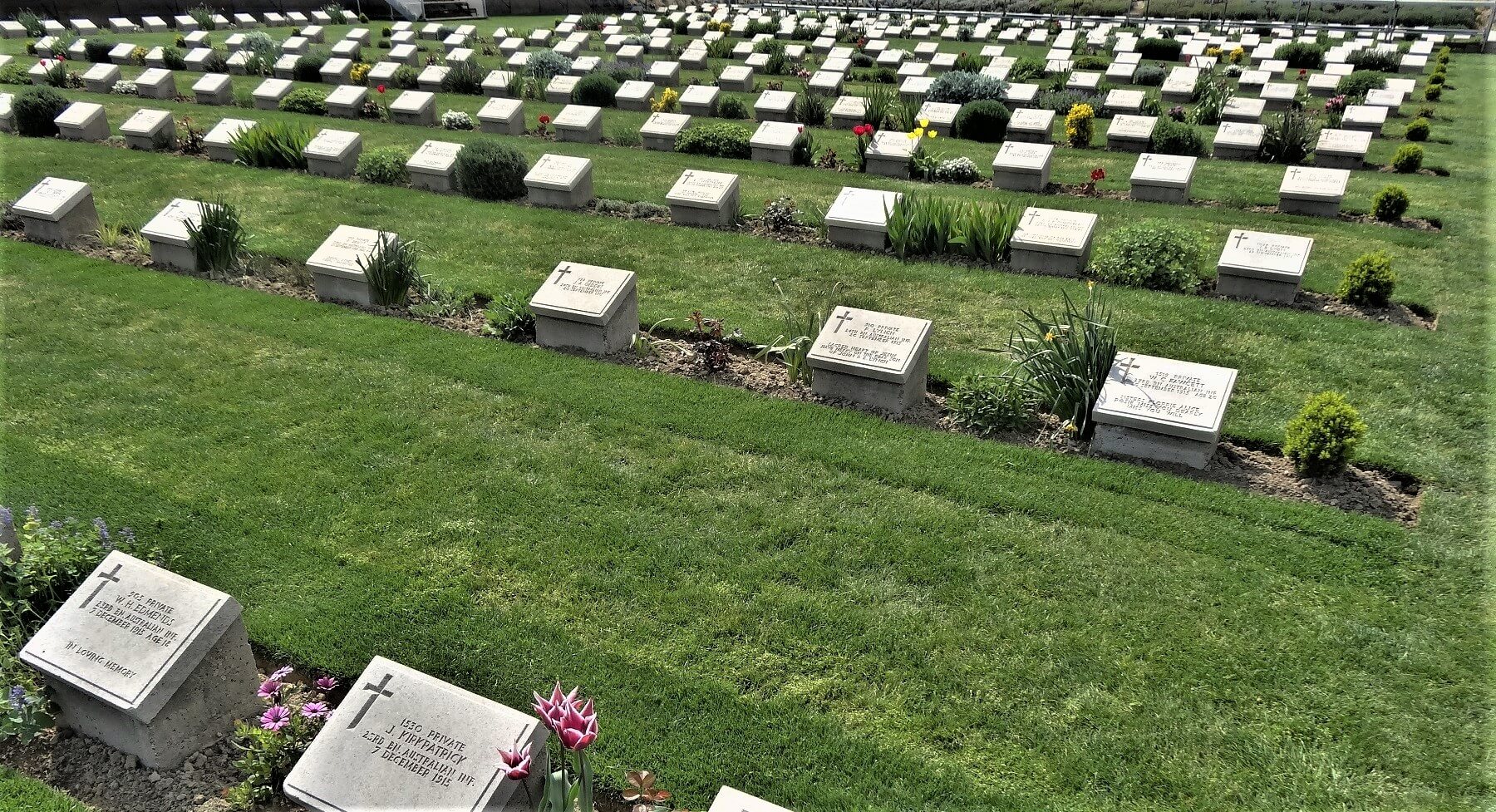
    GallipoliHeadstone of an NZ soldier – what were you doing when you were 19?

    Every year on April 25 we celebrate ANZAC Day in New Zealand, and the words “lest we forget” are often spoken. We celebrate this day because we mustn’t forget the men that died serving the country. We mustn’t forget that they bravely fought for us and died in a war that wasn’t ours. But there is more we mustn’t forget. We mustn’t forget that there is no sense in war. That perhaps we made a mistake in coming here. And that if we ever go shooting guns in someone else’s backyard again, they’re going to shoot back.

    Of course, I’m not here to point fingers, especially at our troops. They were only following orders and I doubt they enjoyed the battlefield any more than the Turks did. They gave their lives and their innocence and we will rightly honour and remember these men each year.

    However, after visiting Gallipoli I will also remember there is another side to this story – a side where we also shot bullets and we also destroyed homes. We killed husbands and fathers and brothers too.

    Perhaps, we should think about remembering those men as well.

    Gallipoli

    “Those heroes that shed their blood
    And lost their lives…
    You are now lying in the soil of a friendly country.
    Therefore rest in peace.
    There is no difference between the Johnnies
    And the Mehmets to use where they lie side by side
    Here in this country of ours…
    You, the mothers,
    Who sent their sons from far away countries
    Wipe away your tears;
    Your sons are now lying in our bosom
    And are in peace.
    After having lost their lives on this land they have
    Become our sons as well.” – Ataturk 1934

    As the saying goes, there’s always two sides to every story.

    Have you been to Gallipoli? What did you think? Let me know in the comments below.

  • Better Luck Next Time, Sydney Airport

    Better Luck Next Time, Sydney Airport

    The plane hits the pavement. I look at the clock.

    10:51.

    Check-in for my next flight closes at 11:45.

    I do the math slowly in my head. 54 minutes to get through customs, collect my bags, and make it upstairs to check-in.

    Easy peasy.

    Well, it should be easy peasy, except for one problem – this is Sydney Airport. Things don’t move so quickly in Sydney Airport.

    Ten minutes pass and we’re all still sitting on the plane. I peek over the heads in front of me, trying to see what’s going on, but all I see is a long queue of vegetating passengers.

    I have a bad feeling about today. I have a feeling that, I dunno, maybe Sydney Airport is out to get me.

    Finally we start moving. I don’t have a watch, or a phone, but I glance at the time on the girl’s phone beside me.

    10:59. 46 minutes.

    I should make it.

    As I get off the plane, I walk briskly down to arrivals, ready to head straight through as I’ve filled out all my forms on the plane. Or so I thought.

    “Ebola form, everybody needs to fill out an Ebola form,” I hear a lady saying. I head over and take one, and start trying to fill it out while walking through the crowd. “Why the f**k didn’t they give me this on the plane,” I curse under my breath.

    I’m starting to think I was right. Sydney Airport is out to get me.

    As I get to customs I head straight to the Smart Gate machine, which should help me avoid the massive queue of Chinese passengers that have arrived on my flight. I flip open my passport and slide it in, waiting patiently for the machine to do its thing. The loading circles spin and spin for what seems like forever, and then an error screen pops up.

    “We cannot process you today. Please head to the Assistance Desk.”

    FUCK. I knew it.

    Sydney Airport is out to get me.

    I line up for the assistance desk, which luckily moves quite fast. I get to the front within a few minutes and hand my passport to the lady.

    “Are you just in transit?” she asks, glancing over my form.

    “Yes.”

    “When’s your next flight?”

    “12:45.”

    “12:45?? Are you going to get through in time?”

    “Well, I’m trying,” I smile. “What’s the time now?”

    “11:12.” 

    She hands back my passport and waves me through.

    I quickly do the math again in my head. 33 minutes before check-in closes. Phew, I think to myself, relaxing a little. As long as they don’t take forever with my bag, I should get through with plenty of time to spare.

    But soon I realise that’s a little naïve. Of all the airports I’ve been through Sydney has always been one of the slower ones, and of course on this day, they decide to take forever with my bag.

    A guy stands beside me tinkering on an iPad. I glance at the time. 11:20. No bag.

    11:25. No bag.

    11:30. No bag.

    This can’t be happening.

    Sydney Airport is out to get me.

    By now I’m endlessly muttering the most horrible of words under my breath while simultaneously praying to all the Gods I can think of. F***, s*** you m***** f****** Aussies can you please f****** bring out my m***** f****** bag already.

    At that moment, after almost twenty minutes, my bag magically pops out onto the belt. I roll my eyes, grab it, and rush over to the quarantine line. Ten minutes ago it was completely empty, but as luck would have it, there’s about 15 people in front of me now.

    An officer walks past and I stop him.

    “Excuse me sir, check-in for my flight closes in 15 minutes, I know it’s a long shot but is there any way at all you can get me through this line a little faster?”

    “If it’s in 15 minutes you’ve already missed it mate, ‘cause ya gotta get over to the domestic terminal first.”

    “No, it’s an international flight, it’s just upstairs.”

    “Well mate, if it’s an international flight and it leaves in 15 minutes you’ve missed it as well,” he laughs.

    I’m not sure if he’s an idiot or just being stupid on purpose.

    “No, it’s an international flight and the check-in closes in 15 minutes, I can make it if I can just get through here a little faster.”

    He looks at me with a confused look, and walks away.

    “Thank you,” I shout as I watch him walk off, quietly muttering a few F words in his direction.

    Ok, Sydney Airport. I get it. You’re out to get me.

    As I stand in the quarantine line, I decide the battle is over. I don’t have a watch and my phone is dead, but I’m guessing I have about 10 minutes to make the flight, and there’s no way I’m getting through this line in 10 minutes, let alone upstairs and to my check-in counter. I grit my teeth with frustration, and my mind starts cycling through the five stages of grief.

    First comes anger. F*** this shitty airport and their half-arse processing.

    Next, bartering. Maybe, if I bribe one of these officers to let me through first I could still make it?

    Then, denial. No way. I don’t miss flights. I’ve never missed a flight in my life. These clocks are all wrong and I’m still gonna make it.

    Then, in the midst of my denial I find myself at the front of the line.

    The officer glances at my form and sends me over to an inspection desk.

    “Station number two,” he points, waving me through.

    I rush over to the table and lift my bag up. Just as I do so, the lady pulls off her gloves and starts walking off somewhere.

    “Just give me two seconds darling, I’ll be right back.”

    I smile and nod, and then visualise myself punching her in the nose with brass knuckles on.

    Sydney Airport is still out to get me.

    I turn and watch her chat to some lady for thirty seconds, probably about the latest issue of House and Garden. I grit my teeth, quickly losing my patience. How much time do I have? I have no idea.

    Finally I open my mouth to say something but just before the words come out she turns back and returns to the table.

    She picks up my card and looks it over slowly.

    “Do you have any nuts, seeds, plants, fruits….”

    I watch her lips move in slow motion, slowly shaking my head without really hearing what she’s saying.

    “Ok, you can go.”

    Almost in shock that she didn’t want to check my socks for caterpillar eggs, I decide I might have about 90 seconds to get upstairs before check-in closes. I question for a second whether I should even bother trying, but then I slap some sense into myself. I’m a traveller. This is what we do. NBA players sink three-pointers over a double team in Game 7 with three seconds to go. Lawyers give impassioned closing arguments to swing the jury and win impossible cases. And travellers, we catch flights. This is what we do.

    I grab my backpack, throw my jacket under my arm, and I run. I sprint. Flurrying out of the arrivals gate, I draw the attention of almost everyone in the building. Some look at me with amusement, like I’m a Chinese madman overexcited to see his long lost family. Some look at me with terror, as if I’ve just planted a bomb and perhaps they should be running too. But I don’t care.

    All those hours in the gym, this is what they were for. I run and run and run, weaving through the crowd, sprinting for my life, gasping for oxygen while dragging 16kg behind me with one arm and holding my backpack under the other. I get to the escalator and haul my luggage up, my arm slowly turning to jelly. Others sense my urgency and move to the side, looking at me with confusion.

    As I finally get to the departures floor, I take two seconds to catch my breath while looking at the check-in screen.

    Fiji Airways….Fiji Airways……..where the f*ck is Fiji Airways…….

    C1!!

    I look up at the signs of the counters in front of me.

    H, I, J, K.

    You’re fucking kidding me. As luck would have it, I’m probably as far away from my counter as I could possibly be.

    I guess Sydney Airport really, really wants to get me.

    In the back of my head I’m almost certain the check-in closed a long time ago, but as the greats say, better to try and fail, than to not try at all.

    I squint and look across to the far end of the airport, seeing counter C way in the distance. Almost instantly, I break into a full sprint once again. I’ve got hardly anything left in the tank, but this is the home straight now. All or nothing.

    The counters go past in one big blur; H….G….F…..

    My legs are barely holding up, but they manage to keep moving.

    E….D……..

    As I approach counter C, I see the Fiji Airways sign and stumble over to the desks.

    “Excuse me…..

    Excuse me..…sir,” I gasp, sweat dripping down my face, half collapsed on the counter.

    “Check in……..for Nadi………”

    His eyes jump.

    “Nadi! Shit mate you better hurry up, it’s about to close in a few seconds!”

    He jumps up out of his chair runs over to one of the computers, tapping away furiously.

    “Hand me your passport mate. You’re checking in a bag? How much does it weigh?”

    “About 15…” I say, still gasping for breath.

    Without even putting it on the scale he jams it all into the computer, while I pull my passport from my back pocket and hand it over to him.

    I watch his eyes running furiously across the screen, at the same time shouting out orders to the ladies around him. Obviously this guy didn’t get the memo about the airport being out to get me.

    Almost like robots, the staff tag my bag, chuck it onto the belt, and process my ticket at light speed. I’m still in a daze as I watch them move around me in a blur. As I stand there, leaned over the counter, I notice the small puddle that’s collected from the beads of sweat dripping off the tip of my nose. I look at it and smile. Have I really made it? 

    And then, I finally hear it – the beautiful sound of my boarding pass coming out of the printer.

    The guy at the desk slots it into my passport, breaths a sigh of relief, and looks up at me with a nervous smile.

    “Far out, mate, literally, you just made it. I have never, ever seen anyone make it by that close. I printed your boarding pass and the check-in closed literally a split second later,” he laughs.

    “Thank you man, I really, really, really appreciate it,” I say, still barely able to breathe.

    “No worries mate, have a good flight, head straight to the gate please,” he smiles, handing over my passport and boarding pass.

    I nod, collect my things, and head straight to the gate.

    I quietly wonder to myself whether Sydney Airport will fight to the end, but they don’t. I head through customs and security without issue, leisurely stroll to the gate, and step onto the plane.

    In the end, a valiant effort, but it just wasn’t quite enough.

    Sorry, Sydney Airport.

    You can’t get me.

    Photo credit: onefound @ Flickr

    Shout-out to Fiji Airways for their awesome staff who managed to check-me in at light speed and also to Sydney Airport for keeping life interesting. Until next time.

  • Tell Me Your Secrets, Okinawa

    Tell Me Your Secrets, Okinawa

    I’m not sure what brought me to Okinawa.

    I’d heard it was kind of cheap, sunny, laid back, and just a little bit different to the rest of Japan. But we hadn’t really planned things. We just kind of ended up there.

    Of course, I’d done a bit of pre-arrival research, and in doing so learned Okinawa was famous for quite a few things. One, it was the home of karate. If you’re from my generation, you undoubtedly remember the original Karate Kid movies, and the famous “wax on wax off” Mr Miyagi who calls Okinawa home.

    Okinawa is also littered with US army bases – a not-so-subtle reminder of the bloody Battle of Okinawa in WW2, and America’s later use of the islands during the Vietnam War.

    But what interested me most was the lifestyle. Supposedly through diet and a better way of living, the people of Okinawa live longer than anyone else in the world. 

    But how? And why?

    Hopefully five days on the islands would be long enough to find out.

    After touching down on the islands, you could tell just from the airport Okinawa was a no frills kind of place. No baggage belt – just suitcases dumped out into a collection area. No big arrivals hall – just a big room with a token cafe in the corner. In it’s simplicity, I already liked it. It was different from the rest of Japan.

    We’d arranged an Airbnb apartment beforehand, and caught the public bus out to our new home. Safe to say, during the bus ride I quickly concluded Okinawa was very, very different to how I’d imagined it in my head. I’d pictured more of a beachy, classic, traditional type vibe, but it was actually a lot closer to a typical mid-sized Japanese city. However, the vast contrast with Tokyo’s hectic pace of life was immediately palpable – and that I liked a lot.

    Our apartment turned out to be a full on Japanese house; 3 bedrooms, lounge, TV room, decked out with tatami mats, a bum washing toilet, fancy gadget style Japanese kitchen, laundry, enormous shower room, fast wifi, dining room table, and even a little porch for us to sit and enjoy the sun. There was only 5 of us, but we could’ve easily slept 8 or 9 in there. Best part was, at $30/night per person it was actually cheaper than our shoebox Tokyo apartment, where we’d squashed into a tiny studio with a modest microwave kitchen and an airplane sized toilet.

    Getting work done in Okinawa AirbnbGetting some work done in our Okinawa home

    As I’ve always said before – spend your time in the smaller cities. Your value for money multiplies, you live in greater comfort, and you’re able to stay on the road a lot longer.

    We stayed in an Airbnb in Okinawa. There’s quite a few Airbnb options and most of them look great. We were really happy with ours! You can get $25 off your first Airbnb stay using this link.

    We spent the first full day out on Okinawa’s International Street. It took us a whole day to wander from top to bottom, and while a lot of shops tend to lean towards the souvenir/tourist market, there’s some interesting stuff there.

    International Street OkinawaInternational Street – Naha, Okinawa

    By day’s end, we decided to settle down for dinner at a traditional Okinawan kitchen, which was perfect. As you know, one of my favourite things to do in a new place is eat, but in Okinawa this was especially so. Food and health go hand-in-hand, and in a place that claims the highest life expectancy in the world, surely exploring their favourite eats would uncover some of the secrets.

    Okinawan restaurantDinner – Traditional Okinawan food with traditional Okinawan music

    First was the awamori tofu. Awamori is a strong, traditional Okinawan rice liquor which is around 40%-60% alcohol, and as well as drinking it Okinawans like to cook their tofu in it. A strange combination for sure, and while I didn’t love it, it wasn’t bad. It’s actually quite nice at the start, but it has a very strong vodka aftertaste. If drinking games were on the agenda, this thing could surely make the night a lot of fun. Apologies for the shitty photo – it’s on the right.

    Awamori Tofu

    Next were the sea grapes, or umi-budō. I guess it’s, or at least it looks like, some kind of seaweed, and is supposedly one of the Okinawan secrets to a long and healthy life. I was expecting a strong, fishy, sea salty taste, but it actually just tastes like……nothing. Didn’t get me excited at all, but if it’ll add another 10 years to my life, I’ll gladly eat a handful each day.

    umi budoo, sea grapes, green caviar in Okinawa

    One dish I’d especially been looking forward to was rafute, a stewed Okinawan pork belly, which is supposed to be a flagship dish on the islands. I had high expectations for this but I’ll be honest – it was very average. A little tough, not so tasty, definitely not the melt-in-your-mouth I’d expected. Nonetheless, eating pig is supposed to be another long-life secret in Okinawa, and this dish is one of the local favourites.

    Rafute Pig Belly Okinawa

    As I mentioned, there’s historically been a strong American presence here, and this is telling in the food as well. One such dish is taco rice, basically a taco without a taco, served over rice instead. It seems strange, but it’s pretty good.

    Taco rice Okinawa

    And then of course we have the goya, or bitter melon. I’m familiar with bitter melon as the Chinese also associate it with long life, but the incredibly bitter taste has never appealed to me. The Okinawans, on the other hand, seem to love this vegetable with a passion.

    The goya can be cooked in a variety of ways, but goya chanpuru, or bitter melon stir fry, is the most popular and might be Okinawa’s most famous dish. Is this the vegetable that helps them live so long? I’m sure it doesn’t hurt.

    Goya Chanpuru OkinawaGoya chanpuru – the secret to a long life?

    The following days were easily the laziest days I had in Japan. In a way, it was recovery time from the preceding week, where we’d all fallen victim to Tokyo’s unkind winter. We did however, while trying to kick our lingering flus and colds, manage to do a fair amount of lazy exploration.

    We visited Fruit Land, some sort of fruit museum, which honestly was so bad it was actually funny. I won’t even add a photo of it. Please don’t go there.

    We tried sata andagi, Okinawa’s famous donuts.

    We checked out the whale sharks at the Churaumi Aquarium.

    Churaumi Aquarium Okinawa

    We spent a lot of time waiting at bus stops.

    Okinawa bus stop

    We sat out in the sun on our porch and talked about bullshit.

    Airbnb Okinawa porch

    We walked through the Shuri castle, the Ryukyu palace destroyed during WW2.

    Shuri castle Okinawa

    And then, one day while wandering around International Street, I finally think I discovered Okinawa’s secret. While drifting through some market, we caught sight of a small crowd of people, tucked away down some little alley.

    “What’s down there?” I asked my friend.

    “Don’t know, let’s go see.”

    So off we went. Luckily my friend, who is Japanese, was able to read the signs.

    “Oh, this is a shop for Okinawan soba,” he told us.

    Okinawan soba shop

    As we stood around, wondering whether we should go in and try it, an American guy behind us obviously overheard and decided to say something.

    “You guys should definitely try it. It’s really, really good man.”

    We all looked at each other, shrugged our shoulders, and went inside.

    Now, you can ask my Mum, I am a noodle freak. Ever since I could eat, I was a noodle man. An enthusiast, if you like. I eat noodles anytime, anywhere, and have tried many, many bowls of noodles in many holes in the wall around the world. And whenever I walk into a noodle shop, I can usually make a good guess in the first few moments of whether it’s going to be good or not.

    In this particular shop, I noticed a few things off the bat. It was a one-woman operation – a lone, maybe 80+ year old lady who ran the whole show. As soon as we walked in and I saw her, I had a good feeling. Noodle soup is a dish where simplicity rules – it does not mix well with flash. There are no fancy tools or ingredients you need. There is only one way to make a good noodle soup, and it has nothing to do with the recipe or the ingredients; all it needs is to be cooked with lots and lots of love, and when it comes to cooking with love, grandma always know best.

    Okinawan soba restaurant

    As I sat in the corner of the restaurant, I watched her doing her thing, walking calmly up and down her small kitchen, not rushing at all, a kind smile on her face. Her restaurant had no menu, because she only cooked one thing, in one size, at one price: 390 yen for a bowl of grandma’s noodle soup.

    It was definitely going to be good. I already knew.

    When the bowls arrived, I’m sure we all thought the same thing. It looked freakin’ delicious. There was nothing fancy. Just a bunch of noodles, a few fatty slabs of pork, a clear broth and a sprinkle of fresh spring onions. But that’s all it needed, because from the first look we could all immediately tell – it was cooked with love.

    Okinawan soba

    We all dug in, and from the first bite, we all lost control. The noodles were firm and chewy, cooked to perfection, and the soup just flavourful enough that every mouthful had you begging for more. The meat, tender and fatty, tempered the dish perfectly. All I added was a sprinkle of chili flakes and that was more than enough. We slurped and groaned and let out uncontrollable “OH MY GODS”, stuffing our mouths with love-filled Okinawan soba.

    And in the corner, I just knew, grandma was listening with a knowing smile on her face. She’s been doing this for years, and she already knew. She knew these moans of delight would be coming from the from the moment we stepped in the door.

    It didn’t take us long to finish. We all sat there, stupid smiles on our face, hands on our stomachs, day dreaming about what we’d just eaten. It wasn’t a big bowl, and I could’ve easily eaten another, but something stopped me. I had a suspicion that I might ruin it all if I forced down another serve, and something tells me that’s not an accident. Grandma knew exactly how much to serve. And so I sat there, smiling and satisfied. One bowl was all we needed.

    Where do you get it?

    Ok, I’m going to apologise in advance here, I must be the worst blogger ever, because I actually don’t know the name or the address of this place. Instead, I will give you as many details as possible, and you’ll need to go on a little scavenger hunt to find it (or hopefully someone will read this and can post the name/address in the comments).

    On International Street in Naha, Okinawa, you want to find the Starbucks, which is on a corner. Diagonally across the road is an alley/indoor market. It’s inside there somewhere, about halfway down. Show these photos to one of the store owners around there, and I’m sure they can point you to it:

    Photo & Video Sharing by SmugMug
    Okinawan soba
    Okinawan soba shop

    Besides, this is most definitely a bowl of noodles worth hunting for, so if you’re not willing to do a little searching, you probably don’t deserve to try it anyway!

    My final night in Okinawa was as relaxing as all the others. After a day of wandering I sat in a small burger bar and indulged in a burger and beer. My weapons of choice were the supposedly “world famous” Okinawa bitter melon burger and the local favourite Nihede beer. Despite my dislike for goya, I enjoyed the burger a lot, and the beer was crisp and mild, just the way I like it.

    Okinawa burger and Niheda beer

    Following that, we decided to cap the night off with another local treat – Okinawan snake wine. This is an awamori based liquor, produced with a (usually live) snake inside the bottle. I have no idea why they do it – but apparently it’s great for male sexual health. All I know for sure is it tastes like petrol. Another secret to a long life? Maybe.

    Awamori snake liquor

    After a relaxing five days it was finally time to leave. My friends all flew out a little earlier than I did, and that left me with a little bit of time at the airport to sit alone and ponder things. Looking back, Okinawa hadn’t been all that eventful, and we hadn’t really done anything remarkable during our five days there; just a bit of lazy wandering, sitting around the house chatting, eating good food and enjoying the slower pace of life that it had to offer.

    And then it occurred to me, maybe that is the secret. Maybe it’s not the food or the weather that gives them longevity, but just the fact that they know how to relax, slow down, not take themselves too seriously, and enjoy the simple things life has to offer. Okinawa is often the butt of the jokes in Japan – a bunch of islands with dumb, lazy people who never achieve anything. But, judging by the years in their lives, it seems the real joke is on everyone else. While the Tokyo salarymen hustle through subways, shivering in the cold working miserable 14-hour days, the Okinawans walk slowly, taking in the sunshine, working less and living more. Life may not be glamorous in Okinawa, but it is long and happy, and in the end, what else can you really ask for?

    Despite not spending a lot of time there, I grew to really like the place. There’s definitely a few more stories to hear, more bowls of noodles to eat, and a lot more islands to explore, but five days there showed me more than enough to bring me back. When? I’m not sure. But I know there are more secrets here to be found, and I’ll definitely be back to find them.

    I’m not done with you yet, Okinawa.

    Have you been to Okinawa? What did you think? What secrets did you find? Let me know in the comments below! 


    Okinawa looks amazing! Don't know if it's the food or the lifestyle or the ice cream. See why Okinawans live longer than anyone else in the world...
  • Dinner At A Maid Cafe In Tokyo, Japan

    Dinner At A Maid Cafe In Tokyo, Japan

    As we walked around Tokyo’s Akihabara district, wandering through video arcades, toy stores, and a rather popular six-storey sex shop, my friend turns and says to me, “Oh, and we should definitely have dinner at a maid cafe!”

    A maid cafe?

    Sure, whatever that is.

    What followed was undoubtedly the most bizarre dining experience I think I’ll ever have in my life.

    What is a maid cafe, you ask?

    Maid cafes are apparently quite popular in Japan, and some might even consider them part of the country’s culture.

    These are restaurants where you go to have a meal and the staff are all dressed up in over-the-top French maid outfits. They treat you as “the master” and they are “the mistress”, and, I guess, it is supposed to satisfy a fantasy of some sort (if any of you are thinking X-rated thoughts, sorry to disappoint but it’s nothing like that).

    A comparison that comes to mind is Hooters – except the waitresses are, you know, Japanese maids, rather than Hooter’s girls.

    As we stood out in the streets of Akihabara, I did a little “market research” and Googled the Top 10 maid cafes in Tokyo.

    Scrolling through the lists, I was getting more weirded out by the minute.

    “At this maid cafe, they have special theme days such as swimsuit day and schoolgirl day.”

    Is this a cafe or a Las Vegas strip club?

    “At this maid cafe, the maids will spoon feed you your meal for an extra 1,000 yen.”

    Do I wear a diaper too?

    “At this maid cafe, you have to play a funny game with the maid and if you lose, you get a slap across the face.”

    Am I allowed to file assault charges afterwards?

    “At this maid cafe, they can be kind and sweet or rude and bossy, or both – an icy-hot routine called “tsundere.” Sometimes they bully you for an hour and then cry when you leave.”

    Sounds exhilirating!

    “At this maid cafe, they offer miniature food for men dining with dolls and pray for the souls of all their guests.”

    Can we just go to KFC?

    Basically, whatever kinky maid cafe experience you’re looking for, it probably exists in Tokyo.

    In the end, we decided on a kind of semi-normal looking place called maidreamin.

    After heading upstairs, we were greeted by a girl who looked a little something like this:

    10873620_634811923314347_4464156481606219156_o
    Photo: maidreamin.com

    (sorry, I don’t have actual photos for you guys, no cameras were allowed!)

    She informed us that there was an entrance fee of 1,000 yen as there was going to be a show later (I’ll get to that soon), and once we agreed she picked up some plastic light/candle Japanese toy thing and said..

    “OK, time for opening ceremony!”

    She sang a little song (or said a prayer, or recited a poem, still not sure) tossed the candle toy around in her hands a bit and then smiled at us. We all looked at each other a little befuddled, laughed, and then got shown to our table.

    What’s on the menu at a maid cafe?

    The menu at maidreamin is a pre-set menu – first you choose either an omelette or a hamburger steak, then you choose a drink, and then you choose either a keyring or a box of maid sweets as a souvenir.

    There were four of us, so my friend and I opted for omelette rice and the other two got the steak.

    As we waited for our meals, we all just kind of sat there observing. There were around 6 or 7 maids, not dressed in anything too outrageous, and not acting too weird either, just walking around serving food as a normal waitress would.

    “Nothing too crazy about this place,” I thought to myself.

    A moment later, our drinks arrived, served by a tiny (5’2 at the most) ghost-white Tokyo maid who was extremely soft spoken. She actually seemed pretty zoned out, and you could be forgiven for maybe suspecting she had pumped some serious “relaxants” into her arm before her shift.

    Once our drinks were on the table, she sang a little song, and then started giving us some instructions. First, she told us, she was going to sing something and do a dance for a few seconds, and then afterwards we would all together need to say “moe moe kyun!” while bouncing our hands like rabbits over our drinks. Then we needed to clap and squeal like excited schoolgirls afterwards (I’ve since learned this is some kind of chant which is supposed to make your food taste better).

    And so off she went, reciting her little poem, and then all together we said “moe moe kyun!“, did the rabbit thing, and clapped and cheered.

    Now things were getting weird.

    About 15 minutes later the food arrived. The maid brought our omelettes over, then knelt down beside us and asked what picture we would like her to draw for us. I asked for a pretty girl, and my friend asked for a dog.

    With nothing but smiles, she then picked up a ketchup bottle and actually drew two pretty damn good pictures, without even hesitating. It was as if she’d gone to school for it or something.

    Maidreamin Cafe Tokyo What’s an omelette without a dog drawn in ketchup?

    And then of course, we had to do the “moe moe kyun!” rabbit dance again, to help make the meal as delicious as possible.

    Now that the food was served, I thought this might be as far as the weirdness went, but it turned out they were just getting started.

    In fact, it wasn’t so much the maids that had me bewildered, but the customers themselves.

    What happens after dinner at a maid cafe…

    Beside us was a young couple, maybe 25 years old, and the guy’s smile simply did not leave his face the entire night. We soon found out it was his birthday. I couldn’t help but suspect he had been begging his girlfriend to let him come eat here for, I dunno, half a decade, and she’d finally granted him his wish on this special day. We’ll come back to this guy later, it gets better.

    Then there was the couple of solo diners sitting around the cafe, who, judging by the quality of the food, didn’t come for the fine cuisine. I suppose there are worse ways to spend the evening than sitting around watching girls serve food in maid outfits.

    And then, there was one group that had me laughing and terrified at the same time – a table of five fully grown men in business suits who took the moe moe kyun dance to a whole new level.

    When their drinks arrived, they were all given bunny ears (like Playboy bunny style ears) and they looked happier than kids on Christmas. Then, instead of the little 3 second moe moe kyun dance that we did, they got the extended 45 second version, complete with dance moves and chants that they all did in unison. If I didn’t know better, I would think they’d all done a dress rehearsal the day before.

    Of course, no one else blinked an eye. In Tokyo, five men wearing bunny ears doing a rabbit dance at dinner is seemingly quite normal.

    And then “the show” started.

    The lights went out and then the same maid that did our “opening ceremony” jumped up on a small stage in the middle of the room. She started shouting things out in Japanese getting the crowd riled up, and everyone seemed to be eating it up. Of course, I just sat the smiling nervously, for all I know she could’ve been saying “Look at these foreigners sitting down here, let’s get them on stage for some belly dancing.”

    Once the crowd was all buttered up she broke out into a little song and dance, complete with mini laser light show and everything.

    And then, she turned to the table next to us, pointed to the birthday boy, and ushered him on-stage.

    “Oh shit..” I laughed to myself, and watched him relucantly get out of his seat with a painfully nervous smile plastered across his face.

    I watched him walk over to the stage, wondering what they were going to make him do. Probably some super remix of the moe moe kyun, I guessed. We were all waiting for maximum cringe.

    But, it seemed his nervous smile was just a disguise. He wasn’t nervous, he’d been waiting for this moment all night.

    “Ichi, Ni, San!” the maid shouted, and then, right before our eyes, the two of them broke out into a fully choreographed maid dance, the guy busting out moves with a huge smile on his face.

    I looked at my friends, laughed, and then turned back to him, watching him and the maid waving their arms around in perfect unison, both having the time of their lives.

    I didn’t get it. How did he know the dance? Was it something famous, like the macarena? Is it something you see on TV? Or did he just really like maid cafes?

    Judging by the look on his face, it looked as if this was his moment of glory, as if he’d been training and practicing and preparing for this moment for years, and now he was finally getting his time in the spotlight.

    The dance went on for about 5 minutes, and, like a pro, he didn’t miss a single step.

    Finally it ended, the room clapped, and he promptly returned to his table and ate his birthday cake, as if it was a completely normal evening.

    At this point, I’d had about all the maid cafe I could handle, so we downed our drinks, paid our bill, and high tailed it out of there.

    And, despite a no photo policy, we were actually allowed one photo with a maid of our choice before we left:

    Maidreamin Cafe Tokyo

    How much is a Maid Cafe in Tokyo?

    They seem to be scattered around Tokyo, but are mostly centered in the Akihabara area. We paid around $40 a head for a meal with a drink, a souvenir, and of course, the show. This is a pretty standard price for a maid cafe in Akihabara, Tokyo.

    Is it worth it?

    I don’t think I’ll ever go again, but it definitely seems like one of those things you might want to do at least once in your life. Maybe I’m just ignorant, but I can’t say I really “get it” yet, however, I will admit that I did find the evening quite entertaining, and that’s all that matters, right?

    If you’re ever in Tokyo, pop in to a maid cafe for dinner. It’ll definitely make for an interesting night!

    Heading to Tokyo? A few tips:


    Heading to Tokyo? Check out Bren's Maid Cafe experience in Akihabara. Put it on your bucket list!
  • Tokyo: Just A Little Bit Overrated

    Tokyo: Just A Little Bit Overrated

    About 15 years ago, I visited Tokyo with my mother for a two week trip. At the time I was about 12 or 13 years old, and the first thing I noticed were the lights; big colourful lights towering over me, as if I was walking through some kind of human pinball machine.

    Next was the people; crowds and crowds of people, packed like sheep, all weaving through each other and talking on fancy mobile phones, moving with a lot more urgency than my fellow Kiwis back home.

    And then, there was the technology. Back then, Japan was a superpower. Everyone in the world drove Japanese cars and played Japanese video games, and kids like me were forced to learn Japanese at school, just in case we found ourselves one day doing business with the world’s second largest economy.

    And so it was no surprise when I visited Tokyo back then, it felt like one giant space station, full of all the latest whizzes and gadgets, from the vending machines that sold hot meals, to the outrageously fast Shinkansen bullet train, to the toilet seat that sprayed water up your bum after you took a crap.

    That was the Tokyo I remembered. A futuristic city, on top of the world.

    A few weeks ago, some fifteen years later, I finally visited Tokyo for a second time. Some friends and I rented a couple of Airbnb apartments in Tokyo’s Shinjuku area, and we headed to Japan’s capital to call in the New Year.

    I wondered, what’s Tokyo going to have for me this time? A bullet train that goes so fast it’s practically flying? Vending machines that serve 3-course meals? A toilet that sprays and wipes your bum at the same time?

    Surely the city of breakthrough technology would have some special to show me, right?

    But sadly, there was none of that. In fact, Tokyo seems to have changed very little from the last time I was there.

    The vending machines were exactly the same, save for a few new drinks or ice cream flavours. The toilets looked a little trendier, but seemed to do all the same stuff. And as for the trains, they seem to be, shock horror, much the same as most other trains around Asia.

    In the few days I spent there, Tokyo actually felt a little run down. A city, once on top of the world, seems to have faded a little from its time in the spotlight. The malls, probably once the best in the world, now lack the glitz and modernity of those in Shanghai and Bangkok. The subway, probably once a world benchmark, now feels disjointed and confusing, as if new lines have just been mindlessly tacked on over the years. And the bright lights? I’d say the rest of Asia’s lights are shining just as bright these days.

    Rather than surging ahead, it feels like the rest of the world has actually caught up. Few would disagree that the public transport and subway in places like Hong Kong or Shanghai are far superior to what Tokyo has to offer today. The same would go for airports, restaurants and accommodations. And with much of Asia growing in bounds with every blink of an eye, I imagine the gap is only going to keep on closing.

    Of course, I did visit Tokyo at undoubtedly the worst possible time of year – smack bang in the middle of a freezing winter (and flu season), and over the New Year where a lot of things were busy and a lot of things were closed. Perhaps, a visit in the middle of spring would’ve painted my experience a little differently.

    But despite all that, the city I visited was still Tokyo, all the same.

    Of course, this doesn’t mean I dislike Tokyo. I love Tokyo. They still have the best vending machines and convenience stores I’ve ever seen, meaning if you’re after a hot corn soup or steaming hot chocolate, it’s never more than a few steps away. The culture demands almost absurd levels of respect and politeness, and it is undoubtedly the cleanest capital city I’ve ever been to. The food is sublime and the city will ensure your stomach is never empty for more than a couple of hours. On top of all this, there’s also Japan’s notorious splashes of weird and crazy, leaving you with one of the most unique cities in the world.

    My advice would be to simply weather your expectations before you go. Tokyo is no longer the tech-crazy city of the future that it used to be. That title probably belongs somewhere in China now, and Tokyo feels a little more like a grown-up Bangkok – busy, modern, with a whole bunch of quirkiness thrown in.

    So, what did I do there anyway?

    Even though I found it a little underwhelming, I still had a lot of fun in Tokyo. As a noodle lover, I found myself in one of the best cities ever to indulge. In Shimokitazawa, I had the biggest bowl of ramen I’ve ever seen in my life (and I think for the first time ever I couldn’t finish it).

    I spent at least $100 in vending machines, putting down hot corn soup, hot milk tea, hot chocolate and hot green tea around three or four times a day.

    Tokyo Vending Machines – The Best In The World

    I visited Ramen Street – a little alley where eight of Tokyo’s most famous ramen restaurants are clustered together, all with their own specialty dishes:

    Ramen Street’s 8 Flagship Dishes

    I went there with the mission of trying all eight, but only managed three before I had to go walk it off and try not to vomit. Nonetheless, the ramen was fantastic.

    Cheese ramen from Ikaruga

    Char Siu Pork Bone Ramen from Oreshiki (my favourite)

    Beef Tongue Ramen from Kizo

    I tried to figure out how to play Pachinko (and failed).

    Pachinko – Kind of like an arcade game, slot machine and pinball all wrapped into one.

    I went to Disney SEA, which is beautiful, but unfortunately it was so busy with the holiday crowd that every ride had wait times of over 3 hours. I’m definitely not that patient, so for the first time in my life I left a theme park without going on a single ride.

    The crowds @ Disney SEA

    I visited Piss Alley, a famous local street food place filled with tiny little restaurants that serve some of Tokyo’s favourite yakitori and beer. Unfortunately it was the holidays so 90% of the places were closed, but luckily a couple were still open and had seats.

    Typical Yakitori Dish @ Piss Alley

    I cooked my first okonomiyaki, a Japanese style savoury pancake.

    Vegetable Okonomiyaki

    I called in the New Year at Ageha, definitely the biggest and most overcrowded nightclub I’ve ever been to. An eventful night, to say the least.

    Main stage @ Ageha Nightclub

    But most importantly, I spent a week in Tokyo with my closest friends who I don’t get to see that often. This trip wasn’t so much about “travel”, but more about chilling out and having a good time with some important people in my life. On that front, the trip was a raging success.

    Planning a trip to Tokyo?

    If you’re heading to Tokyo, I’d recommend you give yourself at least a couple of weeks. Unlike some of the second tier cities in Japan, Tokyo is a large city, littered with tourist zones and split up into many little unique neighbourhoods and communities that I just didn’t have time to explore. It feels a bit like New York in that sense – a city suited more to expats rather than travellers, requiring months rather than weeks to truly unravel and appreciate.

    I would definitely avoid going over the winter months (December, January), as the cold in Tokyo is quite sharp and unforgiving, and I’ve no doubt you’d have a more pleasant experience in the spring/summer. I’ve always said that the “best version” of a city is seen in the summer – people are happier, more relaxed and easy-going, coughs and colds are out of season, and the city is more likely to be out having fun rather than sitting at home by the fire. You’d probably agree the same is true for your home city, and Tokyo is no different.

    Another reason is over the Christmas period much of Tokyo is either overly busy or closed down. For example, I wasn’t able to see the world-famous Tsujiki tuna auctions, as they’re closed to tourists from December 1 to January 17 due to overcrowding. The minimum wait times at Disney SEA’s main attractions were over 3 hours. My visit to the iconic Shimokitazawa neighbourhood was a huge let down, because 80% of the shops were closed for the holidays. Peak season is a notoriously bad time to travel, and this felt especially true in Tokyo.

    In the end, I left with the impression that Tokyo is just a little bit overrated. There are a good number of cities in Asia I would choose as home before Tokyo, but it wouldn’t be my last choice either. I do think a few local friends and a longer stay in the summer might change my mind, but we’ll never know. And of course, you shouldn’t let my opinion stop you from going. It might end up being your favourite city in the world, and the only way you’ll know is if you go there yourself!

    Heading To Tokyo And…

    Looking for tours and activities at an affordable price? I use GetYourGuide! Always great deals and local perks.

    For travel insurance, I always use World Nomads – get protected for just a few dollars a day!

    Somewhere to stay? Booking.com gives you the biggest selection and the best rates.