Category: Self improvement

  • Should I Go To College? Americans, Please Read This

    Should I Go To College? Americans, Please Read This

    I got another email today about an American buried in college debt with no job and hating their life and wondering where in the world they could go to run away from all their problems.

    I wasn’t surprised. I get this email a lot.

    Should I go to college?

    I have so much student debt.

    I’m going to be paying this off for 10 years!

    In fact, I met with a reader from the US a few weeks back who was already $100,000 in college debt, and expected to rack up $100,000 more before graduation. I didn’t really have any good advice for him at the time, but I spent a few days wondering if there were a better way for him. Surely ‘the greatest nation on earth’ can offer their youth a better start in life than this?

    Even as a non-American, I know this is far from an American Dream come true. It’s not a New Zealand Dream either, or an Australian Dream, or a Chinese one. It’s a shitty nightmare.

    So here’s a thought experiment.

    After seeing more of the world, if I was leaving high school and going up against this dilemma today, what would I do, or what would I advise my kids to do? In a country like the US, how would I maximise my freedom without sacrificing my career or education?

    Ages 18-21: Work a 9-5

    how to pay for college without loans

    Straight out of high school. I think everyone should experience this lifestyle. I think it’s good for you.

    Doesn’t matter what the job is and if it pays well – all that matters is that you must wake up early and do a morning commute, sit in an office and wear a tie. You must experience the pain of a Monday, the glee of a Friday and the depression of a Sunday night. You must iron shirts. You must see office politics in action. You must experience running to a cafe, ordering lunch, waiting for it be cooked, eating, paying the bill, and running back to your desk within one hour.

    This all needs to be experienced because the truth is, this is life for most people. You want to experience it, you want to be able to relate to the world. Who knows, you may end up liking it.

    The second reason: Money. You need money. You need to earn money. You need to learn to manage and save money, for what comes next. The one awesome thing about a regular job is the regular paycheck. By 21 or 22, some of your friends may have degrees, but they’ll be tied down in debt. You, on the other hand, should have three years of work experience and a good chunk of money in the bank.

    The third reason: You earn your freedom. When you’ve worked for something, it carries a certain value. You want that sense of accomplishment when you head off on your journey. You didn’t just win lotto and move to the Maldives. You earned this, and that keeps your head straight and your heart grateful.

    Ages 21-25: Go To University in Europe

    ways to pay for college without loans

    Most people wonder, should I go to college? Do I need a degree?

    I think so. It’s a part of adulthood. And most people want a degree. Lots of people look for alternatives to college, but sometimes it’s not even about education, it’s just about proving you’re not stupid. But like working a 9-5, it’s also a life experience. It’s about sharing in an experience that everyone else in the world has. And, for the large minority of us, we get to learn about something we’re passionate about.

    In America, they pay up to six figures for a university education. In New Zealand, we pay between $3,000-$4,000 USD per year, but a foreigner will pay five times that. This causes many of us to take on big student loans, or try to find ways to pay for college without loans, like working three jobs during weekends and summers.

    In parts of Europe however, people go to university for free. No, that’s not a joke. Even foreigners. They don’t want their country to be stupid, so they give people free education (I know, crazy right). In Denmark they take it a step further – if you’re enrolled in university, your tuition is free and you also receive a monthly allowance. Yes, students in Denmark are paid $900 a month to go to college.

    Currently Finland, Norway, Austria, Germany and Sweden offer free or very cheap tuition at their public universities, foreign students included. I know Finland is set to end this in 2017, but courses offered in Finnish will still be free, if by any chance you know the language.

    Even in France, Spain and Switzerland, international students pay as low as a few hundred Euro to a couple thousand Euro per year. Compared to other western countries, this is practically free.

    More information can be found here and here.

    While tuition is free, you still need to pay for living costs such as food and rent. As a student, that might cost you between 500-1,000 Euro ($550-$1,100 USD) per month, depending on the city you choose. But that’s just called life.

    During The Holidays: Travel The World (For Free?)

    succeeding without college

    Don’t forget when you’re a student, you get massive holidays. For most students it’s between 3-4 months per year. You’ll also be in Europe which is, without question, the easiest continent in the world to travel in.

    I believe travel is an engine of learning. It is vital to our education. It promotes understanding instead of hostility, and compassion instead of hate. The world needs this more than ever.

    Being away from home will already have shocked your culture senses, so keep going. You probably won’t have money to throw around so use my guide on travelling for free. Couchsurfing in Europe is unparalleled, and there are so many amazing opportunities on Workaway and HelpX. Go spend your holidays in the Polish mountains, a forest in Finland, a horse ranch in Italy or a beach resort in France. It won’t cost you anything, except the bus or train ticket to get there.

    Also, make time to go home and see your friends and family. That’s important too.

    Ages 25-28: Make Some Money, Keep Travelling

    alternatives to college

    You’ve graduated and now what do you want to do? See more of the world. You’ve seen every corner of Europe, but what’s life like in Asia, Africa, Latin America!? This is your quarter life crisis.

    So go for it. Keep travelling if you wish to. My budget travel advice works everywhere in the world.

    If you want to go back to university, maybe go for a China scholarship like I did. It’s pretty awesome.

    But you’re also getting older now. And you’re a graduate. It might be time to make some dosh.

    One of the most popular ways people get on their feet is teaching English in a place like Singapore, Japan, Korea or the Middle East. The cost of living is low, the salary isn’t terrible, and you get to live in some of the coolest countries in the world. You don’t need teaching experience, but you’ll need a university degree in some places (no problem, you’ve got one!)

    New Zealand and Australia are waiting down south. Their Working Holiday programmes are among the most popular in the world, and the visa is relatively easy to get if you’re under 30. NZ and Aussie also have some of the highest minimum wages in the world. In New Zealand the visa is available to about forty countries, including the USA. In Australia there are two visas available to about 35 countries, including the USA.

    The options here are really endless. Despite what you’ve been told, there are jobs everywhere in the world. Do some homework and find them. Sites like Escape The City can be a good starting point.

    You can also go at it alone by freelancing, starting a blog, launching that surf school you always dreamed of. Without buckets of debt you shouldn’t be chained to anything in particular. Go where your heart goes.

    For a full guide to these options and more, complete with resources and real-life examples, check out my post The Practical Guide To Making Money While Travelling.

    Ages 28 and up: Do whatever the hell you want and live your dream

    should i go to college

    A few more years and you’re thirty. But you’ve travelled the world, you have a degree and you’re debt free.

    Dude.

    Do whatever you want. Go home if you want. Stay abroad if you want. Write a screenplay. Get married to a nice New Zealand girl and make some rugby players. I don’t know.

    The point of this exercise was not to create your life plan or solve all your life problems. I’m not a guidance counsellor. My goal was to get you to think outside the box you’ve been given. Most of us live in a very narrow hallway of life and just keep chugging along to the finish line. We never take the time to pause and look left and right, up, down, even behind us.

    The world is big. If there is something you don’t like the sound of, stop. Think. Look before you leap into that massive pile of shit. There is almost certainly a better option out there somewhere. Search for it and you will find it. Good luck.

    To open eyes, ears, hearts and minds,

    Bren


  • I Challenged Myself To 28 Days Of Discipline. Here’s What I Learned.

    I Challenged Myself To 28 Days Of Discipline. Here’s What I Learned.

    Four weeks ago I decided to end my summer with a challenge. Since I’m generally a “do it when I feel like it” kind of guy, I tried to build some discipline into my life by setting myself small tasks to work on every day.

    The tasks revolved around different areas of my life I’ve been trying to improve on – fitness, health, culture, writing, music, reading, mental. I wanted to challenge myself to spend time on each activity each day, hopefully seeing a noticeable improvement by the end of a four week (28 day) period. For example, playing the guitar. If I just practised for ten or fifteen minutes each day, hopefully by the end of the challenge I’d be able to play one or two songs. If I read a few pages of a book each day, by the end of the challenge I should have finished two or three books.

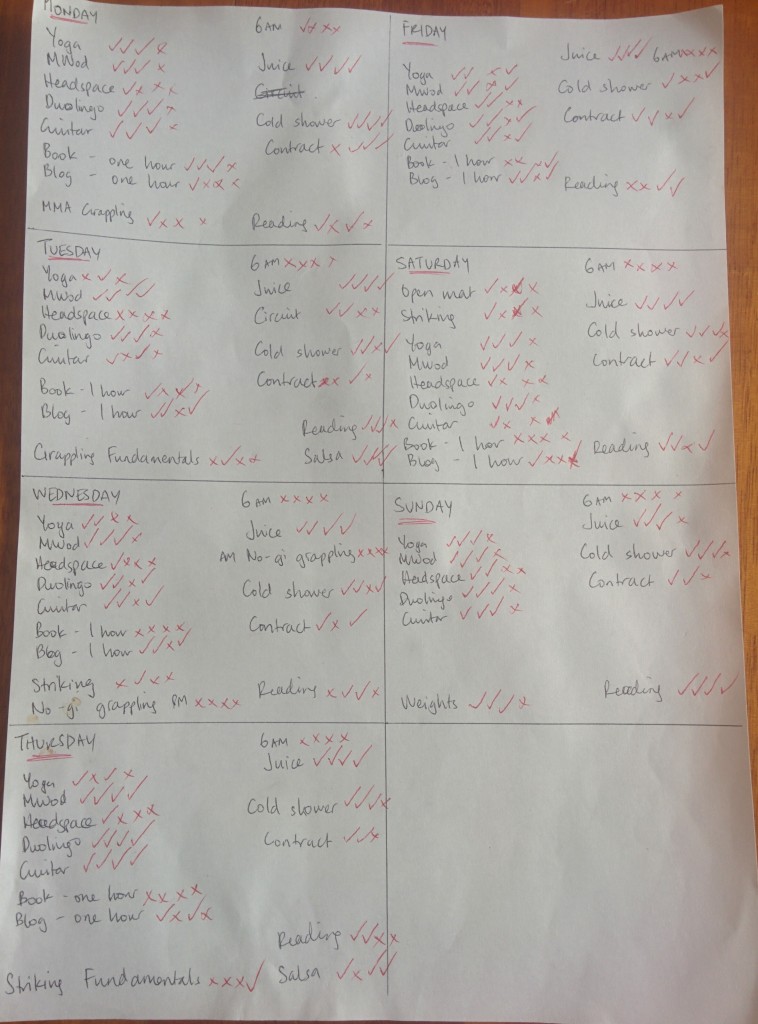
    The practical side of it was simple. Write down 10+ things to do each day of the week. As you finish a task, add a tick beside it. If you haven’t done something at the end of the day, add a cross beside it. Nothing more than a glorified to-do list. By the end of four weeks, the tasks each day will have a mixture of four ticks/crosses, representing my success/failure in completing them over the four weeks.

    Some things, such as reading, were listed every day. Others were scattered on selected days only; for example I might have jiu jitsu classes only on Mondays, and dance classes only Tuesdays and so on.

    Assuming the task was listed daily, the best possible result was 28 ticks. The worst possible result was 28 crosses.

    What tasks did I choose?

    1. Yoga

    Everyone always talks about yoga and it seems like all yogis live to 120 and beyond. I finally took my first classes last November, about 5 months ago, and enjoyed it. I thought perhaps I could try and do yoga each morning to iron out the kinks I’ve accumulated over the last 3 decades of sport, gym and travel.

    2. Mobility WOD

    Mobility “workouts of the day” are simple stretching, massage and mobilisation exercises put together by the brilliant Kelly Starrett. They are designed for athletes to help prevent injury, correct your movements and posture, and keep your muscles loose and limber. They only take about 5-10 minutes each and are really effective for someone injury prone like myself.

    3. Meditation

    I’ve been using an app called Headspace to learn how to control and calm the mind. I’ve been doing sessions rather sporadically since I subscribed, so I wanted to try and be more consistent to see if I noticed any real benefits.

    4. Duolingo / language study

    I love learning language but I’ve been slack at studying. Duolingo is good at making sure you get at least a few minutes of revision each day.

    5. Guitar

    I’m not the most musically gifted person so I wanted to at least be able to pull a tune together on a musical instrument, just as a hobby and nothing more.

    6. Writing

    I’ve been working on a book which has been going abysmally. My creative juices are dry, perhaps because I draw my creativity from travel and I’ve been grounded for quite a few months now. I put it on this list to try and force myself to get some words out each day.

    7. Blogging

    I’ve got a whole bunch of unfinished blog posts sitting in my drafts folder. There are a lot of ideas, I just need to polish them into publishable articles. An hour of writing blog posts each day will mean I have plenty of new content.

    8. Martial arts

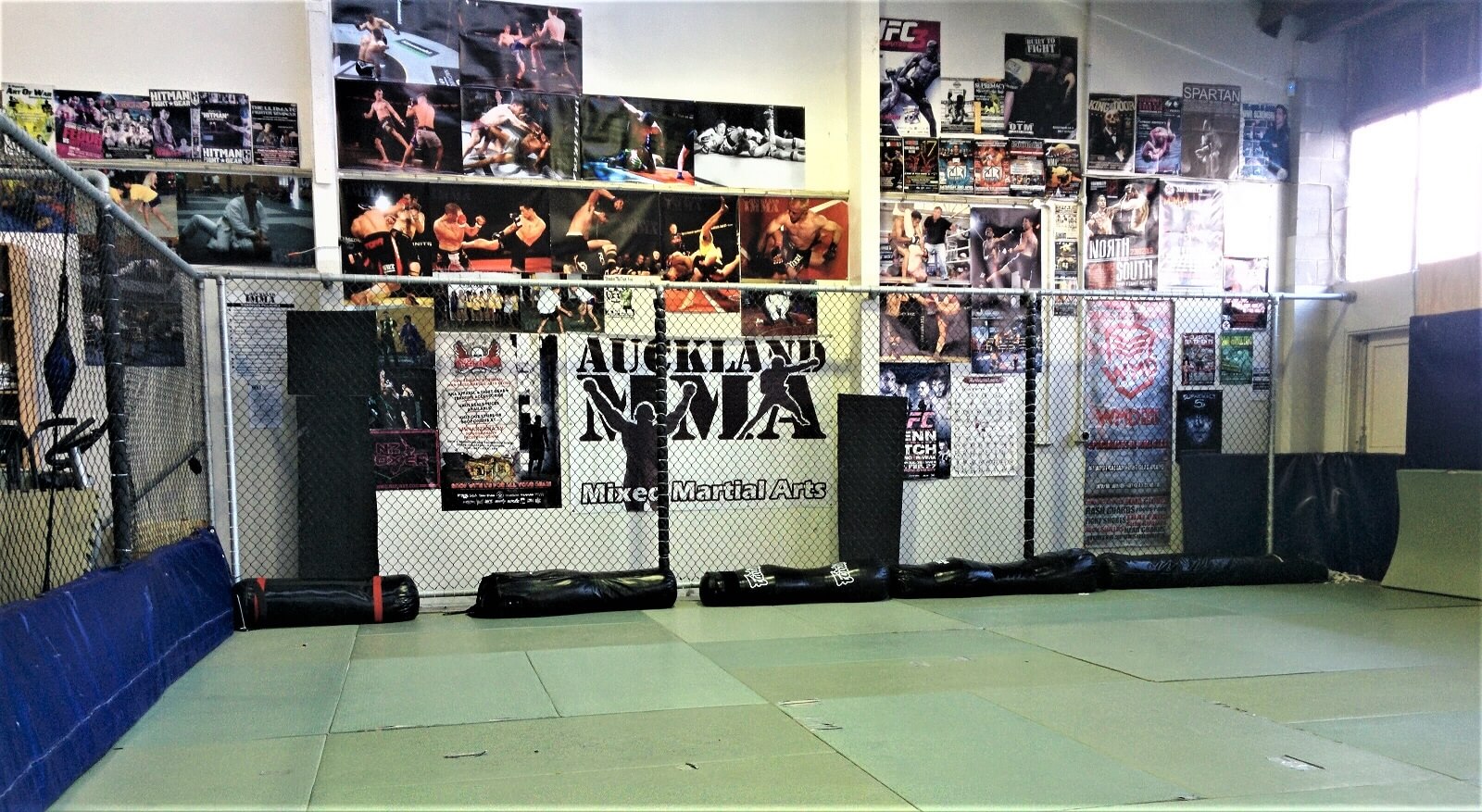
    I’ve been spending a lot of time at my local martial arts gym, learning kickboxing, wrestling and jiu jitsu. Since I always look forward to going, I knew it wasn’t going to be a challenge to get to class. I included it anyway, as it does require a lot of my time.

    9. Salsa

    I haven’t danced since I left my salsa school in Ecuador. I enrolled in a local dance school and signed up for two classes a week, just to see if I still have moves.

    10. Juice

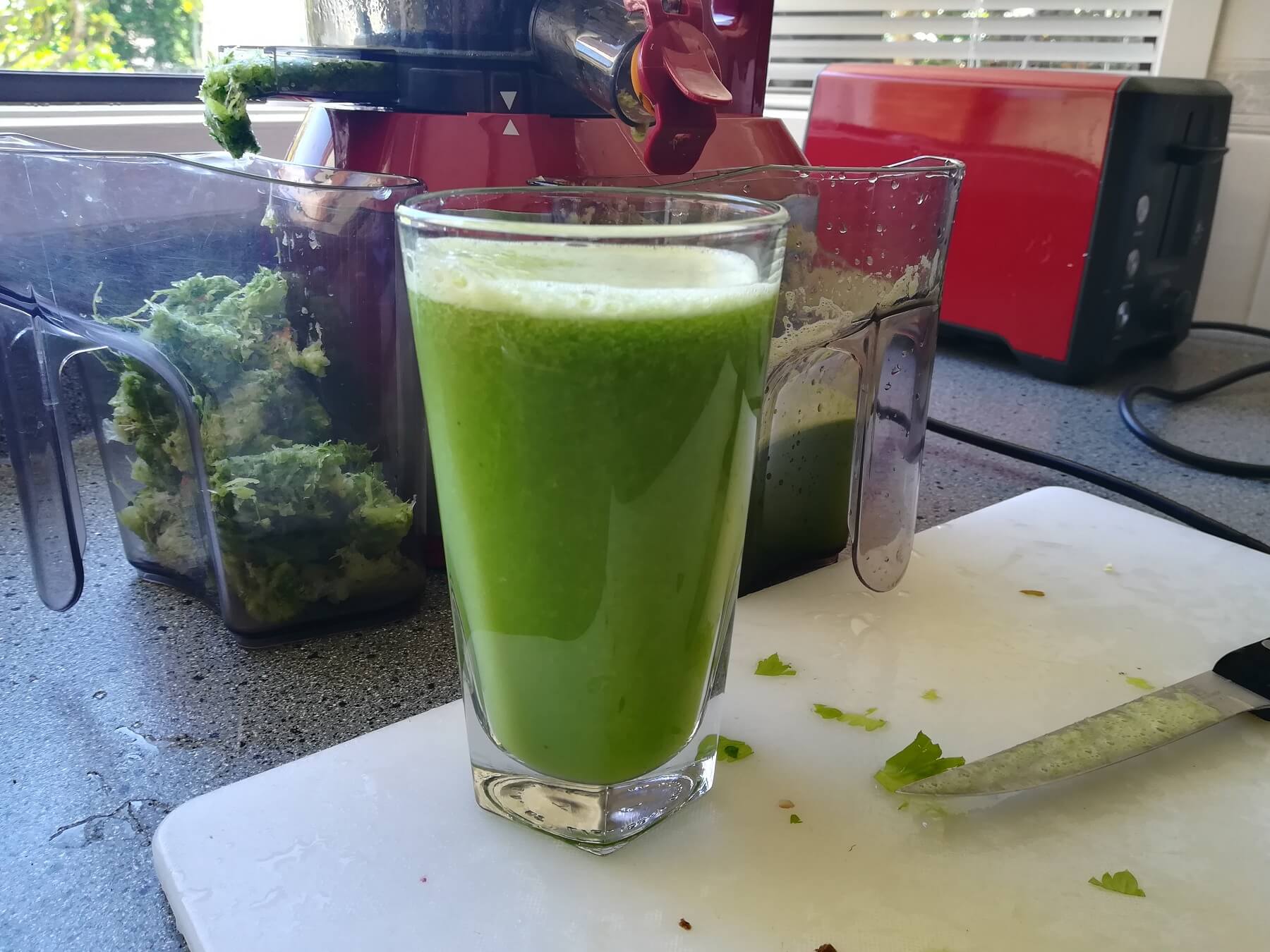
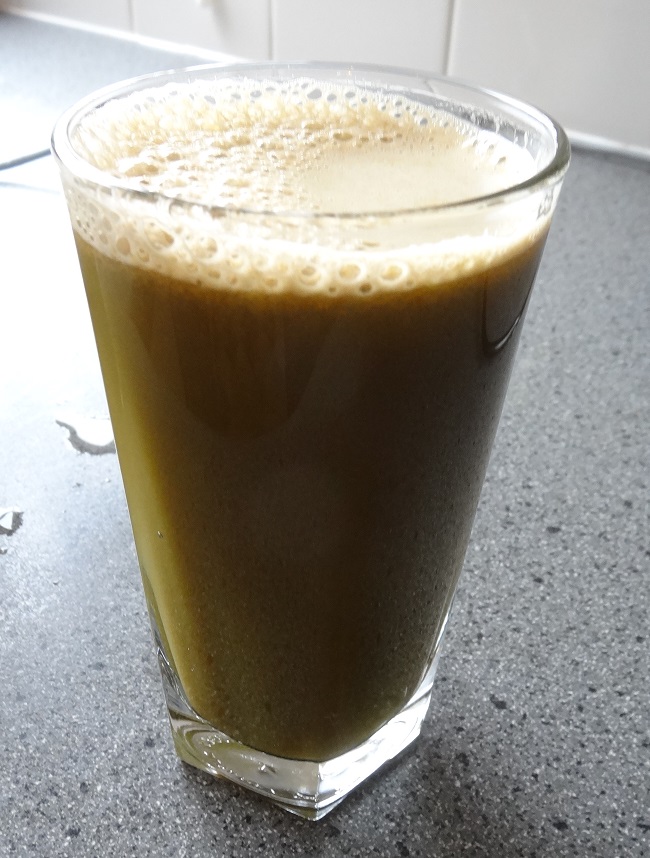
    Every morning I juice up a big bowl of vegetables and get my greens for the day. Sometimes I groan at the thought of driving to the vege shop, washing and cutting everything and then cleaning my juicer. Adding it to the list makes sure I’ll get it done anyway.

    11. 6am wake up

    My day always tends to fly by. I suspected it’s because I wake up quite late (between 9 and 10am). I always read about successful people waking up before sunrise and getting so much done so I thought I’d give it a try. I knew this would be tough – I’ve never been a morning person.

    12. Cold showers

    Cold showers are great for your metabolism, your skin, your testosterone, and just making you feel alive. It’s a great test in mental strength. Not everyone can do it.

    13. Reading

    I’ve been trying to read more books in recent years but I struggle. I know people that read a book a week. I’m lucky if I manage to read five pages a day. Successful people universally recommend reading as much as possible, so I’ve been trying hard to make this a habit.


    The results

    Here’s what my sheet looked like:

    IMG_20160417_112405

    And here’s the sorted data:

    Activity Ticks
    Crosses Tick %
    Cross %
    Juice 27 1 96% 4%
    Salsa class 7 1 88% 12%
    Mobility WOD 23 5 82% 18%
    Duolingo (language study) 22 6 79% 21%
    Cold shower 21 7 75% 25%
    Guitar 19 9 68% 32%
    Reading 18 10 64% 36%
    Yoga 17 10 63% 37%
    Blog writing 13 11 54% 46%
    Headspace (meditation) 8 20 29% 71%
    Book writing 6 18 25% 75%
    MMA class (martial arts) 8 24 25% 75%
    6am wake up 1 27 4% 96%
    TOTAL 190 149  56% 44%

    Out of 13 activities, I had a positive completion rate (above 50%) on 9, and a negative completion rate (below 50%) on 4.

    I scored best on making and drinking vegetable juice each morning (96%), and scored worst on waking up at 6am each morning (4%).

    I only scored above 80% on 3 tasks – juice, dancing and Mobility WODs.

    I had a total of 190 completed tasks (ticks), and missed a total of 149 tasks (crosses), for an overall score of 56%. I think in report card grades that’s around a C or C-, so coming from a Chinese family I’m basically disowned now.

    Here’s what I learned from the experience:

    I let small things get in the way and don’t face adversity well

    My martial arts numbers were among the worst. If you know me, this would be surprising to you because I love going to those classes. For most of the summer, I was at the gym almost every day and never missed a class.

    What happened was I tore a ligament in my arm during the first week of the challenge. The doc said it was a bad tear and I would be out for at least four weeks. If I really wanted to keep training there were things I could’ve done: I could have just done shadow movements at home, watched videos or gone to the gym and watched the classes and still learned a lot. I even told myself I was allowed to tick my sheet if I did something like that in place of training. But I mostly spent the rest of the challenge feeling sorry for myself and giving up.

    I also had to head out of town for three nights, and pretty much did nothing that entire time except for some reading. If I really wanted to, I could have done all the tasks required except for maybe one or two, but I didn’t. The break in my routine upset my momentum and I just went into CBF mode.

    I struggle to be adaptable and need to work on it.

    I hate mornings but I should learn to love them

    I managed to do one 6am wake up and that was at the very start of the challenge. I still remember that day. I woke up semi-inspired, took a cold shower straight away, did my yoga and MWod, made my juice and by the time I sat down at my laptop it was still only 8:30 or something. It felt really good to have ticked so much off the list before the day had even started. However, that feeling when your alarm goes off and you slam it and go back to sleep is one of the most blissful feelings in the world. During my 9-5 years I spent every single morning longing for the day when I would be able to tell my alarm clock to f*ck off and just go back to sleep. I’ve finally won that luxury and it is hard to give it back.

    I will revisit this challenge later on because I definitely see the benefit of this, but holy crap I hate waking up that early.

    I’m not really good at anything

    During the challenge, I realised how bad I am at everything. I’d pick up the guitar and struggle to play the songs in the “very easy” section. Then I’d try to meditate and fall asleep halfway through. Then I’d go to the gym and get my ass beat. I’d go out for a surf and get smoked for two hours. Then I’d fall over doing that horrible yoga pose that I hate. Then I’d sit down to write my book and still have a blank page after thirty minutes.

    There’s nothing that I’m actually good at. In the book Outliers, Malcolm Gladwell studied hyper successful people, and concluded that the average time it takes to become an expert at anything is 10,000 hours of practise. This goes for sports, instruments, arts, anything. That means to become an expert at any of these tasks, I’ll need to practise them for an hour every day for the next 27 years.

    Since I couldn’t even practise an hour a day for four weeks, 27 years feels a little far from the realm of possibility. But we can always try.

    It wasn’t long enough to build any habits

    I was thinking after doing these things every day for a month I’d have developed them into habits. It seems like the opposite is true.

    For example, every morning I’d wake up and do yoga. Although I didn’t particularly enjoy it, I could feel the benefits of it and wanted to make it a habit, especially as I’ve been injury prone recently. It also tied in nicely with meditation, which adds positives to the rest of my work and life. I hoped that doing yoga each morning would cement it into my daily routine, similar to brushing my teeth or making juice – not something I really enjoyed, but something I did because it was good for me.

    The first day after the challenge ended, the opposite happened. I was ecstatic I didn’t have to do yoga anymore. No more fucking yoga. I woke up, made some juice and went straight to my laptop to work.

    I always thought my sporadic interest in things was due to my nomadic lifestyle, but even when I’m grounded in one place I don’t fare much better. It remains a work in progress.

    Cold showers turn you into Superman in 60 seconds

    Unless you live in a tropical country, it is not easy to take cold showers. Doubly so in the dawn of Auckland’s winter. Some days I had to seriously psyche myself up before I was able to get in and turn it on. It is surprising how mentally difficult it is to do. It made me realise how weak I was. Hot water is still non existent in much of the world.

    When it hits your skin for the first time it’s an electric shock to the system. You huff and puff. If you jump around it makes it easier, but I always held my hands behind my back and stood perfectly still for maximum effect. The first ten seconds are kinda miserable.

    I count to sixty. One minute. By this time I feel great. It’s still cold, but no longer a piercing, painful cold. I might even stay in for a second minute. When I get out of the shower I feel alive and invincible.

    Challenge yourself you take a sixty second cold shower every morning for a week. It will surprise you how hard it is.

    My goals weren’t specific enough

    Make sure your goals are SMART (specific, measurable, achievable, relevant, time based).

    Yeah, whatever. I hate little quips like that. They sound like dumb shit your boss says in a performance review to sound smarter than you, right before not giving you a pay rise.

    Turns out, sometimes they’re right.

    I would look at my list and see “Guitar”. I’d pick up the guitar, play around with it for a few minutes and then tick it off the list. For me it was still an achievement just to pick it up and strum a few chords each day, since I’ve been struggling to do that my entire life, with everything.

    The problem was there was no end goal. I needed to have a song to master by the end of the challenge.  For writing, I needed to have a word count to reach. For my language study, I should’ve created a list of words to finish learning. That would’ve given me something more concrete to aim for. I believe in shooting for the stars, but I think this SMART stuff might actually help us get there.

    When I revisit these challenges I’ll be sure to set more specific targets, so instead of just working blindly I’ll know exactly what I’m aiming for.

    I have terrible time management

    I estimate it requires about 3.5 to 4 hours a day to complete everything on the list. That means if I wake up at 6am, I could have everything done by 10. If I need to drive to the gym or to dance class you can add on another two hours, which happens in the evening anyway.

    Yet most days I would get to 10 or 11 at night and still have five or six things left to tick off.

    One thing about going through the traditional education system of high school and university is you get very good at procrastinating. The nature of exam-based achievement means you can literally leave everything until the very end and still have it work out somehow. I am a professional at this.

    Clearly this has seeped into my adult life, and as someone who works from home on his laptop this is doubly troublesome. It is a test of willpower that I fail daily. I have no idea if there is a cure for this. A to-do list is just a band-aid, I need a complete mindset change. I’m working on it!

    I’m learning too many things (maybe)

    We settled earlier that I’m not very good at anything. I think that’s possibly because I’m doing too many things.

    I’m trying to learn to surf, fight, dance, speak Spanish, French, Chinese, blog, play the guitar, do yoga, write a book, and more. Even though I have a lot of fun doing (most of) it, it means I don’t really get to focus on doing one thing and my mind is always scattered. I thought meditation would help with this, but I tend to struggle with meditation because my mind drifts off to all those others things I’ve been doing. It’s chicken and eggish.

    It becomes a question of do I want to become mildly proficient at lots of different things, or become really good at one or two things. Because I don’t have any glaring natural talents at anything in particular, and I enjoy all of the things I’m doing, I think the choice that speaks to me is learning everything and just enjoying the journey. As long as I keep challenging myself and getting better each day, I’ll be proud of that.

    It’s important to be social and around others

    I know now why most artists and creatives become weirdos. Because we spend so much time alone and indoors obsessing over our projects. Similarly, most of the tasks in the challenge I was able to do alone at home. Only two things – fight class and dance class – required me to go outdoors. Because I stopped going to the gym after the first week, I was craving my dance class by the time Tuesday and Thursday rolled around. It wasn’t so much for the dancing; I can practise that at home alone too. It was just to be around some new people and enjoy other people’s energy. It’s also the reason I miss the road so much. The travel community is one of the few places where I can tell people about my life and not get looked at funny. Most people find community in their jobs or at school, travellers find that community out on the road. I don’t get that every day when I’m at home.

    I need to learn to be more present

    I found myself trying to rush through things so I could just tick them off the list and move on. This was particularly true with yoga. Just hurry up and finish these last five poses so I can get outta here. I noticed it became a common theme with most of the other activities too.

    It was constant challenge to remind myself to be present. Instead of rushing through yoga stretches, I had to tell myself to breathe and focus. It reminded of times on the road too, where you can get caught up in the travel whirlwind and forget to appreciate the moment and the amazing places you’re in.

    Now I know while I’m doing yoga, my mind needs to be 100% on yoga. When I’m reading a book, my mind needs to be 100% focused on the words. I need to forget about everything else for that moment. Instead of just things to tick off a list, they need to be experiences that I commit to and lose myself in. Otherwise, it defeats the purpose of doing them in the first place.

    I should make to-do lists a permanent part of my life

    When I interviewed for my first (and only) 9-5 job back in 2007, I remember the HR lady asked me to describe a particularly stressful situation I’d experienced and how I handled it. A friend of mine had warned me about this question and told me the best answer was to say you make a to-do list, prioritise everything and then tick off each item as you finish it. I delivered his answer almost word for word. I told her I was going through work overload at university, made a prioritised to-do list, put my head down and finished everything with ease. It was a lie, obviously. I’d never made a list like that in my life.

    She seemed to like the answer, because I got the job.

    Once I started working there my boss kept giving me little tasks to do, like “send this to that client” and “collect this information for the lawyer”. I just left her emails floating around my inbox and attended to them if/when I remembered. But I hardly ever remembered.

    One day she asked me how I keep track of her requests and I pointed to my head. Her mouth dropped open. She told me that will never work and asked me to write them all down in an Excel spreadsheet and mark them off so she could see when they were done. It actually worked. I don’t think I ever missed a task again. Still, I didn’t think much of it.

    After this challenge, I’m finally realising this to-do list thing actually works pretty well. I will be travelling soon, but I will pare it down and continue doing a shorter version of it throughout my travels. It will be interesting to see how things turn out after 6 months or a year.

    Where to from here?

    This was a personal experiment, but as I started punching the results into Excel I decided I needed to share it. It wasn’t an overwhelming task but I learned so much, so I would encourage you to all try something similar, even if your list has only one or two things such as 20 push ups or a cold shower. The completion rate to beat is 56%. Not hard, really. But your rate is 0% if you don’t even try. Get started!

    For me, as I said I’ll keep going and incorporate this into my life. I will also refine this challenge, repeat it down the line with more specific goals, and I’ll beat my own score. Stay tuned for that.

    Good luck, and don’t be afraid to get in touch and let me know how it goes!

    Bren


    I challenged myself to 28 days of Discpline. Here's what I learned.

  • The Books I Read In 2015

    The Books I Read In 2015

    One of my goals this year was to try and read more.

    I never read. Before this year I’d read maybe five books since high school. I read a couple last year, but this year the challenge was to make reading a habit.

    Why?

    Because it’s the advice that keeps coming up again and again. As it’s usually described – when you read, you get to transfer knowledge from the brain of a very successful person into yours for a few dollars. In total I got through 11 books, almost one a month. By most people’s standards I still probably didn’t read much at all, but I’ve read more books this year than any other year of my life. And I agree with the big dogs – you learn a lot.

    For those of you who want to know exactly what I’m reading, I’ve listed every book I read this year below, with a few notes. I’d also love for you to share your reads of 2015 in the comments, I’m looking to fill up my list for 2016!


    The Art Of Learning by Josh Waitzkin

    “I think a life of ambition is like existing on a balance beam. As a child, there is no fear, no sense for the danger of falling. The beam feels wide and stable, and natural playfulness allows for creative leaps and fast learning. You can run around doing somersaults and flips, always testing yourself with a love for discovery and new challenges. If you happen to fall off – no problem, you just get back on. But then, as you get older, you become more aware of the risk of injury. You might crack your head or twist your knee. The beam is narrow and you have to stay up there. Plunging off would be humiliating. While a child can make the beam a playground, high-stress performers often transform the beam into a tightrope. Suddenly you have everything to lose, the rope is swaying above a crater of fire, increasingly dramatic acrobatics are expected of you but the air feels thick with projectiles aimed to dislodge your balance. What was once light and inspiring can easily mutate into a nightmare.”

    Most people will have never heard of Josh Waitzkin, but the man is anything but ordinary. As a six year old, he found a fascination with chess after seeing men playing in the parks in New York. After beating many of the hot-shots there, he was discovered by a famous chess teacher who took him under his wing. He was quickly recognised as a prodigy and was the subject of the film “Searching for Bobby Fischer”.

    Being the subject of a movie was a big distraction and he claims he was unable to properly concentrate after his newfound fame. Despite dominating the US chess scene, winning every tournament possible and advancing to International Master by age 16, he retired from chess in his early twenties and took up Tai Chi as a way to clear his mind. He describes how he was able to transfer the same learning methods and principles from chess to martial arts, recounting his rise as a competitor in “Push Hands”, the competitive combat form of Tai Chi, eventually leading to a world championship. He has since also expanded his learning to a black belt in Brazilian jiu-jitsu under BJJ legend Marcelo Garcia.

    The Art Of Learning is part “how-to” and part memoir, where Josh shares his unique learning theories that have allowed him to rapidly excel in whatever discipline he chose. An example – when he started learning chess, instead of learning opening sequences and playing full matches, him and his coach would simply play games of king and pawn versus king -he learned the game backwards. This allowed him to better understand the power of the king and pawn, and how to control space. In his own words: “what I am best at is not Tai Chi, and it is not chess – what I am best at is the art of the learning.”

    I feel it’s not the most practical book, perhaps it’s a bit high level for me, but the story and theories themselves are truly fascinating. Would highly recommend, especially for anyone in martial arts or competitive sport.


    Kitchen Confidential by Anthony Bourdain

    “I got, finally, the hands I always wanted. Hands just like the ones Tyrone taunted me with all those years ago. At the base of my right forefinger is an inch-and-a-half diagonal callus, yellowish-brown in color, where the heels of all the knives I’ve ever owned have rested, the skin softened by constant immersions in water. I’m proud of this one. It distinguishes me immediately as a cook, as someone who’s been on the job for a long time. You can feel it when you shake my hand, just as I feel it on others of my profession. It’s a secret sign, sort of a Masonic handshake without the silliness, a way that we in the life recognize one another, the thickness and roughness of that piece of flesh, a résumé of sorts, telling others how long and how hard it’s been.”

    Who doesn’t love Anthony Bourdain? I’ve been a fan ever since I saw him have a foodgasm over a bowl of pho in Vietnam.

    Kitchen Confidential is his no holds barred memoir of his early life as an upcoming chef in New York City. After his graduation from CIA (Culinary Institute of America), Bourdain floated around numerous restaurants in New York, some famous, some not so much.

    There are lots of great stories, sure, lots of drugs and sex and everything else you’d expect in a famous dude’s memoir, but the real treasure of the book was seeing the scars behind the famous guy we see on TV. You see Anthony Bourdain on his travel show being a clown and eating all this delicious stuff around the world and you just think, this guy’s got it made. But he also did long hours at a shitty job peeling potatoes, he also slept in a mouldy apartment unemployed and almost broke, addicted to drugs, hating life. He went through his misery too. So when we see those people on TV living the dream, it helps to know sometimes they crawled through the mud to get there too, just like the rest of us.

    For me, it was less of a chef’s memoir, and more a story of what a man can achieve when he loves what he does and follows his dream, because the ups and downs will test you, but if you push hard enough you’ll come out the other end smiling. Will always be a fan of Anthony Bourdain.


    Eat Pray Love by Elizabeth Gilbert

    “I keep remembering one of my Guru’s teachings about happiness. She says that people universally tend to think that happiness is a stroke of luck, something that will maybe descend upon you like fine weather if you’re fortunate enough. But that’s not how happiness works. Happiness is the consequence of personal effort. You fight for it, strive for it, insist upon it, and sometimes even travel around the world looking for it.”

    Elizabeth Gilbert’s wildly famous memoir tells the story of a successful, married writer in New York City who supposedly has it all, yet is on the verge of a complete mid-life meltdown. Once her divorce is finalised, she drops it all and embarks on a one year journey of self discovery.

    A gastronomic chapter in Italy, a spiritual awakening in India and falling in love in Bali – she documents it all in shameless honesty. For her it’s an endless emotional roller-coaster, full of insecurities, loneliness and self reflection.

    Elizabeth Gilbert can write. You will know her very well by the end of the book. Some people will see themselves in her and others will find her insufferable, but everything she writes is real and she leaves herself open on the page. Even if she drives you mad, you can’t help but respect the realness.

    It’s not a book that I particularly enjoyed (it took me several months to finish it), and I think it’s quite clear I wasn’t the target audience. But as a traveller, it raised many questions to reflect on. What is it about travel that makes it so healing and therapeutic? What are we running from, and toward, when we travel? Is it the people or the places that really make travel so transformational? That’s what made it worth reading for me.

    (If you’d like to know more, I wrote a full review here).


    Fresh Off The Boat by Eddie Huang

    “Dave had no shoes. This was something I noticed was very common with white people down south. They went everywhere with no shoes. Their parents would drive barefoot, then throw a pair of sandals on the asphalt as they walked out of the car and into Publix. I didn’t get it. The bottoms of their feet were all red, there were little pieces of gravel between their toes, and somehow they didn’t care. I mean, Dominicans hate socks and love Aventura, but at least they still got Jordan 7s on. Then Dave invited himself and his stank-ass feet into our house. I liked the guy, but I knew that as soon as my mom saw him walking around on the carpet with his dirty-ass bare feet, she would bug. Everyone knows to take their shoes off in an Asian home, but the fuck you supposed to tell Huckleberry Finn when he rolls in barefoot? There’s no answer for that. It’s unprecedented behavior on our continent, unless you’re a wounded samurai that got his wooden chancletas stolen.”

    When you’re Chinese blooded, but you were born in America, are you Chinese, or American? The same question can be asked of Australian Vietnamese, Canadian Indians and British Africans. It’s a question many people growing up as a minority will be familiar with.

    Eddie Huang is the host of Vice’s Huang’s World, owner of Baohaus in NYC and the personality behind the TV sitcom Fresh Off The Boat. But what he is just as famous for are his views of race, identity, stereotypes and racial issues. Naturally I relate to Eddie’s story of growing up as an overseas Chinese in a western country, and I’m a huge fan, so I jumped on his memoir.

    When you grow up looking different to everyone else, it becomes a part of who you are. It’s something that affects every single minute of your day. Do you belong, or don’t you? It shapes your life, your journey. Eddie writes candidly about his life before 30, and the continuing challenge of finding acceptance as his own person in a society of racial profiles. Mixed in are lots of family hard love, drug dealing, laughs, nuggets of wisdom, many victories, constant hustle and a lot of anger – his story is thrown at you full force in the voice his fans know as uniquely his.

    If you don’t relate, much of it may come off as bitter and over-dramatic. But if you’ve experienced a similar upbringing, you will be nodding, laughing, and rooting for him all the way. Thumbs up from me.


    The Fastest Billion by Charles Robertson

    “Imagine a continent torn by multiple wars, beset by ethnic and religious warfare, malnutrition, disease and illiteracy –all of it complicated by poorly drawn borders, a still potent post-colonial stigma and the incessant meddling of outside powers. With a single exception, per capita income hovers at $400, primary school education reaches only a fraction of the region’s vast population, and its authoritarian rulers ensure any revenue generated by the region’s rich natural resources is spent on personal, rather than national priorities. Too many readers will by now have concluded that the continent referred to above is my own, Africa. In fact, while Sub-Saharan Africa has suffered the same problems in recent decades, the region described above is Developing Asia in the mid-1970s: an area of the world that had endured 200 years of decline, imperial domination and economic stagnation before beginning on the path that would transform it into the most economically vibrant zone on Earth. Just as SSA has suffered through its despots and destitution, so the seedlings of transformation have pushed through the African soil. As an increasing number of economists, investors and financial policymakers have realised, Sub Saharan Africa has emerged from its own malaise, into a dawn that promises growth to rival, if not surpass, that recorded by Asia’s ’Tigers’ over the past two decades.”

    We often hear about the hopeless side of Africa, but this book aims to tell the other side – the side of limitless potential, booming economies, a surging population and a continent on the brink of a revolution.

    I’ve visited Africa almost every year since 2011, and the change is constant and neverending. One family I met in 2011 was living in a small mud house, without water or electricity. In 2012, they had running water. In 2013, they had electricity. This year they had a flat screen TV, a DVD player and smartphones with Whatsapp. Africa is changing quick.

    Every day in Africa medicine is advancing, democracies are emerging and incomes are rising. There are skyscrapers going up in almost every capital. Education is expanding, fast. More people are voting and campaigning in elections. A middle class is starting to emerge. Banking and internet is sometimes more advanced than many first world countries. It is at the forefront of a new age.

    The Fastest Billion explores this emergence, through research, hard data, historic comparisons and basic economic principles. It’s a fascinating look behind the scenes of Africa’s development (for those who are interested), and gives estimates of when, and why, certain milestones will be achieved (literacy rates, democracy, GDP levels). It can be repetitive and even overzealous in its enthusiasm (it is without a doubt the most bullish things I’ve ever read on Africa), but having spent much time on Africa it is understandable why. Things are changing there more rapidly than ever before. If you have an interest in Africa, or are planning to visit for the first time, this book will help you make sense of what you’re looking at – a continent on the brink of change.


    The Undisputed Truth by Mike Tyson

    “A year before I was scheduled to be released, there was talk that I would be granted an early release. A lot of national press people were questioning my conviction. My lawyers were talking to the court and to the Washingtons. Apparently, they had reached an agreement. I would pay the Washingtons $1.5 million and I would apologize to Desiree and I would get out of jail immediately. I didn’t even have to admit to raping her, just apologize for it. Some of my friends like Jeff Wald were pushing for the apology. “Mike, I’d admit to raping Mother Teresa to get the fuck out of jail,” he told me. “If I apologize, the prison in my head would be worse than the prison I’m in now,” I told him. So they brought me to Judge Gifford’s courtroom in June of 1994 for a sentence reduction hearing. I was dressed in denim pants, a light blue work shirt, and work boots. The new prosecutor asked me if I had anything to say. “I’ve committed no crime. I’m going to stick with that to my grave. I never violated anyone’s chastity.” That wasn’t what anyone wanted to hear. They sent me right back to jail.”

    As a fight fan, I love Mike Tyson. I’ve watched almost all his fights, watched all his interviews. He’s a warrior. But after reading his story, I can truly say I admire him. Mike Tyson’s story is a hard one. After reading his memoir I can’t even understand how he’s still alive, let alone how he became one of the greatest fighters of all time.

    The book starts with vivid recollections of his troubled childhood, until he’s taken in by legendary boxing trainer Cus D’Amato. He then documents his rise to becoming youngest heavyweight champion of all time, his up and down boxing career, his debilitating battle with sex, drugs and alcohol, his rape conviction, recounts of his time in prison, how he hits rock bottom after his team, and the world, turn on him, and his eventual journey to finding happiness as a father and husband.

    It’s a story of the highest highs and the lowest lows, from a man largely misunderstood. The media, as always, tells you what they want you to know. The memoir fills in the gaps behind the headlines. He is truly a man who has survived it all, and I’d love to shake his hand one day. Best book I read all year.


    Models by Mark Manson

    “Men don’t seem to understand that if a woman rejects him because he’s short, or because she doesn’t like his hair, or because she finds him boring, then he wasn’t going to enjoy being around her anyway.”

    Mark Manson is a blogger I’ve followed for a while now (he should be familiar to many of you too, I share a lot of his articles!). His first book, Models, is a book about women, or more specifically, what men should do to improve their relationships with women. It feeds from his experience as a self-help writer and a dating coach.

    I found it a case of somewhat over-complicating things (he himself concedes this in the book) but there’s a lot of wisdom in here. He breaks down situations a lot of guys will be familiar with, and analyses them in a way that will make you go “I never thought of it that way.”

    Mark shows, although not explicitly, how your success with women is a greater reflection of what is really going on behind the scenes in your life. Using your relationships with women as a vehicle, he asks you the tough questions you need to answer in order to be the man you want to be. Of course, positive change in your dating life inevitably will feed into all other areas of your life. I feel like that is the greater purpose here.

    For me, it wasn’t so much a dating book. It was a book about how to be a man in today’s world – about finding your truth, finding confidence, being self-aware and answering to yourself honestly. Who are you? What do you want? And do you have the confidence to be that person and chase those things? From what I’ve seen, male self esteem seems to be at an all time low in my generation. In the book, Mark touches on the idea of a “new masculinity” – an idea of what it means to be a strong, confident man today, and staying true to your masculine instincts in our changing society.

    A good read for guys in their twenties finding their way in the world.


    Open by Andre Agassi

    “I play a kid I recognize from juniors, Pete Something. Sampras, I think. Greek kid from California. When I played him in juniors, I beat him handily. I was ten, he was nine. The next time I saw him was some months ago, at a tournament. I can’t recall which one. I was sitting on a beautiful grassy hill beside my hotel, just after winning my match. Philly and Nick were sitting alongside me. We were stretched out, enjoying the fresh air, and watching Pete, who’d just taken a beating in his match. He was on the hotel court for a post-match practice, and nearly every ball he hit looked bad. He missed three of every four swings. His backhand was awkward, and one-handed, which was new. Someone had tinkered with his backhand, and it was clearly going to cost him a career. ‘This guy will never make it on the tour,’ Philly said. ‘He’ll be lucky to qualify into tournaments,’ I said.”

    I grew up watching Andre Agassi play tennis. My Mum was a big tennis fan and I spent many nights watching Andre Agassi and Pete Sampras duke it out on TV with my brothers.

    As an old fan, learning the story behind this guy was fascinating. We learn he hated tennis from a young age, and if it weren’t for his obsessive father who built a court in their backyard so he could train non-stop, he wouldn’t have been a tennis player. We learn he was so embarrassed about going bald he wore a wig during the French Open final, and was so paranoid about it falling off that it lost him the tournament. As a tennis player, he was wildly talented and a total outlier. As a human, he was just like the rest of us.

    The storyline is all tennis – his childhood as a prodigy, his rivalry with Pete Sampras, his hate for Wimbledon and the French Open, but the message is about loyalty, family, and what it really takes to be the best in the world. If you’re an old Agassi fan, you will absolutely love it.


    On The Road by Jack Kerouac

    “The announcer called the LA bus. I picked up my bag and got on, and who should be sitting there alone but the Mexican girl. I dropped right opposite her and began scheming right off. I was so lonely, so sad, so tired, so quivering, so broken, so beat, that I got up my courage, the courage necessary to approach a strange girl, and acted. Even then I spent five minutes beating my thighs in the dark as the bus rolled down the road. You gotta, you gotta or you’ll die! Damn fool, talk to her! What’s wrong with you? Aren’t you tired enough of yourself by now? And before I knew what I was doing I leaned across the aisle to her (she was trying to sleep on the seat) and said, ‘Miss, would you like to use my raincoat for a pillow?’”

    There are a few names in the travel community that everyone knows – people who are considered the OG’s of the road. Jack Kerouac is one of them.

    His adventures hitch-hiking across America are now cemented in legend and his books appear on pretty much every “Top Travel Books” list there is. Even Bob Dylan wrote “I read On The Road in 1959 and it changed my life like it changed everyone elses.” How can you not read it after that?

    On The Road is a memoir of Kerouac’s documenting his journeys across America during the 40’s with friend Dean Moriarty. While Kerouac’s character is kind of reserved, Moriarty could be described in today’s terms as that boozy Australian backpacker who’s been travelling forever doesn’t give a shit about anything. It’s a potent mix.

    In the end it’s not the wildest story, but I don’t think it’s meant to be. Instead, it represents an idea and a lifestyle, one of freedom, exploration and blazing your own trail. While some will question what kind of life he’s trying to chase, others will understand him completely.

    To be honest, I struggled through it. I almost gave up around 50 pages in, not because it was boring but just because of the old style of prose it was written in. In the end, I got through it. It had some great moments but it wasn’t for me. I feel like you need to be an American (or at least have travelled America) to really enjoy it. He would write to the tune of, “And we were back in Virginia, so you know what that means.” Well actually no, Jack, I’m from New Zealand, so I have no idea what that means. Still, I’m glad I finally read it.


    What I Learned Losing A Million Dollars by Jim Paul

    “I made $248,000. In one day, a quarter of a million dollars. The high was unbelievable. It’s literally like you expect God to call up any minute and ask if it’s okay to let the sun come up tomorrow morning.”

    This book came highly recommended from quite a few people. It documents Jim Paul’s incredible run of success as a trader of lumber and bean oil, amassing over a million dollars in profits over a few years, to finally losing it all on one bad trade.

    The first half of the book is a memoir. It tells his early beginnings as a hustler at the golf club he used to caddy at when he was a kid, to his rapid rise as a floor trader in New York, and how a love of money and shiny things had consumed him from a very young age. His love for money takes him into an upward and downward spiral of risky trading, somehow coming out on top on every trade, making over a million dollars in a few years and having absolutely everything. Then it all comes tumbling down.

    The second half of the book is reminiscent of a university textbook. He talks about different trading strategies, with the focus on being how to not lose money, rather than how to make it. He justifies this approach with the fact that while all successful investors have rules that contradict each other (some diversify, some don’t, some trade long term, some short term), they all have one rule in common which is: don’t lose money. He then explores the psychological side of trading, under the broad idea that to be rich you should focus on not losing money, rather than making money. To be honest you need a background in finance or accounting to really understand the second half. If you’re not familiar with terms like margin call, short selling and futures, it will be mostly gibberish to you.

    Still, a fun read for those who are interested (and if you’re in the markets you should definitely read it!)


    Making Mavericks by Frosty Hesson

    “To say that Mavericks isn’t for kids is doing it an injustice. It’s hardly for people. I’d been surfing it for seven years when Jay had his life-altering moment. I had seen world-renowned big wave riders paddle out, take one look at the building-sized, dark green wall of ocean rushing at them with such incredible force that the water actually gets sucked backward up the face of the wave, and then just turn around and go home. These were people who’d conquered breaks all over the globe, but they simply wanted nothing to do with Mavs. Jay, though, he wanted to slay dragons.”

    When Jay Moriarty wiped out on the famous building-sized waves at Mavericks, he became a household name, at least in the surf community. Taking on the granddaddy of big wave surfing at age 16, no one could be believe he survived the wipe out, let alone paddled back out to catch another wave a few minutes later. Some people were just made to be legends.

    Making Mavericks is the memoir of big-wave surfer Frosty Hesson, a Mavericks regular and Jay Moriarty’s mentor/coach. There are a lot of ingredients to this story – first, it tells the colourful story of Frosty, who has been a surfer at heart ever since he touched the ocean. Second is the story of Jay, one of those rare people who manages to capture the hearts of an entire community. And lastly, the stories of Mavericks, the mythical waves that only few dared to surf.

    Most people outside the surf community will have never heard the names Frosty Hesson or Jay Moriarty, and in my mind that’s what makes the story so compelling. They were regular guys like the rest of us, with jobs and families and bills – it’s what they stood for that made them special. Making Mavericks is a charming tale of friendship, community, finding your peace and chasing dreams, even when life isn’t always perfect. I loved it.


    What did you read this year? What should I add to my reading list for 2016? Let me know in the comments below!

  • Four Things I’m Doing Each Day To Become More Awesome

    Four Things I’m Doing Each Day To Become More Awesome

    “We get a little better or a we get a little worse every day. Let’s get a little better today.”

    – Jason Street


    I push self-improvement a lot on this site, and travel is often a vehicle to reach those goals, rather than the goal itself. Last year I wrote about the joy of learning something new, and I’ve tried to give you ideas to find your own ‘something new’ by sharing my own pursuits, whether it’s learning Spanish, French, Chinese, martial arts, dancing, cooking or whatever else I manage to come across while I’m out there.

    Sometimes these things can look a little grand, so today I wanted to bring it back down to ground level. Learning new things doesn’t have to be a big elaborate affair you need to travel around the world to do. Over the past couple of years I’ve been adding new things to my daily routine, most of which don’t take up much time or money at all (in fact, they’re all free).

    This is my “Daily Four”, and no matter how busy I am I make a special effort to do them all each day.


    Yousician

    yousician

    Yousician is like that video game Guitar Hero, only you use a real guitar, and you learn actual guitar skills. Before each level there is a short video tutorial teaching you some new chords, or new strumming or picking pattern, and then you go onto the game where you’ll practice those new skills and try to pass the level. It’s fun, challenging, and you’ll definitely learn something.

    I have a paid account, but you certainly don’t need one. You can use it free for up to one lesson daily, and even after that you can have unlimited practice time on the lessons you’ve already passed. This is the newest addition to my daily exercises, and probably the funnest, too.

    Cost: Free, with paid options available.
    Time needed: Around 10-15 minutes a day.
    Get it at: www.yousician.com
    Add me: Feel free to add me to your friends list! My username is brenontheroad.


    Headspace

    headspace

    Meditation has always been a ‘hocus pocus’ lala land thing to me, until I learned that Arnold Schwarzenegger claimed daily meditation “changed his life” during his early years of fame. Since Arnie is one of the baddest dudes ever invented, I got interested. For the last year or so, I’ve been practicing meditation using the app Headspace.

    As I’ve adopted a more minimalist lifestyle over the last four years I’ve noticed how beneficial it is to live an uncluttered life, but I never realised the mind could be cluttered in the same way. As I learn to meditate, I’m starting to learn to focus the mind and stay relaxed and stress free. Any time I’m working on something that’s starting to piss me off, I’ll do a Headspace lesson and always end up feeling clear and ready to go afterwards. It’s like sending your brain to the gym.

    The first module is free, and I actually was doing it over and over again before I finally decided to upgrade. Even if you just do the free lessons I’m sure you’ll find it awesome, so I definitely recommend it!

    Cost: Free, with paid upgrade available.
    Time needed: 10 minutes a day.
    Get it at: www.headspace.com


    Mobility WOD

    mwod

    Kelly Starrett is a mobility guru and has a Youtube channel called Mobility WOD, dedicated to helping you prevent injuries and gain increased mobility, flexibility and strength. These videos literally changed my life.

    I suffered a bad shoulder injury two years ago that left me unable to do any type of exercise without serious pain in my right arm – even push ups were painful. As someone who loves the gym and playing sport, this was almost unbearable so I just trained through the pain which obviously made things worse. Even lifting my arm in salsa class to spin my partner around started to hurt.

    Over those years I visited 3 different physios, had an ultrasound, a steroid injection, an x-ray, an MRI, saw my GP multiple times, a shoulder specialist yet still nobody could fix it. The pain became a normal part of my life. I was ready to become that old guy who can’t do shit because he “has bad shoulders”. When I learned Clayton from Spartan Traveler had overcome similar issues with his knee, I emailed him and he introduced me to Mobility WOD. He explained to me that if the MRI showed nothing, it probably wasn’t an injury – it was just battered tissue that was twisted and tight and positioned badly, probably from years of bad posture or movement. He explained since nobody has perfect posture or movement, this basically happens to everyone as they get older. That’s where Mobility WOD came in – a collection of exercises designed to unglue tight and ropey soft tissue, loosen the muscles and correct bad postures and movements so you could move freely again, like you did when you were a kid.

    After years of dead ends that was the first logical explanation I had heard, so I excitedly searched all the shoulder Mobility WODs and did every single one of them. They were pretty weird, but I felt them work almost immediately. Within a few days my shoulder had improved ten-fold, maybe to 80% health. Within a week I was back in the gym lifting weight. I couldn’t believe it. The solution was so simple yet thousands of dollars in medical advice from various “experts” in various countries wasn’t able to give it to me. I tweeted Kelly Starrett and told him his videos were freaking life changing.

    Mobility WOD or Mobility Workout Of The Day is designed as a daily exercise. It’s now the first thing I do in the morning. Every day it’s a different muscle group so it keeps it interesting, and often I’ll redo old ones if I found them particularly effective, especially on my shoulders. It’s completely changed the way I exercise, not to mention giving me my shoulders back which is something I can’t even describe.

    I would recommend this to absolutely everyone, regardless of age, gender or fitness level.

    Cost: Free.
    Time needed: Around ten minutes a day.
    Get it at: Mobility WOD on Youtube

    Also: Vinnie Rehab on Instagram is also really good!


    Duolingo

    duolingo

    You know how much I love to learn languages. It enriches your travel experiences and is always a valuable endeavour regardless of whether you enjoy travelling or not.

    Duolingo is a language game, where you finish lessons and earn points, gems and gain new levels. The Duolingo team claims it’s been proven that 34 hours of playing is the equivalent of one university semester of language tuition – whether or not that’s true I don’t know or care. I do know it’s pretty fun and your language skills will definitely improve.

    I usually play in the morning while lying in bed, and get through around two or three lessons per day. I’m currently using it for Spanish and French only, but as an English speaker you’ll have 14 different languages to choose from. Way more fun than memorising verb tables.

    Cost: Free.
    Time needed: Around ten minutes a day.
    Get it at: www.duolingo.com
    Add me: Feel free to add me to your friends list! My username is brenontheroad.


    What you may have noticed is that none of these things require more than ten minutes a day, and all of them are free. Just a small investment of time each day and you can be learning an instrument, speaking a second language, building a strong, injury-free body and a creating a more focused and happy mind. This is my Daily Four, and you’re more than welcome to steal it and adopt it as your own.

    Enjoy!

    Bren

    Note: I pay for all my memberships in full (where applicable) and this post is not sponsored in any way. You can read my Disclosure Policy here.

  • A Beginner’s Guide To Studying Chinese In China

    A Beginner’s Guide To Studying Chinese In China

    Learning Mandarin seems to be the global craze these days. People from every corner of the world are flocking to China and many universities have entire campuses dedicated solely to the teaching of Chinese to foreigners. International students are spending thousands of dollars to live and study Mandarin in China’s top institutions, some even coming straight from high school and forgoing traditional degrees in their home countries altogether.

    But what are the real benefits of learning Chinese and what might you expect should you choose to dedicate a few years of your life to the language?

    As a foreign born Chinese, I felt compelled to return to my homeland to learn more about the people, the culture and the language of my ancestors. My reasons for moving to China were more cultural than anything else, so my experience might be coloured differently to yours. However, speaking as a student alone I believe my experiences could be very valuable to you should you find yourself thinking about an extended journey into China.

    How long will I need?

    I’ve studied a handful of languages in my time and Chinese was the most difficult by a long shot.

    If you go in as a complete beginner, most university courses will require just over 2 years for you to reach a “fluent” level, assuming you are doing a full time course (around 20 hours per week).

    The university I studied at had 9 levels, (A to I, with “A” being complete beginner and “I” being fluent) and in a semester you would complete two levels. Therefore to complete A to I would require 5 semesters. That works out to just over 2 years, assuming you pass every exam.

    Technically you can also do summer school each year which might reduce your time to 18 months, although this means you’ll be in the classroom studying Chinese full time for 18 months with no holidays which won’t be much fun.

    Here are some exceptions I’m aware of:

    1. You’re Japanese – Because Japanese people can already read and write a crapload of Chinese characters, they don’t need 2+ years. They may only need one. Probably 70% of Chinese study time relates to reading and writing, and Japanese Kanji in many cases is identical to its Chinese counterpart. The Japanese people in my beginner level class were able to read an entire Chinese menu before we’d even learned our first character.
    2. You speak Cantonese – I don’t speak Cantonese, but just from all the years listening to Cantonese chatter among my friends and family I was able to recognise the Mandarin words for quite a lot of things. I had a couple of Cantonese speakers in my beginner class and they were able to understand taxi drivers and waitresses before we’d even learned how to count to 5.

    If you fall into one of these groups, you’re lucky – you’ll learn Mandarin a lot faster than the average student. To give you an idea of what I’m talking about, it’s a bit like native English speakers learning Spanish.

    Imagine it’s the first day of Spanish class, and you see the words teléfono, restaurante, refrigerador, elefante, and television written on the board. You can’t speak one lick of Spanish but just by looking at the words you already know what they mean (if you’re a little dense, it’s telephone, restaurant, refrigerator, elephant and television).

    However a Japanese person who has no knowledge of English would not have a clue what the words mean. To him they’re just going to look like a bunch of scribbles, or perhaps a wavy, elongated piece of art.

    When you’re studying Chinese, the tables turn. You’re the one seeing scribbles, and the Japanese/Cantonese guy is the one who already knows everything.

    Read more: How To Speak A New Language In Seven Days.

    How difficult is it?

    Mandarin is a language that is both tonal and character based. This makes it unique from any other foreign language that I know of, which are often one or the other but not both. It’s for these reasons Chinese is considered one of the more difficult languages to learn for native English speakers.

    Tones

    Tonal languages are notoriously difficult and learning how to speak in tones is mostly a foreign concept to native English speakers. We use tones to convey feeling and emotion – it doesn’t matter whether we say the word hungry in an upward tone or a downward tone the end result is we’re still hungry.

    Not true in Chinese. For example, the words shúi, shuǐ and shuì mean who, water and sleep. The words are spelt exactly the same, however they are differentiated by the tone you say it in (represented by those dashes above the word). Therefore, you might be dying of thirst and telling your Chinese friend you need water, but if you say the word water in the wrong tone he might go upstairs and make up a bed for you thinking you need a nap. Or you might ask the waitress how much a water costs and she’ll end up slapping you thinking you’re asking how much it costs to sleep with her. These scenarios are not uncommon.

    The tones come easier to some people than they do to others. It’s common to find students who can recognise and reproduce each tone after a few days and some who still can’t tell the difference after several years. Whether it will prove difficult for you depends on your own ear and whether it comes naturally to you or not.

    Characters

    When learning English we need to learn to write 52 characters – 26 letters, upper and lower case. Remember how hard it was learning to write them all exactly how the teacher wanted?  However, armed with our 52 letters, we can now read and write every single word in the English language, even if we might not know the meaning.

    Chinese on the other hand has no alphabet. It’s a character based language which means it has a unique character for every single word that exists. Therefore you’ll need to learn how to read and write around 4,000 unique characters before you can read a newspaper, maybe 6,000 to read a typical university textbook and upwards of 20,000 if you want to study medicine.

    This is not difficult per se, as in you don’t need to be particularly intelligent to do it. It’s rather just very time consuming and requires a lot of dedication and study time. This can be a good or bad thing, depending on the individual learner.

    While I was studying Chinese I found that 70% of class time was dedicated to reading and writing characters. When preparing for exams, my entire study time was sitting in a café writing out pages of characters trying to memorise them. If you can’t read the characters, you can’t read the exam questions and if you can’t read the exam questions, you can’t answer the exam, and if you can’t answer the exam you can’t pass and if you can’t pass you can’t advance to the next level – do not pass Go, do not collect $200. So with no other choice I memorised them, and I didn’t enjoy it very much.

    I was told by my teacher that when primary school students learn a new character they are asked to write it out 100+ times every day. It kind of makes you understand why Chinese people have a reputation for studying so hard. They’ve been spending hours memorising these damn little pictures since the first day of school!

    Now, in my opinion studying language should be fun, and this part of studying Chinese is rarely fun. I believe a valid alternative is to forget about the writing aspect altogether. Learning to read is manageable but learning to write is where the bulk of your time will go to. I believe you can cut your learning time in half if you forgo the writing component and just concentrate on speaking, listening and reading, in that order. This approach is becoming popular, and there are now schools in China offering courses where only speaking and listening are taught and character learning is forgotten. Because I studied at a university, I had no choice. My exams needed to be passed or I would’ve lost my scholarship, and therefore I spent the hours needed to memorise all the pictureboxes so I could pass my reading and writing exams. However, I really advise that new students consider whether it’s important to them to read and write Chinese. If you think speaking and understanding Chinese is sufficient for your needs, you may find the investment required for reading and writing simply not worth it. And remember – just my opinion.

    Choosing a city

    As with every language, immersion is the key to effective learning. If you’re serious about learning Chinese you absolutely must be considering spending some time studying or at least living in China. I spent hours scouring forums and blogs trying to decide which city might be the best for me. In the end I chose Shanghai, so that is the only city I can speak about from experience, but let me say that after spending time in the country I now believe the city you choose will not matter a whole lot. Here’s why:

    While researching cities there were many common criticisms that were repeated over and over again – weather in Shanghai is shit. It’s too hot. It’s too cold. They don’t even speak Mandarin, they speak Shanghainese. You’ll end up learning Shanghainese instead of Mandarin. There aren’t even any Chinese people there, only foreigners. You’ll just speak English the whole time. It’s so expensive. Way more expensive than the rest of China. There’s no culture there. Just commerce. It’s not even the capital. Shanghai doesn’t even exist. It’s a magical world like Atlantis. You’re going to die. People are going to eat you.

    So, naturally I chose Shanghai. Yet as developed as it is, Shanghai is still very Chinese. There are certainly a few foreign dominated areas where you’ll only see white faces but the majority of the city is still yellow faced. It’s expensive if you eat at Italian restaurants, but the noodle shack on the side street will still feed you for $2. Every local speaks Mandarin unless he’s mute or over 100. You can’t speak English the whole time because 99% of locals in Shanghai don’t speak any. The point is, Shanghai is China’s most international city and it’s still a great place for immersion learning, so I’m confident every major city in China will serve you well in this regard.

    Therefore, the city you choose should depend on your other preferences – big city, small city, hot weather, cold weather etc. For this you’ll need to do your own research. But certainly don’t be put off by people saying you can only learn Chinese in Beijing because Shanghai people have shit accents and Guangzhou people can’t even speak Mandarin. It’s bad advice from silly people.

    Choosing a school

    Once you’ve chosen a city you need to choose a school. You may have already decided that you want to study at the famous Beijing Language and Culture University because everyone talks about it, or at Peking University because it’s the top ranked school in the country.

    At first I was basing my decision on which school had the best teachers and the most effective course. After having studied there for a year, I’m of the belief that it doesn’t really matter which course you’re in as the language is so systematic and cannot really be taught in too many different ways. How well you learn will mostly depend on how much time you spend practising and revising, which is obviously irrelevant to who your teacher is and which textbook you have. It’s not going to matter whether you’re writing out characters in a Beijing classroom or a Chengdu classroom. Of course not every course will be identical, but most universities model their courses around the HSK program (kind of a like a Chinese version of IELTS), which means they will all take a somewhat similar direction anyway.

    Rather than basing your decision on course quality or teaching quality, try choosing your school based on cost, facilities and location. What’s important to you? I studied at Fudan University, which had an amazing campus complete with gym, massive cafeterias, and a decent quality international students dormitory. It also had good classrooms, free wifi, fast internet in the dorms, and a large foreign student community. However, it’s obviously more expensive than some boutique schools and smaller universities.

    Fudan University Dorm Room
    Foreign student’s dorm room at Fudan

    Fudan classroomTypical Fudan University classroom

    If you want to live closer to the city centre in Shanghai, you might choose Jiaotong University, or a cheaper option might be Donghua University. For a smaller and probably cheaper school you might choose East China Normal University (ECNU) or SISU (Shanghai Intl Studies University), which both have good reputations and are a little less “cliché”.

    Scholarships

    I was lucky enough to be awarded a scholarship for my one year of study. This included:

    • All tuition fees paid
    • All accommodation paid
    • A monthly allowance of around $300 for food, transport etc.
    • A small allowance for textbooks
    • Health insurance
    • Your choice of (almost) any university in the country

    I chose to study at Fudan University in Shanghai, and all up I estimate the scholarship was worth around $10,000.

    Needless to say, my advice is to apply for this scholarship! My particular scholarship was the New Zealand – China scholarship from the Confucius Institute of the University of Auckland (link here)

    For more information, you can check out my post on how to get a Study in China scholarship here.

    What to expect

    If you’re in a university or school environment, expect to meet a lot of people from everywhere. It’s not like language schools in Spain where people are mostly from Western Europe, or down in South America where people are mostly American. China draws people from every corner of the world. My first class had one Korean, one Japanese, three French, one American, two Mexicans, one Spanish, two Brazilians, one Hungarian, one Australian, one girl from Hong Kong and one girl from the Bahamas. In comparison, my first Spanish class in Spain had ten students, and every single one of them was from Europe except for a lone Japanese guy (and me, of course).

    In class Fudan Morning class at Fudan

    As for living, China is a unique place. I won’t go into the details of living in China, but just know you won’t starve and you won’t go broke and it’s very safe. You’ll get used to it.

    In terms of class time, you’ll be mostly learning tones and basic phrases for the first couple of weeks. The speed is manageable and there is bound to be someone in your class who is having a harder time than you…hopefully. The first two weeks will start with pinyin which means using English letters to write Chinese words. For example, the word for water, can be written in pinyin as shuǐ , or in Chinese as 水. Obviously pinyin is easier, which is why you start with it, but characters will probably start being introduced within a couple of weeks.

    There is not a lot of grammar in Chinese, at least in comparison to English, so you’ll find a lot of your study will revolve around learning new vocabulary and phrases with the odd grammar point here and there. Typically you can expect to learn around 30 new characters a week on average.

    After half a semester you’ll be expected to be able to get around on your own, for example, asking which train to catch or where the bus stop is, as well as being able to read and write those phrases in Chinese. A typical writing exam question at the end of your first semester might be “write about what you did on the weekend”. You’d be expected to write (in Chinese characters) something like I woke up at 8 o clock, I had breakfast at a cafe with my friend, I did homework, I ate at a restaurant with my classmate, we ate whatever, I rode my bike to wherever, I went to sleep at 10pm etc etc. This might seem simple for a few months work but remember, it might only take you a few days to learn to say all that but it will take you a lot longer to learn (and remember) how to write it.

    You can expect to have learned the majority of basic grammar after a full semester, being able to say most basic things you would need to say (perhaps not perfectly but you’ll get your message across). After that it’s just a matter of expanding your vocab and learning the odd advanced grammar point to make your Chinese sound more ‘natural’.

    Expect to be able to complete HSK3 after a semester, HSK4 during your second semester and HSK5 after a year if you’re a good student. I only know one guy from my class who even bothered to attempt HSK5 at the 1 year mark, and he passed (he was Japanese). The rest of us sort of knew we wouldn’t pass it so we didn’t try.

    For those who don’t know, HSK5 is the level required to enter university in China as an undergraduate, i.e. to start doing a proper degree at a Chinese university.

    Visa

    China is pretty anal about visas so the visa process is basically a hoop jumping festival that lasts several months (for me anyway).

    You’ll need a medical exam completed by your doctor for the entry visa application, the university application and then the residence visa application in country. Photocopies aren’t accepted, so make sure you get three, handwritten copies of your medical exam for each application, otherwise you’ll end up paying for three seperate medical exams like I did. There’s a bunch of other crap too but it’s all explained to you once you get into the country.

    Internet

    One other thing to note is that many sites are blocked in China, such as Facebook. If you want to access those, you’ll need a VPN. I recommend using Private Internet Access.

    One Final Tip: Study To Improve Your Chinese, Not To Pass Exams

    Most students structure their study around trying to pass the HSK exams. The problem with this is it requires you to learn how to read and write a lot of words that you will never use and probably don’t even use in English. Therefore, I’d advise against this approach unless there is a real reason that you need to acquire HSK, i.e. to gain university entrance, job requirements etc. If I could do my scholarship all over again I would spend far less time writing out characters in coffee shops and instead spent it listening to audios and practising my speaking. My grades would’ve definitely slipped but in hindsight that is not important at all. You’ll find yourself in situations every day where you wish you knew how to say something, but there was not a single real life situation during my year in China that required me to write Chinese. Remember that you’re learning Chinese so you can communicate with people; not to pass an exam.

    Just do it

    I spent countless hours researching studying Chinese in China before I finally decided to do it. Some things turned out exactly as planned and some things didn’t. I can say though it was an incredible experience and one I recommend to everyone. As we all know, China is booming and it’s an incredible place in the world to be right now. If you’ve been thinking about doing something like this – just get on the plane and go.

    Questions? Feel free to get in touch or leave a comment below, I’ll be more than happy to help in any way I can!

  • Blogs I Was Reading In 2014

    Blogs I Was Reading In 2014

    As the end of 2014 approaches, I thought it would be nice to share with you the blogs that I’ve been reading this year. As many of you know, 2014 was the first year of blogging for me, and there were many blogs I looked to for inspiration as I waywardly tried to find my way in the blogging world. I follow the blogs listed below mainly because they make for great reading, but I also wanted to mention them here as a way of showing my appreciation to the writers behind them. If any of you are reading this, thank you! I learned from all of you.

    If you’re looking to pack out your blog reading list for next year, look no further…

    Spartan Traveler

    “We have access to more information on our iPhones than any other humans have had in history, and that rate of information-sharing synthesis is only accelerating, in every field. Let me underscore this point: the same amount of information is available to everyone. It’s all out there in a how-to blog post or book somewhere. All you have to do is dedicate the time and energy to find and learn it.” 

    -Clayton Cornell in 22 Things I Learned As A Digital Nomad

    Who is he?

    Clayton from Spartan Traveler is a new-ish digital nomad who always writes extremely practical, informative posts about online business, travel, health, and life in general (around the world in $220, anyone?). His travels have taken him from Asia to Latin America to Europe and beyond, all while building internet businesses from his laptop. I instantly related to a lot of his writing, probably because him and I tend to have similar outlooks on life, are a similar age, and both share a love for travel.

    My favourite post:

    How I Broke My Body And Then Fixed It

    For almost all of 2013 and 2014, I dealt with a shoulder injury that prevented me from exercising. Then I came across this post, which ended up being the single most thorough and helpful piece of information I ever consumed on dealing with long-term injury – and that includes consults with several doctors, physios and specialists in a number of different countries. I also emailed him for some advice, and he turned me on to a couple of books and, most importantly, body maintenance videos from Mobility WOD. The post is extremely thorough and thanks to his advice, my shoulder has improved tremendously and is well on the way to recovery. I seriously would’ve paid Clayton for this post – it’s literally changed my life.

    Find him at:

    Blog | Facebook | Twitter


    Mark Manson

    “If I ask you, “What do you want out of life?” and you say something like, “I want to be happy and have a great family and a job I like,” it’s so ubiquitous that it doesn’t even mean anything.

    A more interesting question, a question that perhaps you’ve never considered before, is what pain do you want in your life? What are you willing to struggle for? Because that seems to be a greater determinant of how our lives turn out.”

    -Mark Manson in The Most Important Question Of Your Life

    Who is he?

    Mark Manson is a modern thinker who writes such succinct and insightful articles that I often find myself reading them 4 or 5 times in a row, or simply just sitting there afterwards in silence thinking about my life. I don’t agree with everything he writes, but I can always tell that his messages come from a place of honesty and clear thinking, which is the most important thing. He’s also one of the few prominent bloggers that writes about men’s issues today, which are often swept under the rug, ridiculed or ignored. I’ve found that the wisdom he shares in his writing could only come from someone who has travelled extensively outside his borders, has experienced high levels of both success and failure, and has willingness to accept both the good and bad in the world. More than anything, his writing inspires reflection and thought, which is what everyone needs from time to time.

    My favourite post:

    The Most Important Question Of Your Life

    This is quite simply the best post I’ve ever read on finding one’s way in the world. We all have those moments where we sit in self-doubt, wondering what on earth we want to do with our lives, and despite (or maybe because of) the abundance of possibility in the world, our generation seems to be the most troubled in history. Eventually, we all need to choose a path, and if you’re still not sure which one you’re going to take this post might be what you need to help guide you there.

    Find him at:

    Blog | Facebook | Twitter


    The Fat Kid Inside 

    “I gained weight because of a sedentary lifestyle and overly indulging in foods I knew were bad for me, eating out too often, taking the easy route (microwavable dishes) and not caring what went in my body, before I knew it reached 240 lbs. I lost weight through pure dedication, tireless hours of hard work and yes, food. I cooked my way to fitness, making sure to only feed myself tasty well prepared dishes with all the right stuff, the perfect fuel. Of course I indulge from time to time, as the fat kid still lurks inside of me.”

    Erwan Heussaff from TFKI

    Who is he?

    Erwan Heussaff is a chef, restaurant owner and food blogger I became aware of while living in The Philippines. He is wildly popular there, and it’s no surprise why – he has a great story (a former ‘fat kid’ who’s now a triathlete, celebrity blogger and dating a famous actress) and, unlike a lot of food bloggers out there, doesn’t come across as try-hard or know-it-allish. His blog is filled with great healthy eating advice and easy-to-follow recipes, a few of which have become personal favourites of mine. I usually hit up Curtis Stone when I’m out to try a new recipe, but Fat Kid Inside is quickly becoming my go-to guy.

    My favourite post:

    I’m normally a sirloin guy, but after watching this video I was cooking rib eyes every second day. Since then I’ve tried a good dozen of his recipes, and they all come out great, especially his healthy carbonara. I like simple, classic food, and am a big fan of his unpretentious cooking style.

    Find him at:

    Blog | Facebook | Twitter | Youtube


    Boost Blog Traffic

    “It’s not about how smart you are. It’s not about the professionalism of your blog design. It’s not even about giving readers tips they can go out and apply immediately. It’s about the way you make those readers feel. You want them to cry. You want them to laugh out loud. You want them to shake with anger. But the most important part? You want them to feel alive. 

    You’ve felt it with other art forms, right? You go to a great concert or act or movie, and when it finishes, you feel a little bit different? A little bit more awake? Well, great writing does that too, and the beautiful part is it can affect people on a mass scale. You can write a great post once, and thousands or even hundreds of thousands of people will be affected by it. Do you realize how incredibly precious that is? 

    It means you’re not just here to inform. It means you’re not just here to entertain. It means you’re not just here to persuade. Those little pixels on the computer screen can change somebody’s life.”

    – Jon Morrow in How To Be Unforgettable.

    Who is he?

    Jon Morrow is a blogger who’s worked with some big names in the industry, and more than a few times one of his posts have given me the motivation kick I’ve needed to sit down and start writing. I generally don’t read blogs about blogging (I’m not a huge fan of the whole “blog about how to write a blog” thing), but Jon’s is one that I did feel compelled to subscribe to and his posts rarely disappoint. He also has quite a fascinating personal story, one that often forces me to shut up and put away my excuses very quickly indeed.

    My favourite post:

    On Gluttony, Selfishness and Unleashing The Power Within

    If you’re not a blogger you may not relate to this post entirely, but it totally changed the way I thought about this site and what my goals for this blog would be. Starting a blog was a very new and challenging experience for me, like nothing I’ve ever done before. It started with just a simple message that I wanted to share, but over time that started to fade into the background and I start thinking too much about traffic, shares and money. This is why I love Boost Blog Traffic. Jon really understands what it’s like to be a blogger, the thoughts and conflicts that go through your mind, and then writes a post that really resonates and helps you get back on track. If you’re a blogger, I highly recommend you check in here from time to time. Many posts here will do wonders in helping you remember why you started your blog in the first place.

    Find him at:

    Blog | Facebook | Twitter


    Wandering Earl

    “In order to gain the most from our travels, we should be completely open to changing the way we view the world. We should accept and welcome the fact that what we think and believe now, is not the only way to think and believe. By trying to hold on tightly to one set of views and ideas instead, what can we truly gain from our travel experiences?” 

    -Earl Baron

    Who is he?

    Earl has been travelling full time for over 10 years, and now writes one of the most popular travel blogs on the web. I don’t really read many travel blogs, simply because I find most of them quite boring. I’m not sure if it’s because I write a lot about travel myself or just because there aren’t many good travel blogs out there, but I just never feel compelled to follow too many of them. However, this is one of the few I do follow. Why? Well, Earl’s blog is a bit different. Despite how big it’s grown, it still genuinely feels like a simple, personal blog where he shares helpful stories and messages about life on the road. He also has quite a unique writing style, and often just goes off on tangents and writes about the most random things sometimes. It’s a little odd, but definitely a lot more interesting than the typical “10 things to do in Prague” style posts which are quickly getting old. I’ve also interacted with him quite a bit on email and he’s been unbelievably helpful with some of my newbie questions – the sign of a true blogger is one who takes the time to respond to his readers!

    My favourite post:

    Thank You To The Militant Who Stole My Car!

    This post is just one of those crazy stupid travel stories that everyone should read – and there’s a nice little moral at the end too.

    Find him at:

    Blog | Facebook | Twitter


    Migrationology

    “We moved to Democratic Republic of Congo, back then it was known as Zaire. We lived there for 3 and half years or so, and I was home-schooled, but it was in Congo that I did a lot of awesome things like run around in the jungle with no shirt on, and eat all kinds of jungle creatures – I used to go with a slingshot and shoot little birds and eat them, and I’d also eat all sorts of other jungle creatures like flying termites, grubs, delicious things like that.”

    -Mark Wiens from Migrationology

    Who is he?

    As you can see from the extract of his personal story above, Mark from Migrationology is both a true traveller and foodie. I find it’s very easy to see who’s truly passionate about what they do and who’s a fake, and Mark is definitely a food FREAK. I think I’ve watched every one of his Youtube videos, and while in Bangkok I went and tried a few of his recommendations which all turned out to be amazing – somehow this guy manages to find the most insane eats in the most obscure parts of the city. You can tell he pours his heart into his blog, from the writing, to the photography, to the vids on his Youtube channel. I can’t even imagine how much work all of that is (I struggle to write one blog post a week), but he obviously loves what he does and makes it happen. If you’re a food traveller, this blog needs to be top of your subscription list.

    My favourite post:

    After watching this video, I knew I had to try this place on my next trip to Thailand. It was a bit of a mission to find the place, but it was totally worth it. I ordered exactly what he had in the video and it was insane. Might be the best food I’ve had in Bangkok, and I’ve had some pretty epic feasts in Bangkok.

    Find him at:

    Blog | Facebook | Twitter | Youtube


    Legal Nomads

    “Like an everyday commute in New York, you don’t need the social clout of stepping outside the quotidien to have memorable experiences. You only need to look at the people around you – truly look, communicate, smile. The rest falls into place.”

    -Jodi Ettenberg in What Does Off The Beaten Path Really Mean?

    Who is she?

    Jodi is a former lawyer who hails from Canada and has been on the road since 2008. Now based in Vietnam it seems, she’s done her fair share of globetrotting, and now is part of the who’s who in the travel blogging world. If there’s one blog that’s inspired me more than any other, it’s this one.

    Why?

    I don’t know. Partly because I relate to a lot of her stories and perspectives, seeing as we’re both corporate runaways. Partly also because I love to eat, Asian food in particular, and she seems to be an even bigger enthusiast in that department than I am. But I think mostly, it’s because of her writing. She’s one of the few (if not the only) travel blogger out there right now who I think is a really good writer. She brings such simple, everyday travel stories to life and I’m always left wondering, “How does she do that?” I don’t know where she got her vocabulary from, but I want it. And it’s writing like this that always inspires me to build a better blog and be a better writer. 

    My favourite post:

    On Homesickness and Long Term Travel

    If you haven’t spent much of your life travelling this post may not hit the same buttons with you, but this particular article brought back so many memories and feelings, both good and bad, and really highlighted both the bright and dark side of being a nomad. Travel has so many potent lessons to offer, but also carries a heavy emotional burden that can get overwhelming sometimes. You’re everywhere, and you’re nowhere, and the relationships and friendships you leave behind eventually take their toll. I love Jodi’s blog because rather than writing about the places she goes, she writes about the lessons she learns, and this post was a wonderful collection of reflective thoughts and memories. And really, that is what travel is all about.

    “On my end, I certainly do think we leave a part of us in each of the places we visit. There are repercussions to doing this with frequency, too – if you keep leaving parts of yourself around the world, what’s left to leave? And is there a way to go back eventually and collect all the pieces?”

    Find her at:

    Blog | Facebook | Twitter


    So, to everyone on this list, thank you! My first year of blogging has been extremely rewarding but the truth is, I learned from all of you. I truly hope you all keep doing what you do, and inspiring others to do the same. And you’ll always have a devoted reader in me.

    Want to start your own blog? Check out my guide on building a profitable blog here.

  • A Beginner’s Guide To Studying Spanish Abroad

    A Beginner’s Guide To Studying Spanish Abroad

    For me, learning the language has always been one of the most fulfilling aspects of travelling to a new country. In fact, my first ever solo trip was a full time language course in Spain, and it’s still one of my fondest travel memories.

    Since then I’ve always made an effort to learn some of the local language wherever I am, and it never fails to add a fun and rewarding dimension to my trips. If I’m based somewhere long term I will usually take classes, however for shorter stays I still try to learn as much as possible through self teaching.

    Spanish is one language that I’ve spent a considerable amount of time studying overseas, and I’ve since learned that there are many different variables to consider when deciding to do this.

    In this post I’ll run through each of them, and hopefully by the end of it you’ll be on the verge of heading overseas to make Spanish your official second (or third or fourth) language 🙂

    Spain or Latin America?

    Every prospective Spanish student wonders the same thing – “Should I study in Spain or South America?”

    I’ve actually done both – studying Spanish for 5 weeks in a language school in southern Spain and then again for 9 weeks at a language school in Peru and also Ecuador. There’s obviously pros and cons to each, which I’ll lay out below.

    Studying Spanish in Spain

    Purists would argue that you should study in Spain because you’ll be learning the “official” Spanish (or Castilian, as it’s sometimes called). In a way that kind of makes sense – the language did originate there after all. You’ll also be situated in Europe, with France, Italy, Switzerland and Portugal just a train ride away, but keep in mind that Western Europe is one of the world’s most expensive regions.

    As for the language itself, the Spanish in Spain is slightly more complicated, the one notable difference being the extra verb form “vosotros” (basically that means you’ll have an extra form to learn for each verb – annoying, but no biggie).

    There are also small pronounciation differences, for example, the Spanish have the lisp when they pronounce their C’s and Z’s (i.e. gra-thi-as) while the Latin Americans pronounce it as an S. The letter V also varies – the Latin Americans pronounce it as a V while the Spanish pronounce it as a B. Again, not a big deal but worth noting.

    One thing you’ll definitely notice is people in Spain speak significantly faster than the Latin Americans, and I found this made them a little harder to understand. For advanced speakers it won’t matter so much, but it can make quite a difference for beginners.

    Lastly, it’s important to consider where in Spain you want to study – every region speaks a different dialect and this will impact your learning. For example, I studied in Andalusia where I was often spoken to in the Andaluz dialect. I was a beginner at the time so this wasn’t ideal for me (of course, this problem is easily avoided by studying in Madrid).

    The good

    • Situated in Europe with many travel opportunities
    • “Official” Spanish (although with many different variants and accents)
    • Beautiful weather, food, excellent tourist infrastructure

    The bad

    • More expensive
    • Many different dialects in the country
    • Spanish is slightly more complicated

    Studying Spanish in Latin America

    People argue that you should study in Latin America because their version of Spanish is more widely spoken, however this isn’t entirely true. Every country in Latin America has their own unique style of Spanish with very different accents, words, phrases and slang. For example, I studied in Peru for two months and when I visited Colombia I suddenly found it extremely difficult to understand anyone. Then when I visited Argentina it was the same thing all over again. The takeaway here is, regardless of whether you study in Spain or Latin America, the Spanish you’ll learn is going to be a little bit different to everyone else’s.

    In my opinion, the true benefit of studying here is you can travel around the continent and everyone will still be speaking Spanish, even if it is a little different. Therefore if you’re looking to study for an extended amount of time, say, 6 months or more, Latin America would definitely be the better choice. You could experience 3 or 4 countries, all the while continuing your studies and familiarising yourself with several accents and phrases.

    Also Latin America is still mostly comprised of developing countries meaning everything, including your tuition fees, will be far cheaper than in Spain. I remember my classes in Peru only cost me around $60 a week, whereas in Spain it was at least 3x that.

    As for the language – it’s simpler and easier here. They speak slower and the grammar is slightly more basic as I discussed earlier. I did come across a lot more slang here, although I’m not sure whether it’s because my Spanish improved and I just noticed it more or if that’s actually representative of the language itself. Either way – I found the people in LatAm much easier to understand.

    One last thing to note is that travel around South America isn’t exactly cheap or easy. Flights between countries are actually very expensive, and taking buses is generally long and arduous. It definitely won’t be like Spain where you can jump on a train and be across the border within a few hours. Keep this in mind if you plan on country hopping.

    The good

    • Cheaper cost of living and tuition
    • Large variety of countries to choose from
    • The Spanish is simpler and easier to learn

    The bad

    • General travel issues with developing countries (hygiene/safety/transport/tummy issues)
    • Each country speaks a slightly different Spanish, none of which are Castilian (if that matters to you).

    My opinion on studying Spanish abroad

    As you know I’m all about stretching dollars so Latin America is generally my first choice. The many different countries to experience and the the lower cost of living is just such a big plus for me. Also, much of Latin America is still developing and the continent(s) is changing quite quickly. While Spain probably won’t evolve too much over the next 10 years Latin America certainly will, and that urges me to see the continent now before it enters first world territory. Of course, that’s just me, and your priorities are bound to be very different!

    Which should you choose?

    Obviously there’s no right answer here – it largely depends on your preferences and your reasons for learning the language. I think the only real question you need to ask yourself is, where do you intend to use it?

    If you forsee yourself spending more of your life in Spain, learn it in Spain. If you intend to spend a lot of time in Latin America, learn it in Latin America. Pretty obvious, right? Of course, if funds allow it I’d definitely advocate trying to experience both – they’re each incredibly fulfilling in their own ways.

    Different options for studying Spanish

    You’ll also need to decide “how” you want to learn the language.

    Some people just show up, find a bunch of language partners on Couchsurfing and then teach themselves with a Pimsleur or Rosetta Stone course.

    Others enrol in an intense 30 hour per week course and are conversational within a month (I’m a big fan of this). So what are your options?

    Language school

    This is not affordable for everyone, particularly in Spain. Good language schools cost money, but in my opinion a good school is definitely worth every cent.

    If you’re a complete beginner, I would say a month in a language course is the best possible way to get started. This ensures you create an excellent foundation and have a good understanding of the basics. Remember – habits are easy to make and hard to break.

    To find my school in South America I used the site languagecourse.net. You can compare a large collection of schools there and also read reviews from other students, which is always helpful.

    To find my school in Spain I used STA Travel. Their programmes are a little pricier (I was working at the time so had a much bigger budget), but the school I ended up at was incredible, and I would highly recommend them.

    Things to look for in a language school

    • Location – Ensure the school is located in a central location and close to public transport. If the school is located out in the suburbs your transportation costs will skyrocket, and you’ll also be far away from the action which is never fun. Also, consider the cost of living in the city you’ve chosen – living in Madrid will obviously be more expensive than living in Cadiz.
    • Price – Price varies a lot between language schools; make sure you shop around!
    • Facilities – Some schools will come fully equipped with a gym, pool, restaurant, shuttle service, perhaps even dance and cooking classes. However, this usually results in higher fees too, so make sure you’re going to use the facilities if you’re paying for them! At the very least, make sure the school offers the essentials, such as wifi and course materials.
    • Reviews – Check sites like languagecourse.net and read through the reviews of previous students – these will give you the best idea of whether the teaching and facilities are of a decent quality.

    Private tutor

    While studying in Spain I had 1 on 1 conversation classes, and this sped up my progress exponentially. If your budget allows, I’d highly recommend some sort of private tuition.

    However, it can be quite difficult to find a “good” and affordable private tutor. I think the best way is through word-of-mouth, so ask other students, check out the notice boards in cafes etc and look on sites like Craigslist (or put up an ad of your own). It’s also common that your language school will offer this service, and while it may be more expensive you can usually be confident the teaching quality will be high.

    Self teaching

    If you’re an English speaker, Spanish is actually quite an easy language to grasp and you can get quite far with self teaching.

    I recommend the website Duolingo, which has an incredible free course that covers near everything there is to know about Spanish grammar, all broken down into small, easy to follow lessons.

    As mentioned earlier, you can also use a programme like Rosetta Stone or Pimsleur (these cost money however).

    For online dictionaries, grammar explanations and translations, SpanishDict is my go-to site.

    Language partners

    Whichever method you choose, you’ll need a language partner to practise with. I actually think the best place to find one is Couchsurfing – most countries will have a language group and you can simply post your request for a language partner there.

    You could also try a site like Interpals – another free language networking site. Of course, most language schools will also have a language partner programme to help you out with this.

    Other options

    Of course, organised study isn’t the only option. Many volunteer programmes throughout Latin America offer daily Spanish classes to assist you with your role, and the environment you’ll be in is perfect for Spanish learning (often lower socioeconomic communities where English is hardly spoken).

    Au pairing is also possible in Spain and Latin America, which will allow you to live with a local family and practise your Spanish constantly with native speakers.

    The great thing about these options is that your room and board will usually be covered, allowing you to stay in the country for a lot longer than you normally would be able to.

    How long do I need?

    People often wonder, is it worthwhile to just do a one week or two week course? My opinion is this – it depends.

    If you’re from New Zealand (like me) heading to Spain for a two week course seems like a bit much. Just getting to Spain and back is already around 3 days of travel, and you’ll probably need another week or so to beat the jet lag. In that case, I’d recommend at least a month to get your money’s worth.

    On the other hand, if you’re from the Europe then a two week trip down to Spain would work perfectly.

    As for actual learning time, you could expect to learn a lot in 2 weeks. Spanish is quite easy to grasp for native English speakers, and many of the intense courses (25-30 hours per week) are designed to have people fluent in 6 months. If you attend your classes, you can expect to move quite quickly.

    For those who are planning a big backpacking trip of Latin America, my advice would be to spend the first two weeks in an intensive Spanish course – it will change the dimension of your trip entirely!

    Good luck!

    As you can see, there’s quite a bit to think about when deciding to head overseas and study a language. To some people it can seem odd (why would you go on holiday to study?) but to others it is incredibly rewarding. In the end, just go with your gut and enjoy it. It’s a beautiful language and whichever avenue you choose I’m sure you’ll have a blast.

    Buena suerte!

  • Fresh Juice Is My New Travel Buddy

    Fresh Juice Is My New Travel Buddy

    So I kind of have a new obsession these days. Basically, I’m drinking a lot of juice.

    This has become bit of a fad in the world of late and I’ve definitely jumped on the bandwagon. I first heard of it in the film “Sick, Fat and Nearly Dead” – a documentary about an obese Australian guy who did a 60 day juice fast to lose weight. That led me to a 3 day Google-a-thon of this whole juicing thing and it wasn’t long before I knew I had to try it.

    I often struggle to consume enough fruits and veges in a day (it’s recommended you get at least 8-9 servings daily), not because I don’t like eating them but mostly because I’m just too lazy. The mere thought of peeling a bunch of fruit or heating up the pan to cook some veges can feel like running a marathon sometimes. Not to mention, you still need time to do the actual eating! Can you imagine sitting there peeling 9 carrots one after the other and then chewing away on them like a rabbit? That’s at least an hour of your day gone just eating produce, and most of us probably couldn’t eat that much anyway.

    So, until recently I’ve just ignored the whole 9+ a day advice and instead just enjoyed the odd apple and mandarin and my usual serving of veges at dinner time. However, that’s all changed. About a month ago I purchased myself a Breville Juice Fountain and have been knocking down 9-12+ servings of veges every day. And you know what? I feel awesome.

    I drink between 1 to 1.5 litres of juice a day, trying out all kinds of different recipes and tweaking each one until it’s just the way I like it. Here’s one of my favourites (which I invented myself!)

    My greatest invention ever

    1 beet, 2 apples, 1 orange, 1 lemon, 8 carrots, 1 knob of ginger (makes around 1 litre).


    juice recipe juice fast

    juice recipe breville juice fountain

    fresh juice beets lemons carrots oranges


    With my work schedule getting a little crazy lately, drinking a batch of this has been the perfect way to stay on top of my diet. When’s the last time you ate 2 apples, 1 orange, a whole beet, 8 carrots, a whole thumb of ginger and a lemon in one day?

    Worst juice in the world

    Now, here’s one that didn’t go too well. You’ve probably heard of the legendary V-8 juice, a combination of 8 different vegetables rumoured to transform any regular human into a superhero. Well, I decided to try and make my own – carrot, cucumber, spinach, parsley, ginger, green pepper, celery and tomato.


    v8 juice, v-8 juice recipe

    v8


    Let’s just say it didn’t turn out so great (in other words, it tasted like ****). Doesn’t really look too appetising either. Did I drink it? Of course! But I cheated and juiced a couple of apples in to sweeten it up. Anyway, I’m sure my body was happy to see the sudden influx of vegetables – definitely more than I’ve ever given it before!

    My first juice fast

    I have no idea why I decided to do a juice fast. It just sounded fun, I guess.

    Basically a juice fast is where you only drink juice for a set amount of time – no food and no other drink. The purpose of this is to give your digestive system a break by removing solid food from your diet. The juice provides all the nutrition you need, it goes straight into your bloodstream and your body doesn’t need to digest anything. This is then supposed to kickstart something called autolysis, which means your body will start getting rid of all the bad stuff in your body like diseased and dead tissue, fat deposits etc. Basically, it just gives your body a chance to reset and cleanse itself of all the crap you put into it.

    Sound like a big bunch of fluff? Yeah, maybe. And of course please don’t quote me on any of that – it’s all stuff I’ve just regurgitated from the blogosphere.

    Anyway, there’s only one real way to find out and that’s to try it yourself. Fasts can range anywhere from 1 day to 6 months. For me, 3 days was more than enough.

    I drank around 2 litres of juice per day, with a good mix of fruit and vegetables, and didn’t eat a single thing. The first day I distinctly remember being really tired – I slept a lot, probably an extra 5 hours, and didn’t get much work done. The next day I had normal energy levels but I felt VERY hungry, as if I hadn’t eaten for weeks. Then on the third day, I started to feel right again, a lot of energy and the stomach wasn’t really grumbling at all. Now, you’ll be surprised how hard juice fasting actually is. It’s hard to describe, but there will be times when you really want to quit. The smallest sniff of food will drive you mad – I remember one night my Dad was cooking a curry and I nearly died just smelling it. Any more than 3 days and I would’ve definitely struggled.

    Did it supercharge my body like it was supposed to? You know, I’m really not sure. I usually believe if something feels good that means it is good, and I definitely felt like my body was ticking differently. Interestingly, despite not eating any solids my body was still “disposing” of solids even on Day 3, so obviously I had something backed up in there. At the end of the day, I simply enjoyed it for the experience. I’m still kind of on the fence as far as regular fasting goes, but we shall see – might be the perfect way to recover from those stretches of super unhealthy travel eating.

    Read about my huge 10 day juice cleanse here.

    Juicing while travelling

    Probably the best part of all this is I’ve now finally found my way to keep a healthy diet on the road – I’m going to juice! Even at home I struggle to get enough fruit and veges in my diet but while I’m travelling this is doubly so. Because I’m usually without a kitchen I often go entire days or weeks without a decent meal and my body definitely notices this. I get sick quite often on the road, and I’ve no doubt that it’s to do with my crappy diet when I’m out there – lot’s of street food, lot’s of junk food, and a lot of irregular eating. Add on the late nights, long bus rides and general travel fatigue and it all takes its toll.

    This last couple of months has definitely made me a juicing believer and I’m certain that seeking out a few litres of fruit and vege juice each day will keep you in good health on the road. Obviously I can’t take my juicer with me so I’m going to need to buy it from juice bars and the like, but I can certainly live with that.

    What about you? Are you a juice fan? How do you stay healthy on your travels? Let me know in the comments below!

  • Study Chinese in China for a year…for free!

    Study Chinese in China for a year…for free!

    These days studying Chinese in China is like the new Macarena – everyone is doing it.

    Students from literally every corner of the world, many of them fresh out of high school are laying down around $6,000 – $10,000 a year for housing and language tuition at Chinese universities.

    But what if I told you there was a way to get all this for free?

    Actually no, what if I told you there was a way to get paid to do this?

    Well, there is. And thousands of students are doing it every year. I was one of them! Here’s how:

    Every year the Chinese government offers scholarships to foreign nationals. The idea is that you are given a year’s free study in China, after which you will hopefully decide to stay and become a valuable member of their society (you know, get a job there and marry a Chinese girl and eat heaps of wontons. Mmmm). Even if you don’t, you’ll have spent a year learning Chinese which is good for the country anyway in the sense that the language and culture spreads around the world.

    Typically the scholarship covers all university fees, all accommodation fees, health insurance, learning materials, around $250 to cover your initial visa/setup costs and then they pay you $275 a month for the whole year. All up, the entire gig was worth around $11,000 USD.

    Now before you close this page and say “Brooo. C’mon! I never learned Chinese. I’m dumb. No one’s gonna give me no dang scholarship!” just hold the phone a second. When I applied, I could say about 10 words in Chinese. My career was not China-related (I was a NZ tax accountant). I didn’t get great grades in university. I was not a Chinese language student and I hadn’t met a single person on the scholarship council. I still applied and I still got accepted. 

    There was one other NZ recipient studying at my university and she was also a beginner (we were in the same class). I’ve also already referred one friend who ended up landing a 2013 scholarship – also a beginner.

    Don’t let the word ‘scholarship’ fool you. This isn’t an exclusive deal for smart people. The Chinese government set this whole thing up because it wants to give this money away. It wants people to learn Chinese and it wants foreigners to live in and discover their great country. Getting the scholarship is about presenting yourself as a worthy suitor, that’s it.

    What I found most fascinating was the amount of students in China that just had no idea this opportunity existed. In my opinion, this is the best public study abroad opportunity I know of in the world today. It is not like other free opportunities where you get a “free” flight and “free” apartment, but with a little side deal that you have to teach English in some affiliated school for 6 hours a day. This is completely obligation free – no obligations before, no obligations after, no obligations during (other than attending class).

    OK, so, the deets. Where and how do you apply?

    Being the nice guy that I am, I went and harassed nicely asked 12 scholarship students from around the world about their scholarships and how they managed to get them. Hopefully the information here will point you in the right direction and allow you to study Chinese in China in the not too distant future!

    Enjoy!

    If you’re not interested in studying Chinese but still want to live and work in China, check out this report from my friend J, who spent a semester doing teaching English in the TTC (Teach and Travel China) program.

    Brendan, New Zealand

    Chinese level at the time of application?
    Complete newbie.

    Organisation applied through?
    Confucius Institute at the University of Auckland

    Studied at which university?
    Fudan University.

    What did the scholarship application process involve?
    Had to write a letter stating the reasons I deserved the scholarship. Also needed references from two people, one needed to be a university professor.

    Why do you think you got accepted?
    I had been very involved in the Chinese community in New Zealand, and my references reflected that. I’m also Chinese, and made it very clear I was interested in learning more about my heritage.

    What did the scholarship include?
    A private room in the university dorms, all university fees, monthly allowance of 1,700RMB (~$275USD), free books, free health insurance, some free tours to other cities.

    What were your obligations after the scholarship?
    A one page report after the scholarship detailing my experiences.

    What tips would you give to people applying for the scholarship to improve their chance of being accepted?
    1. I think all the application requirements are there to just weed out freeloaders. I think what it really comes down to is, do you want to learn Chinese? If so, can you prove it? Do you take language classes? Have you read any books on China? Do you have a Chinese language partner? If not, why are you even bothering to apply?

    2. You will still need to ensure you meet all the requirements. For my particular scholarship you needed to be a NZ citizen, and I wasn’t. Therefore I needed to fast track a citizenship application before the scholarship deadline. You also needed to have been a university student within the last 5 years. If it’s been more than 5 years since you graduated, you may need to enrol in some university language courses and get your student ID back!

    3. The make or break part of the application is your letter. You obviously want to learn Chinese, otherwise you wouldn’t be applying. So show that genuine interest and fascination with the country and the language. Most applicants are Chinese language students, so they sell themselves that way. That’s obviously not a good angle for me since I’m a Chinese illiterate. Instead, I made it clear that I couldn’t speak Chinese but I was very eager to live in the country and learn about my heritage (I’m Chinese blooded). I assured them I would take it very seriously and pass every exam (and I did!). I was very keen to learn the language and had been for a long time, so my references were able to vouch for that. Instead of focusing on my crappy Chinese I focused on my other achievements, i.e. my career, travels, community work etc. After they read your letter they need to be thinking “Yes! This is the type of guy we want to give this to.”

    Best thing about living in China?
    The crazy nightlife! And also the melting pot of cultures. Shanghai really feels like the centre of the world these days.

    Worst thing about living in China?
    The air pollution and the very oily food.


    Katie F, New Zealand

    Chinese level at the time of application?
    Minimal – simple sentences – had done a round of night classes at Wellington High.

    Organisation applied through?
    Confucius Institute at the University of Auckland

    Studied at which university?
    Fudan University

    What did the scholarship application process involve?
    Had to write a letter stating why I wanted the scholarship, needed references from two people.

    Why do you think you got accepted?
    Had a slightly different profile – working in the media as opposed to the majority of people who apply who are fresh grads, also I’d already had an internship from a related organisation in Shanghai.

    What did the scholarship include?
    Free private room in university dorms and tuition for a year, 1,700RMB (~$275USD) monthly stipend, free books, free health insurance.

    What were your obligations after the scholarship?
    Short monthly reports during the scholarship, one-page report post scholarship

    What tips would you give to people applying for the scholarship to improve their chance of being accepted?
    Make sure you have good references to vouch for you. In my opinion the most important aspect of the application letter is showing how valuable you will be in the future with this experience under your belt.

    Best thing about living in China?
    Really feeling like you live at the centre of the universe. Everything is happening there.

    Worst thing about living in China?
    Pollution, environmental degradation, poverty can be difficult to deal with.


    Fredrika W, Sweden

    Chinese level at the time of application?
    Some conversational skills, quite poor reading and writing.

    Organisation applied through?
    The Nordic Confucius Institute in Stockholm, Sweden

    Studied at which university?
    Fudan University

    What did the scholarship application process involve?
    I needed to participate in a national competition with performances in Chinese. Based on pronunciation and language skills in the competition you could win one-years language scholarship to any University in China as long as you got accepted to the University. The University application required 2 recommendation letters and a personal letter from me (in Mandarin).

    Why do you think you got accepted?
    Fudan has in the past accepted a lot of the students who won this competition in Sweden. The recommendation letters were well-written, my personal letter was translated into proper flawless Mandarin and was very complimentary towards both the university and the country.

    What did the scholarship include?
    Tuition fees, dormitory fees for the 4-bedroom rooms and a monthly allowance of 1700 Yuan (~$275) and free books at the beginning of the term.

    What were your obligations after the scholarship?
    No following obligations.

    What tips would you give to people applying for the scholarship to improve their chance of being accepted?
    Show that you’re very open-minded towards the culture, enthusiastic about the language and show your passion about your studies.

    Best thing about living in China?
    I can only comment that living in Shanghai was fantastic. Great, vibrant city with great restaurants and an exciting night-life with a lot of opportunities to meet people. Also the low living cost and good opportunities to travel in Asia.

    Worst thing about living in China?
    The pollution, the immense culture shock, the difficulty of sorting anything out in the beginning if you don’t speak Mandarin and have no one to help you.


    Elena M, Spain

    Chinese level at the time of application?
    HSK 2 (I was placed in class C and the top level is J).

    Organisation applied through?
    Confucius Institute, Madrid

    Studied at which university?
    Fudan University.

    What did the scholarship application process involve?
    I had to write a one page essay about why I wanted to obtain the scholarship, send two recommendation letters, and pass all medical exams to fill in the medical report.

    Why do you think you got accepted?
    First of all I think my chances increased for being a student of the Confucius Institute in Madrid and having studied there for two years. Also I had passed the HSK 2 with a very high mark and participated in the Chinese Bridge competition. Moreover, I had spent two summers in China studying Chinese and my final degree dissertation was about translation from Chinese to Spanish. All of this accredited my interest in China and Chinese culture, which I think is what they value the most, your background and past experiences.

    What did the scholarship include?
    Tuition for a year, private room in university dorms, month allowance of 1700 RMB (~$275 USD) plus 500RMB on the first months of the semester to cover books and school material, free health insurance, a night tour on a boat in the Huangpu river.

    What were your obligations after the scholarship?
    None. All I had to do was write a few lines every month just to confirm that everything was going OK.

    What tips would you give to people applying for the scholarship to improve their chance of being accepted?
    The most important thing is show your interest, but being interested is not enough: you need to prove it! Taking Chinese classes? Joined activities related to Chinese culture? Anything is okay but it’s always better if you have some title, especially from the Confucius Institute.

    Best thing about living in China?
    Being able to talk Chinese in your daily life and getting to know people from all over the world.

    Worst thing about living in China?
    Pollution.


    Chia L, Canada

    Chinese level at the time of application?
    Intermediate.

    Organisation applied through?
    China scholarship program through the Canadian Government

    Studied at which university?
    Fudan University.

    What did the scholarship application process involve?
    Letter on why I wanted the scholarship, references, copy of academic records and application form.

    Why do you think you got accepted?
    Had experience with China and wanted to improve my Chinese.

    What did the scholarship include?
    Tuition fees, housing and monthly stipend.

    What were your obligations after the scholarship?
    None.

    What tips would you give to people applying for the scholarship to improve their chance of being accepted?
    Follow application instructions and have a good letter.

    Best thing about living in China?
    Scooters.

    Worst thing about living in China?
    Pollution.


    Liyo G, Belgium

    Chinese level at the time of application?
    Good (HSK level 5).

    Organisation applied through?
    Confucius Institute in Brussels

    Studied at which university?
    Fudan University.

    What did the scholarship application process involve?
    A letter in Chinese, my academic records, and a reference from a Chinese teacher.

    Why do you think you got accepted?
    Because my Chinese was already at a good level and there weren’t many other applicants.

    What did the scholarship include?
    School fees, a room at the dorms, a monthly income of around 1,700RMB (~$275 USD).

    What were your obligations after the scholarship?
    There was nothing afterwards, but we had to fill forms every month during the scholarship, and of course attend classes.

    What tips would you give to people applying for the scholarship to improve their chance of being accepted?
    Maybe try and pass an HSK exam, even if it’s just the first level.

    Best thing about living in China?
    Chinese people.

    Worst thing about living in China?
    Chinese people.


    Liang C, New Zealand

    Chinese level at the time of application?
    Low. Could say hello, goodbye, eat and sleep.

    Organisation applied through?
    Confucius Institute at the University of Auckland

    Studied at which university?
    Sun Yat Sen University, Guangzhou.

    What did the scholarship application process involve?
    An application letter along with two references. One academic, one someone you know.

    Why do you think you got accepted?
    Had been involved with a conference related to Chinese New Zealanders. Had a high academic record.

    What did the scholarship include?
    Free shared twin room, monthly living allowance or 1700RMB (~$275 USD) and tuition fees. Free health insurance. Had to pay for books and transportation.

    What were your obligations after the scholarship?
    A one page report detailing my experiences.

    What tips would you give to people applying for the scholarship to improve their chance of being accepted?
    Get involved in Chinese community events and have great academic references.

    Best thing about living in China?
    The hub of all things created. You can buy anything that you are looking for.

    Worst thing about living in China?
    A lot of fake products. Bad manners of many people.


    Stephanie Z, Australia

    Chinese level at the time of application?
    Somewhere between beginner and intermediate, I had taken 3 subjects at uni.

    Organisation applied through?
    China Scholarship Council via the University of Sydney.

    Studied at which university?
    Fudan University.

    What was the process for your application?
    Two references, statement of purpose, transcript, CV.

    Why do you think you got accepted?
    Showed a demonstrated interest in Chinese studies and furthering my language skills.

    What did the scholarship include?
    Free private room in university dorms, free tuition for 6 months (1 semester), around monthly 1700RMB (~$275USD) stipend, free health insurance.

    What were your obligations after the scholarship?
    Nothing.

    What tips would you give to people applying for the scholarship to improve their chance of being accepted?
    Be authentic and thorough in your application, and try to learn some Chinese before you apply!

    Best thing about living in China?
    It’s dynamic, fast paced and always challenging.

    Worst thing about living in China?
    Pollution, traffic.


    Ambra A, Italy

    Chinese level at the time of application?
    Intermediate.

    Organisation applied through?
    Chinese Government Scholarship Council – EU window

    Studied at which university?
    Fudan University

    What was the process for your application?
    3 reference letters, online applications, health exams, statement of purpose.

    Why do you think you got accepted?
    A good statement of purpose and high grades.

    What did the scholarship include?
    School fees, a room at the dorms and a monthly stipend of 1,700 RMB (~$275 USD)

    What were your obligations after the scholarship?
    During the year I had to write a report every month.

    What tips would you give to people applying for the scholarship to improve their chance of being accepted?
    Carefully follow the application requirements and checklist.

    Best thing about living in China?
    Cheap cost of living, good food, Shanghai is a fun city to live abroad in.

    Worst thing about living in China?
    Quality of life, including the pollution.


    Daniel E, New Zealand

    Chinese level at the time of application?
    Could comfortably converse in Mandarin on a range of topics, send and receive instant messages and texts and handwrite to a basic level.

    Organisation applied through?
    Confucius Institute at the University of Auckland

    Studied at which university?
    Beijing Language and Culture University

    What was the process for your application?
    I had to write a letter outlining both my experience and interests in China and Chinese as well as my future goals and aspirations to do with China.

    Why do you think you got accepted?
    I believe it was because I could demonstrate both strong results in language learning via awards, speech competitions and a Daoming Scholarship. Also in my deliberate and driven involvement in the local Chinese language community. These in concert with a demonstrated desire to further my language ability and be involved in China in the future.

    What did the scholarship include?
    Tuition fees at one of the approved institutes for one year of language studies, course materials were provided for, accommodation (student dormitories, in most instances shared and fairly basic but can upgrade if you are happy to top up with your own money), health services/insurance and a monthly stipend of 1700 RMB (~$275 USD).

    What were your obligations after the scholarship?
    Write a mid-term and full-term report outlining our experience in China, how we found the application and administration of the scholarship and such-like.

    What tips would you give to people applying for the scholarship to improve their chance of being accepted?
    You need to do everything you can to demonstrate your dedication to China, Chinese language and culture and the people of China.

    They’ll also be looking keenly for indications of your future plans and how they involve China, obviously the stronger and more strategic the better.

    Finally, what I did and I believe it helped with my application was to write the letter in Mandarin (I of course got a friend to check grammar etc). I believe this helped leave a positive impression of my intentions and commitment.

    Best thing about living in China?
    The people, the language, the mysterious charm in the Chinese way of doing things.

    Worst thing about living in China?
    Food safety, when you don’t quite “get it” (language or cultural norms), the public toilets (always have some tissues or paper and hand sanitiser on you).


    Lydia E, Germany

    Chinese level at the time of application?
    Advanced (HSK Level 5).

    Organisation applied through?
    Confucius Institute at the Goethe University in Frankfurt

    Studied at which university?
    Fudan university

    What was the process for your application?
    I had to write a motivation letter, fill in application forms and get two references.

    Why do you think you got accepted?
    I think I got accepted because I’d participated in Hanyuqiao before and also already taken the HSK exam (I had also visited some classes in the Confucius Institute itself).

    What did the scholarship include?
    Free tuition, free room in the students dorm, 1400 RMB (~$230 USD) monthly stipend, discount for books and health insurance.

    What were your obligations after the scholarship?
    The Confucius Institute wanted me to write a report about my experiences in Shanghai and also to prepare a presentation (which was held in the Institute).

    What tips would you give to people applying for the scholarship to improve their chance of being accepted?
    Personally, I think it is important to show interest in Chinese language and culture. It would be advantageous to visit classes in the Confucius Institute in advance and if you have already studied Chinese for a certain period of time, maybe also try to take an HSK exam, even if it’s just the first level.

    Best thing about living in China?
    This was already my second time of living in China- I have lived in Beijing before. I think it was great to experience another city. (I realized that I liked both, maybe because they are so different.) And also, it was amazing to get to know so many people from different countries. Another positive point is that most of the things you can do in your spare time are so cheap and you could live rather low-budget.

    Worst thing about living in China?
    I think the worst thing about living there (and which is also the reason why I wouldn’t want to spend more time there than a year) is that you have to worry about what you eat because you could really get problems with impure food (visiting doctors there is not fun – Western doctors are quite expensive and Chinese health facilities are anything but recommendable). Also, the quality of tap water and air is really bad (whereas I have the impression that all this is better in Taiwan).


    Lisi H, Switzerland

    Chinese level at the time of scholarship application?
    Good listening comprehension (maybe HSK 4). Slow speaking due to limited vocab as I hadn’t spoken for a long time. No reading or writing skills.

    Organisation applied through?
    Swiss Chinese embassy

    Studied at which university?
    Fudan University

    What was the process for your application?
    Letters of recommendation, health examination, proof of English level, university diploma.

    Why do you think you got accepted?
    Due to my Chinese heritage (I am half Chinese), recommendation letters, maybe my personal working goals.

    What did the scholarship include?
    Free tuition fees, books, health insurance and accommodation for one year. Monthly stipend.

    What were your obligations after the scholarship?
    None?

    What tips would you give to someone applying for the scholarship to improve their chance of being accepted?
    Stress your relation to China and explain in which way you could help bring more cultural understanding/exchange between the West and China. This is why they provide scholarships.

    Best thing about living in China?
    Meeting people from around the world, experiencing Chinese traditions meeting Western modernity.

    Affordable lifestyle including taxis, food from around the world, crazy clubs, spas & massages.

    Freedom of choice about what kind of life you want to live with the difference in living costs between Chinese and Western life. In Shanghai there is something for everyone.

    Worst thing about living in China?
    Everything and everyone is extremely loud, bad traffic, food quality differs very much, very bad air quality.


    Chris H, England

    Chinese level at the time of application?
    Could have a basic conversation but not about anything complex and specific.

    Organisation applied through?
    Confucius Institute at the University of Nottingham

    Studied at which university?
    Fudan University

    What was the process for your application?
    Had to write a letter stating why I wanted the scholarship, needed references from two people.

    Why do you think you got accepted?
    I was a little surprised actually as I had originally been told they were only looking for people who’d passed at least HSK 3. I think I was chosen partly as I was in my final year of university so they knew I was more likely to accept the offer rather than reject it and continue university.

    What did the scholarship include?
    Free private room in university dorms and tuition for a year, 1,700RMB monthly stipend, free books, free health insurance.

    What were your obligations after the scholarship?
    May have been asked to submit a report but was never asked for it or told where to submit it.

    What tips would you give to someone applying for the scholarship to improve their chance of being accepted?
    Try to show why you are interested in learning the language, e.g. what you plan to do after the course in China, to show you are committed. Also, when studying in China, what you put in is what you get out, put effort into studying but also getting out and using Chinese in everyday life. Don’t hang around with people who speak English for most of the time.

    Best thing about living in China?
    The huge and interesting difference in culture and life style, also the chance to travel all over the country and elsewhere in Asia.

    Worst thing about living in China?
    The apparent difference in logic and manners but you get used to it.


    And one final tip: If your country wasn’t listed above, just Google search for a Confucius Institute in your country/city. They can probably tell you everything you need to know.

    祝你好运!