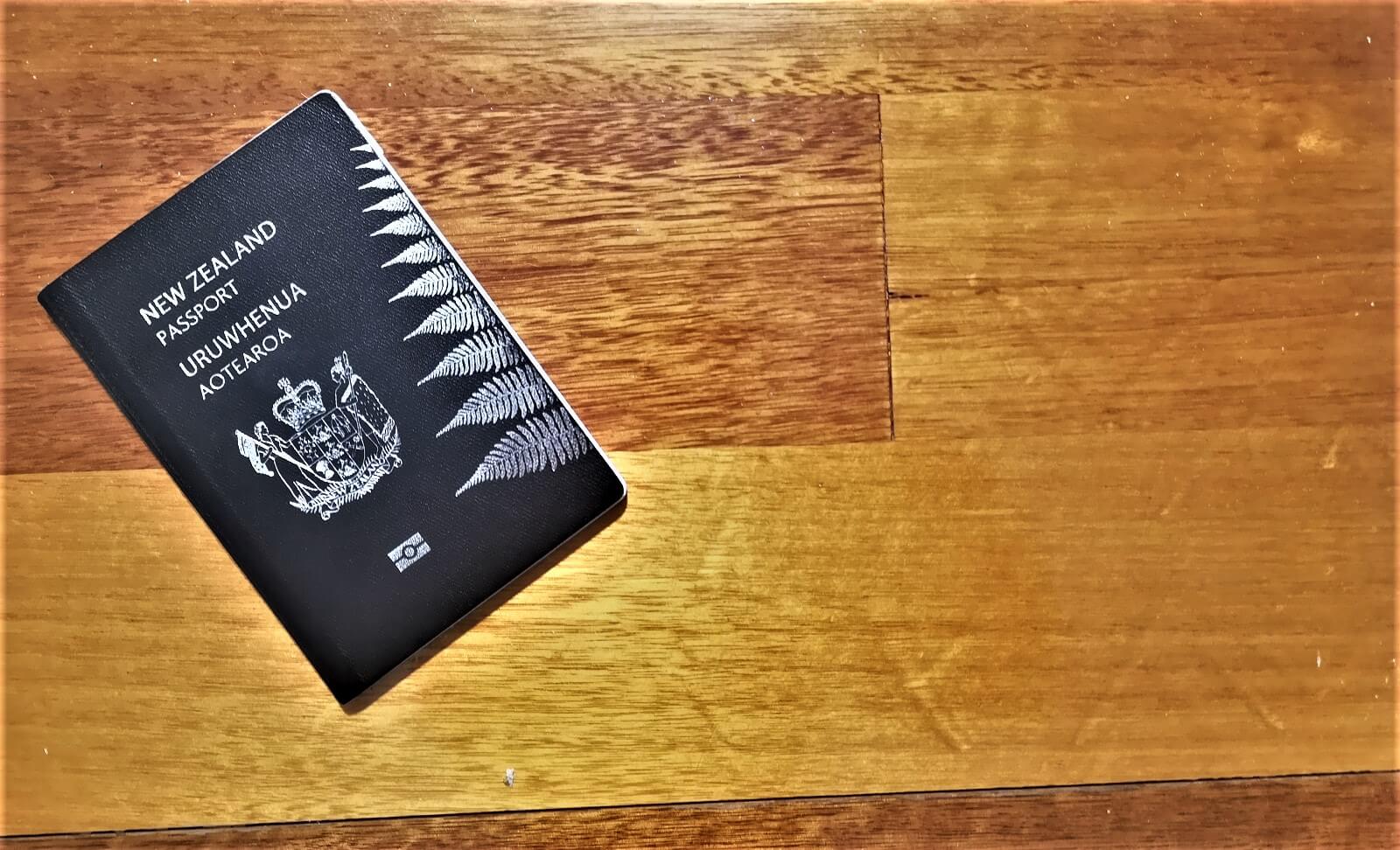
This article is a part of my travel tips series for New Zealand travellers. If you’re not from NZ, this post won’t apply to you. You can see the rest of the Kiwi traveller guides by clicking here.
If you’ve travelled to Europe, you will be familiar with the 90/180 days Schengen visa rule. Citizens of Annex 2 countries, of which New Zealand is one, can enter and stay in the Schengen Area for 90 days within a 180 day period without a visa. Your 180 day count begins from the first day you enter a Schengen Area country, and you can leave and enter as many times as you wish, as long as your total days in the region do not exceed 90 for that 180 day period. Pretty simple. Currently, the Schengen Area includes the following 26 countries:
- Austria
- Belgium
- Czech Republic
- Denmark
- Estonia
- Finland
- France
- Germany
- Greece
- Hungary
- Iceland
- Italy
- Latvia
- Lithuania
- Luxembourg
- Malta
- Netherlands
- Norway
- Poland
- Portugal
- Slovakia
- Slovenia
- Spain
- Sweden
- Switzerland
- Liechtenstein
There are no border controls between these countries, and you can move freely between them without a passport.
New Zealand’s bilateral agreements
Important: The information below is exclusively for New Zealand passport holders, who have slightly different Schengen rules to other countries. If you are not a New Zealand passport holder, this post will not apply to you. You can read about the standard Schengen rules here.
For New Zealanders the rules are a bit different. Before the Schengen agreement was inked, New Zealand had signed bilateral visa waivers with many European Schengen countries (as far back as the 1950’s). The visa waivers mean that the 90/180 day rule applies to each country individually, rather than the Schengen Area as a whole. This means you can stay in Spain for 90 days, then France for 90 days, then Germany for 90 days and so on.
(Trust me, this is a big deal. Some backpackers are willing to give a left nut and a pinky for a second 90 days).
The countries with this bilateral visa waiver agreement are as follows:
- Austria
- Belgium
- Denmark
- Finland
- France
- Germany
- Greece
- Iceland
- Italy
- Luxembourg
- The Netherlands
- Norway
- Portugal
- Spain
- Sweden
- Switzerland
The New Zealand government confirms the European Commission still honours these visa waivers and that they override the Schengen agreement.
You can read more here. This is an official government website.
In case the site is down, here’s the official statement as at January 2025:
New Zealand travellers can also get visa-free access to some countries in the Schengen area through a Bilateral Visa Waiver Agreement (BVWA). You need to use the Schengen allowance first, and you can only use one BVWA allowance. New Zealand has BVWAs in place with:
- Austria
- Belgium
- Denmark
- Finland
- France
- Germany
- Greece
- Hungary
- Iceland
- Italy
- Liechtenstein
- Luxembourg
- The Netherlands
- Norway
- Portugal
- Spain
- Sweden
- Switzerland.
See how many days you can stay in each BVWA country on the European Union Law website. Remember that your entry and length of stay in a country is subject to the decision of border officials. They may have different interpretations of the Schengen rules or consider other factors that could affect your eligibility to enter the country. If you can, let the border official know you’re using a BVWA to enter the country. You might also want to keep evidence, like receipts and boarding passes in case you need to prove your length of stay in a country or in the Schengen area.
But does it work?
All our government websites caution that immigration officers may be unaware of these agreements. The advice was to contact the relevant embassies and get confirmation that the agreements are still recognised in the countries you plan to visit.
Since I wasn’t quite sure where my Eurotrip would end up, and also for the sake of this blog post, and also because I have no life, I just contacted all of them.
Using the embassy listings provided on Go Abroad, I sent an email to all of them. Here’s what I said:
Hi!
My name is Brendan, I’m a New Zealander travelling in Europe at the moment. I got your details from the Embassy listing on Goabroad.com.
I’ve been told we have a bilateral agreement with [country], that allows me to spend 3 months in [country] visa-free, regardless of any time spent in other Schengen countries. I was advised to email you to confirm whether this bilateral agreement is still valid?
From Safe Travel:
“However, New Zealand has bilateral visa waiver agreements with many of the individual countries in the Schengen area [country included]. These visa waiver agreements allow New Zealanders to spend up to three months in the relevant country, without reference to time spent in other Schengen area countries. The European Commission has confirmed that these agreements continue to be valid. These agreements thus effectively override the Schengen area restriction (which would otherwise be imposed on New Zealand passport holders) of no more than 3 months out of a 6-month period in the Schengen area as a whole.”
https://www.safetravel.govt.nz/travel-tips-travel-europe
Thank you so much!!
Here’s what they said:
The short answer
YES means they still honour the waivers. NO means they don’t. A question mark means I couldn’t find embassy details, or they didn’t reply after several tries.
| Austria | Yes (kinda) |
| Belgium | Kinda but not really |
| Denmark | Yes |
| Finland | Yes |
| France | Yes |
| Germany | Yes |
| Greece | ? |
| Iceland | Yes |
| Italy | Yes |
| Luxembourg | ? |
| The Netherlands | Yes |
| Norway | Yes (kinda) |
| Portugal | No |
| Spain | Yes |
| Sweden | Yes |
| Switzerland | Yes |
The long answer
Here’s the exact email each embassy sent me.
Austria
“The bilateral agreement between Austria and New Zealand is currently still in force.
It allows you to stay in Austria for an additional 90 days, if you can prove that you have left the Schengen Area after the first 90 days, and have not had any stopovers in other Schengen countries during the second 90 days. Further please note that it is not a guarantee that the bilateral agreement will be honored by all other Schengen Member States and that you might still be fined for overstay when you leave the Schengen Area.
Therefore, you are well advised to have proof of your stay (Hotel receipts, tickets etc) in each state of the Schengen area readily available.”
For more information you may also want to visit the following websites:
https://ec.europa.eu/dgs/home-affairs/what-we-do/policies/borders-and-visas/visa-policy/schengen_visa/index_en.htm
-Austrian Consulate
Belgium
“Referring to your email below I can inform you that a New Zealand passport holder does not need a visa for a stay of up to 90 days in any 180 days period in the Schengen area.
In addition the Embassy can inform you that, according to the SPF Foreign Affairs of Belgium, the actual bilateral agreement formally confirmed through an exchange of Notes on 1 November 1951 between the two countries, entitles New Zealand citizens to stay for two more months without a visa in Belgium after 90 days spent in any other Schengen country. When entering Belgium you will need to be able to prove you have not stayed in the Schengen area for more than 90 days. At the end of the 2 month period you will need to leave from Belgium and cannot visit another Schengen country.”
-Belgian Embassy
Denmark
“Dear Brendan,
Yes, this is correct and still valid. For more information, please see link below:
https://www.nyidanmark.dk/en-us/coming_to_dk/visa/Visa_free_travel.htm
-Danish Consulate General
France
“Good Afternoon,
Yes the bilateral agreement between France and New Zealand is still in place.
For more information :
https://www.mfat.govt.nz/en/countries-and-regions/europe/france/new-zealand-embassy/living-in-france/travel-within-france-and-europe/“
-French Embassy
Finland
“Yes, you can stay in Finland for 3 months [regardless of time spent in other Schengen countries].”
-Finnish Consulate
Germany
“Dear Brendan,
New Zealand citizens can travel visa-free to Germany for visits of up to 90 days per half-year. Times spent in other Schengen member states do not count towards these 90 days. However, as there are no I internal border controls, it is up to you to prove to immigration on departure that you have not spent more than 90 days in any one country.”
-German Embassy
Iceland
“Hi Brendan,
Yes I can confirm this is correct. NZ has an old bi-lateral agreement with Iceland and a few other European countries, that the Schengen Area agreement does NOT override. This was an unintended oversight when the Schengen agreement was signed but it stands.
So you can on a NZ passport spend up to 3 months in Iceland regardless of your other European travel.
In the unlikely event you will have any issues about this in Iceland, you can contact the Icelandic Foreign Affairs as they know all about this and you could also show this email as a proof.
Have a good trip to Iceland.”
-Icelandic Consulate
Italy
While Italy originally told me the waivers are no longer valid, a reader has since emailed me an updated reply that says the waivers are still in fact recognised:
“We confirm that the bilateral agreement between NZ and Italy is in place. This means that you are allowed to a 90 day tourist stay in Italy even if you have already spent 90 days in another country in the Schengen Area.”
-Italian Consulate
This is also confirmed on the website of the Italian embassy:
The exchange of Notes signed on 25 January 1961 between Italy and New Zealand, entitles New Zealand citizens to stay in Italy without a visa for 90 more days irrespectively from other periods spent in other Schengen Countries.
Netherlands
“Once the 90 days for the Netherlands have been used up you cannot return for 180 days.
If you wish to stay longer pleased contact the IND (www.ind.nl) from within the Netherlands to request an extended tourist/visitors visa.
In principle, New Zealanders benefit from the short-stay visa waiver, as long as they (a) do not intend to work; (b) hold a passport valid for at least 3 months after date of return; and (c) have a return ticket. Border officials in EU countries may ask for other supporting documents such as an invitation letter, proof of lodging, return or round-trip ticket. For the precise requirements contact the local consular services of the EU country in question.
Therefore, New Zealand passport holders can freely travel in this period to countries in the Schengen Area: Austria, Belgium, Czech Republic, Denmark, Estonia, Finland, France, Germany, Greece, Hungary, Iceland, Italy, Latvia, Lithuania, Luxembourg, Malta, Netherlands, Norway, Poland, Portugal, Slovakia, Slovenia, Switzerland, Spain and Sweden.
On top of the overall Schengen visa waiver, New Zealand concluded bilateral visa waiver agreements with many of the individual countries in the Schengen area before the Schengen Agreement came into force. The countries with which New Zealand has bilateral visa waiver agreements are: Austria, Belgium, Denmark, Finland, France, Germany, Greece, Iceland, Italy, Luxembourg, The Netherlands, Norway, Portugal, Spain, Sweden and Switzerland.
Persons of New Zealand nationality are, according to the Bilateral Visa Waiver Agreement, entitled to stay in the Netherlands for 90 days and consecutively go to one of the other countries (length of stay depending on the agreement of New Zealand with that country!). Or the other way around, first visit one of those countries and then the Netherlands afterwards.
As stated before there is no border control between these countries, but there will be when you leave the Schengen area. You might be questioned about the length of your stay if it is more than 90 days. You are strongly advised to gather evidence (e.g. airline tickets, hotel bills, receipts, etc.) that show the duration of your stay in each different Schengen/EU country. That way you have the best option to prove that your stay in the entire Schengen area was legal.”
-Dutch Embassy
Norway
“Dear Brendan
New Zealand citizens travelling on New Zealand passports are exempt from the visa requirement for entering Norway. They can stay in the Schengen area for up to 90 days during a period of 180 days. Their stay can be for 90 consecutive days, or divided into several stays. The six-month period starts on the day of first entry into the Schengen area. A new six-month period starts immediately after the expiry of the previous one, thereby allowing another stay in the Schengen area of up to 90 days. However, although a stay will stretch from one six-month period to the next, they may never stay inside the Schengen area for more than 90 days each time. It is their own responsibility to make sure that they are not in breach of this requirement.
Further information regarding visa waiver countries as well as other visa matters can be found at the Norwegian Directorate of Immigration’s website: https://www.udi.no/Norwegian-Directorate-of-Immigration/Central-topics/Visa/.
For stays longer than 90 days, a residence permit is required. There is no way to extend the 90 days visa free period. Please note that overstaying the 90 days visa free period may lead to expulsion and a future entry ban to the Schengen area.
However, please be advised that there is currently a separate bilateral agreement between Norway and New Zealand allowing stays for up to 90 days visa free in Norway in addition to any days spent in a non-Nordic Schengen country. As a consequence, New Zealand citizens will not be refused entry to Norway due to time spent in e.g. Spain. Whether or not non-Nordic Schengen countries will disregard time spent in the Nordic countries before entering the non-Nordic country must be confirmed with the appropriate immigration authorities.
For more information regarding the bilateral agreement between Norway and New Zealand, please contact the Norwegian Directorate of Immigration.”
-Norwegian Consulate General
Portugal
“Visa matters are handled by our Consulate General in Sydney. The Consul General has advised that, contrary to the information contained in some official websites, the Portuguese authorities are of the opinion that the Schengen Agreement superseded the earlier bi-lateral agreements.
Tourists are permitted to stay in Portugal, without a visa, for a period not exceeding 90 days, in the aggregate for all Schengen countries. If you require further information, please contact the Consulate General in Sydney.”
-Portugese Consulate
Spain
“Yes, as a NZ citizen you may stay in Spain without visa for up to 3 months regardless of the time you have spent in any other Schengen area countries.”
-Spanish Embassy
Sweden
“To my knowledge and as far as I am aware – nothing has changed concerning the bilateral agreement.”
-Swedish Consulate General
Switzerland
“Dear Brendan,
Thank you very much for your enquiry.
Please find required information on our website:
New Zealand citizens do NOT require a visa to visit Switzerland for a period of up to 90 days within a 180-days period. New Zealand citizens benefit from this short-stay visa waiver, as long as they:
(a) do not intend to work;
(b) hold a passport valid for at least 3 months after date of departure;
(c) have a return ticket.
Border officials in EU countries may ask for other supporting documents such as for example an invitation letter, proof of lodging, return or round-trip ticket.
Moreover a bilateral visa waiver agreement signed between Switzerland and New Zealand allows holders of New Zealand passports to stay in Switzerland up to 90 days irrespectively from other periods spent in other Schengen countries. In this case, New Zealand nationals are advised to carry evidence of the period spent in Switzerland (e.g. passport stamps, accommodation receipts, ATM slips).”
-Swiss Embassy
What about the other Schengen countries?
Remember we do not have bilateral agreements with every Schengen country. That means the 90/180 day rule for the Schengen region as a whole still applies to the following countries:
- Czech Republic
- Estonia
- Hungary
- Latvia
- Lithuania
- Malta
- Poland
- Slovakia
- Slovenia
And also Portugal, and possibly Luxembourg and Greece as we discussed above.
Therefore, my advice for anyone visiting Europe would be to visit the above countries first, use up your 90 days, and then continue your travels into the countries with the New Zealand visa waivers. Again it is up to you to prove you have complied with all the visa restrictions, so keep your bus and train tickets and accommodation receipts. You won’t have passport stamps as there are no border controls within the Eurozone.
It is also worth noting that Macedonia, Croatia, Bosnia and Herzegovina, Montenegro, Albania, Bulgaria, Romania, Serbia, Moldova, Ukraine, Russia, Belarus, Andorra, Monaco, San Marino and Vatican City are countries in Europe that are not a part of the Schengen zone and therefore will have their own visa/immigration rules. You can check those here.
This means you can go to one of these non-Schengen countries for 90 days, reset your 180-day counter, and then re-enter the Schengen zone for a new 180 day clock. This is the “90 days in/90 days out” planning strategy that many long-term travellers use to stay in Europe for extended periods. Of course you only need to do this if you want to visit the Schengen countries that don’t have a bilateral visa waiver with us.
Did it work for me?
Here’s how it all went down:
When it came time to leave Europe, the first task was choosing a country to leave from. I’d been in the Schengen Area for 184 days.
I’d been told Spain and France simply do not care if you have overstayed, probably because their workday is only 20 minutes long so they don’t have time to bother with silly travellers like us. We’re all too broke to pay the stupid fine anyway.
That wasn’t good for me because, as you know, I like to live dangerously. Like, right on the edge. I don’t even watch the safety video or turn off my phone during take off. So I made it a point to leave from the strictest country. I wanted to make sure I got checked, questioned, and see for myself whether our “special rules” checked out. For the sake of a blog post I was willing to miss my flight and risk that nasty overstayer stamp that would banish me from Europe for life. Life! (Actually I think it’s two years but whatever).
So who is the strictest? Word on the street is: Germany and Switzerland. They apparently check everyone, every time. No surprises there.
So I arrange to fly out from Zurich airport. Ideally the customs officer would know the deal and just stamp me through. But I had all the papers from all the websites printed out, ready to bust out on the table like Ally McBeal if things got crazy.
Finally I get to customs. Moment of truth. I take a look at the lineup. There is an art to this, you know. It goes like this:
Young, fun looking guys don’t give a toss when it comes to this stuff. Usually if you overstay 3 or 4 days somewhere they just stamp you through because they only care about going home to play Xbox later. And they hate paperwork. So if I’ve overstayed somewhere, I always try to choose a counter with a young smiley dude in his twenties. Young women are the next easiest. Try and look for the happy ones, hopefully they’re crazy in love with some hunk and not even thinking straight and won’t want to be mean in case it messes with their happiness. However, there’s a flipside. If you choose one that’s moody you’re gonna get it in the ass. There’s a 300% chance she’ll bust your balls and go high and mighty on you. So make sure she looks cheery. Next is the older guys. These guys are hit and miss. Sometimes they’re like your cool uncle and might just smirk at your cheeky overstay and give you a wink before stamping you through. Other times you might get that old school guy that just has to do everything by the book and will ping you. And then older ladies are usually the toughest. If you overstayed and you choose the counter with the older lady, she’s gonna smoke you. But usually she’ll be really nice about it, like a loving grandmother disciplining a toddler. Unless of course someone pissed her off that morning. Then you’re in for a long afternoon.
So I check out the lineup, and remember, I’m trying to get pinged here. But there’s no grumpy looking girls. No meticulous looking grandmothers either. So I go for the grumpiest looking old guy.
I rock up and he hasn’t even looked at my passport for two seconds before he asks, “And how long have you been in Europe, sir?”
Switzerland lives up to the rep. It’s on.
“About six months,” I tell him.
I pull my shoulders back and smile. In these situations you gotta have confident body language and stuff, you know.
“Mmm about six months,” he nods, flicking through my passport.
“Says you came in on June 6, through…Algeciras?”
“Oh yeah I entered in May but I went to Morocco for a couple of weeks and then I came back.”
He nods again slowly, flicks through a couple more pages, and then starts talking to the young mid-twenties guy in the booth next to him. He’s waving my passport at him, and he’s talking Swiss German so I don’t understand anything, but I hear him say New Zealand a couple of times, tapping the front of my passport. He’s talking like a Dad so I figure he’s explaining the intricacies of the special visa rules we have. Of course this young guy looks like he couldn’t give two shits about it.
Then he inks his stamp, still blabbing away, stamps my passport and says, “Have a safe flight!”
Didn’t even take two minutes. I get a little rush of satisfaction. I’m through!
Planning to stay in the Schengen Area for over 90 days?
So it worked out for me, let’s make sure it works out for you too.
In the space of six months, I’ve noticed information change on various of the websites above multiple times. As of writing – November 2016) – the information in this post is current, but if you’re planning to (legally) overstay your 90 days, I would do exactly as I did:
- Email the embassies of the countries you want to visit
- Print them
- Print out the policies on their immigration websites too
- Print out the NZ safetravel page on the bilateral waivers
- Have them all ready at customs
As you saw in my little story some customs officers know their shit, but I’m sure many others don’t.
If in some strange scenario the embassy has okayed you and customs won’t accept it, at least you can show you did everything you could to comply and you may just get a warning instead of a ban and a hefty fine.
This is annoying since New Zealanders should be able to enjoy this arrangement without all the hassle, but this is what our government recommends.
Also note, the countries you visit isn’t actually too important. It’s the country you leave from that matters. You move freely without border checks in the Schengen Area, so it’s only when you fly out of the area that you’re going to be checked.
If you’re really anxious about it, try and leave from a country that has expressly stated on their immigration website that the waiver is valid (Switzerland, Denmark, France).
Hope this helps, have a safe trip and enjoy Europe!
-Bren
Update April 2018:
As you can see from the comments this post has become quite popular and is now #1 on Google for this topic. While this is great, it might also mean that all the embassies now have hundreds of Kiwis emailing them each day asking to confirm waivers. As you can imagine this is eventually going to piss off the staff and that could even result in some waivers being pulled altogether.
Let’s work together and try and make this more efficient. Here is my suggestion:
I am suggesting you only email for waiver confirmations from the country you actually intend to leave from. That is where you will be checked and questioned, so you really only need confirmation from that particular authority. I also encourage you to please come back here and share any confirmations you get from embassies and your experiences with the waivers at customs. Teamwork makes dreamwork. Thanks!
Update January 2025:
This post is still very popular and while the waivers still exist the rules are ever-changing. I haven’t been to Europe for several years so I’m not familiar with many of the changes. Use the information in this post to your best judgement, and if you can, come back and update us with your recent experiences in the comments (which country you exited from, any problems you had etc). I am still actively monitoring and approving all non-spam comments. Thanks!
Heading To Europe And…
Looking for tours and activities at an affordable price? I use GetYourGuide! Always great deals and local perks.
For travel insurance, I always use World Nomads – get protected for just a few dollars a day!
Somewhere to stay? Booking.com gives you the biggest selection and the best rates.