Tag: manila

  • Inside Manila: A Walk Through The Slums Of The Philippine Capital

    Inside Manila: A Walk Through The Slums Of The Philippine Capital

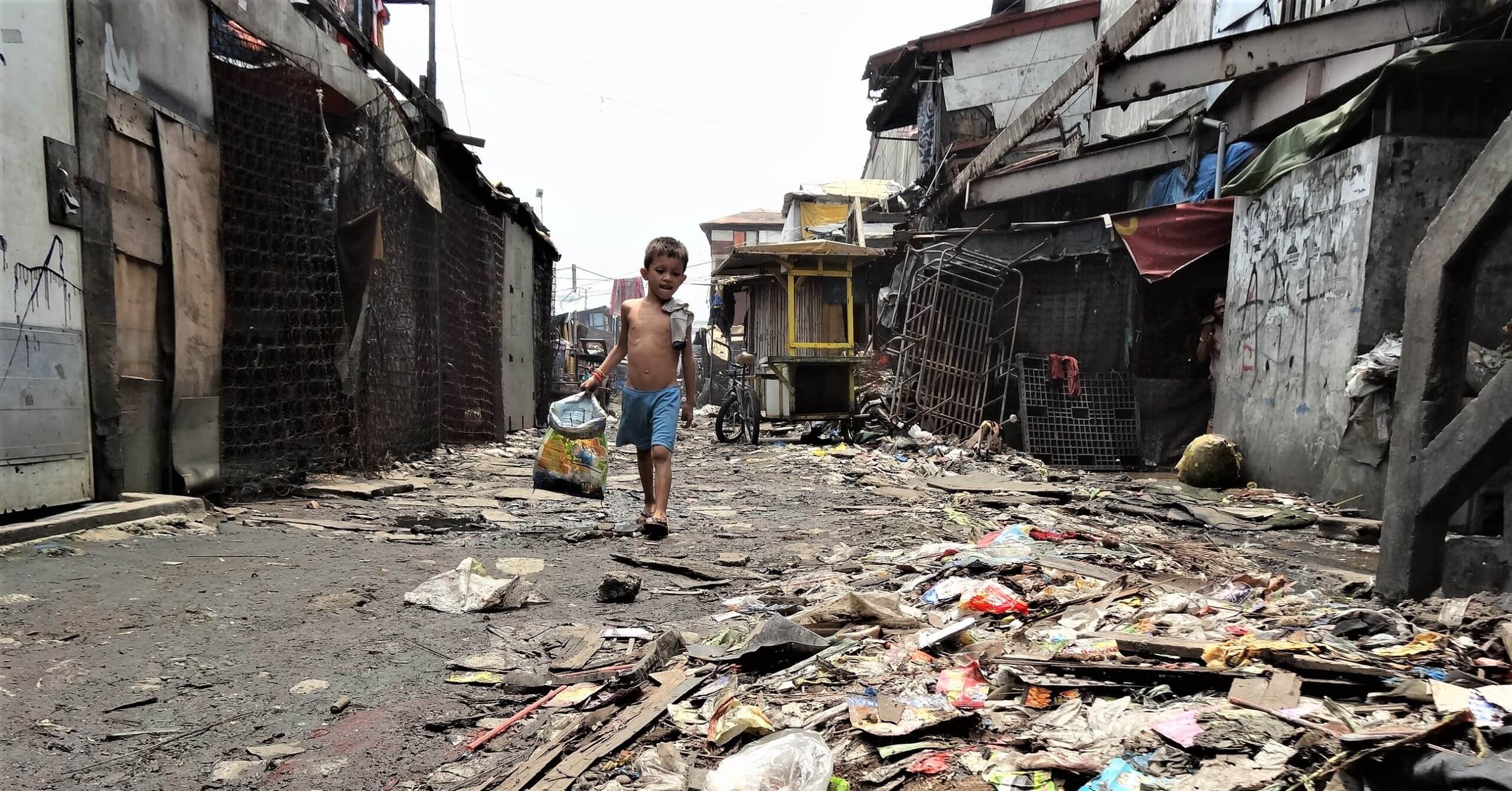
    The mud is black.

    There’s trash everywhere.

    And the smell is…well…the smell is like a mixture of wet clothes and rotten wood. It’s not necessarily unpleasant, but definitely distinct.

    I look around at the kids running through the alleys, the women selling ‘useful trash’ such as plastic bags and recycled paper, and the elderly lounging peacefully on their balconies, looking out over it all.

    These are Manila’s slums, where, without any provided housing, the homeless have been forced to squat. It’s a very different place to the Manila I’m used to.

    Smokey Tours

    My day in the slums starts early. I meet Remy, my guide from Smokey Tours, at 9am at Jollibee, and we jump on a jeepney out to the slums in Barangay 105.

    The first slum is actually tidier than I expect. They have rooms with beds and tables, some even televisions, the alleys are paved and running water is available. Life is not easy here by any means, but at least basic human needs of food, shelter and clothing seem to be met, if only barely.

    Smokey Tours

    In many people’s imagination, slums are lifeless places full of sick, starving people, fighting to survive, but surprisingly it’s quite the opposite here. People are up and about early, getting on with their day, cooking, washing, cleaning, working. It’s actually a rather lively place.

    As we walk through the alleys, we pass an old man cooking something on charcoal made from coconuts. I am not sure how he does it, but it works. Clearly, resourcefulness is key to survival here.

    Smokey Tours Slums

    Huddled in one of the corners, we come to a group of kids gambling for rubberbands. It’s obviously popular, as I’ve seen it getting played in a few different corners of the slum now. They laugh and scream wildly, having the time of their lives. It is always refreshing to see the innocence on a child’s face, happy and oblivious to the complicated world around them. I think about how, and why, I was given such luck in the ovarian lottery, born into a two-storey home in upper-middle class New Zealand. Compared to these kids, I grew up in a fairytale, yet their smiles are brighter than ever.

    Smokey Tours

    Eventually we get to the river Estero de Vitas, which lines the slum.

    By the riverside, I spot two ladies working on a few piles of fish. I walk over to take a closer look, and they glance up and smile at me. The fish they are processing is bangus, a Filipino food favourite, and they work through them at light speed; one does the cleaning and gutting, the other bones the fillets. Soon it becomes clear how they do it so fast – they’ve been doing it for 40 years.

    Smokey Tours

    It is jobs like these that keeps the households fed – most fish are sold, some are kept for food, and the income gives them a means to keep on surviving.

    As we come to the end of the river, Remy points out another type of slum-dweller underneath the main bridge. Here, homes hang over the water, made from tarpaulin and scrap wood, seemingly hanging in mid-air. I stare at them for several minutes, and still can’t figure out how they’ve managed to build them.

    Smokey Tours

    These homes are far more primitive than the ones I’ve just seen. The men who live here work mostly as scavengers, sorting through the river trash for useful bits of plastic, metal and other materials. This is then sold to junk or recycling shops, allowing these people to make a living.

    Smokey Tours

    As we cross over to get a closer look, a couple of girls living there come to show us around. We walk through the houses above the river, of which there are many, all made of recycled wood and other scrap materials. I feel like at any moment it’ll collapse and we’ll go plummeting into the water.

    I look inside some of the homes and see how tiny they are. Somehow, families of 7 or more manage to live together in a shack no bigger than a standard western bathroom.

    Smokey Tours

    At this point, I am not quite sure what to think. The conditions just seem so unlivable to a first-world child like myself, almost on par with some of the places in rural Africa. However, at least in those places there is land to farm and build proper housing. Inner city poverty is a different beast. There is no land, no toilets, no electricity, and to make things worse, typhoons destroy the slum each year, after which the dwellers are left to rebuild. With the comforts of the city so close by, it is hard to understand how so many people are left to live like this.

    Smokey tours

    Next, I’m taken over to the temporary housing slums over at Barangay 105. This houses the residents of the now closed Smokey Mountain slum, which sits just a few metres away.

    Smokey Tours Slums

    Again, the most common way of making a living here is by scavenging. Residents will spend the day looking through trash and collecting bottles, tyres, plastics, papers and metals.

    Smokey Tours

    Once collected, these items will be sold to junk shops who will sort and on-sell them to be processed. Most scavengers can earn around $3 a day doing this, which is usually enough to feed their families.

    Junk shop Smokey Tours
    As for the women, they are often employed as sorters rather than scavengers. Most can earn up to $3 a day, sorting trash so it can be packed up and sold.

    Smokey Tours

    Like everyone, people here need to eat, and again they depend heavily on the city trash for this. In a separate sorting area, people rummage through the trash from fast food restaurants, mostly from KFC and McDonald’s. Scavengers pick through the trash and collect leftover scraps of food to be cleaned and sold.

    Smokey Tours

    Each morning, residents of the slum come to purchase the bags of food, which have been sorted into small packages. One common item is the ‘pagpag’; leftover scraps of fried chicken, which are then re-fried and served with rice. Lots of different scraps are sold, but the pagpag is by far the most popular; usually sold out by 9am each day.

    Down the road I’m lucky enough to find a woman cooking up her pagpag for the day. As is, it hardly looks appetising.

    Pagpag

    Once it’s been washed, it’s thrown into the wok to be deep fried. It actually smells pretty good.

    Pagpag

    After a few minutes of sizzling, it’s time to eat:

    Pagpag

    Once it’s all been tipped onto the plate, she holds it up to me and gestures for me to take the first piece.

    How could I say no?

    Pagpag

    Funnily enough, it tastes just like KFC. Who would’ve thought?

    We spend the rest of the afternoon wandering through the slum in the midday heat.

    Smokey Tours

    People often stop to smile and say hi to me, or stand up and wave from a distance. Despite the warm welcome, I feel like an intruder. I feel many of them may be embarrassed at my presence, as if their home is so poor and desolate that it’s actually become a tourist attraction. If they only knew how much I admire their resilience, and it is I who feels small walking next to them.

    Smokey Tours

    Interestingly, despite the hardship, I come to the conclusion that the slum isn’t exactly a sad place. People are fed, they have water, they have shelter, and seem to go about their day with a smile on their face. It’s a hard life, definitely, but not a hopeless one. Families eat and play together, sing karaoke, and do their best to enjoy what’s been given to them. It’s a welcome lesson in gratitude that we could all use from time to time.

    Smokey Tours

    Smokey Tours runs this tour in partnership with an NGO called BYSMP (Bahay At Yaman Ni San Martin De Porres), which receives all of the tour profits (yes, all). After the tour, we go to check it out.

    smokey tours

    Here, children from the slum are provided with food, schooling, clothes and healthcare. The facility is excellent, with a fully equipped dining room, kitchen, classrooms, dentist and health clinic.

    Smokey Tours

    Smokey Tours

    Smokey Tours

    Smokey Tours

    Smokey Tours

    Smokey Tours

    It’s incredible how small NGOs like this can stay so under the radar yet make such enormous differences to people’s lives. With a little help, they’ll give many children from the slums a chance at a much brighter future than the generation before them.

    And, with the revenue from these tours, Smokey Tours is able to bring some level of awareness to Manila’s inner city poverty, while also contributing financially to the cause. It’s an excellent initiative; one that I am happy to lend my support to.

    Interested in a slum tour?

    If you’d like to get out of the Makati markets and shopping malls and get a look at the other side of Manila, I’d highly recommend a slum tour with Smokey Tours. Locals from the slums are employed as guides, and the profits from the tours all go towards providing food, schooling and healthcare for the children living there. I never recommend tours or attractions where people profit from poverty, and thankfully this is not one of them.

    To book a tour, simply head over to their website and get in touch!

    Heading to Manila?

    Disclosure: I was invited to write a piece on this tour by Smokey Tours. Smokey Tours covered the cost of my tour. Photos are not normally permitted on the tour, but I was given a pass for media purposes. All opinions are my own. You can read my Disclosure Policy here.

  • 10 Reasons Why The Philippines Should Be Your First Stop In Asia

    10 Reasons Why The Philippines Should Be Your First Stop In Asia

    The Philippines was never very high on my travel bucket list. No one really talked about the place, and it seemed to have a reputation for being a rather dangerous place to travel through. Besides, all travellers knew that Thailand had all the best beaches, China had all the work opportunities and Vietnam had all the best food. Why bother going to the Philippines?

    Then finally in March this year I got the chance to visit. What I discovered was a country inhabited by the friendliest people on Earth, littered with unimaginable beaches and an infectious family like culture that made you never want to leave. Some of the most beautiful places I’ve seen in Asia were hidden in faraway corners of the country, still unheard of by much of the backpacker crowd. What I still can’t figure out is how so many travellers in Asia pass on this country full of beautiful people, fresh tropical fruit, picturesque islands and untouched natural beauty. Safe, cheap, beautiful; I ended up staying for 6 months! It’s easily become my new favourite spot in Asicoa.

    Need more proof? Here’s 10 reasons why you need to skip Thailand, Vietnam, Cambodia, Indonesia, Laos and head straight to the Philippines on your next trip to Asia.

    1. The amazing people

    friendly people philippines

    It’s amazing how friendly the people are here. How the place got a reputation for being dangerous, I have no idea. There was one time where I ran out of cash in El Nido, and since the place had no ATM’s I wasn’t able to get cash to pay for the tour I had been on that day. I was so embarrassed but when I finally told the guy, he just laughed and said “Ahhh no problem, you can pay anytime! I just hope you enjoyed the tour!” A perfect example of the generous, welcoming spirit of the Filipino people.

    They’re also so polite! I’ve never been called Sir so many times in my life. As soon as you walk into 7 Eleven – “Good afternoon Sir!”

    Then I ask her to help me work the drink machine, “Yes Sir, no problem Sir!”

    Then when I go to pay, “Thank you Sir, is there anything else you need Sir?”

    Then when I leave, “Thank you Sir, come again Sir!”

    Then as I walk through the door the security guard holds it open and says, “Thank you for coming Sir, have a good day Sir!”

    This isn’t a one off, it happens like this every single time! I thought the Japanese were polite but this was a whole new level. They don’t try to sell me anything, they don’t try and give me a taxi ride, they don’t try to ask for money; they’re just polite for the sake of being polite, and that’s something that you don’t see around the world too often these days. Filipino’s certainly know how to make you feel welcome.


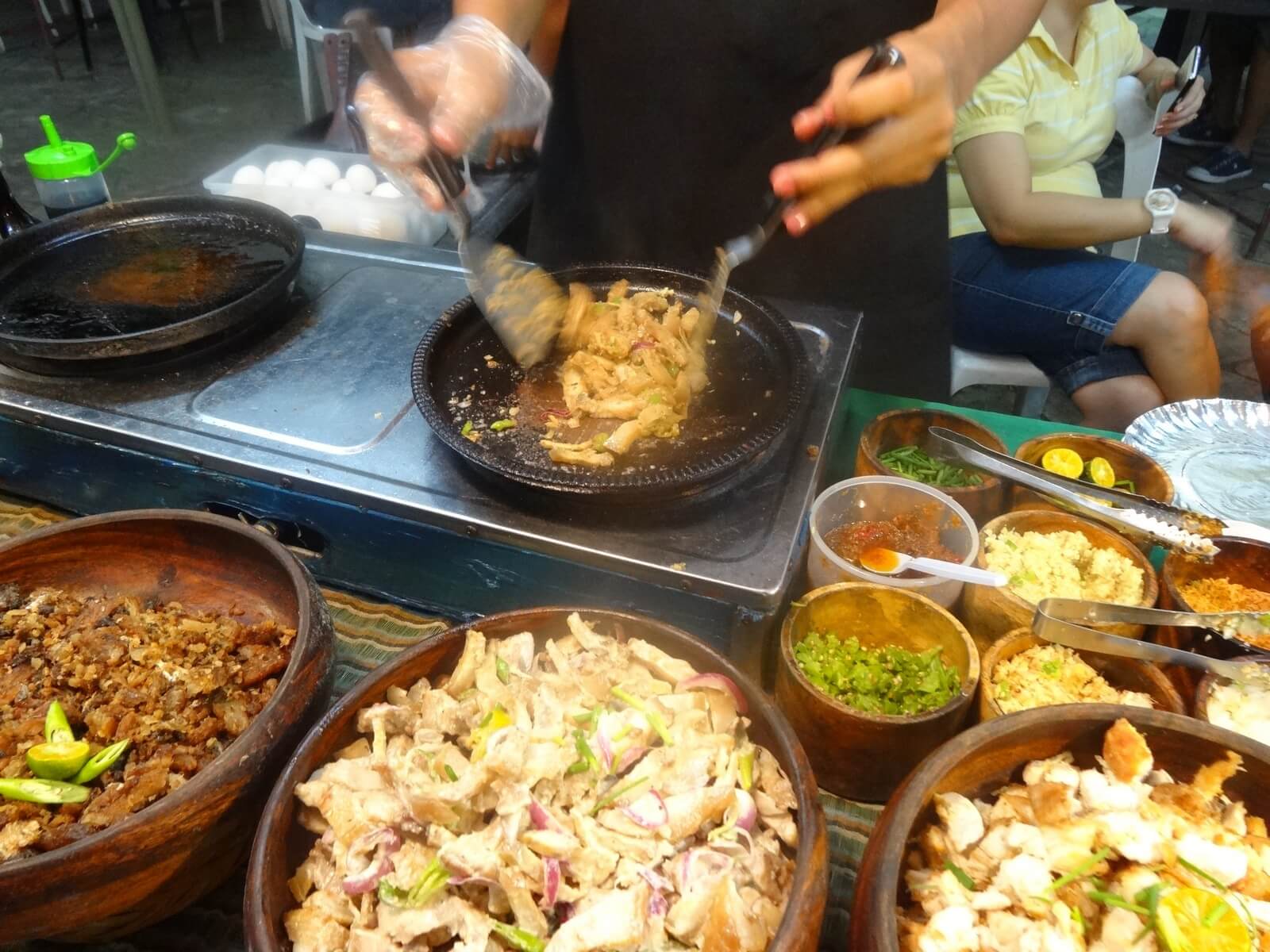
    2. The incredible food

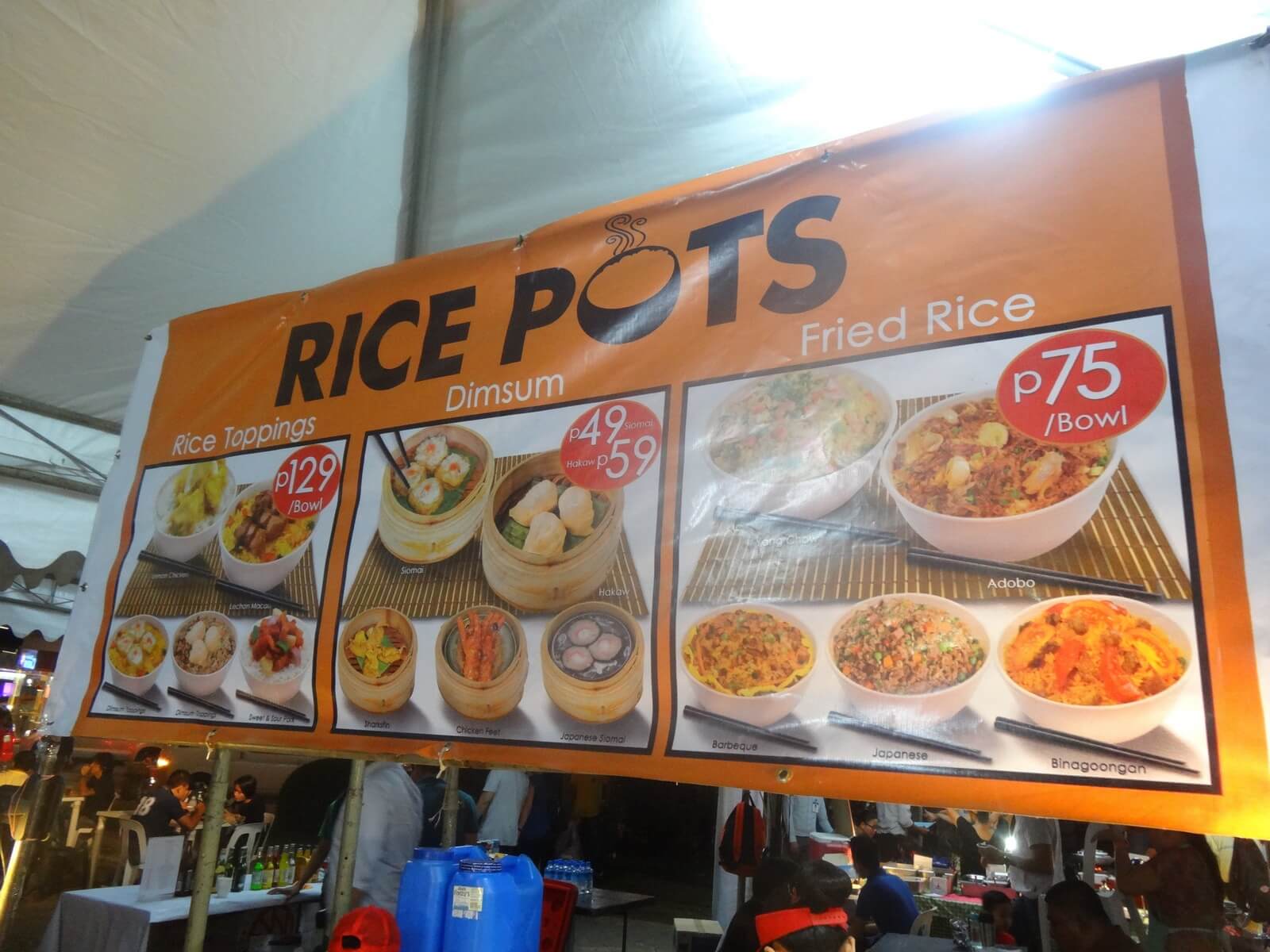
    Food in the Philippines

    What I love about Filipino food is that it’s so different.

    I love eating new things and that’s hard to do in many other parts of Asia. I’d eaten a whole lot of Chinese food before I went to China, I’d had quite a few gallons of Tom Yum soup before I went to Thailand, I’d eaten my fair share of curry and roti before I went to India and I knew all about udon noodles before I went to Japan. Yet before this year I had never seen or even heard of kalderetta, adobo, sinigang, bulalo, turon, lumpia, I could go on forever.

    Some of the food didn’t agree with me completely but there were some things, their soups especially, that were just so different and delicious. There really is a lot of stuff that will be like nothing you’ve ever tasted before. Damn, I’m craving a sinigang right now!


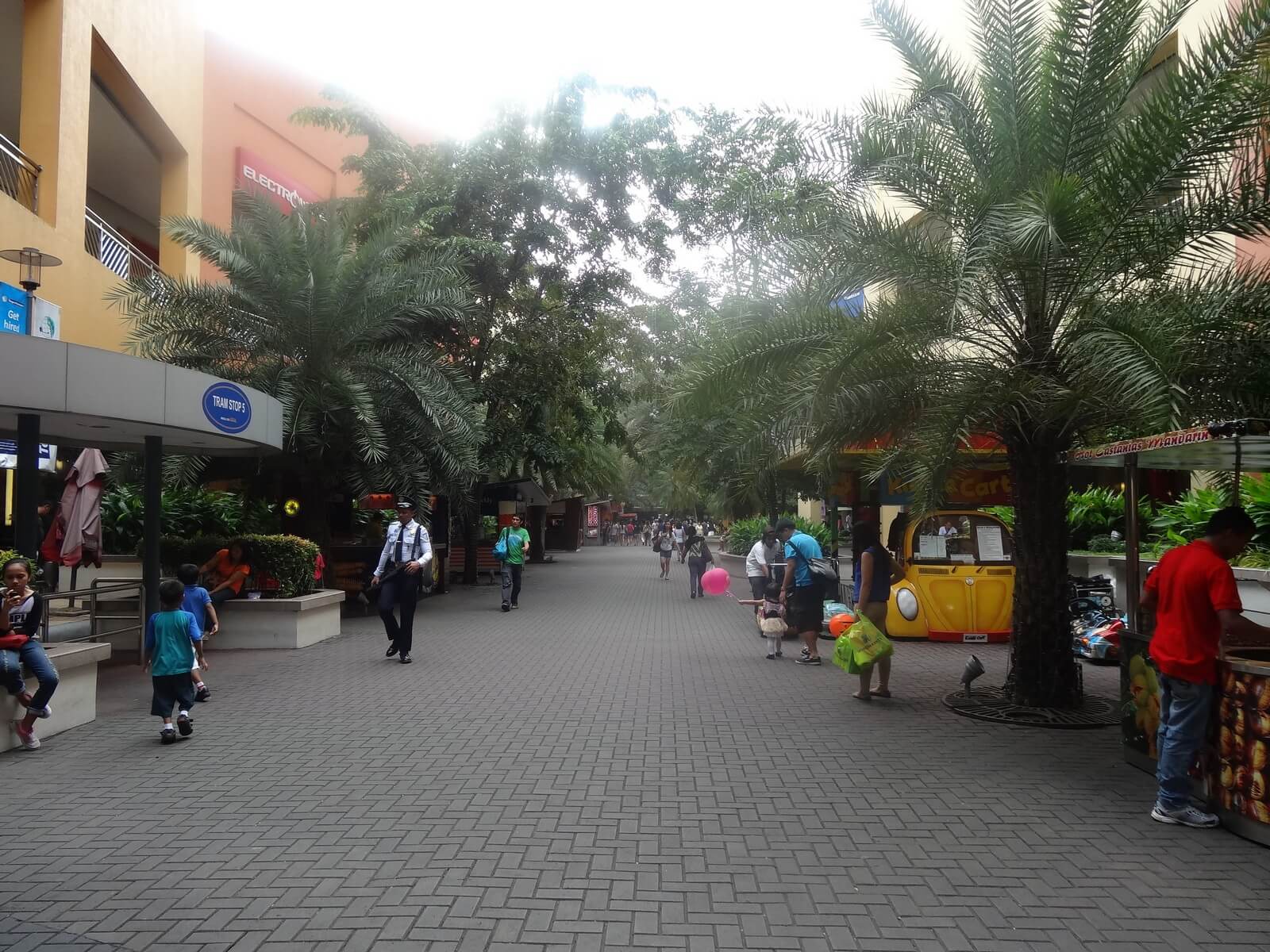
    3. You don’t get scammed or hustled

    Mall of Asia Philippines
    No one bothers you when walking down the street

    To me, one of the most unattractive things about Asia is the blatant scamming. If you’ve ever been to the markets in China or caught a tuk tuk in Thailand you’ll know what I’m talking about. Hustling is even worse – take a walk through Phuket one night and count how many times someone tries to sell you something.

    100 times only? Guess it was a quiet night.

    During my 6 months in the Philippines I got scammed once. Other than that, it was so refreshing not having to watch my back every second of the day. A couple of times I even tested the taxi drivers, telling them I had no idea how to get back to my apartment when I actually knew the way perfectly. Did they drive me around the block and run up the meter? Nope.

    Maybe the country’s strong religious roots has something to do with it, but whatever it is you’ll definitely appreciate it.


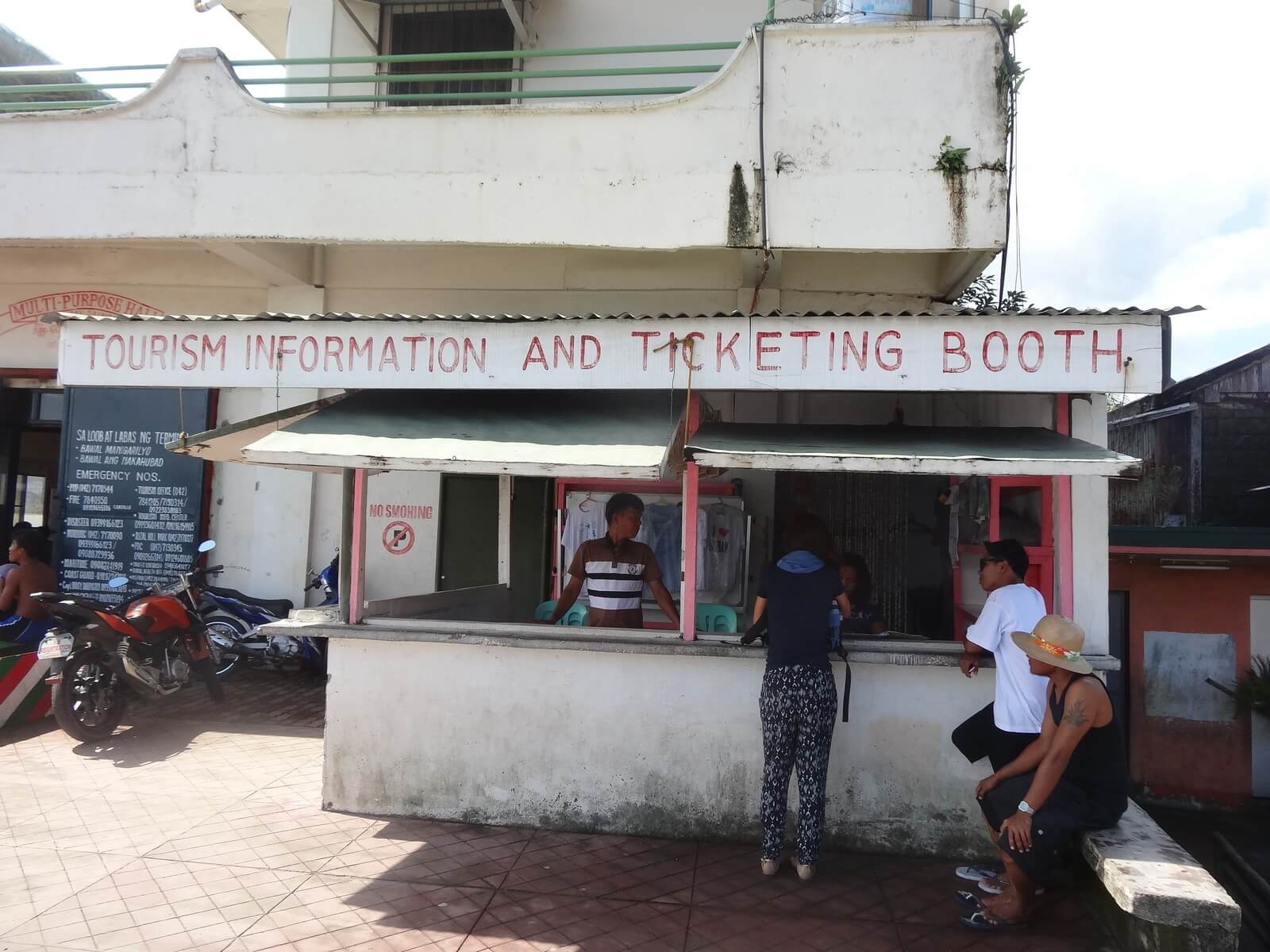
    4. It’s off the beaten track

    Tourism desk in the Philippines

    I still struggle to understand how so many attractions in the Philippines continue to fly under the radar.

    How is it that Bali gets 3 million visitors a year and Boracay barely manages to get a million?

    How is it that I literally had the entire resort on Cagbalete Island to myself?

    The Philippines only had 4 million tourists in 2012, compared to 20+ million in Thailand. Anyway, whatever the reason is let’s just hope it stays that way. Part of the magic in exploring the spotless white sand beaches of the Philippines is that you quite often have them all to yourself.


    5. Everyone speaks English!

    I was surprised to find out the language of instruction in schools here is actually English!

    Finding your way around a language barrier can be half the fun in travelling, but it’s also surprising how different your travel experience becomes when you can actually communicate with everyone.

    The level of English here is very high, definitely better than any other country I’ve visited in Asia (except for Singapore). It really makes travelling through the country a lot easier, and it’ll allow you to interact with the locals who will be able to recommend things and places you would have never otherwise heard of.


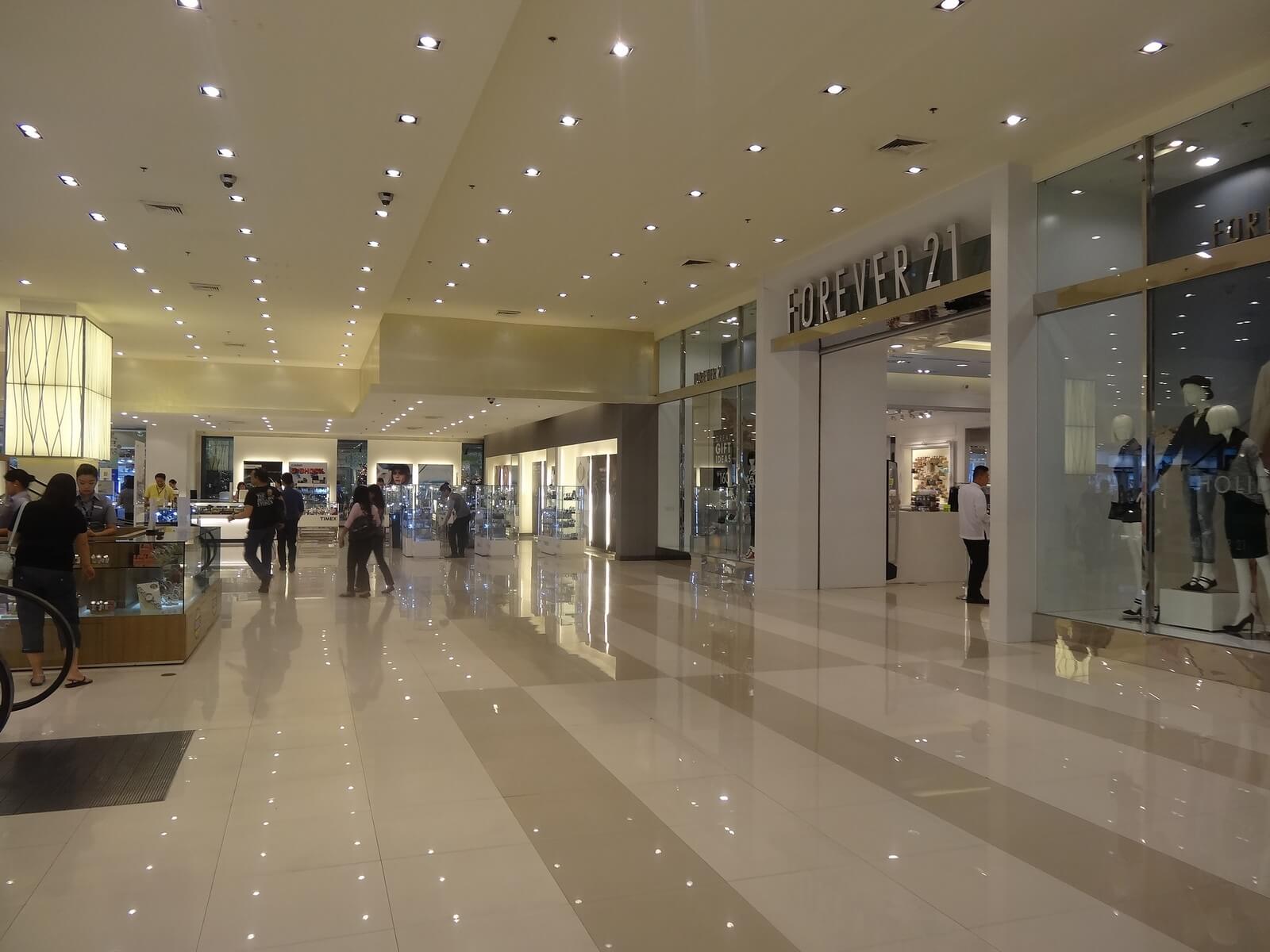
    6. The fantastic shopping

    SM Manila Philippines

    For me, shopping in Manila would be the best I’ve ever seen.

    Bangkok was pretty good, Shanghai was also good, even Hong Kong is not bad.

    Manila beats all of them.

    Out of the 20 biggest shopping malls in the world, 5 of them are in Manila. That’s more than any other city. On top of that all the shop assistants speak great English, stuff is not overpriced (cough, Shanghai), the local brands are surprisingly good quality and the free WIFI actually works! No stupid codes, no getting a password from the information desk; just connect and go.

    Their malls are not just big, boring boxes either. The maze of Greenbelt malls is modern, classy and full of character. Spend a whole day walking through here and you’ll probably only manage to see half of it.


    7. Unbelievable beaches

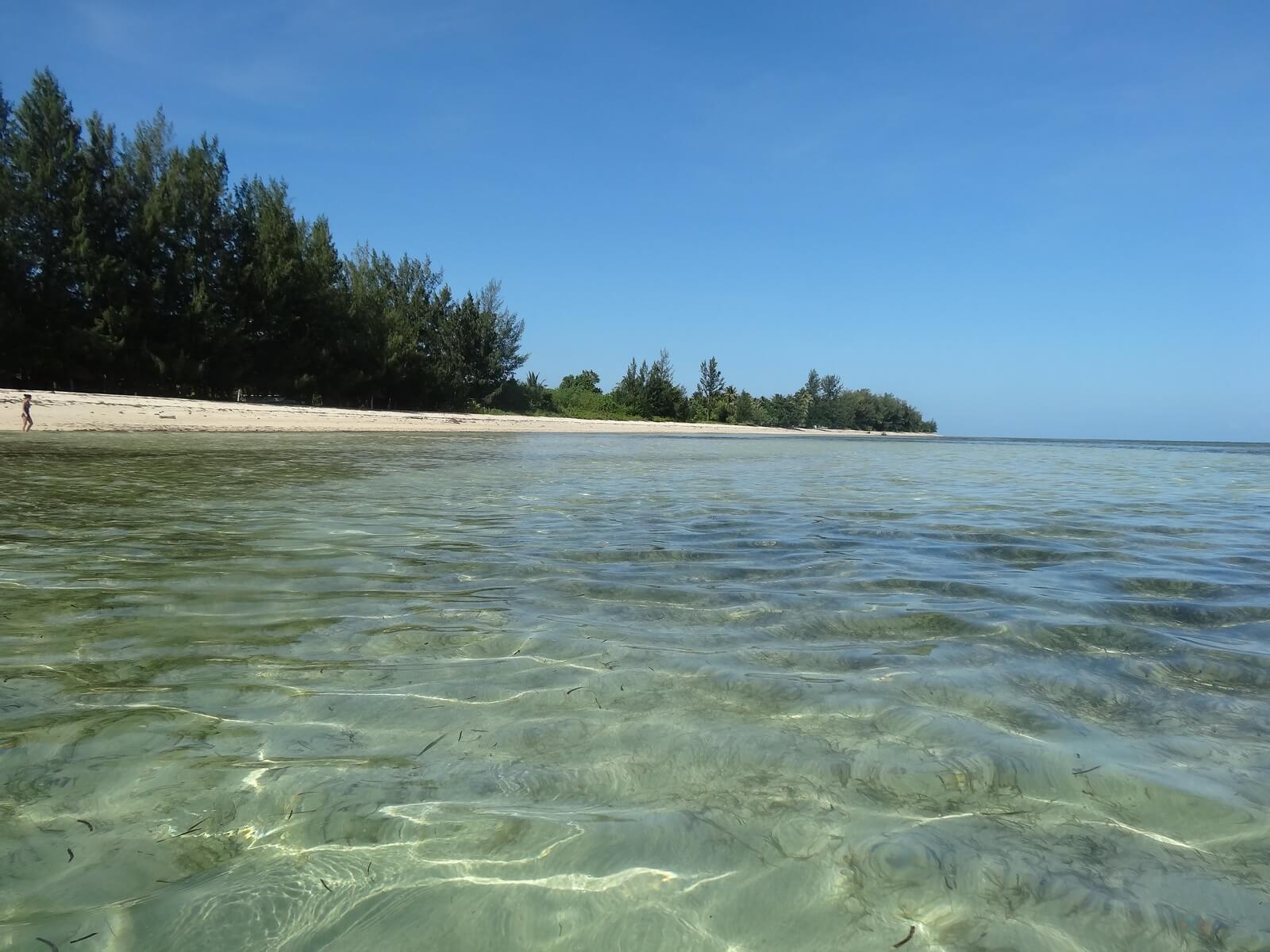
    Cagbalete Island Philippines

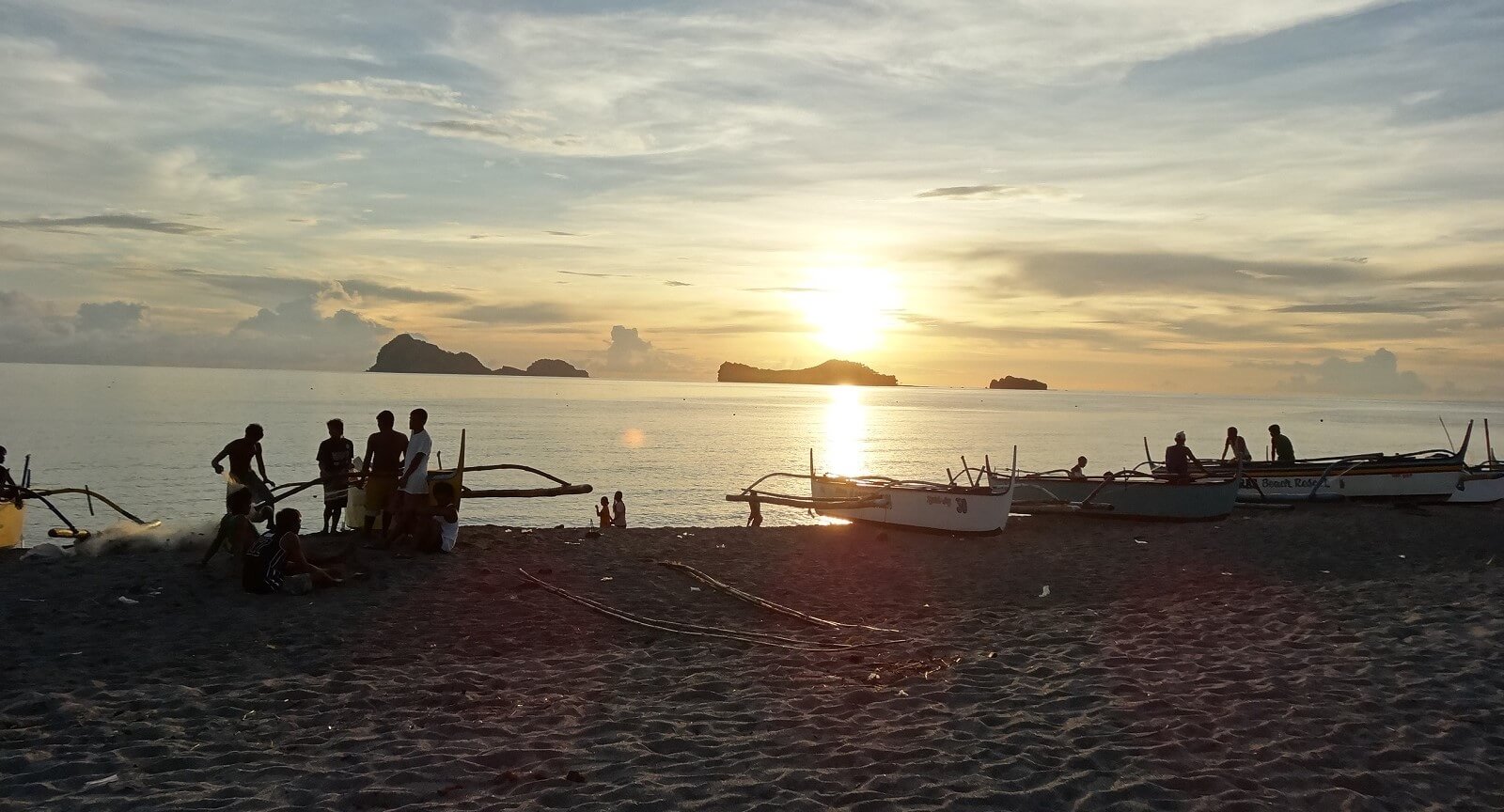
    These days its pretty hard to find a picture perfect beach that isn’t overcrowded, overdeveloped or overhyped. Unless of course you’re in the Philippines, where there are just too many to name.

    In a country made up of over 7,000 islands beautiful beaches are bound to be everywhere. And they are! Try Googling Amanpulo, Caramoan, White Beach Boracay, Coron, Camiguin, Anguib Beach, Cagbalete Island, Caramines Sur, Nacpan Beach, Bolobadiangan Island, Subic Beach, Buluan Island; there’s just too many to list.

    Most of these I haven’t even seen yet, but I’ll definitely be back to do it soon. What’s even crazier is that I’m guessing you’ve never even heard of these places, meaning no one else is going to be there except you.


    8. The pretty faces

    Megan Young, Miss World 2013 Philippines
    Miss World 2013. Photo credit: Paul Cortes Photography

    While I was living in Manila, the Traveler’s Digest released an article ranking Quezon City as one of the “Top 10 cities with the world’s best looking men”.

    The article caused a bit of a Facebook sharing frenzy amongst the locals, and the humble celebrations had barely ended when the Philippines won Miss World 2013 a few months later. In fact, it appears the Philippines has been cleaning up at beauty pageants for quite some time now.

    I’m just going to chime in and go on record saying that the Philippines really is a country of very pretty people 🙂


    9. It’s cheap!

    Glorietta market Philippines

    Budget travellers will definitely have no problem making their way through here. Taxi rides around town cost $3, a decent meal costs $1.50 and a bucket of beers will barely run you $5. Catching the latest movie at the cinema will cost you $6 and you can rent yourself a studio apartment for around $15 a day! Not to mention the country’s budget airlines (Cebu Pacific, PAL Express) offer some of the cheapest fares in Asia.


    10. It’s growing, fast

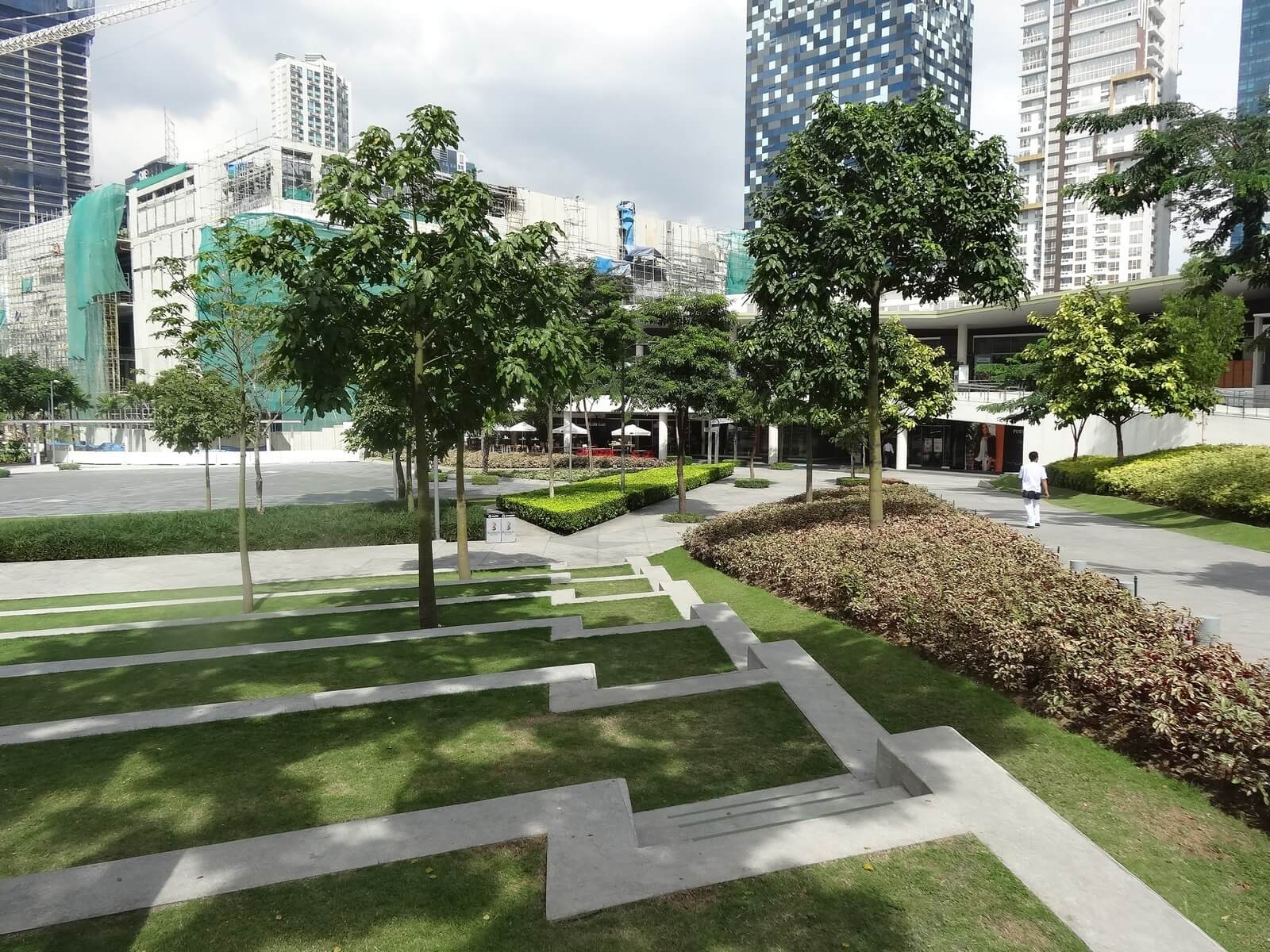
    Fort Bonifacio Philippines
    Fort Bonifacio in Manila

    I remember the first time I visited Fort Bonifacio and felt like I was walking through an upgraded version of Singapore. Skyscrapers were going up in all directions, it was incredibly clean, all the international eateries were around, there were Deutsche Bank and HP and IBM offices towering above me, the roads were wide and uncrowded, there were fancy public parks and boutique shopping streets; there I was thinking “I thought the Philippines was 3rd world?” The place looked like New Zealand 20 years into the future! I cannot wait to see what this place looks like in a few years time.

    I’ll say it one more time. Go to the Philippines NOW. Asia’s best kept secret may not stay a secret for too much longer.

    Looking for more Philippines content? Make sure you check out my trip to El Nido, my month living on Boracay, and my Manila Accommodation guide. It’s more fun in the Philippines!

    Heading to Asia. Be sure to add the Philippines to your "to-do" list. Amazing beaches, delicious food, off the beaten track, the friendliest people. What more could you want?