When I landed in Istanbul, it hadn’t even really crossed my mind to visit Gallipoli until I saw the “Gallipoli Tour” flyer on the noticeboard. I’d actually forgotten the place was even in Turkey.
My initial plan had been to see Istanbul for a few days and jump west, but I decided, as a Kiwi, Gallipoli was a place I needed to go and see with my own eyes. Besides, it was only a few hours away.
For those that are unaware, Gallipoli is a place that every Australian and New Zealander will have learned about by the time they are potty trained. Here, in World War 1, our countries formed the Australia and NZ Army Corps (ANZACs), who fought for the Brits in the Gallipoli campaign. In what was supposedly a straightforward mission, NZ unexpectedly lost 2,500 troops and the Aussies lost around 8,000, in what became one of the Allies’ most costly expeditions.
Gallipoli is around 7 hours from Istanbul. I travelled by bus, and stayed in the nearby town of Cannakale. Gallipoli can be easily visited on your own, but my hostel was running a Gallipoli tour which I decided to take.
Our first stop was Brighton Beach. This was where the ANZACs were initially supposed to land, and it’s easy to see why. The beach is wide and the surrounding land is flat and open – the perfect terrain to move an army inland (this also would’ve made them vulnerable – some think casualties might have even be higher had they landed here).
 Brighton Beach
Unfortunately, one fateful manoeuvre of the boat led them to land around 2 degrees off, to a place now known as ANZAC Cove. Here the ANZACs faced a steep cliff face filled with heavy brush and unfriendly terrain. As you look at it, it’s hard to imagine climbing it at all, let alone with a 30kg pack, a rifle, and an army of Turks shooting bullets at you.
It was rather surreal to see this cliff face in real life – it looked absolutely nothing like I had imagined it in my head. Every year in school we get told about this cliff, and I had always imagined a vertical rock face with a field full of poppies down below, so it was nice to put a face to a name.
 Anzac Cove – the beach and the cliff. It’s a lot steeper than it looks.
I stared at that cliff for a long time. I tried to imagine Kiwi soldiers scrambling up it, dodging bullets like in paintball, seeing their best friends gunned down right beside them. I’ve always loved watching war movies, but trying to imagine those scenes happening in real life made my stomach churn.
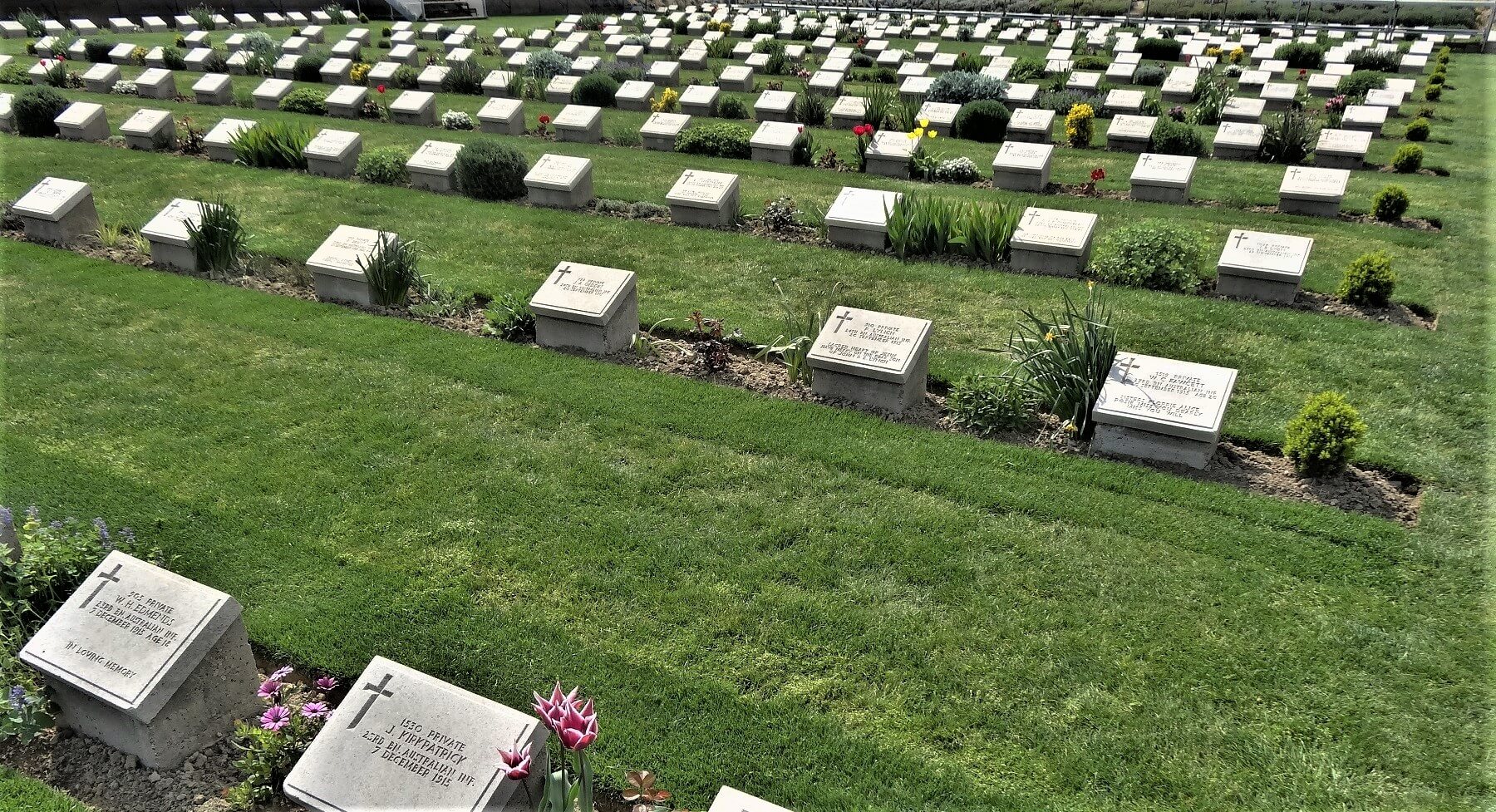
We spent around an hour in ANZAC Cove, walking the beach and visiting the cemeteries. While on the beach, I tried to imagine what it would’ve been like if I was in uniform back then, in a unit with my friends and my brothers, scrambling with our packs to take cover and dodge the gunfire. Could we have handled it? Which one of us would’ve been the brave guy with the pep talk and which one would’ve been the guy crying under a rock? How would it have felt to aim a rifle and shoot someone in the head – someone that you’ve never met and never had a problem with? It was impossible. Had I been drafted into that war 100 years ago as a 19 year-old, I wouldn’t have lasted five minutes.
After the cove we headed up into the hills to see the other side of the battlefield. Due to their advantageous position upon the hill, the Turks were able to hold off ANZAC advances with a relatively small amount of troops, at least until reinforcements arrived. While the ANZACs did manage to advance inland and set up trenches, the losses were great, and they never were able to fully overcome the Turks and get to Istanbul, which was the initial plan.
Once up on the ridge I was shown the Turkish and Allied trenches, only a few metres away from each other. Despite being enemies, our guide told of the soldiers throwing biscuits to each other and playing games like perching their helmets on a stick and waiting for enemy soldiers to shoot it off.
“It might be strange, but in war, you can’t just be fighting all the time. Sometimes you need to have fun,” he told us. This just seemed so odd to me, but I suppose, war is impossible for anyone but a vet to understand.
Walking in the Turkish trenches felt a little strange for me, like a betrayal, almost. I didn’t want to sympathise with their dead or see their cemeteries. Every time we hear about the ANZACs, the Turkish are spoken of as “the enemy” or “the bad guys”, so paying respects to the troops that killed our boys didn’t seem too important to me.
So, I stayed on our side of the trenches. I walked through them and imagined our soldiers sitting in there eating Anzac biscuits and drinking tea. I imagined them writing letters and joking around with the Aussies. I thought about how much they would’ve been longing for lamb chops and hot showers.
And then I suddenly realised, I’m not in New Zealand right now.
I’m in Turkey.
This isn’t our home.
This is their home.
I started to wonder – what the hell were we doing here, all those years ago? Why did we come here? I had travelled around 27 long and tired hours to get here, and this was in 2015. Who knows how long my fellow Kiwis travelled for back in 1915 – probably days or weeks, all for the sole purpose of coming to invade this country and take what wasn’t theirs.
In New Zealand, we always talk about the ANZACs with overwhelming admiration and pride, but it suddenly hit me that we were the ones who came to Turkey, and we came not with passports and cameras, but with guns and grenades.
We came here to kill people.
We were the ones attacking someone else’s homeland. Didn’t that make us the bad guys? The Turks were only defending their country. Doesn’t that make them the good guys?
In all my years at school, learning about the ANZACs, I’d only ever heard about how brave and noble they were, how much they sacrificed and how tragic it was that so many young New Zealanders died. But why did we never learn about all the men that they killed? What about the 50,000 Ottoman corpses we put in the ground? What about the bullets we shot and the grenades we threw that killed men and destroyed families? Should we not have been taught about that also? Were there not valuable lessons to learn in those stories, too?
Suddenly, things weren’t so clear cut for me anymore.
So I walked in the Turkish trenches. I sympathised with their fallen and I visited their cemeteries. I began to appreciate that there was another side of Gallipoli.
 Turkish cemetery and memorial site
While we consider Gallipoli a huge tragedy, Turkey sees it as a proud moment in their country’s history. To them, they defeated a foreign invader (that’s us) trying to massacre their country. They fought on their land, defended their country, and in their eyes, the right side won. And honestly, I find that pretty hard to argue with. When someone lands on your shores unannounced and tries to blow you up, you pick up a gun and defend what’s yours.
The Allies won the war in the end, so many will take that to mean we were on the “right” side. But I’ve learned that throughout history things are never really decided by “right” and “wrong”. Things are simply decided by whoever is holding the gun. And in war, a “right” side probably doesn’t exist anyway.
In the end I had to accept it was a different time. Back then, everyone was killing everyone and peace was overrated. Both sides believed they were doing the right thing and believed in what they were fighting for. All we can hope for is that we remember the pain of war and learn from the errors of the past (sadly, New Zealand has just sent another 150 troops into war. Perhaps some lessons are learned harder than others).
 Headstone of an NZ soldier – what were you doing when you were 19?
Every year on April 25 we celebrate ANZAC Day in New Zealand, and the words “lest we forget” are often spoken. We celebrate this day because we mustn’t forget the men that died serving the country. We mustn’t forget that they bravely fought for us and died in a war that wasn’t ours. But there is more we mustn’t forget. We mustn’t forget that there is no sense in war. That perhaps we made a mistake in coming here. And that if we ever go shooting guns in someone else’s backyard again, they’re going to shoot back.
Of course, I’m not here to point fingers, especially at our troops. They were only following orders and I doubt they enjoyed the battlefield any more than the Turks did. They gave their lives and their innocence and we will rightly honour and remember these men each year.
However, after visiting Gallipoli I will also remember there is another side to this story – a side where we also shot bullets and we also destroyed homes. We killed husbands and fathers and brothers too.
Perhaps, we should think about remembering those men as well.

“Those heroes that shed their blood
And lost their lives…
You are now lying in the soil of a friendly country.
Therefore rest in peace.
There is no difference between the Johnnies
And the Mehmets to use where they lie side by side
Here in this country of ours…
You, the mothers,
Who sent their sons from far away countries
Wipe away your tears;
Your sons are now lying in our bosom
And are in peace.
After having lost their lives on this land they have
Become our sons as well.” – Ataturk 1934
As the saying goes, there’s always two sides to every story.
Have you been to Gallipoli? What did you think? Let me know in the comments below.