After my slum tour with Smokey Tours, I was kindly offered to join them on one of their bike tours through Manila.
At the time, I hadn’t ridden a bike in over a year, so I jumped at the chance.
I used to live in the Philippines, so I’d already seen quite a bit of the city, and I’d never imagined the roads to be exactly cycle friendly, with the crazy traffic, potholes, and slightly insane drivers. Surely it would all make for a very interesting afternoon.
On the day of the tour, I meet my guide Jessie at around 2pm in Gil Puyat. The clouds are hanging low, and it’s almost a certainty, especially in Manila, that the rain is going to be coming down sooner or later.
After meeting my fellow tour buddies, we walk across some carpark to a small shed-like building in the corner, and Jessie sits us down for a quick briefing before unveiling our weapons for the day – four BMX style two wheelers ready to be thrashed:
Our first destination is Rizal Park. As a foursome, we cycle out single file onto the main road. At this time of day, the traffic isn’t too hectic, but there’s still enough cars whizzing around that you need to be extra careful. Without helmets on, dozing off for a second could end very badly.
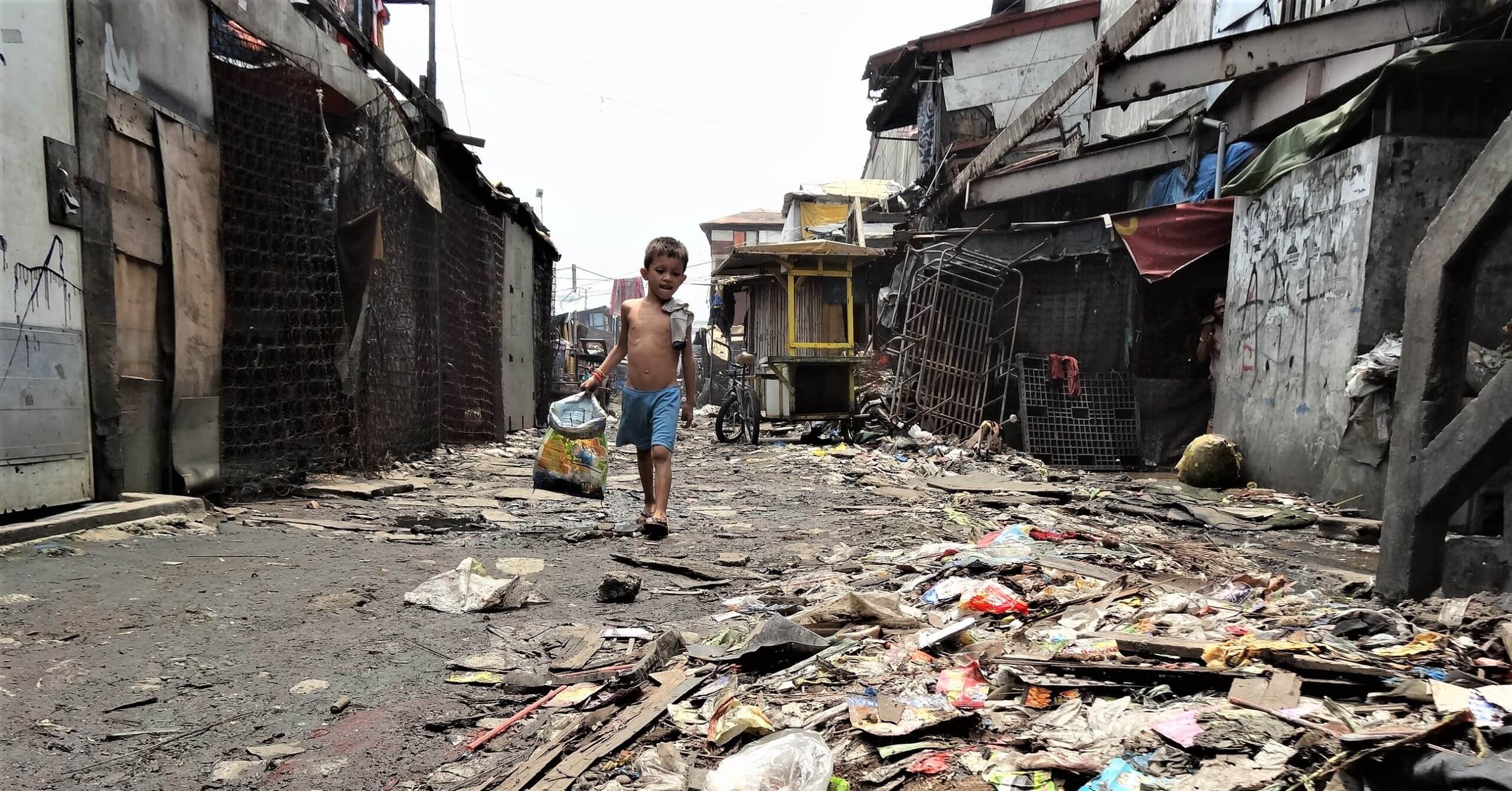
After about ten minutes of pedalling we eventually find our way into a few backstreets, and attract a few looks from the residents. Poverty is evident here, but there are an abundance of smiles nonetheless.
After around 20 minutes we arrive at Rizal Park, named after the Philippine hero Jose Rizal, who was sent to execution by the Spanish army during the country’s Spanish rule. Despite living in Manila for several months, I had never made it out here before, and was surprised at how enormous and well kept it was. People sat around reading, playing, talking, eating, just like any other park in the world. The only difference was, Celine Dion was blasting from the various loudspeakers erected around the place. Only in The Philippines.
After chilling at the park for a bit, we start the long ride out to Intramuros. By this stage, the roads are getting busier, and we need eyes and ears open at all times. Manila roads are not the easiest to navigate, but our guide Jessie does a great job of directing traffic and helping us through the busier areas. He also rides out front, so if anyone is going to get hit first, it’ll be him.
Even on crowded, four-lane roads, he attempts to direct traffic, and surprisingly, people actually listen to his hand signals and stop when we need them to. I can’t help but smirk – if he tried any of this in New Zealand, he would’ve been beeped and sworn at so many times he’d probably be in tears by now.
As we arrive in Intramuros, the rain is setting in, and we take shelter at a nearby McDonald’s while we wait for it to die down a bit. It doesn’t take long.
From there, we cycle around a bit and check out the famous walls of Intramuros, which were constructed several hundred years ago during the times of conflict. As it’s raining, there aren’t many people, but we still spot a few people doing parkour and the odd couple sitting around cuddling. On a sunny day, I’m sure the place is a little more lively.
Intramuros has a very colonial feel to it, with it’s historical buildings, churches and cobblestone roads. It’s not the easiest place to cycle around, but a must-see spot of Manila nonetheless.
Throughout the tour, Jessie shares stories about the city and the places we visit. Whether it’s the church that is cursed with broken marriages, or the church that no storm or war can destroy, there is a tale behind everything.
My favourite part of Intramuros however wasn’t the churches, or history, or cobblestone roads. It was the street art. Throughout the area you will find some beautiful and culturally relevant artwork, which brings the streets to life:
After Intramuros, we start the ride back towards Rizal Park, only this time, we visit the other side (it’s huge). Here we check out the Rizal monument (where the hero’s remains lie), and Jessie tells us the story of his execution and it’s significance in Filipino history. Then, a quick toilet break, a chance to shake out our legs, and we start the ride over to the Manila Bay waterfront.
By now the sun is starting to set, and we have the pleasure (or displeasure) of riding our tiny bikes out of Rizal Park and down Roxas Boulevard in Manila’s rush hour. As expected, the traffic is crazy, but it’s not has hard as I imagined.
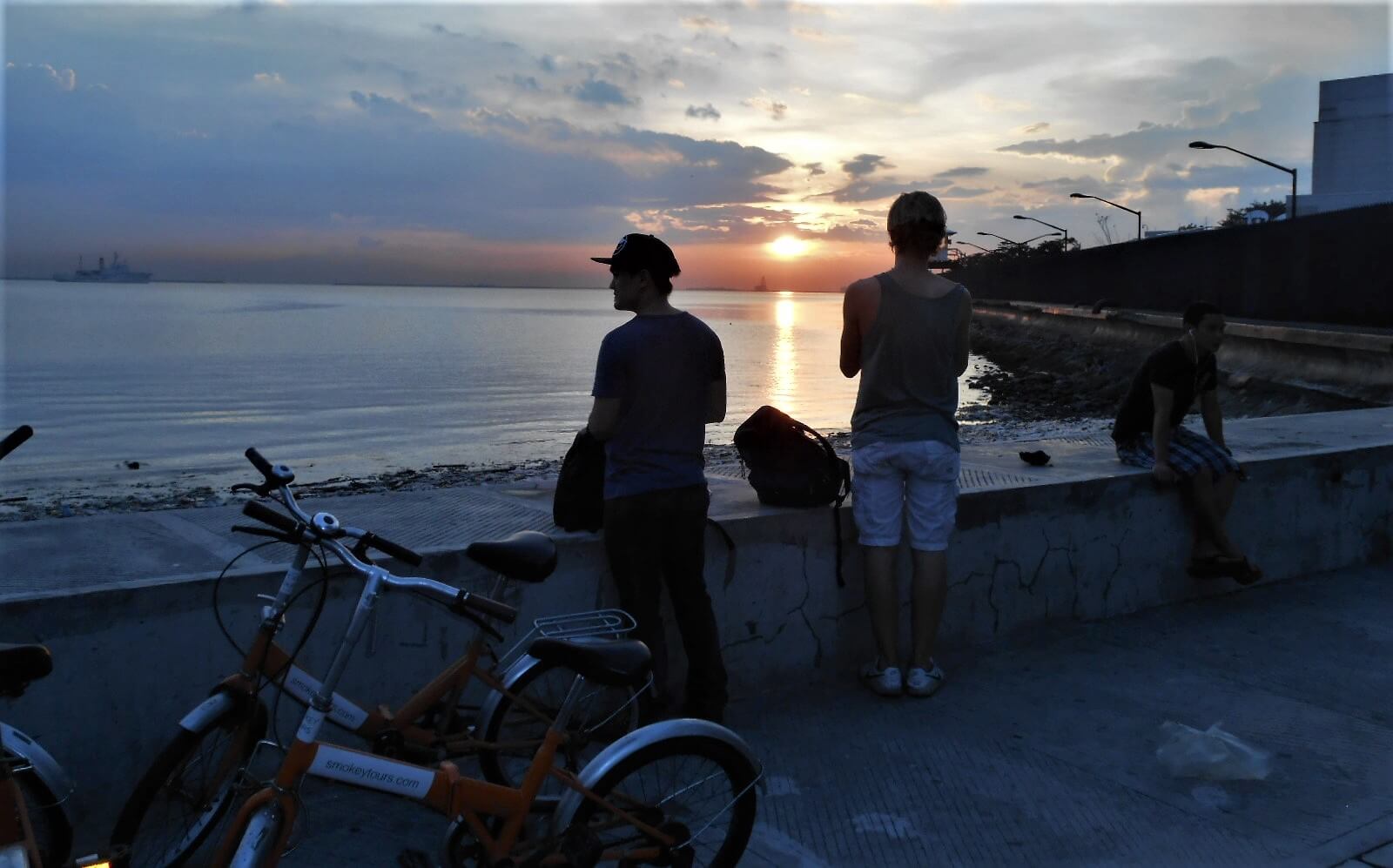
When we finally reach the Manila Bay waterfront, we take a break and enjoy the sunset. Like many sunsets in Asia, it doesn’t disappoint.
As the sun comes down, we enjoy a slow, leisurely ride down the waterfront. Families sit together along the water and eat, elderly ladies sell snacks and drinks and the odd person enjoys their evening jog. It’s a peaceful place, full of smiles and laughter, and the perfect end to a long afternoon. Along the way, Jessie also shares a few stories of his own, which paint a wonderful picture of Filipino culture and the way of life here.
Eventually we find our own spot, and park the bikes to sit, relax, and enjoy one of life’s pleasures: a freshly cut coconut.
From there it’s a short ride back to the bike shed where we drop off the bikes, sit and chat, and take a moment to recollect ourselves. We’re all a little tired and weary, but are definitely left with smiles on our faces.
Just another day in Manila.
Want to bike Manila with Smokey Tours?
If you’re visiting the city and want to see it in bit of a different light, the tour can be a lot of fun. It’s around 3-4 hours and you’ll get see quite a few different pockets of the city, with a local to share all the tales that go along with them. Jessie is a fantastic tour guide and you’ll be very well looked after. My only recommendation is you might want to think twice if you’re not entirely comfortable riding a bike. Manila’s roads are no joke, and even though you’ll probably be ok, I wouldn’t risk it (try the Slum tour instead!). All in all, it’s a great way to spend a free afternoon, and if you love exploring and have a sense of adventure, I guarantee you’ll have a great time.
Disclosure: I was invited to write a piece on this tour by Smokey Tours. Smokey Tours covered the cost of my tour. All opinions are my own. You can read my Disclosure Policy here.
World Nomads provides travel insurance for travelers in over 100 countries. As an affiliate, we receive a fee when you get a quote from World Nomads using this link. We do not represent World Nomads. This is information only and not a recommendation to buy travel insurance.
And the smell is…well…the smell is like a mixture of wet clothes and rotten wood. It’s not necessarily unpleasant, but definitely distinct.
I look around at the kids running through the alleys, the women selling ‘useful trash’ such as plastic bags and recycled paper, and the elderly lounging peacefully on their balconies, looking out over it all.
These are Manila’s slums, where, without any provided housing, the homeless have been forced to squat. It’s a very different place to the Manila I’m used to.
My day in the slums starts early. I meet Remy, my guide from Smokey Tours, at 9am at Jollibee, and we jump on a jeepney out to the slums in Barangay 105.
The first slum is actually tidier than I expect. They have rooms with beds and tables, some even televisions, the alleys are paved and running water is available. Life is not easy here by any means, but at least basic human needs of food, shelter and clothing seem to be met, if only barely.
In many people’s imagination, slums are lifeless places full of sick, starving people, fighting to survive, but surprisingly it’s quite the opposite here. People are up and about early, getting on with their day, cooking, washing, cleaning, working. It’s actually a rather lively place.
As we walk through the alleys, we pass an old man cooking something on charcoal made from coconuts. I am not sure how he does it, but it works. Clearly, resourcefulness is key to survival here.
Huddled in one of the corners, we come to a group of kids gambling for rubberbands. It’s obviously popular, as I’ve seen it getting played in a few different corners of the slum now. They laugh and scream wildly, having the time of their lives. It is always refreshing to see the innocence on a child’s face, happy and oblivious to the complicated world around them. I think about how, and why, I was given such luck in the ovarian lottery, born into a two-storey home in upper-middle class New Zealand. Compared to these kids, I grew up in a fairytale, yet their smiles are brighter than ever.
Eventually we get to the river Estero de Vitas, which lines the slum.
By the riverside, I spot two ladies working on a few piles of fish. I walk over to take a closer look, and they glance up and smile at me. The fish they are processing is bangus, a Filipino food favourite, and they work through them at light speed; one does the cleaning and gutting, the other bones the fillets. Soon it becomes clear how they do it so fast – they’ve been doing it for 40 years.
It is jobs like these that keeps the households fed – most fish are sold, some are kept for food, and the income gives them a means to keep on surviving.
As we come to the end of the river, Remy points out another type of slum-dweller underneath the main bridge. Here, homes hang over the water, made from tarpaulin and scrap wood, seemingly hanging in mid-air. I stare at them for several minutes, and still can’t figure out how they’ve managed to build them.
These homes are far more primitive than the ones I’ve just seen. The men who live here work mostly as scavengers, sorting through the river trash for useful bits of plastic, metal and other materials. This is then sold to junk or recycling shops, allowing these people to make a living.
As we cross over to get a closer look, a couple of girls living there come to show us around. We walk through the houses above the river, of which there are many, all made of recycled wood and other scrap materials. I feel like at any moment it’ll collapse and we’ll go plummeting into the water.
I look inside some of the homes and see how tiny they are. Somehow, families of 7 or more manage to live together in a shack no bigger than a standard western bathroom.
At this point, I am not quite sure what to think. The conditions just seem so unlivable to a first-world child like myself, almost on par with some of the places in rural Africa. However, at least in those places there is land to farm and build proper housing. Inner city poverty is a different beast. There is no land, no toilets, no electricity, and to make things worse, typhoons destroy the slum each year, after which the dwellers are left to rebuild. With the comforts of the city so close by, it is hard to understand how so many people are left to live like this.
Next, I’m taken over to the temporary housing slums over at Barangay 105. This houses the residents of the now closed Smokey Mountain slum, which sits just a few metres away.
Again, the most common way of making a living here is by scavenging. Residents will spend the day looking through trash and collecting bottles, tyres, plastics, papers and metals.
Once collected, these items will be sold to junk shops who will sort and on-sell them to be processed. Most scavengers can earn around $3 a day doing this, which is usually enough to feed their families.
As for the women, they are often employed as sorters rather than scavengers. Most can earn up to $3 a day, sorting trash so it can be packed up and sold.
Like everyone, people here need to eat, and again they depend heavily on the city trash for this. In a separate sorting area, people rummage through the trash from fast food restaurants, mostly from KFC and McDonald’s. Scavengers pick through the trash and collect leftover scraps of food to be cleaned and sold.
Each morning, residents of the slum come to purchase the bags of food, which have been sorted into small packages. One common item is the ‘pagpag’; leftover scraps of fried chicken, which are then re-fried and served with rice. Lots of different scraps are sold, but the pagpag is by far the most popular; usually sold out by 9am each day.
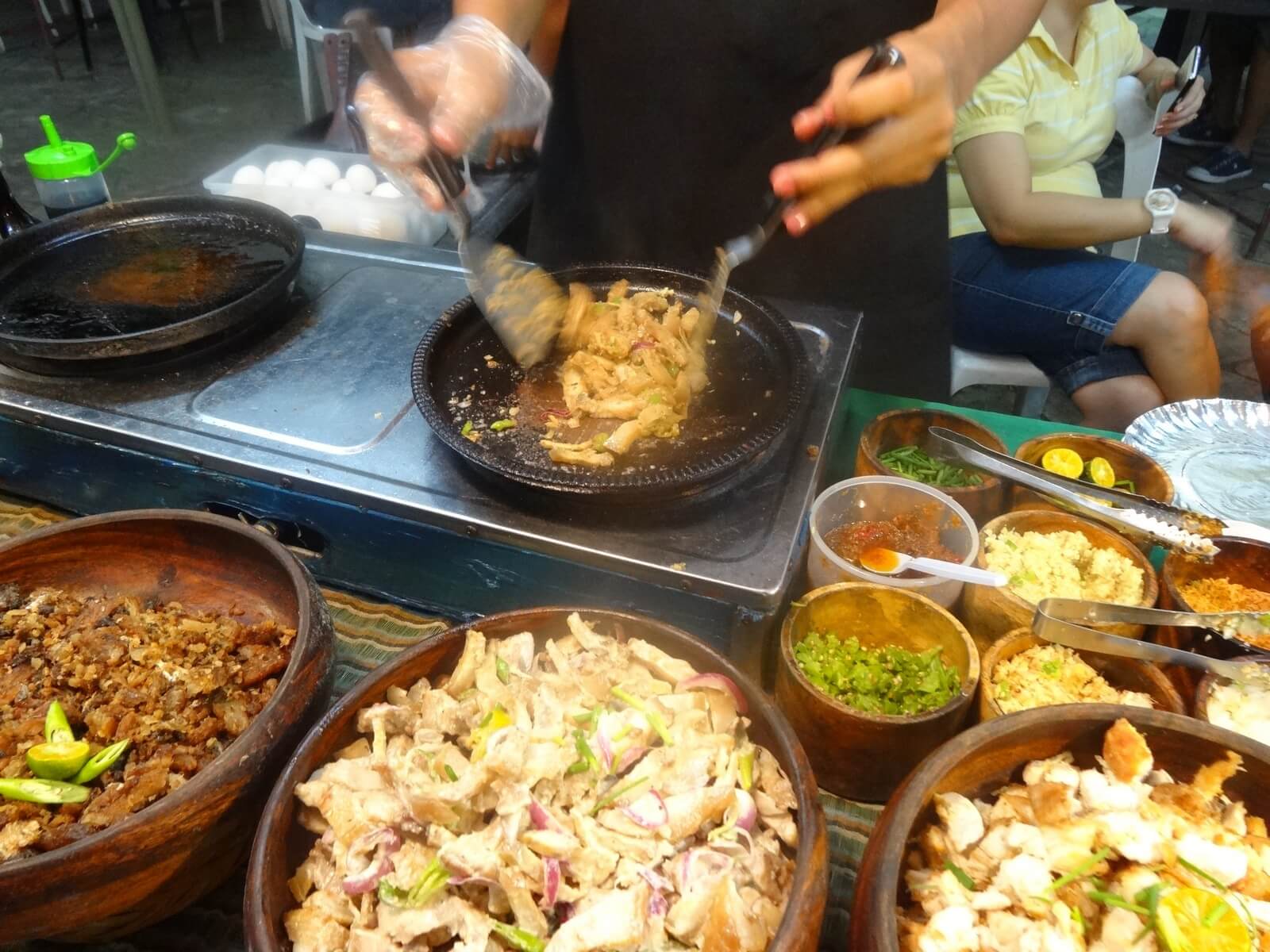
Down the road I’m lucky enough to find a woman cooking up her pagpag for the day. As is, it hardly looks appetising.
Once it’s been washed, it’s thrown into the wok to be deep fried. It actually smells pretty good.
After a few minutes of sizzling, it’s time to eat:
Once it’s all been tipped onto the plate, she holds it up to me and gestures for me to take the first piece.
How could I say no?
Funnily enough, it tastes just like KFC. Who would’ve thought?
We spend the rest of the afternoon wandering through the slum in the midday heat.
People often stop to smile and say hi to me, or stand up and wave from a distance. Despite the warm welcome, I feel like an intruder. I feel many of them may be embarrassed at my presence, as if their home is so poor and desolate that it’s actually become a tourist attraction. If they only knew how much I admire their resilience, and it is I who feels small walking next to them.
Interestingly, despite the hardship, I come to the conclusion that the slum isn’t exactly a sad place. People are fed, they have water, they have shelter, and seem to go about their day with a smile on their face. It’s a hard life, definitely, but not a hopeless one. Families eat and play together, sing karaoke, and do their best to enjoy what’s been given to them. It’s a welcome lesson in gratitude that we could all use from time to time.
Smokey Tours runs this tour in partnership with an NGO called BYSMP (Bahay At Yaman Ni San Martin De Porres), which receives all of the tour profits (yes, all). After the tour, we go to check it out.
Here, children from the slum are provided with food, schooling, clothes and healthcare. The facility is excellent, with a fully equipped dining room, kitchen, classrooms, dentist and health clinic.
It’s incredible how small NGOs like this can stay so under the radar yet make such enormous differences to people’s lives. With a little help, they’ll give many children from the slums a chance at a much brighter future than the generation before them.
And, with the revenue from these tours, Smokey Tours is able to bring some level of awareness to Manila’s inner city poverty, while also contributing financially to the cause. It’s an excellent initiative; one that I am happy to lend my support to.
Interested in a slum tour?
If you’d like to get out of the Makati markets and shopping malls and get a look at the other side of Manila, I’d highly recommend a slum tour with Smokey Tours. Locals from the slums are employed as guides, and the profits from the tours all go towards providing food, schooling and healthcare for the children living there. I never recommend tours or attractions where people profit from poverty, and thankfully this is not one of them.
I highly recommend travelling with insurance. The Philippines is an unpredictable place to travel and you should be prepared for the unexpected. For a beginner’s guide to travel insurance, what it is and why you need it, check out my post Travel Insurance 101: Everything You Need To Know.
Disclosure: I was invited to write a piece on this tour by Smokey Tours. Smokey Tours covered the cost of my tour. Photos are not normally permitted on the tour, but I was given a pass for media purposes. All opinions are my own. You can read my Disclosure Policy here.
So…around three months ago Anton from Our Awesome Planet asked me to write a guest post for him. Excited about being featured on one of the biggest blogs in the Philippines I said “Sure! About what?”
He said, “If you were to write an open letter to Filipinos about the things they don’t appreciate and the things they need to improve on, what would that be?” (more…)
I love Manila. It’s a great city with great restaurants, great people, great shopping and great affordability. However there’s one big problem with Manila that is never going to change.
It has. No. Beach!
The good news is the Philippines has some of the best beaches on the planet, some of which are not too far from the capital. If you’re after your fix of sand and sun, a little weekend road trip is enough to have you sorted.
The journey to Cagbalete Island starts before sunrise. A public bus leaves every morning at 5am which you cannot miss (it’s from the JAC Liner terminal in Cubao). It will take you straight to Mauban in Quezon, where you’ll jump on the ferry to the island. For reasons unbeknownst to me, we decided to take the longer, roundabout route, with a 4am bus to Lucena, followed by a second bus to Mauban. What fun is life if you don’t do things a little different now and then?
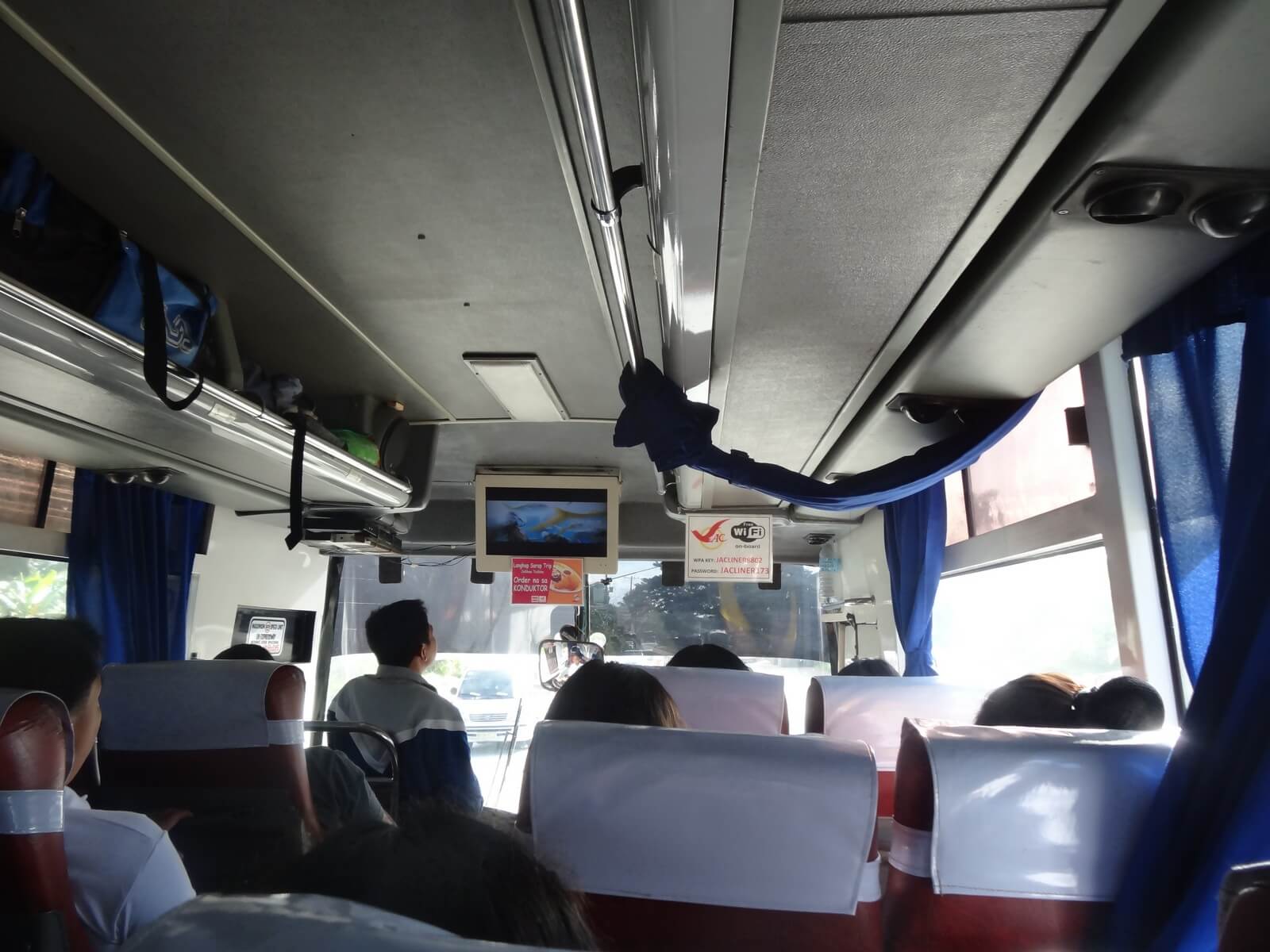
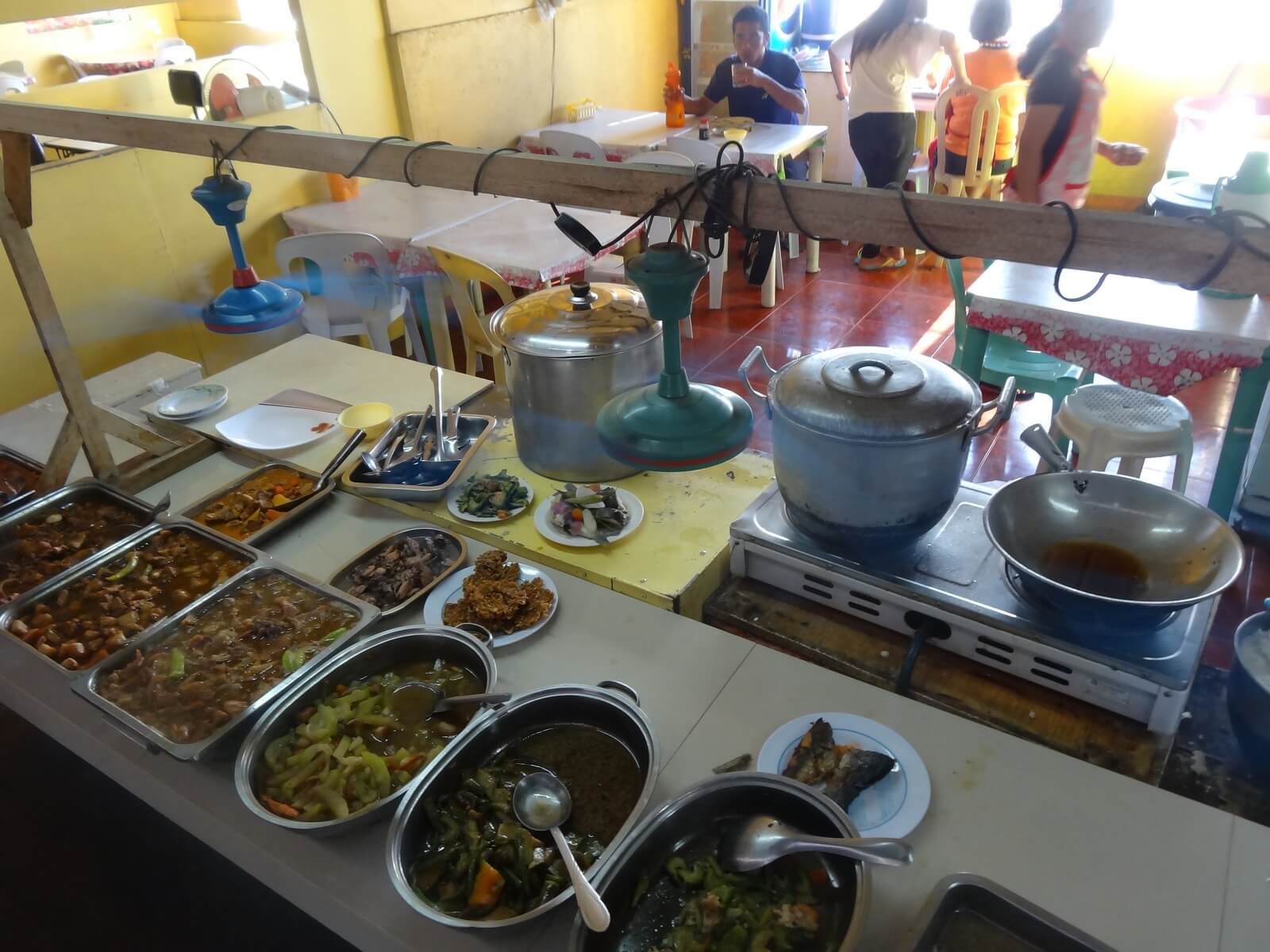
It’s a refreshing bus ride to Lucena. The buses are modern, probably with a TV playing The Fast & The Furious, along with reclining seats and a working AC. After a short 3 hours, you’ll find yourself at the Lucena bus station, with a wealth of Filipino food to appease your growling stomach.
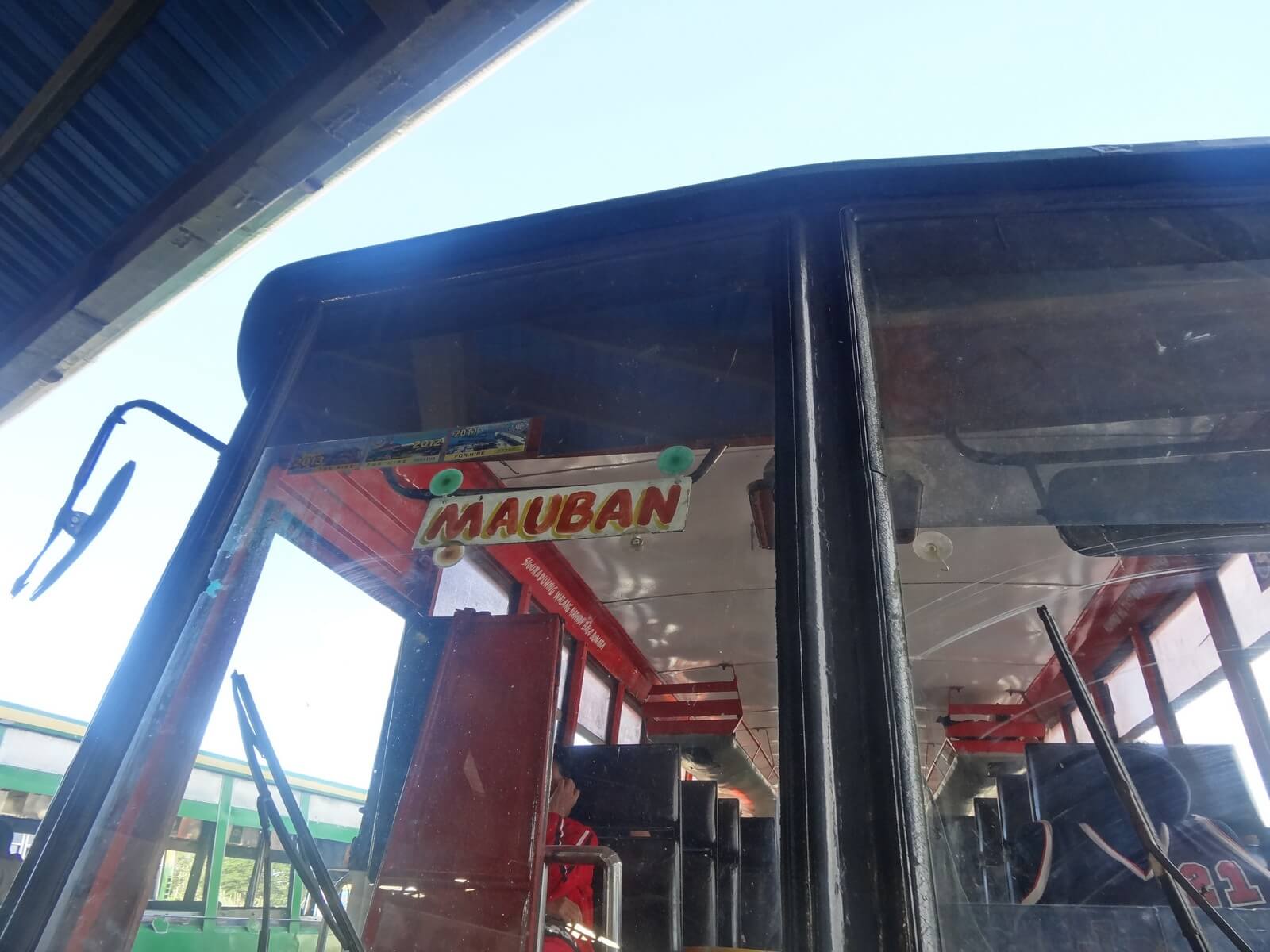
From there it’s another 2 hour bus ride, heading to the town of Mauban. Here’s where the real journey begins. It’s an old and weathered bus, which chugs along at a snail’s pace. The seats are hard and unforgiving. The only AC is the open air windows and the panels vibrate with the rattle of the engine. But it excites you, because there’s not a single foreigner on this rickety old bus. Hell, there’s hardly any other people on it, and that alone tells you that something good lies ahead. The road less travelled is always the most rewarding one, and the road to Cagbalete Island seems to be hardly travelled at all.
The bus ride offers a pleasant glimpse into rural Philippines. Staring out the window is like a filmstrip of banana trees and beautiful greenery, minimalist houses and bunches of laughing kids playing outside with nature. After a slow but easy two hours, the bus finally pulls into Mauban.
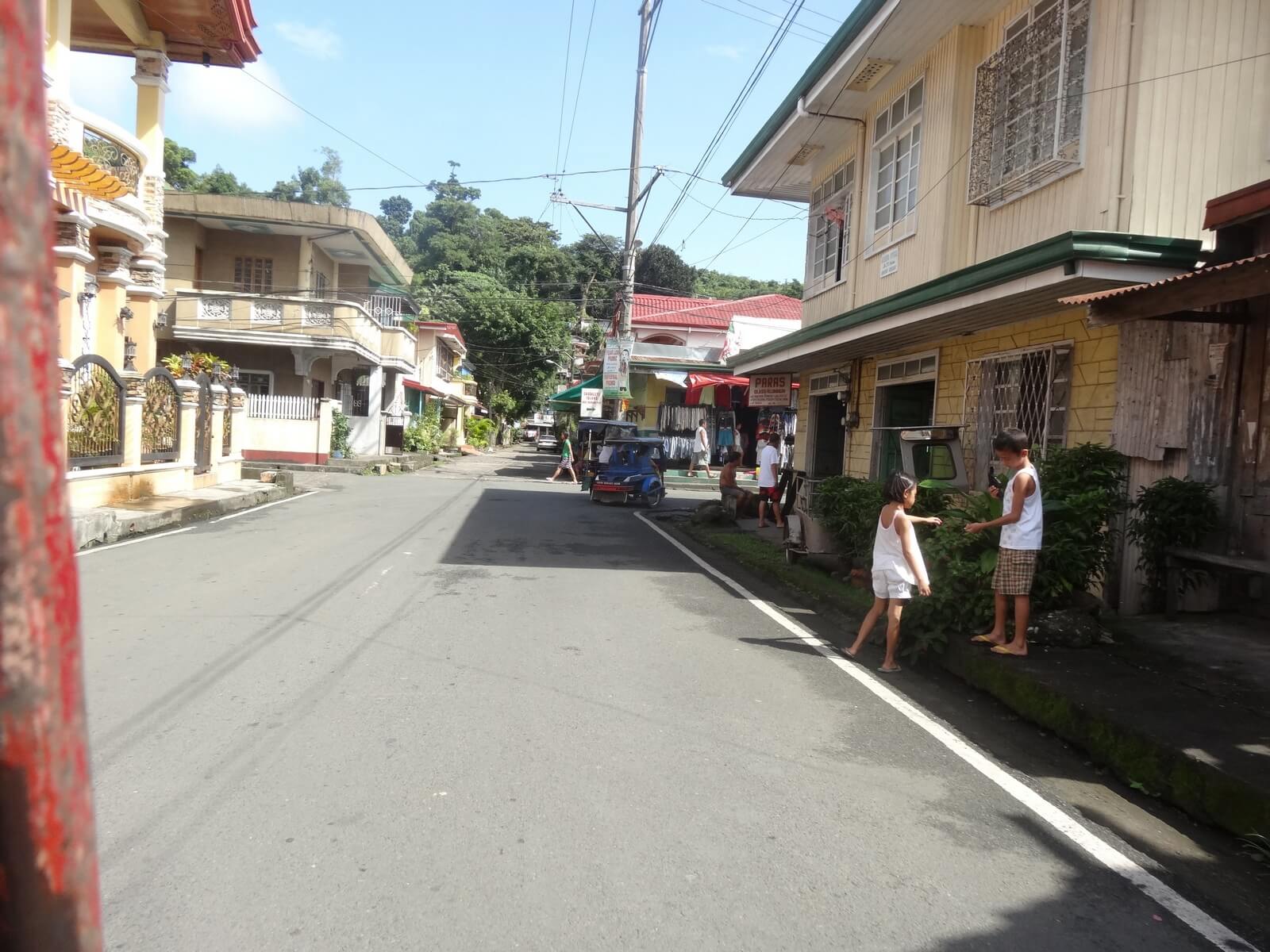
Mauban is everything you expect it to be. A tranquil little town, where people live in peaceful simplicity. There are no rush hours here, no valet parking. Smiles? Yes, lots of them. Something tells me that’s not a coincidence.
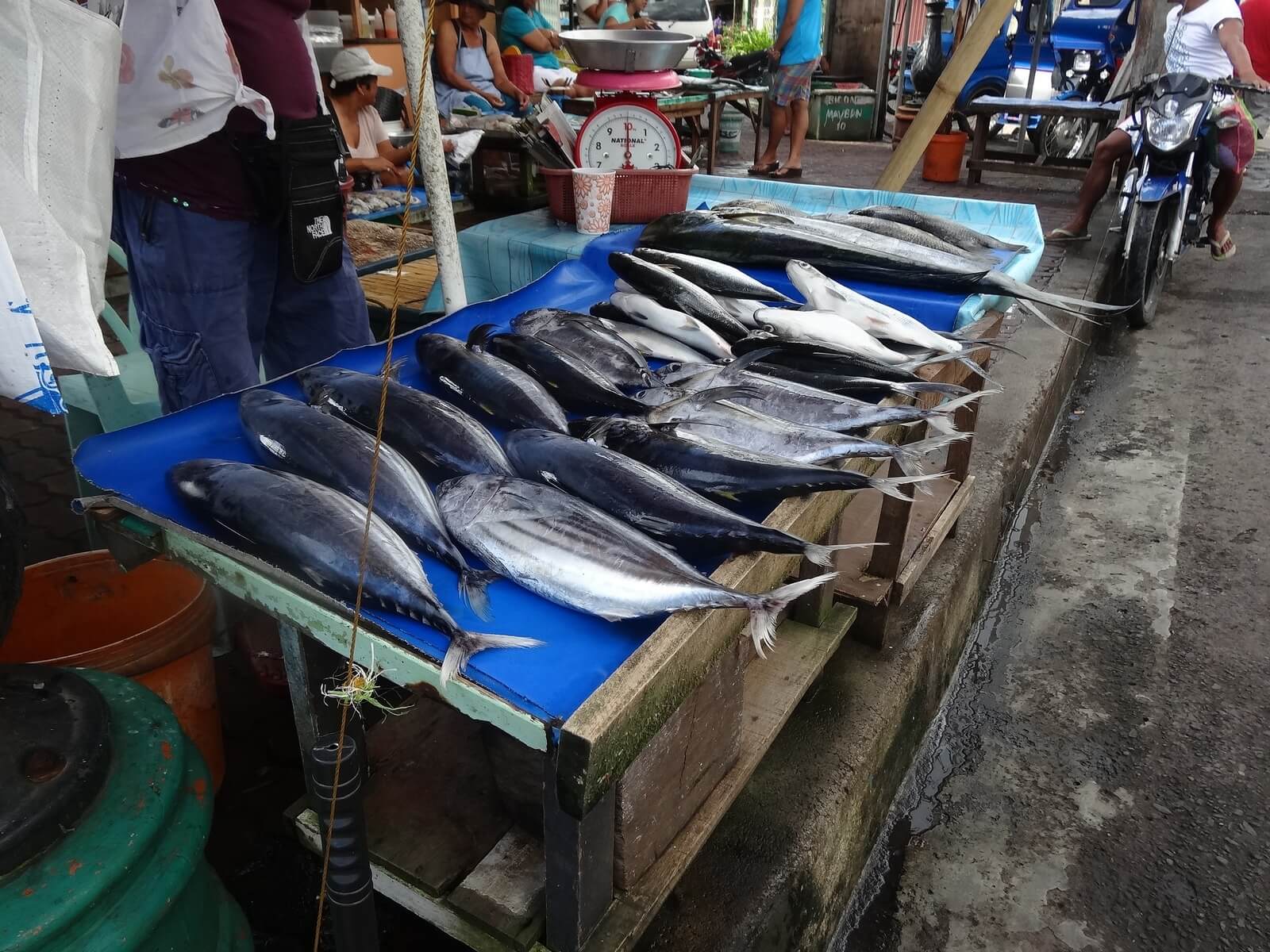
As we make our way through the town, it seems common to buy meat, fish and vegetables at the market to take with you to the island. I’m sensing there is no McDonald’s where I’m going. However, for us there’s no time to shop; our bus has arrived late, and the boat to Cagbalete is leaving any second. For all we know, it’s already gone without us.
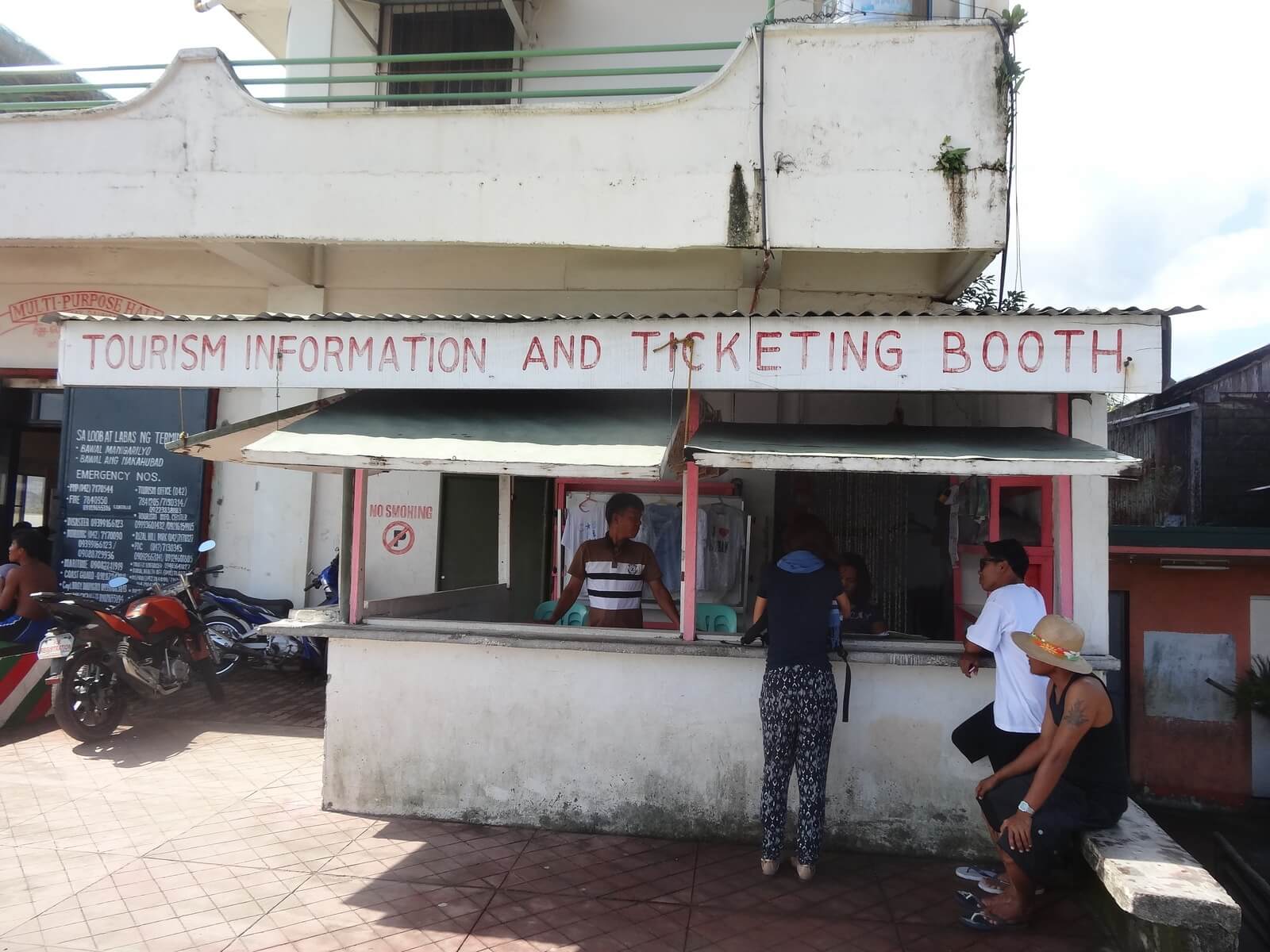
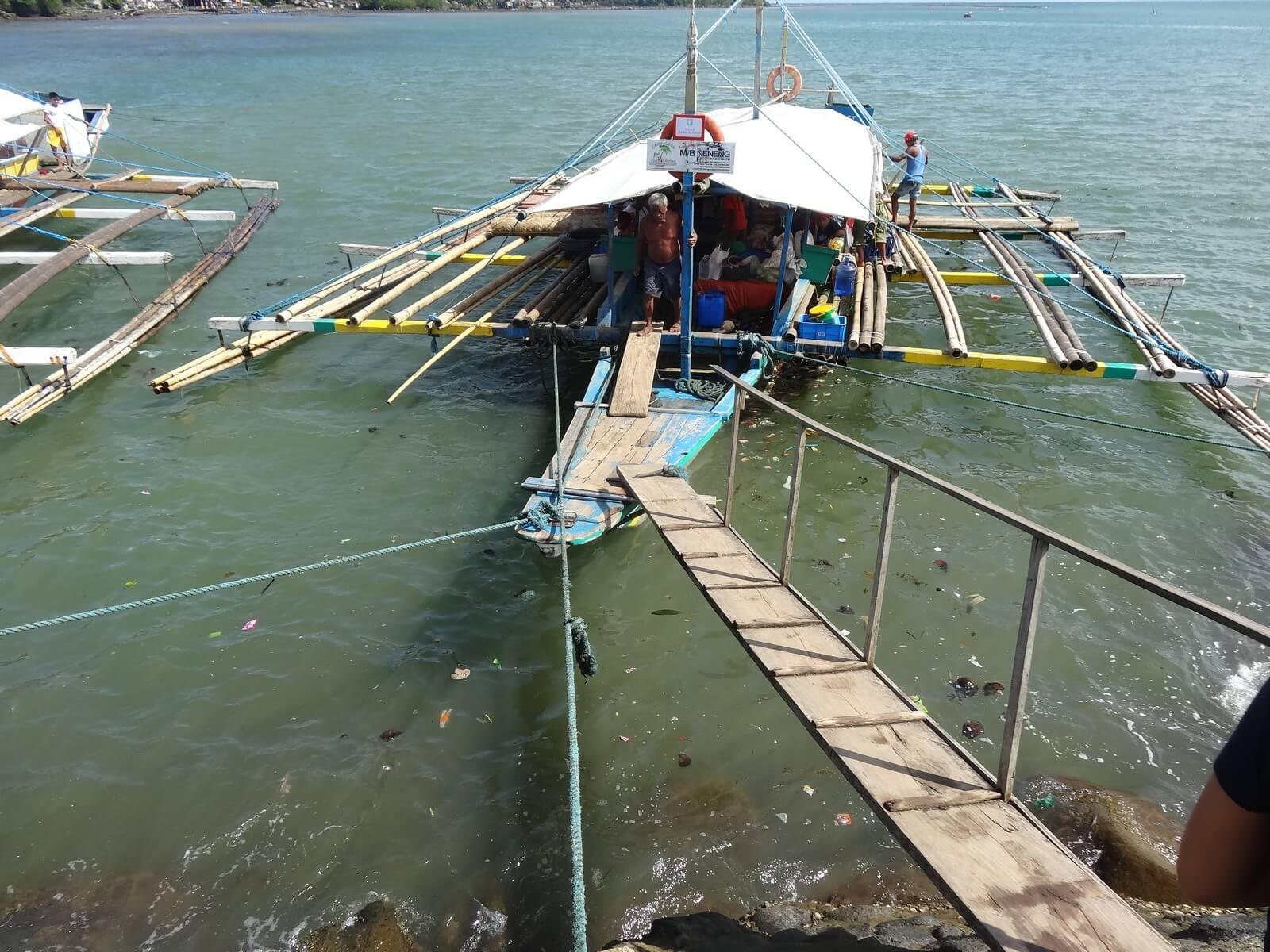
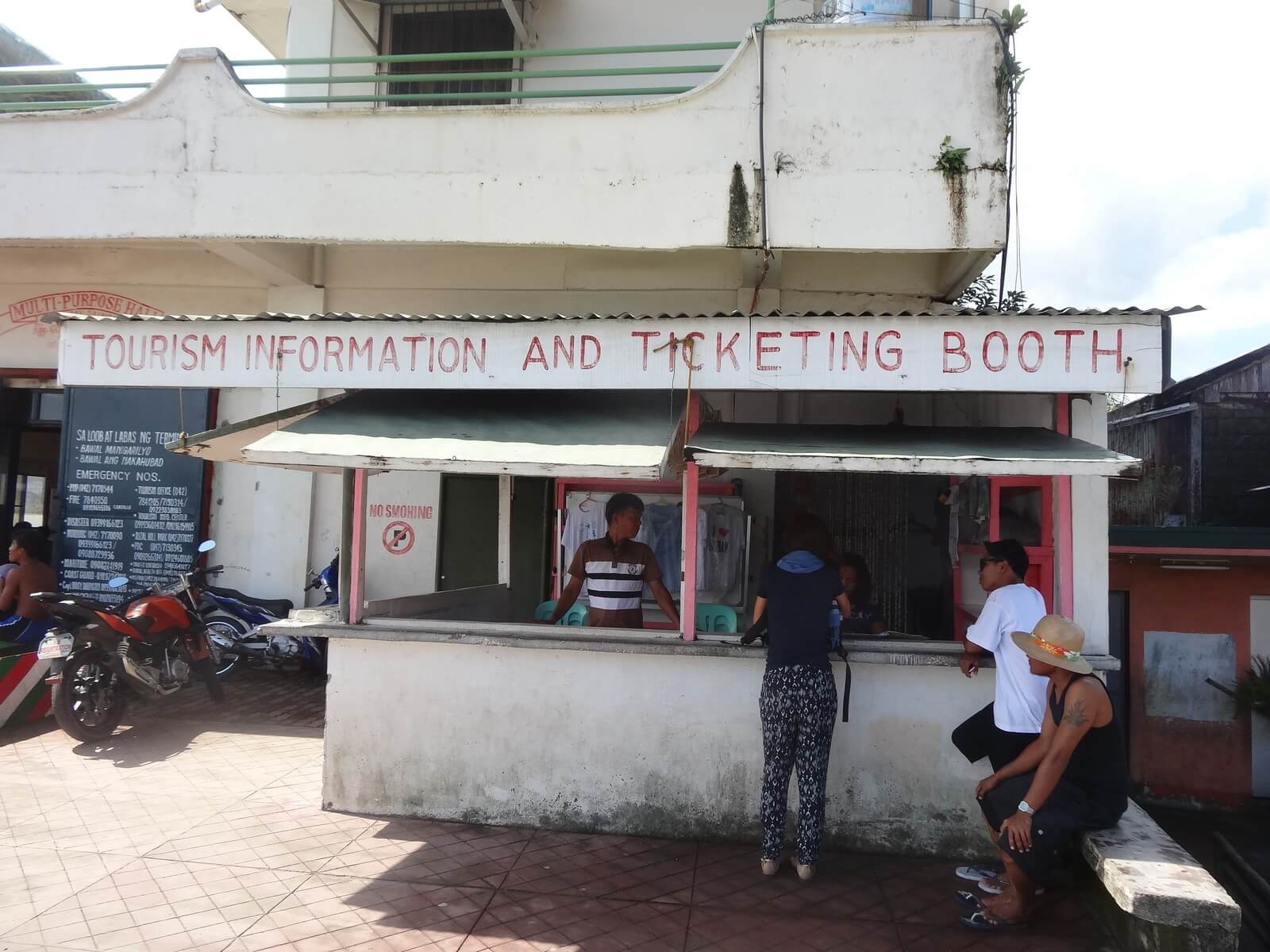
A trike takes us to the ferry and we rush out onto the jetty, stopping at the ticketing booth to pay our fares. I scamper to the boat and hurry on board, relieved that it’s still here. After all, we’ve arrived 30 minutes past the scheduled departure time.
I’m a fool. This is not Singapore. Things here run on island time, where 30 minutes late is not late at all. We’re on time, maybe even early. Patience is a virtue, and these people are among the most virtuous I have met.
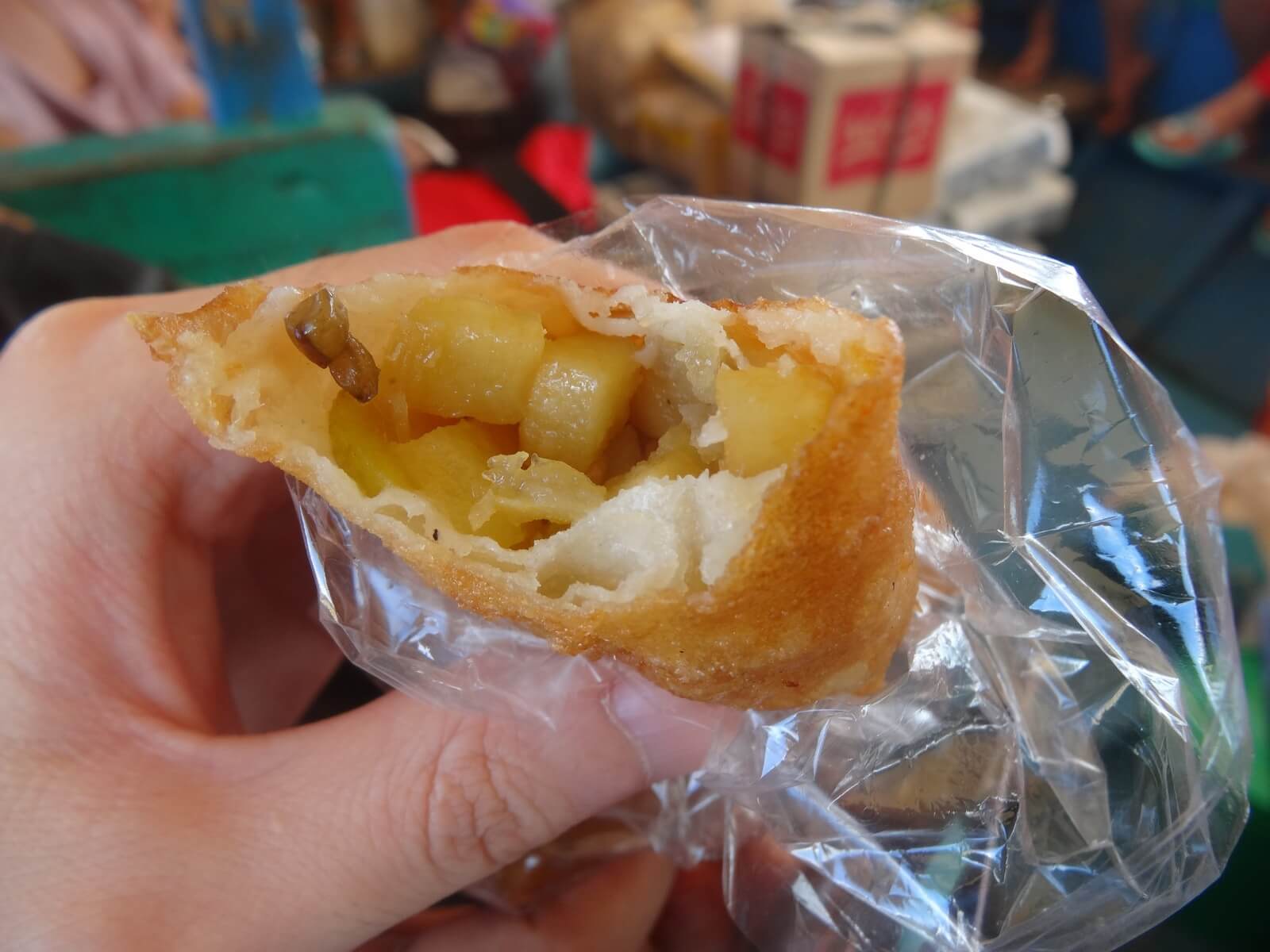
As workers continue to load up the boat with the daily crates of food and water for the island, we indulge in some of the local treats being sold on board. The damage on a lumpia is 8 pesos (20 cents). Those $3 spring rolls at home don’t seem like such a bargain after all…
The 45 minute boat ride is wet, crowded and bumpy. I tough it out.
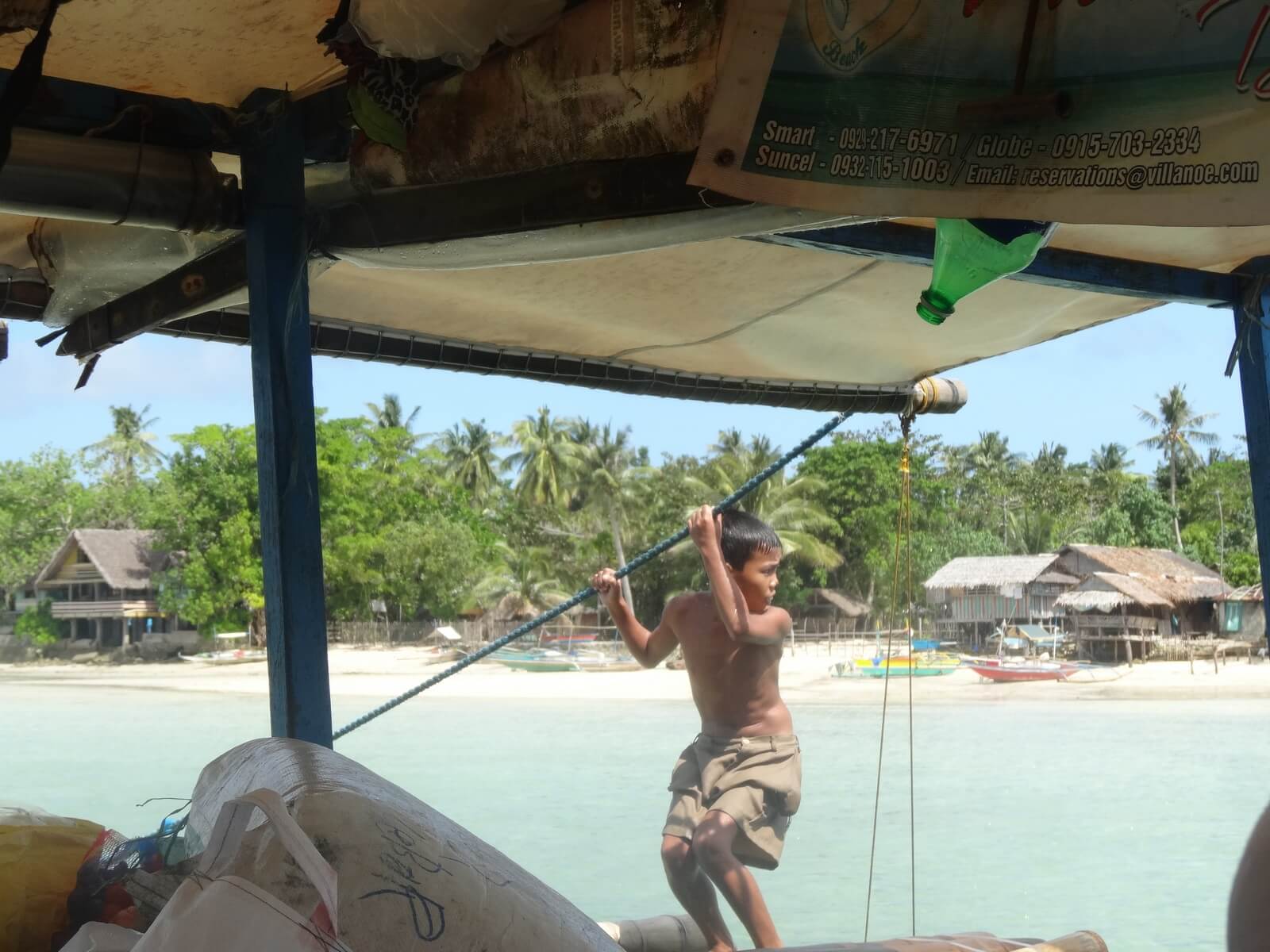
As we pull up to shore the local kids swimming in the ocean jump onto the side of the boat and squeal at me in Tagalog. They are tanned to a chocolate brown, and talk at me with urgency. I smile and hide behind my sunglasses. I later figure out they were simply offering to hold my bags for me, perhaps for a negligible tip.
Kids jump onto the boat as well pull up to shore
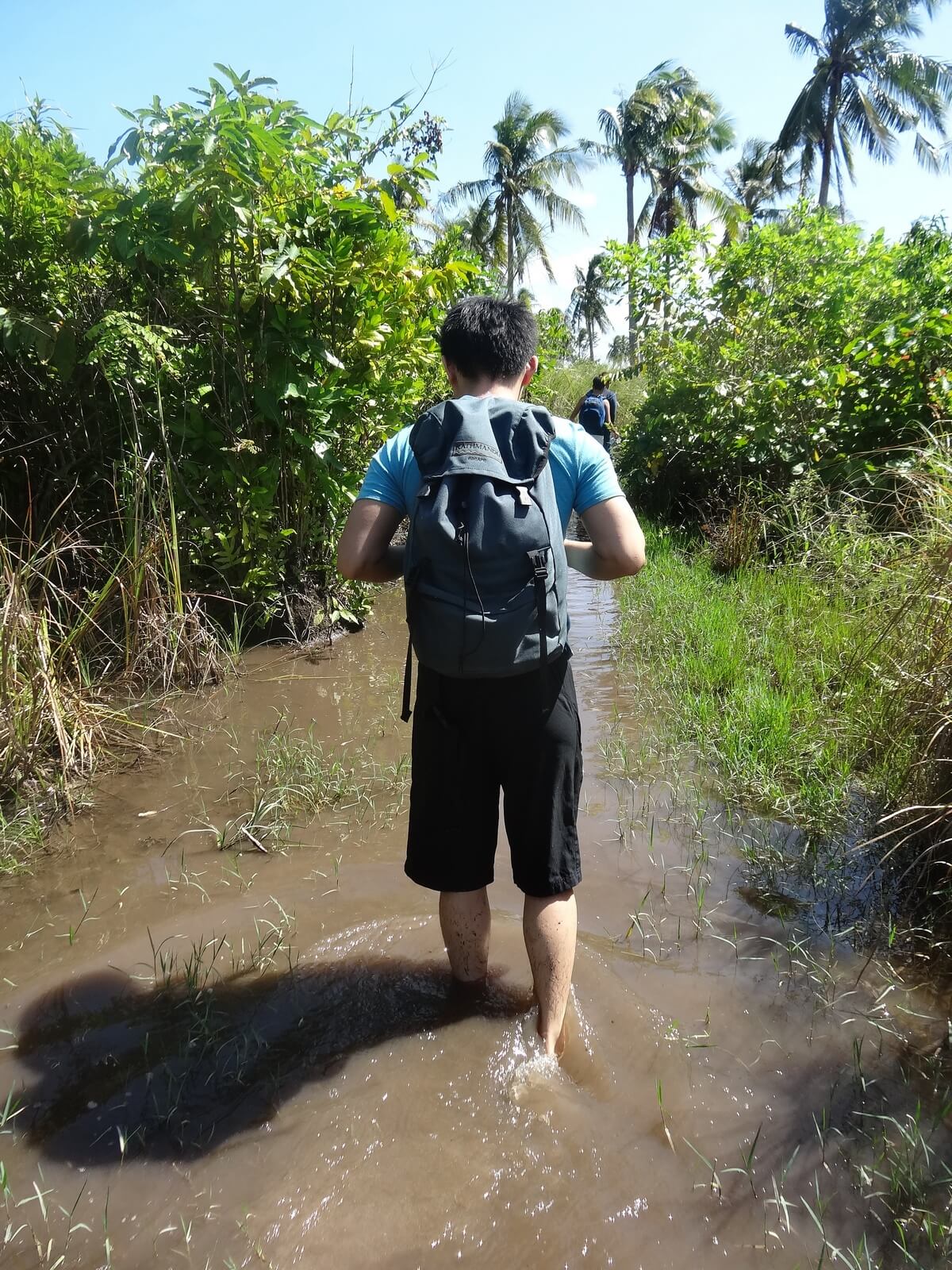
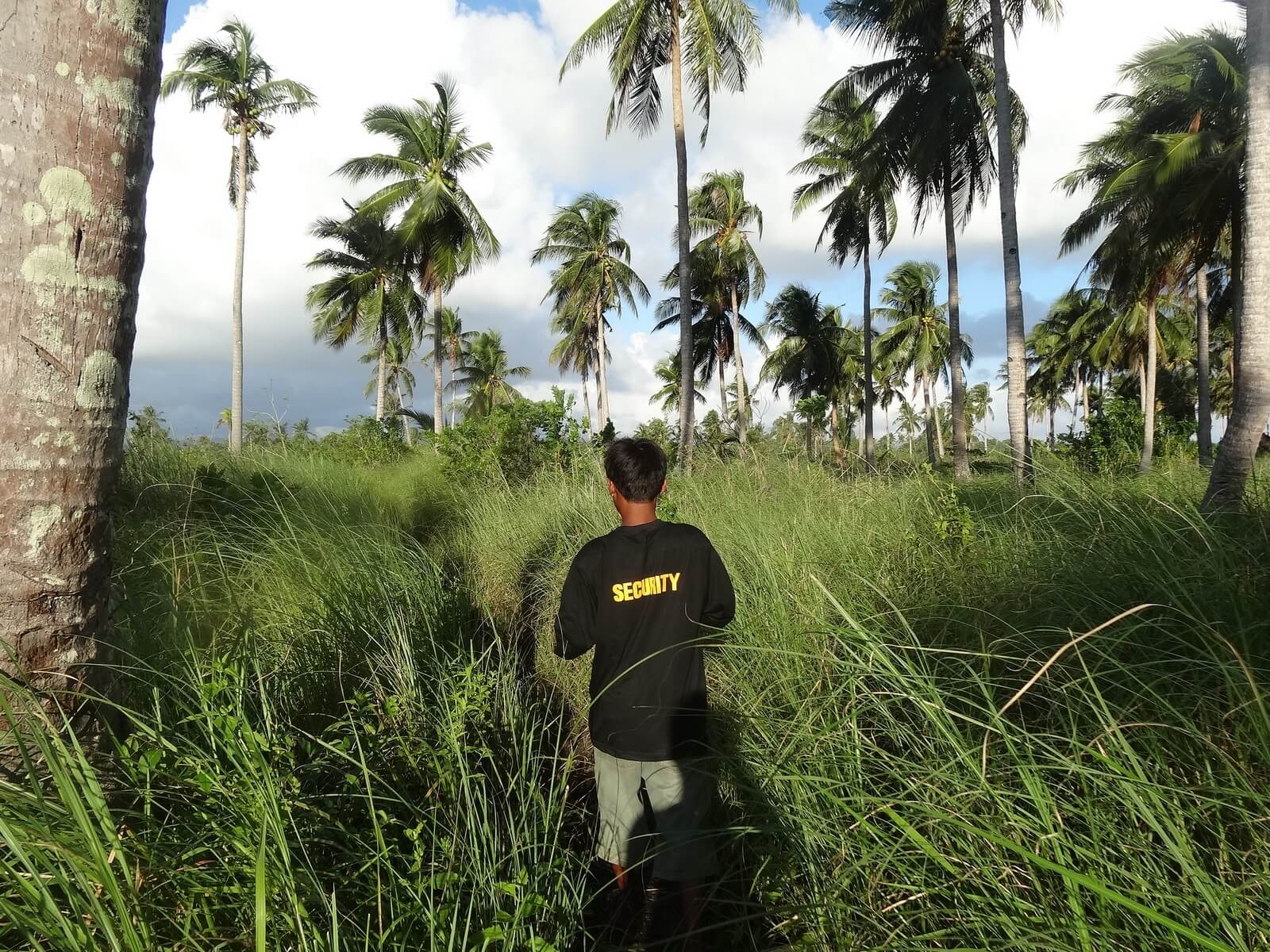
I’ve made arrangements to stay at Dona Choleng Resort, around a 15 minute walk from the dock. Funnily enough, the owner of the resort is on board the ferry with me, so we follow him through the back alleys and out into the open brush. More than once, we need to wade through puddles of thick, sandy mud. It’s all part of the fun.
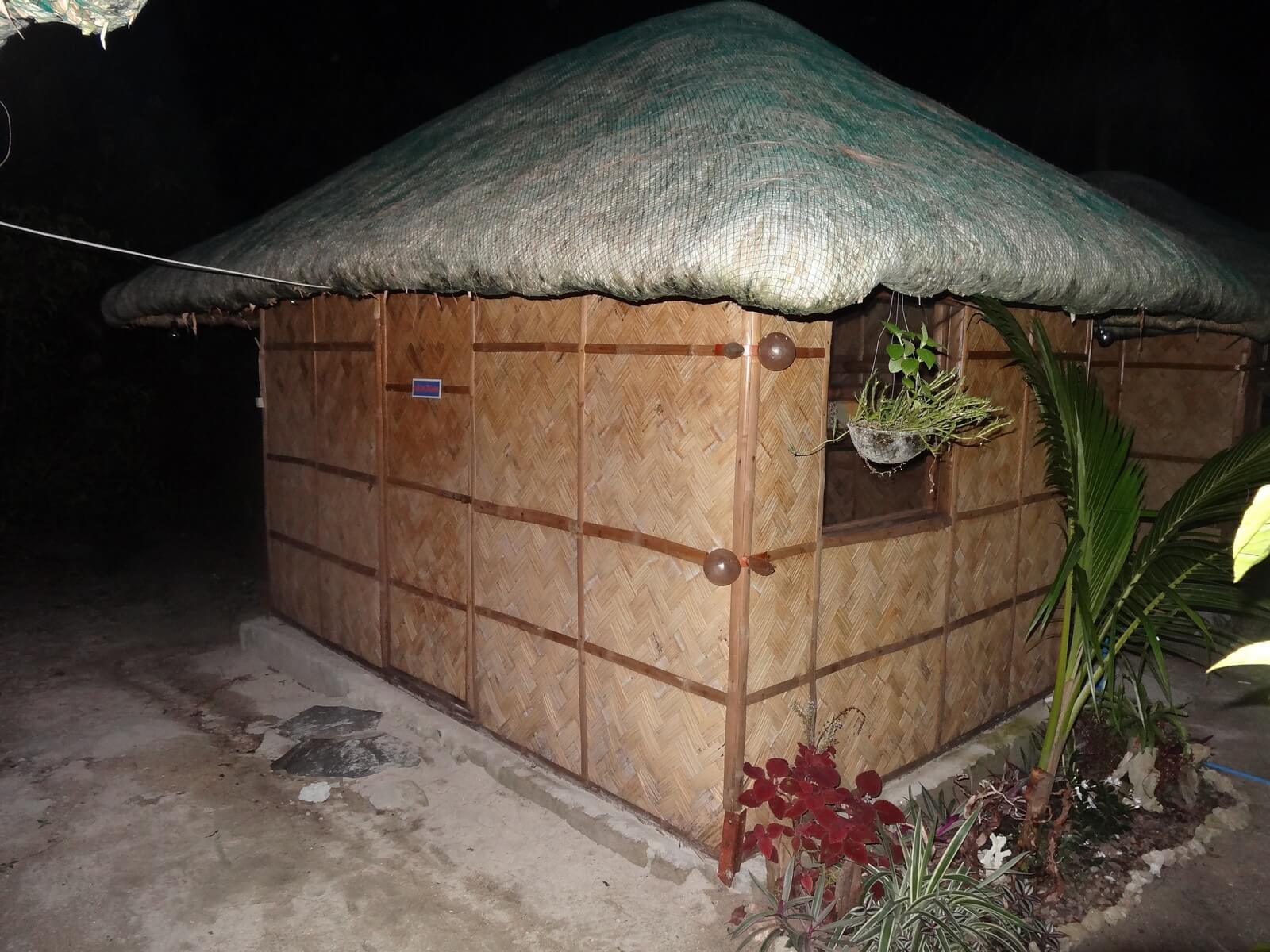
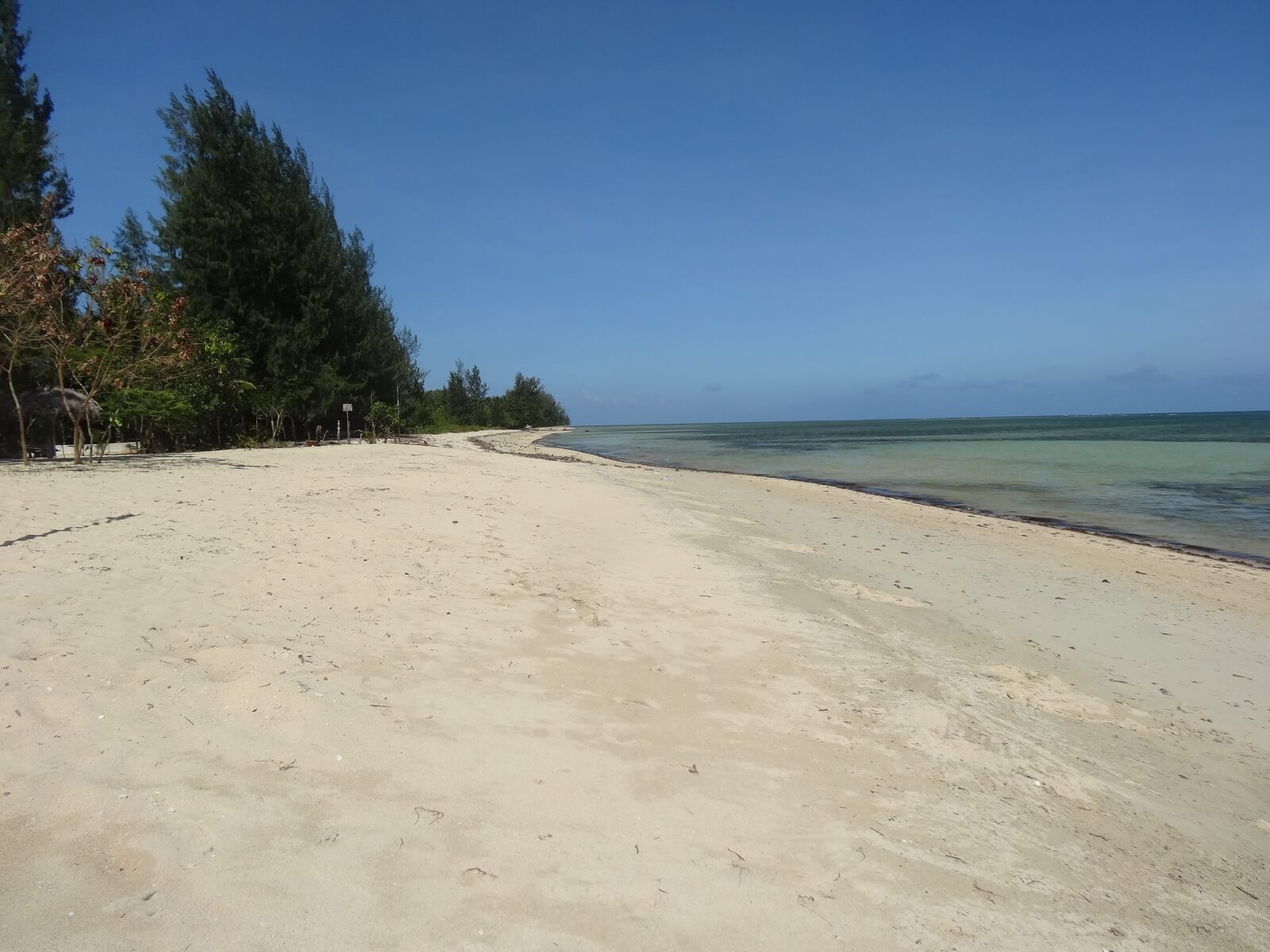
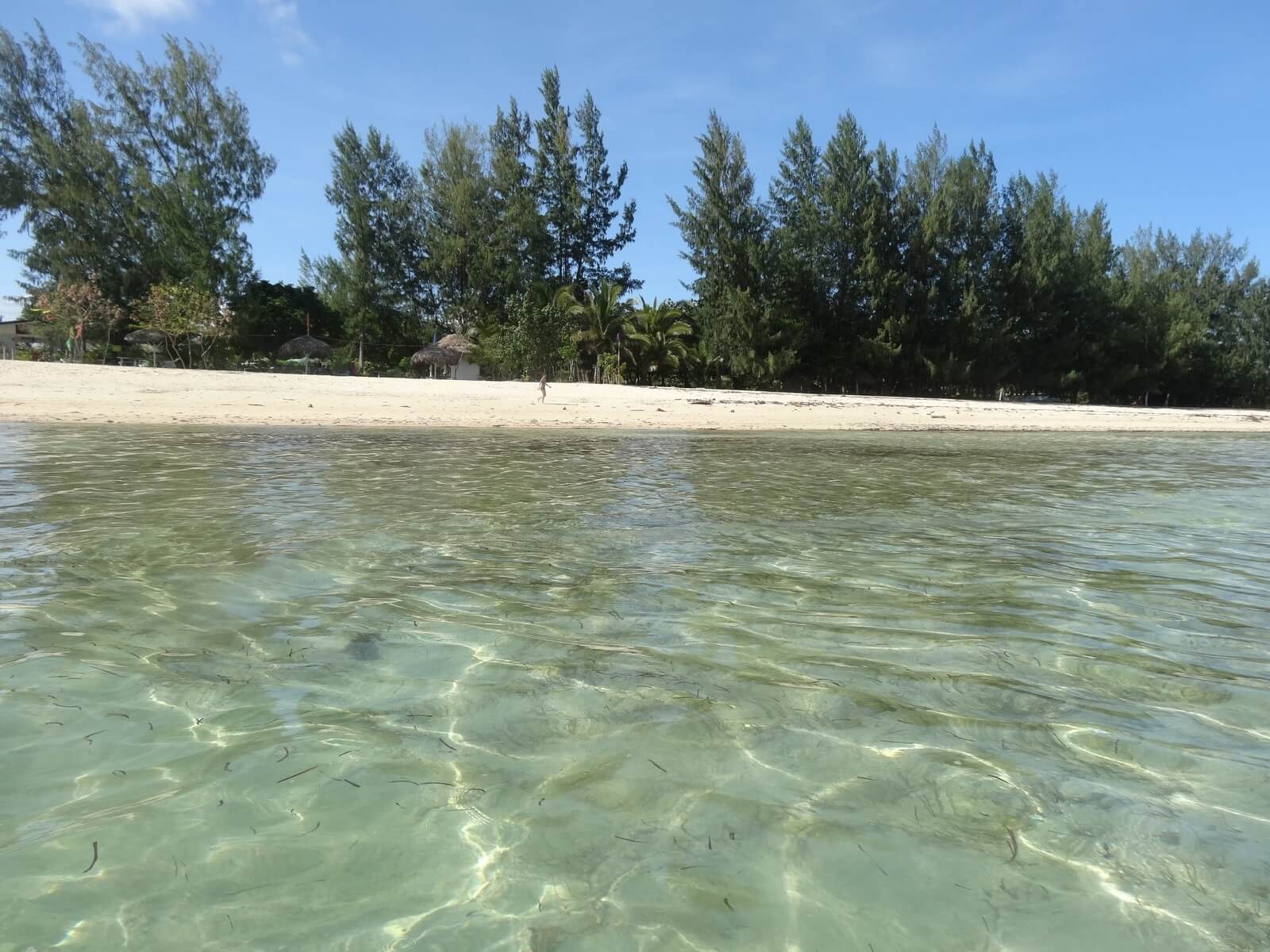
Arriving at Dona Choleng is a refreshing change to the crash and bash of Manila. A collection of bamboo huts line the resort on one side and a handful of cabins line the other, with a private white sand beach lingering just a couple of footsteps away. A hut is 1,500 PHP ($33) for the night. I have no problems with that.
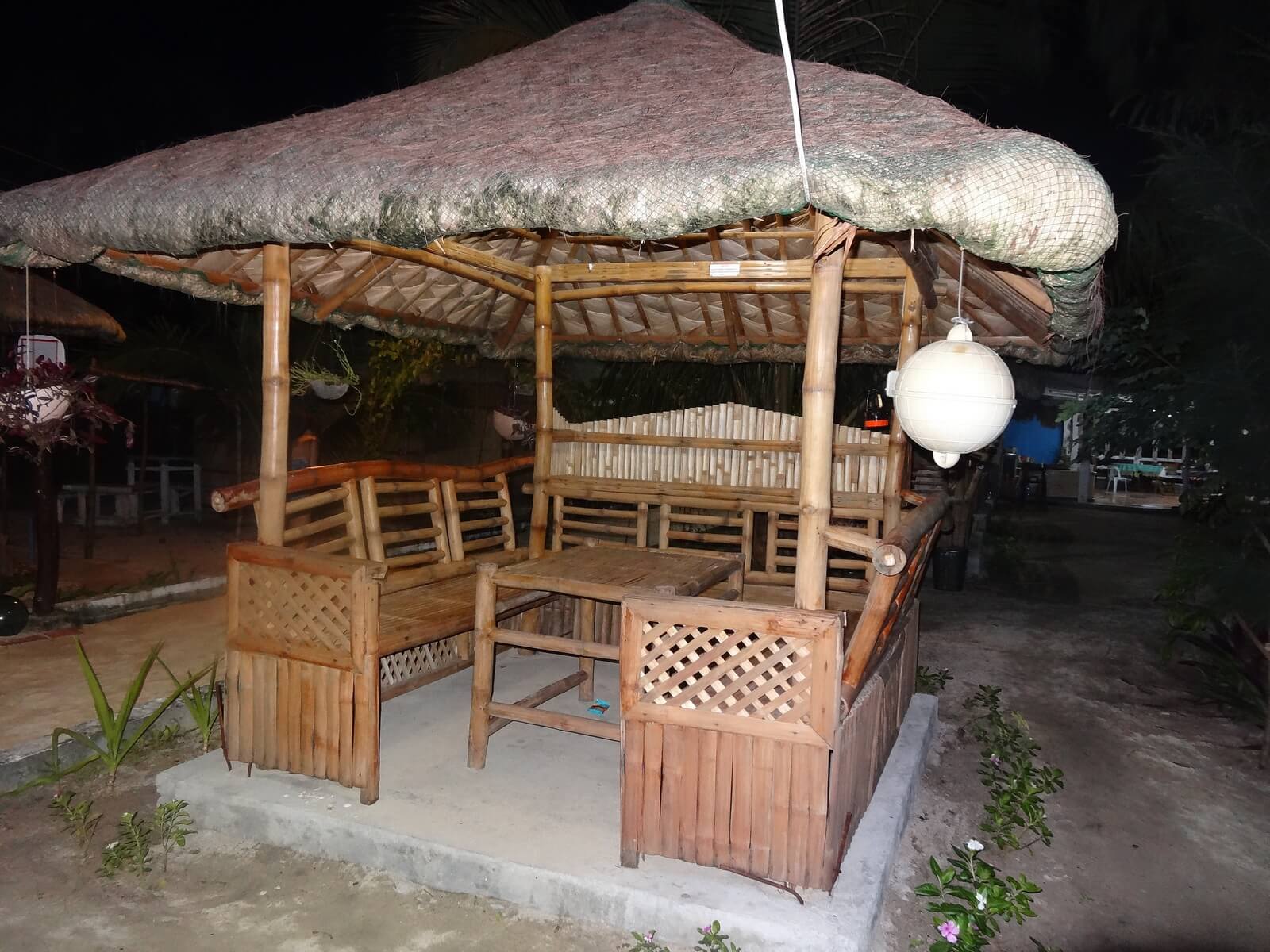
Scattered throughout the resort are open air bamboo cabanas, where meals are served and you can relax with a drink at night. Not a bad way to enjoy the island breeze.
I’m fed well at Dona Choleng. Our stay is fully catered; 800 pesos ($18) for 5 meals a day. At a resort? Yes, at a resort. I need to find more places like this. $18 at home barely gets me an uninspiring salad.
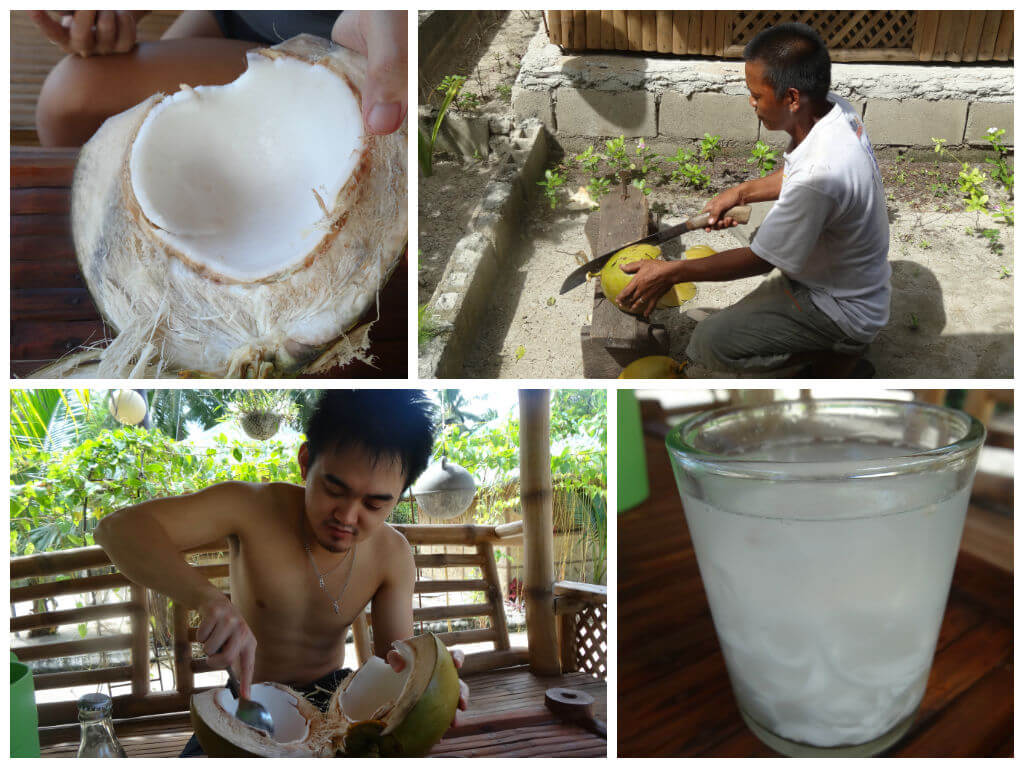
During our first meal I start craving for coconut. In a flash, the staff hunt some down and cut them open, right before my eyes. I eagerly down the juice and devour the flesh. It’s magic. I’m convinced that a coconut a day keeps the doctor away. Apples only pale in comparison.
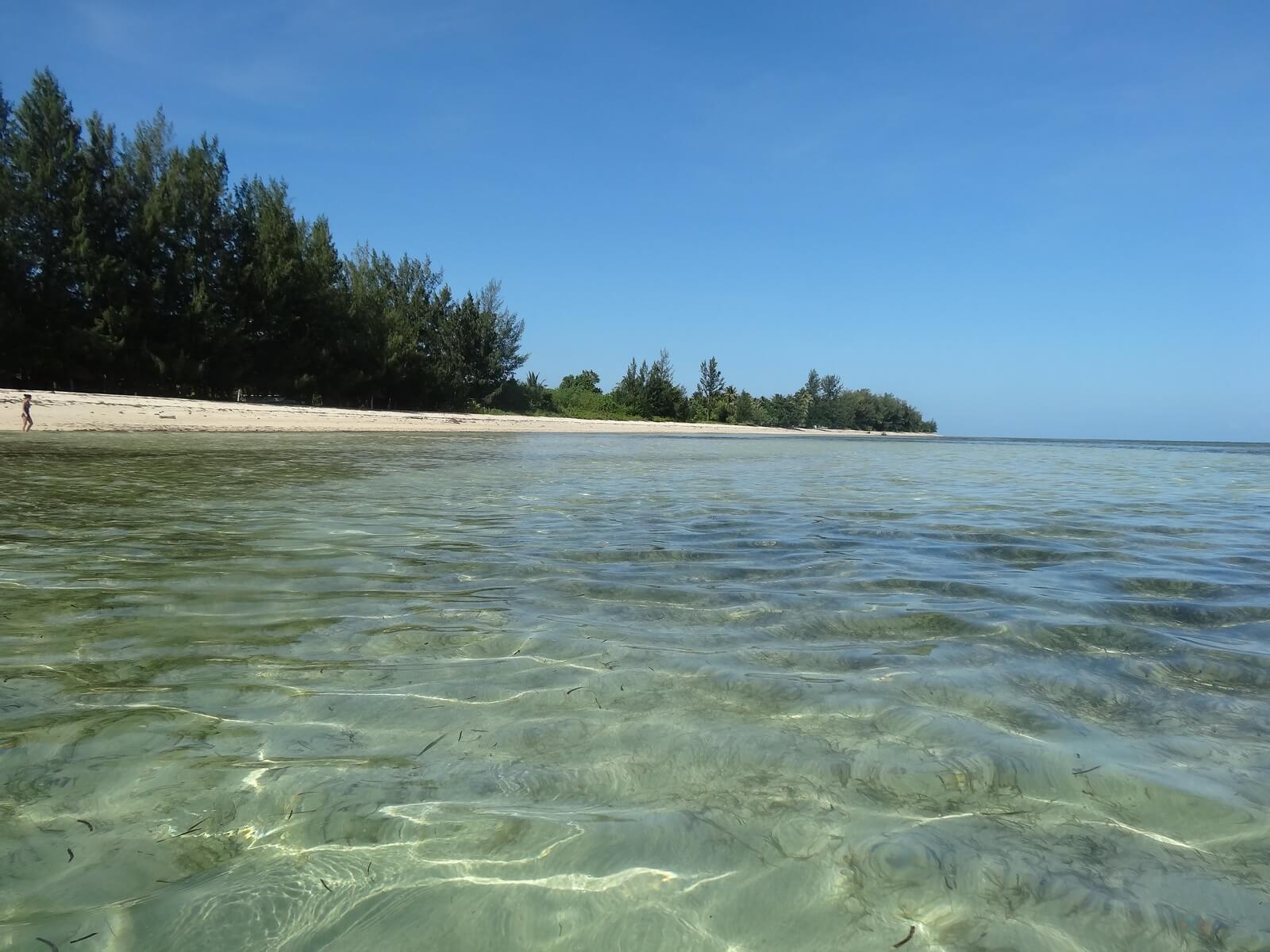
After the gluttony it’s time to hit the beach. It’s November; high season is long gone. We literally have the entire resort to ourselves. Unsurprisingly, the beach is gorgeous. The sand a floury white, the ocean clear and warm. I float in the water and watch the clouds roll by. The freedom is intoxicating. An empty beach is good for the soul.
I sit down one afternoon with the owner Ryan who tells me the story of the place. Dona Choleng is the name of his Great Aunt, who more or less owns the entire island. Consequently, all the resort owners on the island are related. It’s a new resort, built in 2012. The condition of the place reflects that. He tells me I’m lucky I’ve arrived in November; earlier in the year around Holy Week (March-ish) he has over 200 guests at the resort, mostly high school students camping out along the beach. In another decade, that would’ve been heaven.
I ask him about the local people and he explains there is an indigenous population living on the far end of the island, known as the Dumagan (I have no idea how to spell it). I’m intrigued. I ask if I could go visit them but he advises against it, mainly because they’re so far away.
On our last day, Ryan heads back to Quezon to take care of some business, but before he leaves he offers to upgrade me to the resort’s luxury cabin for the night, for free. I make a mental note to remember his kindness, and somehow let him know it’s not forgotten (Thanks, Ryan!) Filipino hospitality is second to none.
After two days of beaching, feasting and eating coconuts it’s time to get back on the road to Manila. However, not before a quick pit stop. Ryan recommends I stop by the town of Tayabas, to eat at a traditional restaurant known as ‘Kamayan’. I have no idea what it is, but I’m going.
After checking out we trek back across the island, one of the resort staff leading the way. He brings us to the loading spot and bids us farewell. As he walks away I call him back and offer him a tip, to which he looks at me in utter surprise. I smile and urge him to take it. His reluctance makes me want to tip him even more.
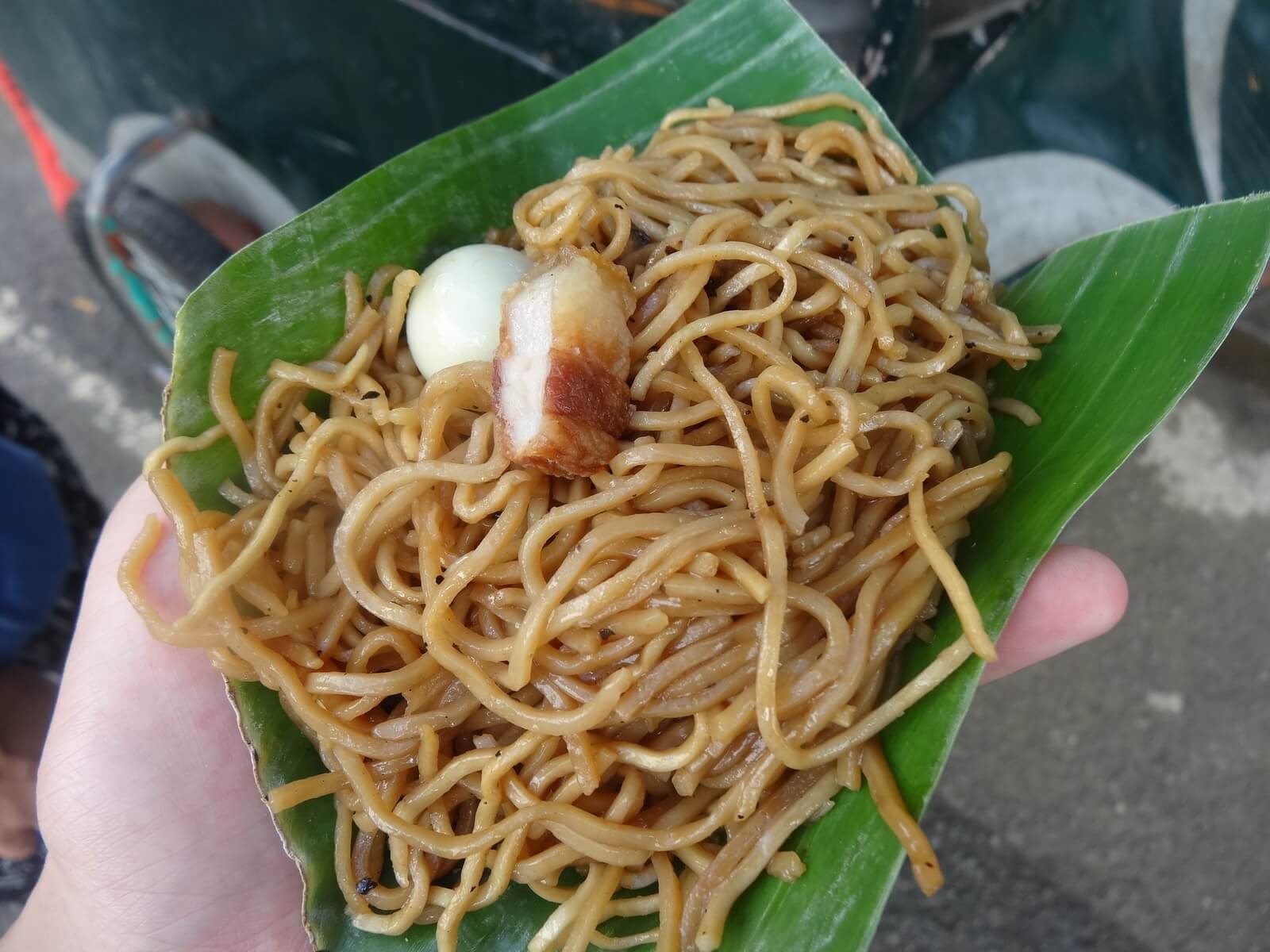
After arriving back on the mainland I sample a local specialty on the way to the bus stop. The pancit habhab; noodles on a banana leaf, with a piece of pork and a quail egg. Easy, unpretentious food gets me every time.
We jump on the bus to Lucena, but alight in Tayabas to fulfill our side mission. We hail a trike and drop the name “Kamayan”. He nods as if he knows exactly where it is. A good sign. After a good 15 minutes out of the town centre we arrive at a restaurant called Palaisdaan. Despite the different names, I’m somehow convinced we’re in the right place.
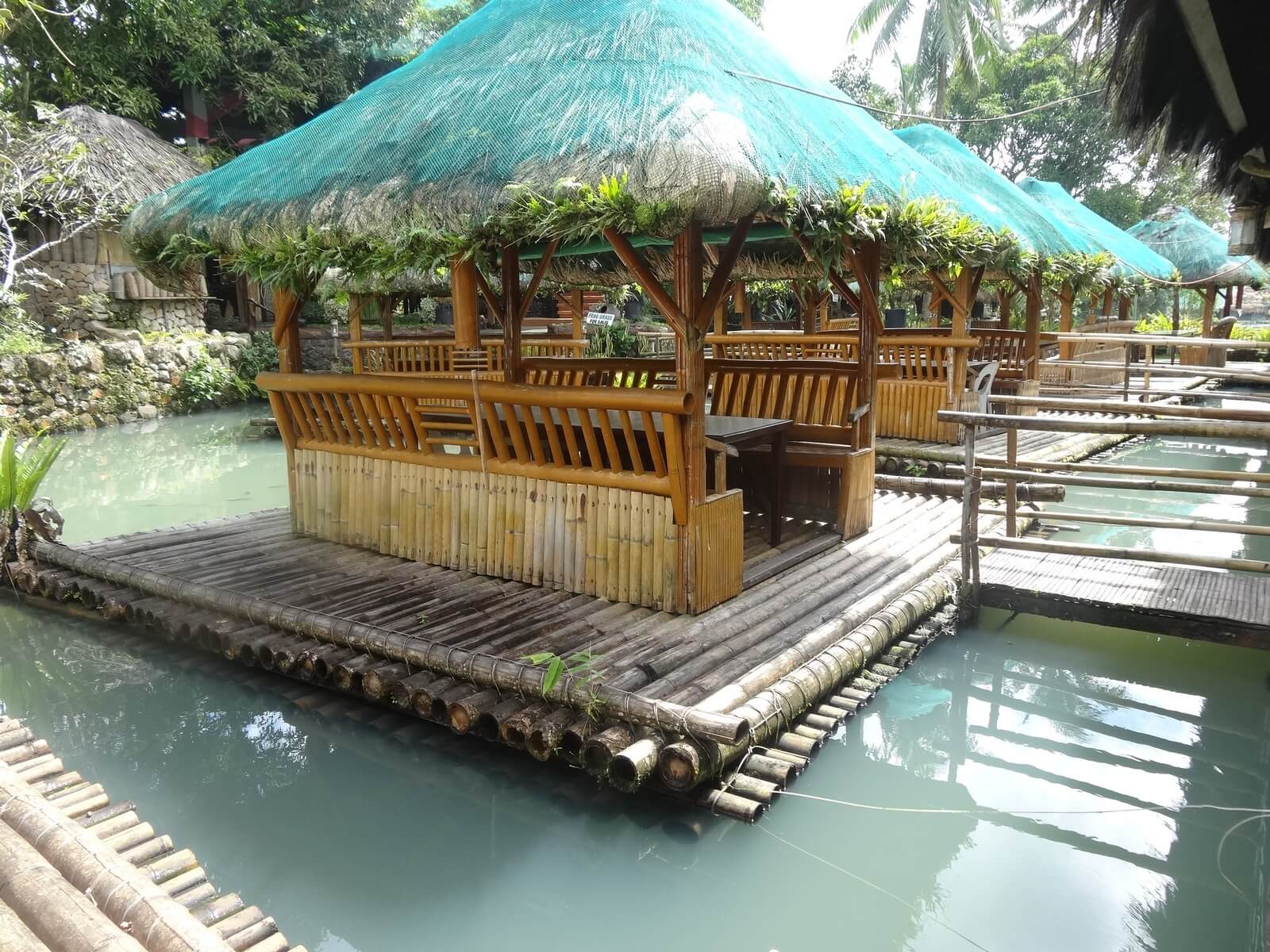
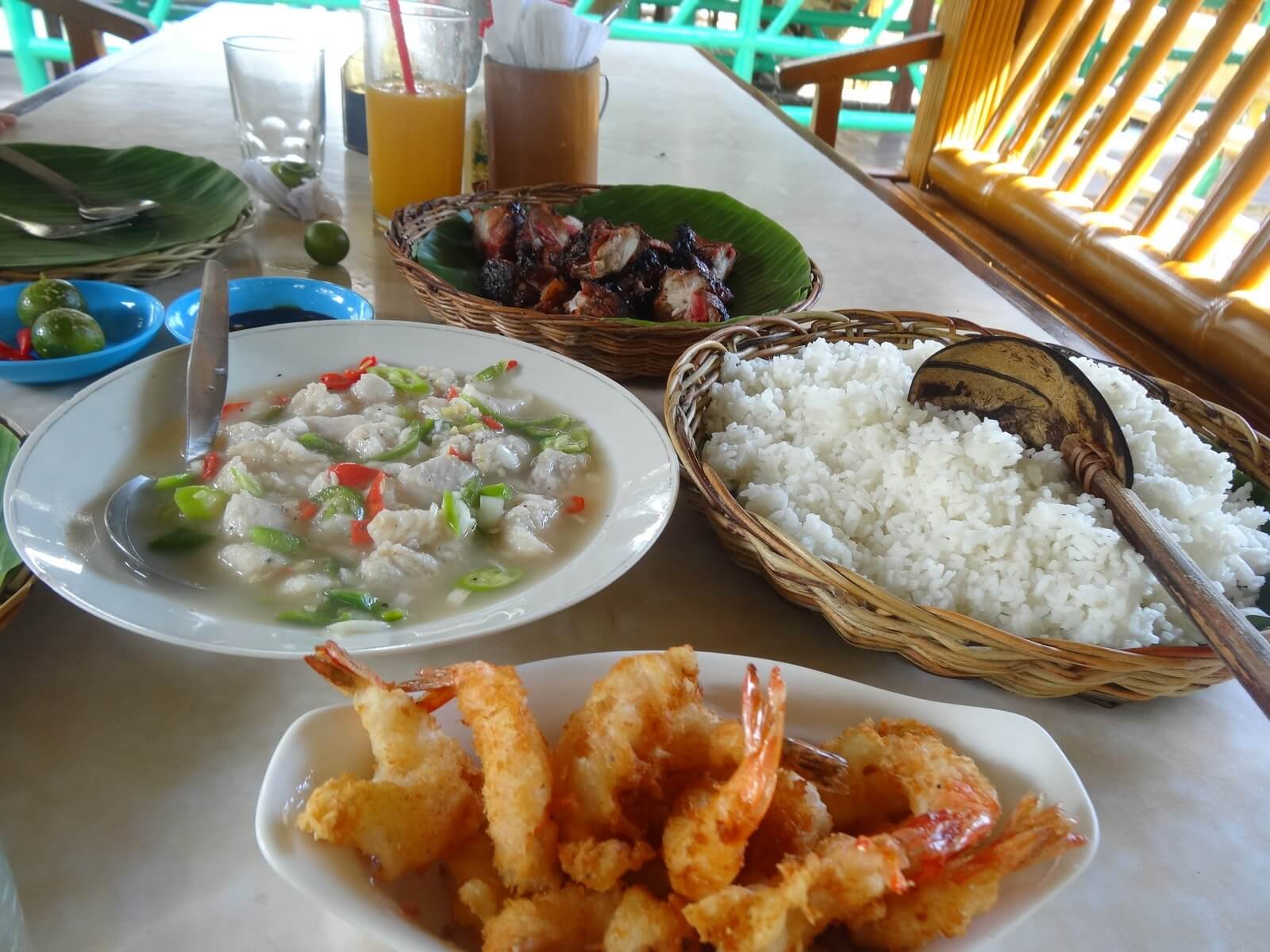
It’s serene. Floating bamboo rafts, connected by a maze of bridges and a waterfall to watch over it all. Am I even in the right place? I don’t care. We have a shameless feast.
With full stomachs and happy hearts, we board the bus back to Manila, sleepy and worn, but also refreshed. Who knew two bus rides and an empty beach could be so inspiring.
Thanks for the memories, Cagbalete Island.
Heading To The Philippines and…
Looking for tours and activities at an affordable price? I use GetYourGuide! Always great deals and local perks.
World Nomads provides travel insurance for travelers in over 100 countries. As an affiliate, we receive a fee when you get a quote from World Nomads using this link. We do not represent World Nomads. This is information only and not a recommendation to buy travel insurance.
The Philippines‘ capital is a lively, densely populated city, but with a chilled out vibe that sets it apart from the other metropolises in Asia. The Americanization of the city is in full force, from their accents to their fast food culture, but the people still retain their local charm in every way. The kindness of the Filipino people is chatted about in travel circles but it’s not until you touch down in the country that you realise how friendly and welcoming they really are. Life is not easy for many in Manila, but the smiles on their faces would tell you otherwise.
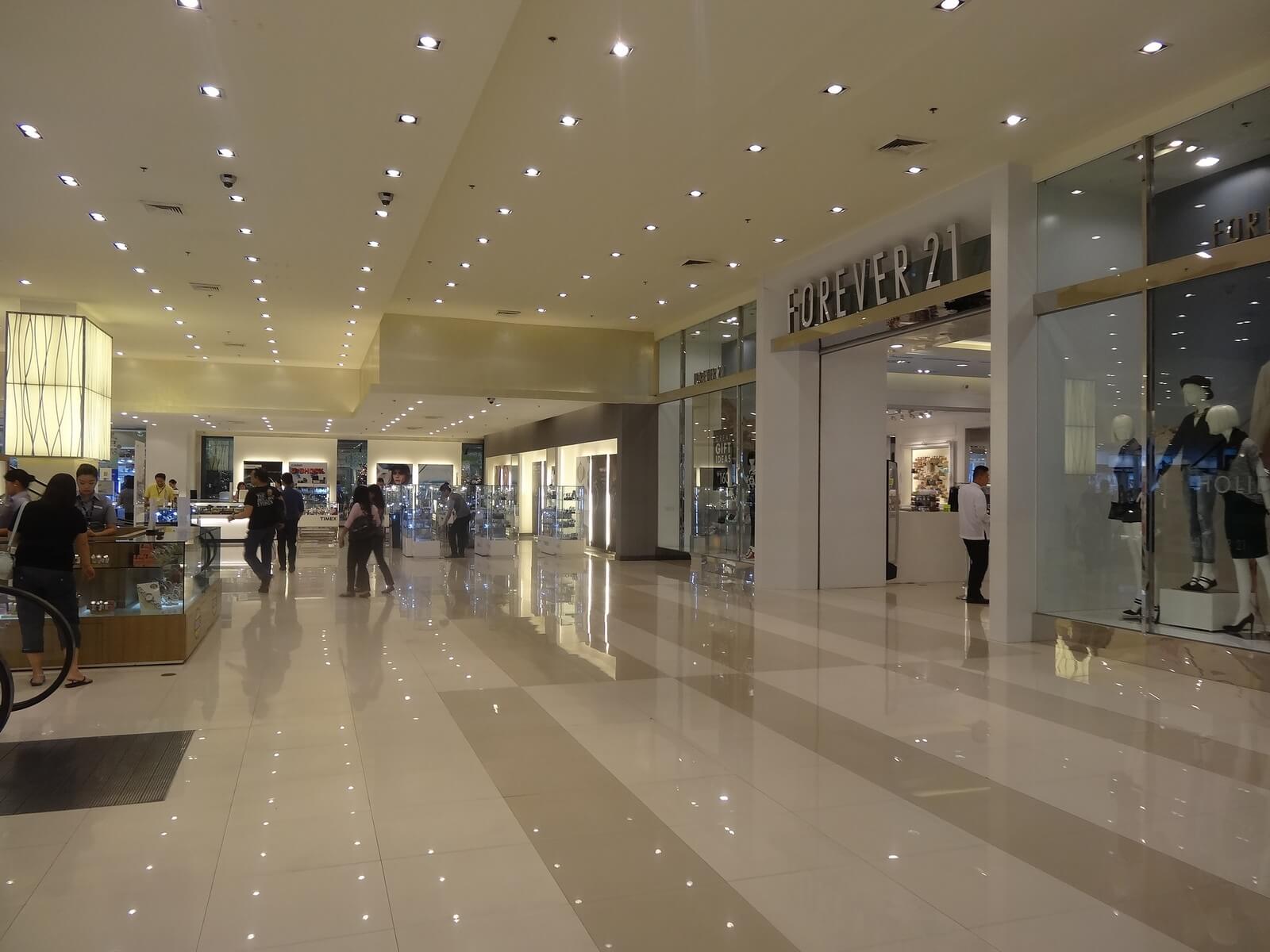
The city itself is surprisingly modern, with world class shopping malls, hotels and apartments as well as a bustling economy that’s growing at rapid speed. However the sizeable gap between rich and poor means the city has it’s fair share of rough patches too.
Metro Manila really is one of the forgotten gems of South East Asia. It hasn’t yet experienced the tourist floodgates but it’s not exactly untouched either. The result is a city just different enough that you’ll see one or two weird things every day but still feel right at home.
Budget
Bed: Decent hostel dorms start at around $10 USD. Hotels are around $30 USD upwards.
24 Hour Apartment Hotel – This is excellent value for money and is located in Makati – Manila’s financial centre. It’s not quite in the business district but a $2 taxi ride will get you to the more happening places in the city.
The cheapest room will set you back around $30 and comes with double bed, cable, aircon, good wifi, hot shower, daily bottled water and toiletries. There’s also a cafe/restaurant downstairs open all day that has great food at a reasonable price (around $4-$5 a meal).
Accommodation isn’t actually that cheap in Manila. Tourism isn’t huge here and most foreigners that do visit are here on business. Upper end accommodation like Raffles Makati is much more prominent.
If you’re staying longer term, there are plenty of condos around that you can rent. I found my place on Sulit.
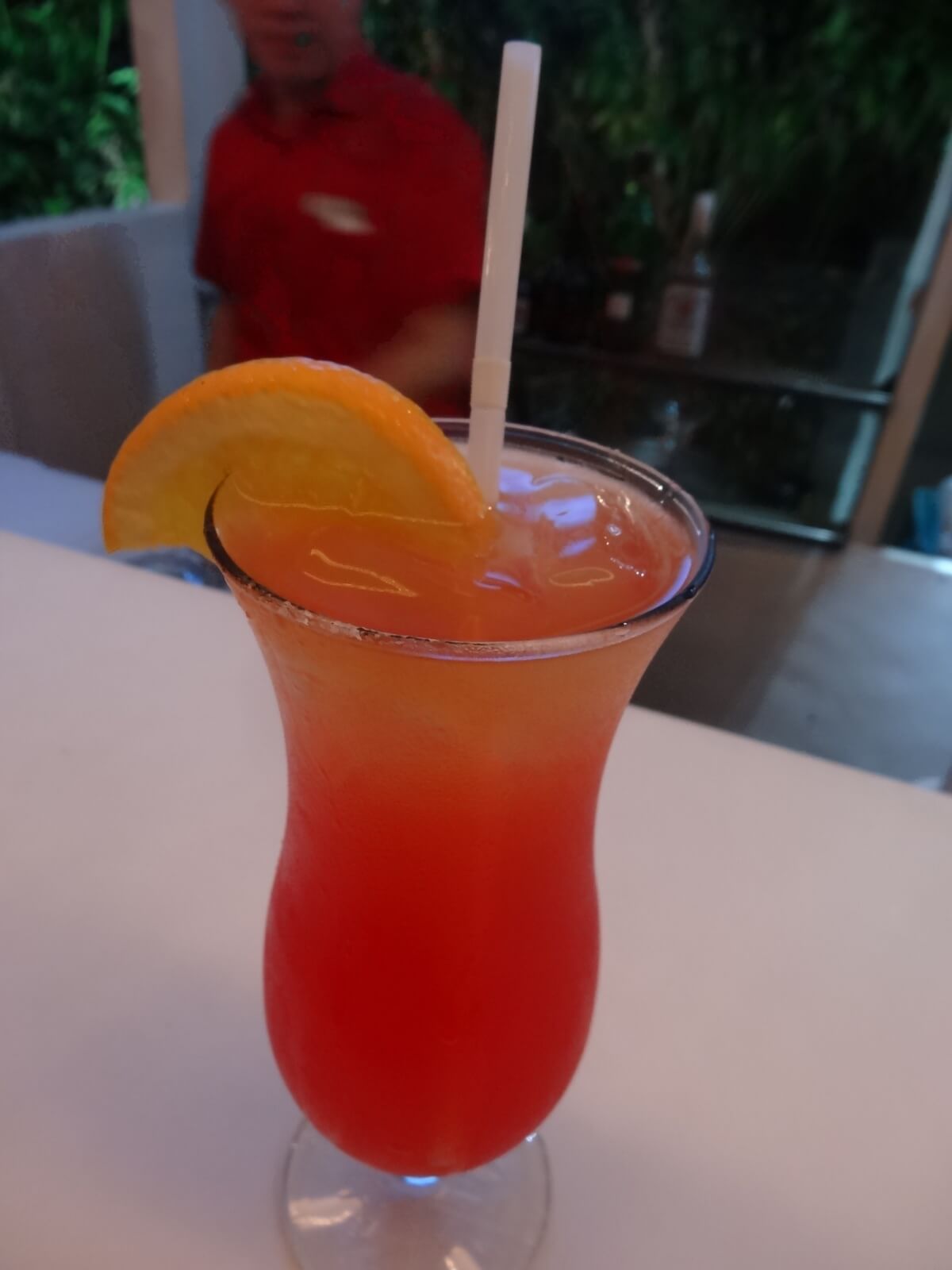
A weng weng. This was the suggestion of the bartender after I asked him to make me a ‘traditional Filipino drink’. He tells me it tastes great, and is a harmonious cocktail of seven different spirits.
Seven?
Yes, seven.
Of course, I say yes, knowing perfectly well that just one glass will knock me out.
I was wrong. Half the glass was more than enough.
The mighty weng weng
So what’s in this crazy Filipino cocktail? It’s made up of brandy, whiskey, tequila, gin, rum, grenadine, vodka, and just to be safe, a dash of fruit juice. You might think it sounds terrible, but it actually tastes pretty good (both when it goes down and when it comes back up).
Try at your own peril.
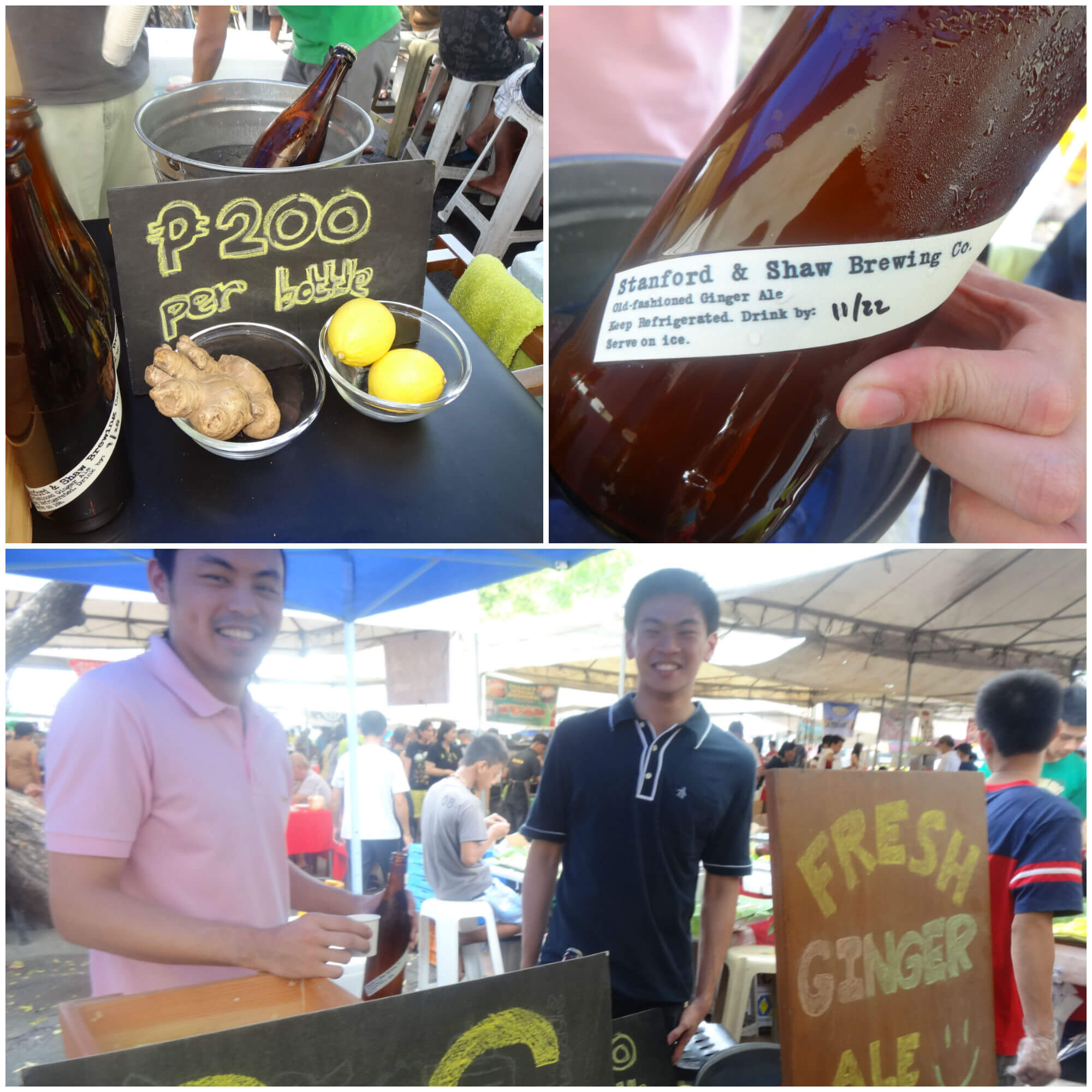
I know I’m only supposed to choose one thing, but I’m going to make a special mention here. Make an effort to try the home made ginger ale by Stanford and Shaw, located at the Legazpi Sunday Market in Makati (corner Legazpi and Rufino Street). I remember growing up drinking Schweppes Dry Ginger Ale and every other brand just paled in comparison. Nothing even came close. When I finally found these guys in Manila they gave Schweppes a good kick in the poo hole. Their stuff is fantastic! They tell me that they brew and bottle ferment the ale fresh each week, probably in some underground science lab somewhere. If you’re a ginger ale fan, you owe it to yourself to hunt these guys down.
Make sure you get there early. They sell 1L bottles for around $6 each and sell out every week! It took me 3 weeks before I finally woke up in time to get there early and snag a bottle.
One place you should go to is…
I was going to tell you to go to one of the shopping malls; Manila has some of the biggest and best malls in the world that rival even China and Bangkok. Then I realised you would’ve gone there anyway.
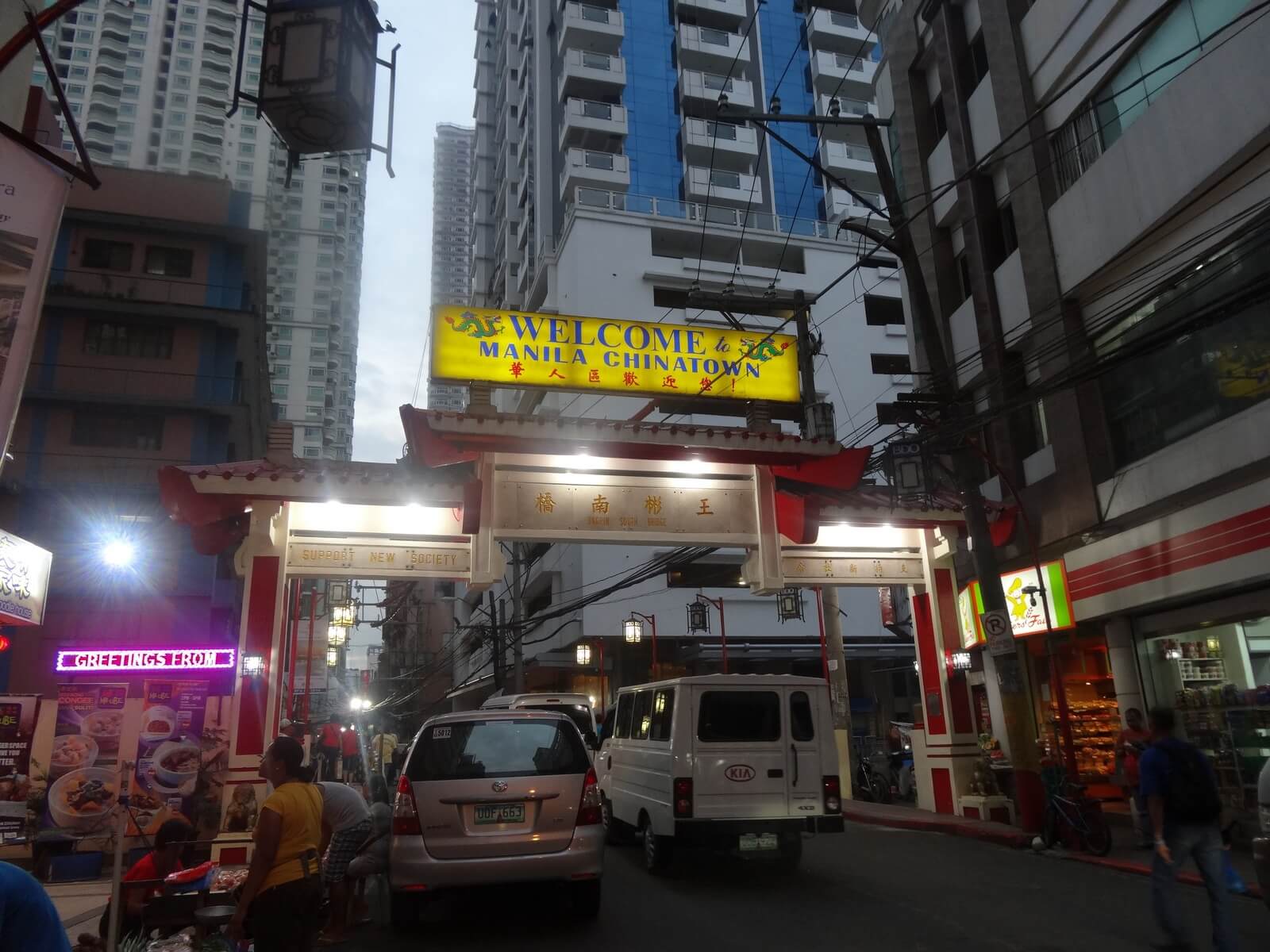
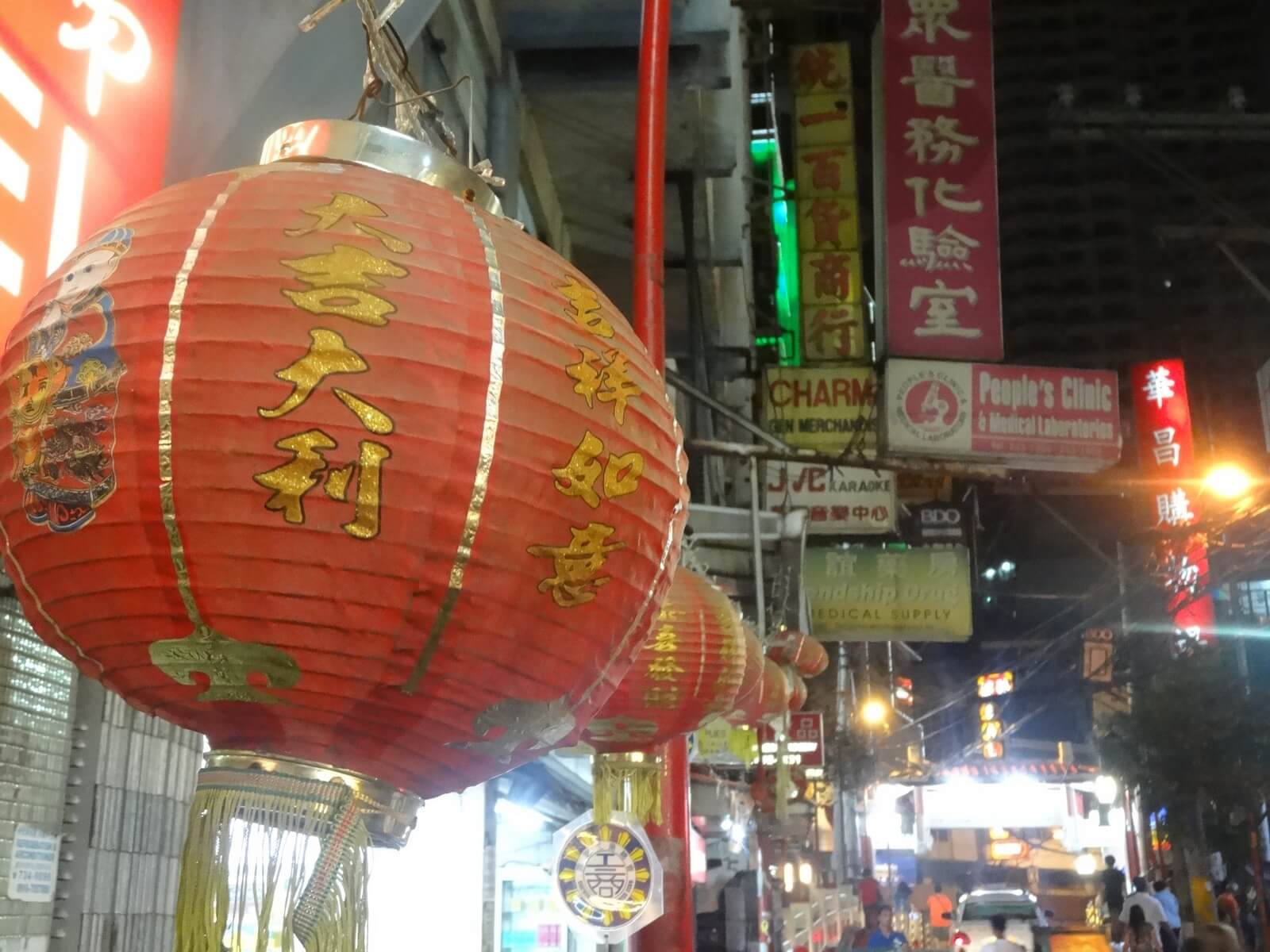
So what else is cool? If you head out to Binondo you’ll find yourself in the first settlement in the country for Chinese immigrants. Established in 1594, this place is recognised as the world’s very first Chinatown. How’s that for original? Since then it’s served as a commercial and cultural centre for Manila’s Chinese, and has also seen it’s fair share of bloodshed while the Spanish were around, so it has a lot of history. Maybe it’s just because of my Chinese heritage, but I thought this place was pretty cool to see.
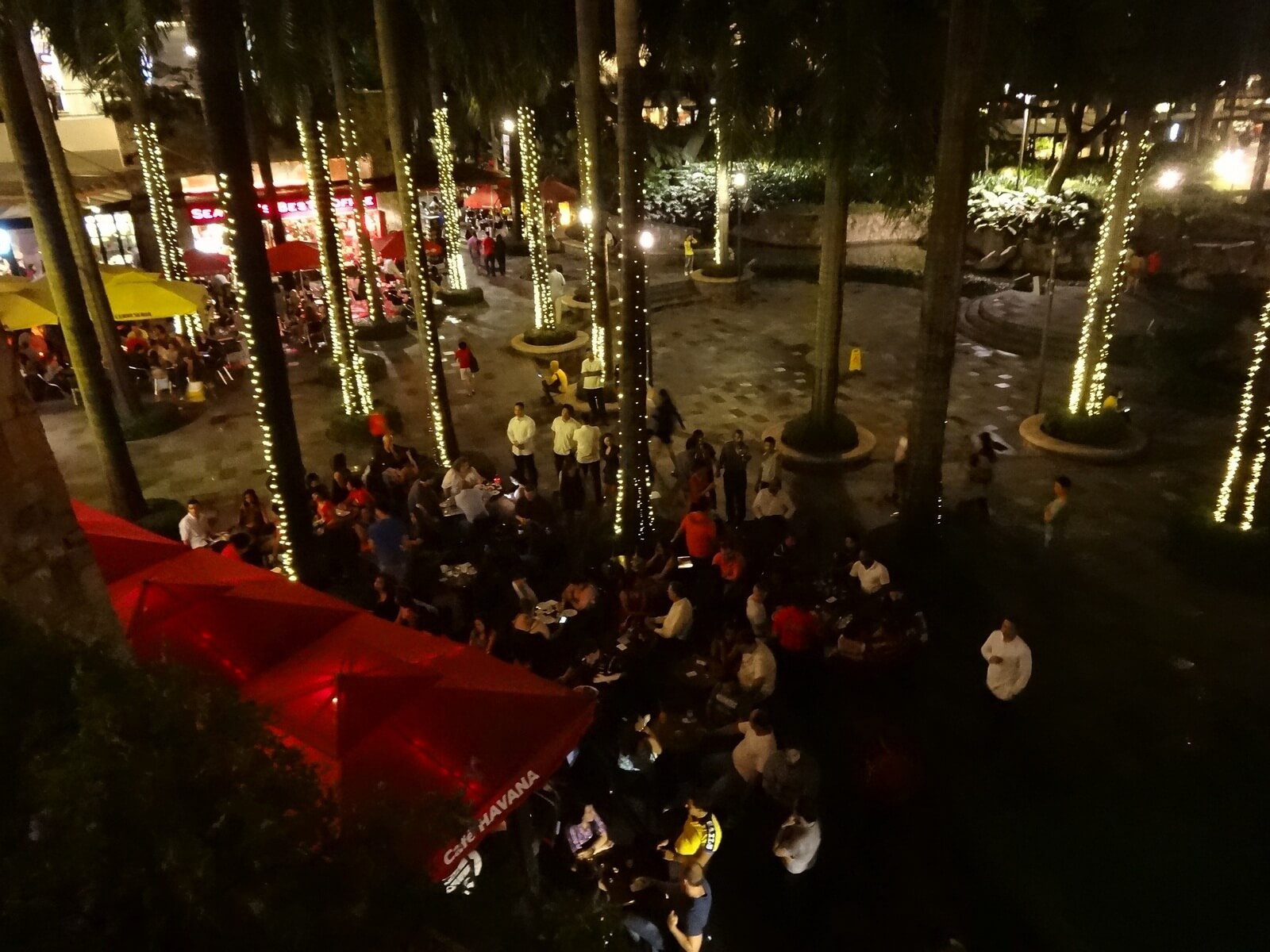
I didn’t get to see much in the way of nightclubs, but Greenbelt 3 is a great place for a beer, mingling, some live music and a night of people watching. Club Havana and Cerveseria really pack out on Friday and Saturday nights, and the many bars around the corner are always loaded too.
Club Havana/Cerveseria on Friday
Bren’s Scorecard…
Ease of entry 8/10 No real visa issues and the country’s budget airlines always have great fares into the city. Flights leaving on time is a problem though.
Food 8/10 Local food is great and cheap, lot’s of international options and a pretty good fine dining scene too.
Weather 5/10 Pretty painful heat mid year but seems to be bearable outside those months. Flooding can be a problem when it rains.
Safety 7/10 The nicer areas like Makati and The Fort are very safe. The rougher areas might require more caution.
Transport 8/10 The jeepney system is a little hard to figure out, but taxis are very cheap and efficient. There’s also a rail system.
Friendliness 10/10 I would give an 11 if I could.
Cleanliness 6/10 Will vary depending on which part of the city you’re in.
Daylife 7/10 Incredible shopping and dining, lots of markets, and different parts of the city can make interesting day trips.
Nightlife 7/10 My knowledge of this is limited. Let’s go with a 7.
Affordability 8/10 Flights, food and transport are all extremely cheap. Accommodation is the killer, it has some of the more expensive budget hotels in South East Asia.
Manila scores: 74/100
I do my best to give an objective score based on my own experience of the city. If you disagree, I don’t care! Just kidding, I do 🙂 Did your experience differ to mine? Let me know in the comments below!
One of the first things I repeatedly heard from tourists in Manila is how much they dislike the food in The Philippines. After spending some time in the country I couldn’t have disagreed more. The food here is awesome!
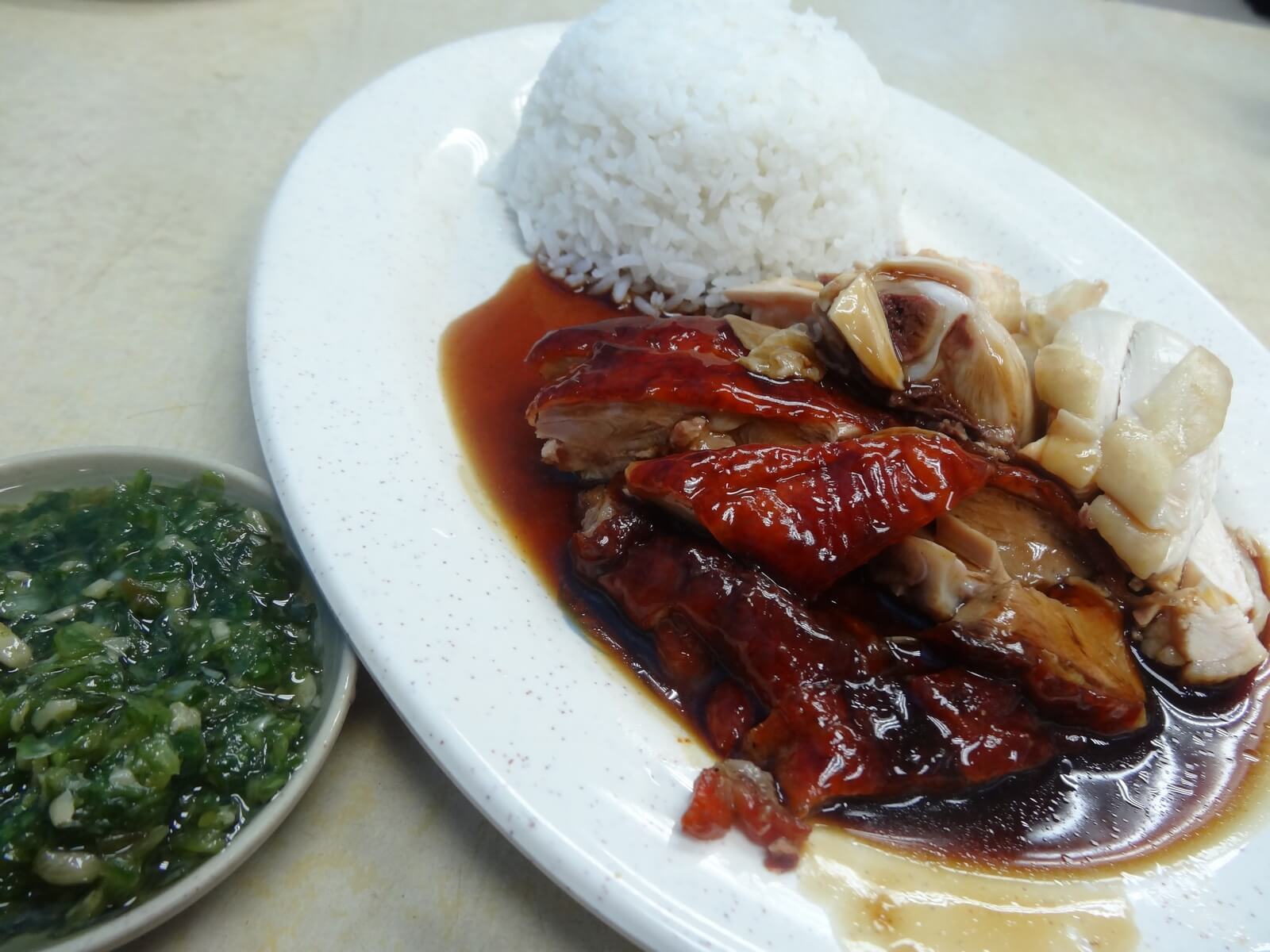
If you’re ever in The Philippines and looking to sample some local eats here’s a Filipino food list to get you started: 29 of the best Filipino dishes that I was wise enough to take a photo of and totally recommend.
The best place to find them is in Manila, which is where I spent most of my time. The Manila foods scene is excellent and especially around Makati and Taguig, you’ll find some really great Manila cuisine and restaurants. But I also travelled up and down the country and I’m sure you can find many of these great Filipino dishes everywhere.
The fresh version of lumpia is a bit like a spring roll crossed with a burrito. It’s big and fat and filled with meat, lettuce, carrots, peanuts, I think there was even some coconut in there. On the side there’s a sweet sauce, or you can opt for vinegar. It’s pretty awesome. Don’t forget to try the deep fried version – even more awesome.
It kind of feels like The Philippines version of Grandma’s chicken soup. It’s got your chicken, shitake mushrooms, carrots, green onions, vermicelli noodles, who knows what else. All I know is that it’s super tasty and you need to try it.
I can’t decide if I like this. It’s prepared by taking a decent cut of beef, stuffing it with pork fat and then slow cooking it in a tomato sauce. Some potatoes and carrots are chucked in too. Sounds awesome right? I think it was a little too tomatoey for my liking, but it’ll grow on me.
While eating this I was trying to figure out how it was any different to creme caramel, because to me it tasted exactly the same. After some Googling I learned that the custard in this is thicker because they use condensed milk and more egg yolks. I couldn’t really taste the difference, which I guess means I’m a few years away from being a judge on Top Chef. Anyway, I had to include this on the list; it’s one of the country’s favourite desserts!
Get it at: Any Filipino restaurant
6. Chicharon
Chicharon are like the Doritos of The Philippines.
One of the most classic Filipino snacks, it’s eaten like corn chips or popcorn – the kind of thing you’ll open a big bag of while sitting down for a movie.
Basically it’s deep fried pork skin, and aside from eating it on its own they also garnish various dishes with it. What’s it taste like? Well, kinda like a bag of very porky tasting cheetos. It’s a basic snack but definitely one of the country’s trademarks. The locals absolutely love it.
Get it at: You will find it in most supermarkets and markets.
7. Lechon
So, I used to think the Chinese made the best pork.
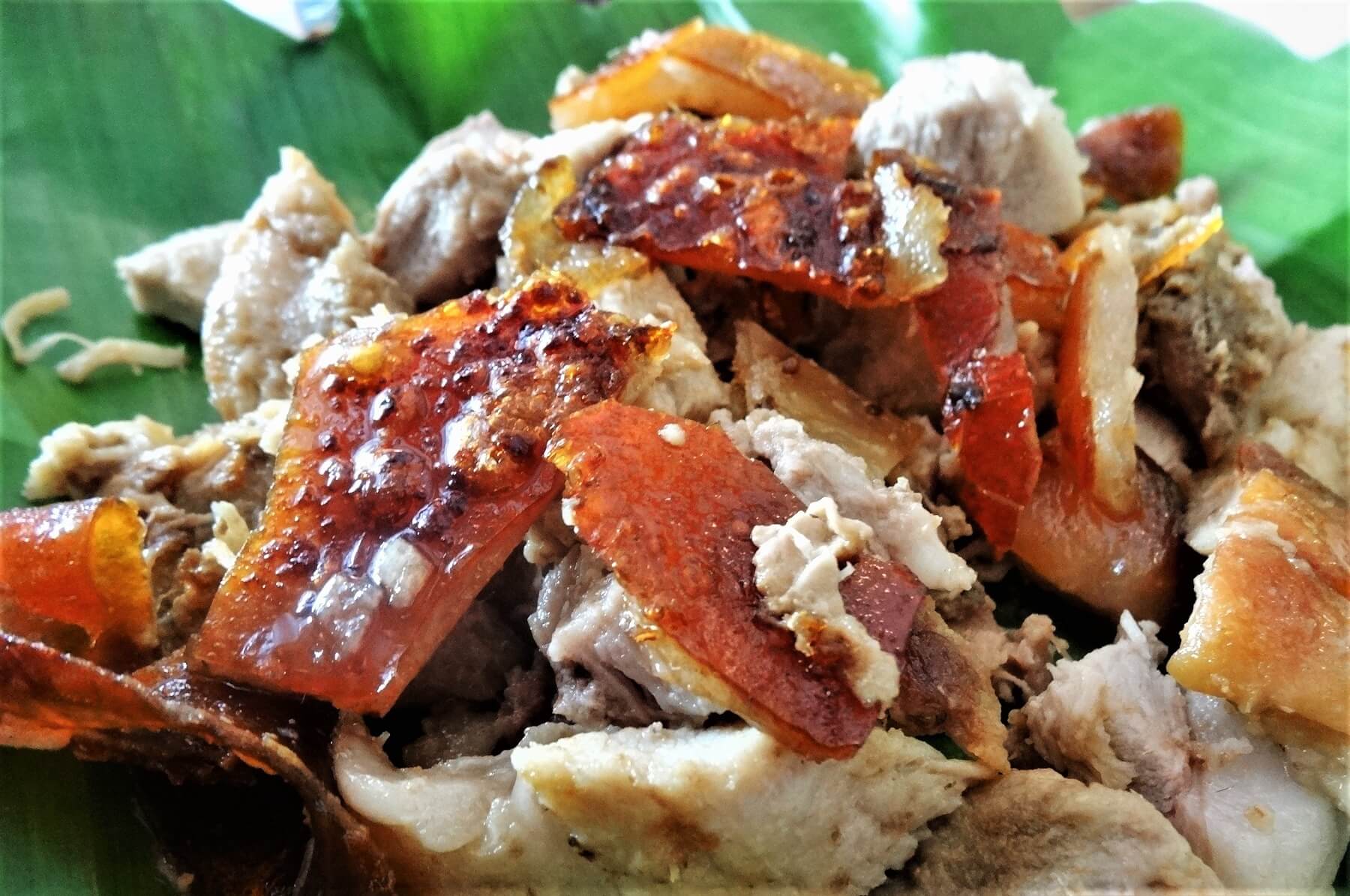
That is until I tasted lechon. Damn! Them Filipinos know how to cook a pig. This juicy, crispy masterpiece is something I won’t even try to describe. I had the privilege of attending a local baptism and they served up this freakin’ life changing roasted pig, I could’ve eaten the whole thing! Apparently the best lechon is from Cebu city, which is going to be my first stop on my next trip to The Phils. If I had to choose the best Filipino food on this list – this one would be pretty close to taking the spot.
Get it at: Sabroso Lechon, one of my favourites (corner of E Rodriguez Ave and Tomas Morato)
8. Bibingka
This is a type of cake made with coconut milk and baked in a banana leaf. I guess the idea is it’s supposed to end up tasting like coconut and banana, which it kinda does. You’re supposed to eat it hot, but not before lathering it with butter and coconut. The texture really reminded of a crumpet, especially with the melted butter seeping through it. I’m a fan.
Get it at: A franchise called Bibingkinitan, or various street stalls around the city
9. Kare Kare
This is a classic Filipino stew, consisting of oxtail, tripe, eggplant and Chinese veges. It has a strong peanut flavour and is served with shrimp paste on the side. It’s one of the flagship dishes here in The Philippines, but I can’t say I particularly enjoyed it. An acquired taste, perhaps.
Get it at: Most Filipino restaurants
10. Lomi
A classic dish from the Batangas area, this consists of flat egg noodles cooked in a very thick, eggy sauce. There’s also a whole bunch of other stuff in it depending on what variation you order (pork, seafood, chicken). It’s so thick that it’s almost like a cross between a noodle soup and a stew. On the side it’s complemented with a sauce of freshly diced onions, chili, calamansi and soy sauce. Put the two together and BAM! It’s seriously magic.
Get it at: Lomi King in Lipa, Batangas
11. Chami
After eating the Lomi I found out it had a little brother known as Chami. This is the dry version of the dish, and obviously I had to try it and see what it’s all about. It’s not really too different from a noodle stir fry, but it comes with a tasty dipping sauce/soup that I don’t remember the name of. Anyway, if we’re choosing between Lomi and Chami I’m taking Lomi any day of the week.
Get it at: Lomi King in Lipa, Batangas
12. Kilawin Na Tanigue
Kilawin is a dish where raw fish is marinaded in vinegar and lemon/lime juice. The high level of acidity cooks the fish and it’s flavoured with a bunch of other stuff like chili, capsicum, spring onion and tomato. You’re probably thinking it sounds very similar to ceviche or the Fijian kokoda, but the taste is rather different. I found ceviche to be very fishy, kokoda to be very spicy and kinilaw to be very sour. All catered for local tastebuds I guess.
Get it at: Most Filipino restaurants
13. Pancit Bihon Guisado
Bihon Guisado is a perfect example of great tasting, unpretentious Filipino food – some scallions, cabbage, celery, carrots, chicken and vermicelli tossed in soy sauce and topped with calamansi juice. Fast, cheap and awesome. Love it.
Get it at: Most Filipino restaurants
14. Crispy Pata
One thing you’ll notice when eating around The Philippines is that they’re completely obsessed with their pork, which is probably why they cook it so well. Enter the crispy pata – a pork leg/knuckle deep fried to perfection and then sided with chili, calamansi and a variety of dipping sauces. I ate it a couple of times, one homemade one and one from a restaurant. Needless to say the homemade one was mouth watering but the restaurant cooked one wasn’t too bad either. If you’re a pork man it might just change your life.
Get it at: Most Filipino restaurants. The crispy pata in the picture is from Kabila Museum Cafe at Ayala Museum, but I think it’s a little expensive for what you get. Manila food can be expensive in some areas – not that it isn’t worth it, but just make sure you’re aware!
15. Sinigang
If you’re a fan of sour soups like Thailand’s tom yum or Hong Kong’s hot and sour soup then sinigang is totally going to rock your world. I had one of these for breakfast almost every day during my month on Boracay. It’s a tamarind based soup with a whole bunch of other goodies in it, most commonly tomatoes, green beans, spinach, green mango and various other possibilities. I tried quite a few variations (pork and shrimp are the most popular), but I’d say the classic pork is probably my favourite. I can’t believe it’s taken me 27 years to try it.
Get it at: Most Filipino kitchens. If you’re a fan go and try the Corned Beef Sinigang at Sentro in Greenbelt 3.
16. Kaldereta
I’m always a sucker for hearty meaty stews so when I met my first Kaldereta we really got along. It’s a basic dish made by stewing cuts of meat in a tomato/liver sauce until tender, with a few carrots, potatoes and capsicums thrown in too. I’ve seen it with most meats but the lamb was easily my favourite.
If you’re after Philippines traditional food, this dish might be them most traditional of them all.
I saw this dish on pretty much every Filipino menu I set eyes on. It’s a basic meat dish which is simmered in a marinade of oil, soy sauce, vinegar and garlic, and sometimes later pan fried to give it a crispy surface.
Like most dishes here they might often add a variation of other veges (onions, potatoes, capsicum). If you’re a budget traveler, this dish is always a tummy pleaser and usually very easy on the wallet.
Get it at: Any Filipino kitchen or jolly jeep.
18. Ginataang Papaya
Tried this bad boy at a jolly jeep and was so pleasantly surprised. Green papaya shaved into thin slices and cooked in coconut milk and pork bits. Who knew it could taste so good?
Get it at: You’ll have to look around the jolly jeeps and Filipino restaurants, I’m really not sure how popular it is!
19. Bacolod Chicken
Due to my fast increasing age and waistline I’ve been trying to eat grilled chicken wherever possible and turn a blind eye to KFC and Chicken McNuggets. My solidarity to this goal can waver rather easily but this wasn’t a problem in the Philippines thanks to the amazing bacolod chicken. I have no idea how they cook it, but from peeking into the kitchen I can tell you they employ a charcoal grill and probably brush some special sauce onto it, who knows. All I know is it tastes amazing. Don’t forget the soy sauce/calamansi/chili combo sauce on the side either.
Get it at: My favourite is Bacolod Express, but there’s various chains around the city.
20. Balut
After hearing about the infamous Balut over and over again I just had to try it. For those who have never heard of it, balut is a street food delicacy in the Philippines; a fertilised duck egg, boiled and eaten once the embryo is half developed. From Wikipedia:
“In the Philippines, the ideal balut is 17 days old, at which point it is said to be ‘balut sa puti’ (“wrapped in white”). The chick inside is not old enough to show its beak, feathers or claws, and the bones are undeveloped.”
If you’re looking for Filipino delicacies, this is the crowned jewel.
When the guy handed it to me I nearly dropped it, it was scorching hot!
After cracking the shell I saw a small amount of juice which you’re supposed to drink, so I did, which tasted very eggy. After that I just peeled it like a normal boiled egg and ate it. There were a few funny textures but nothing overly weird; in all honesty, it just tasted like a boiled egg. Talk about an anti climax. If you’re ever in The Philippines you should definitely try it, it doesn’t taste bad at all, and is apparently great for you.
Get it at: At night you will hear the sellers riding around the streets on bikes screaming “Baluuuuuut!”
21. Tablea Tsokolate
As the story goes, the Spanish colonists began this tradition of growing cocoa in The Philippines as the tropical weather was perfect for it. This tradition has continued until today with growers harvesting, drying, roasting and then grinding fresh cocoa beans into tablea or ‘tablets’. This is used in various Filipino delicacies, including tablea tsokolate – a local style hot chocolate.
The tablea is supposed to have a few minor differences to regular cocoa, which I did manage to find out but I’ve since forgotten. If you know, please share!
Get it at: I got one roll at SM department store and another at the bus stop in Lipa.
22. Bulalo
I fell in love with Bulalo the moment it touched my lips. To cook this they get a nice, fat beef shank, let it boil in a broth until all the bone marrow and fat has melted into the soup and then throw some veges in to top it all of (usually cabbage and corn). The soup is so beefy and flavoursome, probably because they leave it simmering in those massive pots all day (see pic). My mouth is actually watering furiously as I type this. It is seriously delicious.
Get it at: Al Goto King Special Bulalo in Batangas City. It’s not as common in Manila but quite a few Filipino kitchens will have it.
23. Buko Pie
If you travel anywhere by bus in The Philippines you will surely experience the street vendors jumping on board screaming “Buko pie Buko pie!!” After seeing a number of people buy these I came to the conclusion that this Buko pie thing must be a pretty big deal so I had to try one. This blog post on Our Awesome Planet laid out the best brands and eventually I got my hands on a Colette’s pie.
It’s awesome, for real. I did not expect it to be that good. The texture reminded me of a really good apple pie, it had a nice firm pastry with a lovely crust, and it had that ‘freshly baked’ smell, the kind that weakens your knees as you walk past a bakery in the morning. Partner it with a scoop of vanilla ice cream and you’ll probably end up packing a suitcase of them to take home with you.
So, what exactly is a buko pie? Just a well baked pie packed with young slivers of fresh coconut and condensed milk. How they make it taste so good, I have no idea.
Get it at: I think it’s easiest to find the famous brands at their stores in Laguna, but you can find them at bus stops and markets too.
24. Turon
Take a few slices of banana, wrap it in a spring roll wrapper coated in brown sugar and then deep fry it. Sound delicious? That’s a turon! And yes, it tastes as good as it sounds.
Get it at: I bought mine at a bus stop in Lipa. Also got served to me at a resort in Quezon.
25. Ilocos Empanada
Many countries have their own spin on empanadas, so it was no surprise their was a Filipino empanada too!
This is a snack native to the Ilocos region, hence the name, but I seemed to keep running into it in the various Manila markets. The reason it kept catching my eye was the orange dough; it’s almost a neon orange before it’s cooked. However that’s not the only difference to standard empanadas.
Inside it’s packed with sausage meat, green papaya and a whole egg, and you’ll notice from the photos that the shell is unusually thin. Once it’s deep fried and ready to eat you need to do what you do with everything else in The Philippines – splash it with vinegar!
Get it at: Cucina Andare market outside Glorietta 3 (Fri, Sat, Sun), food market at Mall of Asia (Fri, Sat, Sun) or the Legazpi Sunday Market (cnr Rufino/Legzpi St).
26. Longaniza
Longanisa is a type of sausage that they often eat for breakfast here. Every region of The Philippines has their own specialty, so depending on which one you choose you might get sweet, sour, garlicky, fish, chicken, beef etc. Although almost every time I ate it in Manila it was sweet and garlicky.
Get it at: Any supermarket, food market or Filipino restaurant during breakfast.
27. Banana Ketchup
Not your regular ketchup. It’s made from mashed bananas and you’ll definitely taste the subtle difference (less tang, more sweet). During WW2 there was a shortage of tomatoes and the ketchup makers decided bananas were the next best thing. Judging by it’s popularity today it seems the tomato never really made a comeback – banana ketchup is now a centrepiece of Philippines food culture.
Get it at: Any supermarket. Restaurants will likely have it if you ask for it.
28. Isaw
Another popular street food in The Philippines, this is a grilled skewer of chicken or pig intestines. Splash some vinegar over it and away you go. I’m a fan of the flavour but the texture, not so much (it’s a bit powdery). It’s so popular here that you have to try it at least once.
Get it at: Cucina Andare market outside Glorietta 3 (Fri, Sat, Sun), food market at Mall of Asia (Fri, Sat, Sun) or the Legazpi Sunday Market (cnr Rufino/Legzpi St).
29. Bangus
Bangus (milkfish) is the country’s national fish and I ate a lot of it!
It’s a classic Filipino breakfast, usually paired with a side of garlic rice and egg. Before trying it I wasn’t sold on the idea of fried fish for breakfast (I’m more of a fresh fruits kinda guy), but after the first time it quickly became my breakfast of choice. With the trademark drizzle of vinegar it’s quite the kickstart to your day.
Get it at: Any Filipino restaurant during breakfast.
Heading to Manila and…
Looking for tours and activities at an affordable price? I use GetYourGuide! Always great deals and local perks.
While flicking through fun things to do in Asia I floated the idea of learning some martial arts. After all, with all that Ong Bak and Ip Man running through my head, how could I resist?
The first genius idea that popped into my head was to join a Muay Thai camp in Thailand, spending the afternoons punching pads and getting kicked in the head and spending the evenings chowing down delicious Thai food on a secluded beach somewhere.
After some Googling, I was already convinced this was the best idea ever and was in the process of booking my ticket when I learned of a place called Legacy Gym, a new MMA gym on the Filipino island of Boracay, who had some great boxing coaches and was run by former world Muay Thai champion Ole Laursen. A boxing camp in the Philippines? Learning Muay Thai from some of the best? I’m in.
I had never been to The Philippines and didn’t know much about the country at all, which in itself was a great reason to go there, but the island of Boracay just didn’t sound like a good fit. Party island. Lots of tourists. Lots of bars. Lots of passed out Aussies who can’t handle their booze. I had envisioned a quiet, secluded place where I could revive myself in a Mr Miyagi like environment, and Boracay certainly wasn’t it.
However, after reading about it I was intrigued. Here was this tiny island that was raved about online, winning award after award for best beach on the planet. I just had to see it for myself.
It only took a few days for me to fall in love with the place. Legacy Gym’s tagline is “Train in Paradise” and I really can’t describe it any better than that. The culture is so laid back, the people are wonderful and the atmosphere has a soothing energy that makes you never want to leave. It’s incredible that it has somehow retained it’s local charm, despite the huge number of tourists that flood the island each year.
Let me tell you about a day on Boracay. You wake up at 11am and indulge in a hearty Filipino breakfast; eggs, rice, sausages, maybe a soup. It’ll cost you around $3. Then take a seat in one of the many cafes with your Kindle and sip away at a fresh mango shake, looking out over the award winning White Beach.
At 2pm, it’s time to head to Legacy. Spend the next 4 hours with pro fighters who will push you to get into the best shape of your life, while the Boracay heat causes you to uncontrollably sweat your demons away.
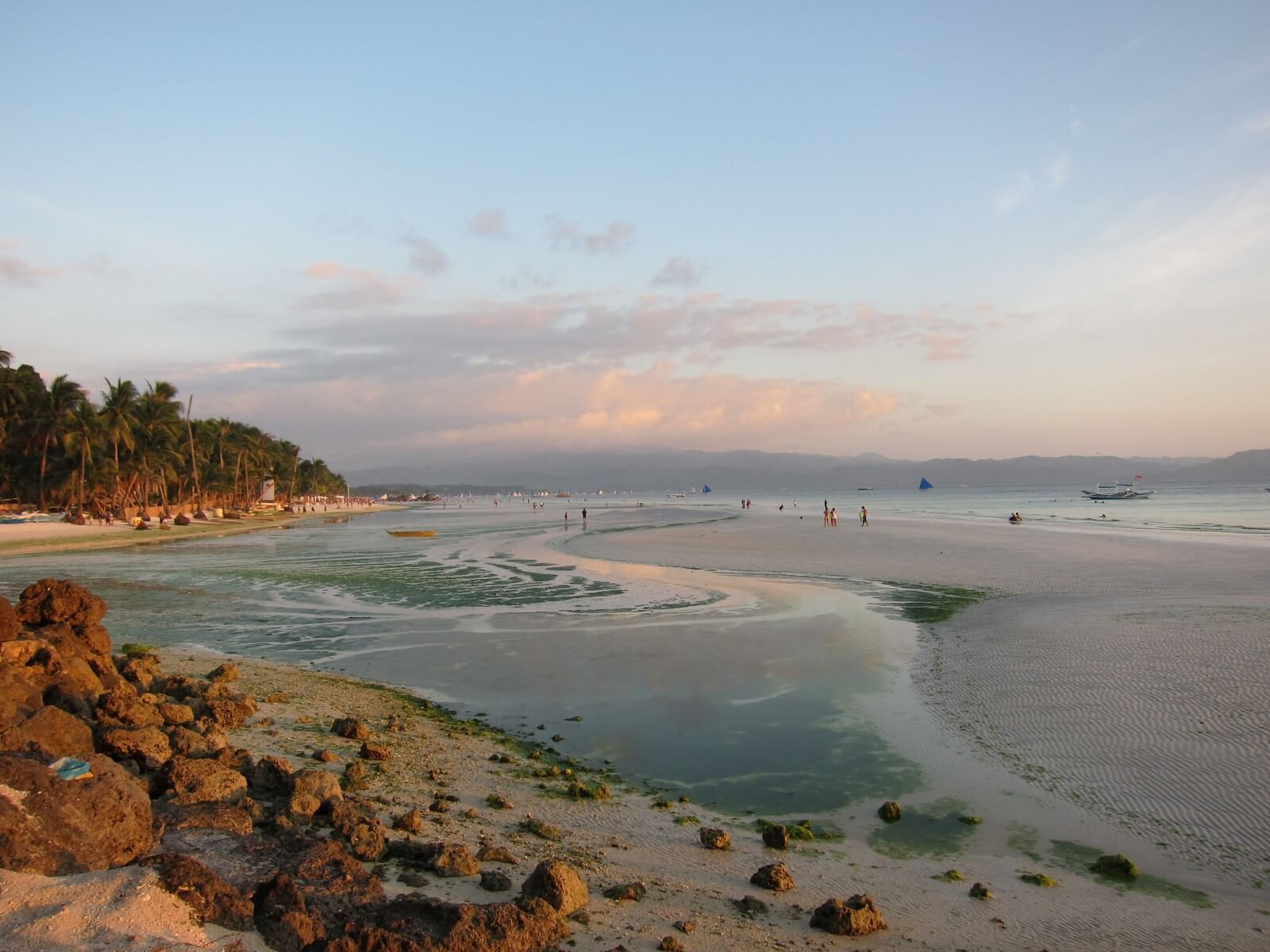
Once training is over it’s time to walk back to your room under the amazing Boracay sunset, the floury white sand beneath you to soothe your aching feet.
Then to soothe the rest of your body, get a traditional Filipino ‘Hilot’ massage for $8, lying just a few metres from the ocean.
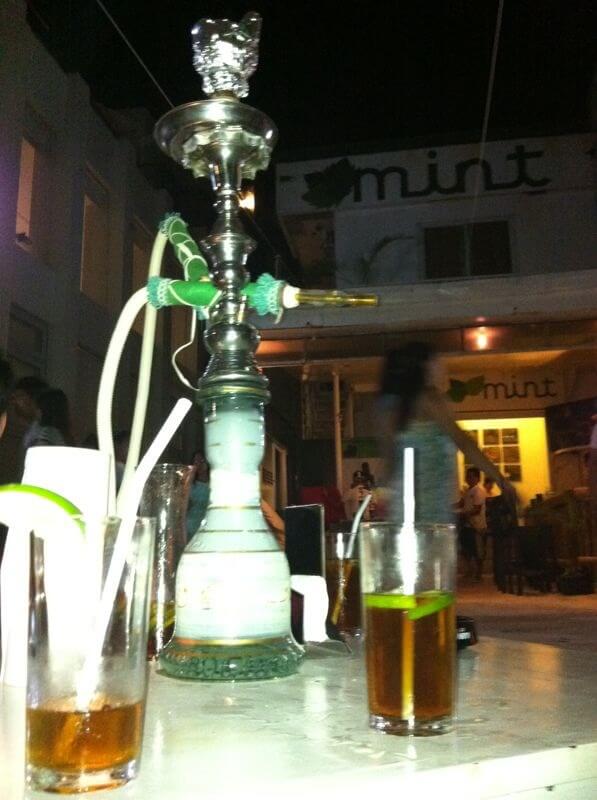
Once that’s out of the way head to one of the beach bars and order yourself a gin and tonic. Sit back and enjoy a live acoustic set, dip your bruised toes in the sand, smoke a mint sheesha and relax the night away.
Go to sleep, wake up, and repeat.
If that’s not paradise, I don’t know what is!
Training at Legacy
Let me start off by saying you don’t need to be a “fighter” to train here. The closest I’ve ever been to a fight is when I used to try out Tekken moves in my bedroom when I was 10. The gym is simply a place where you can challenge yourself physically and learn about the many martial arts disciplines.
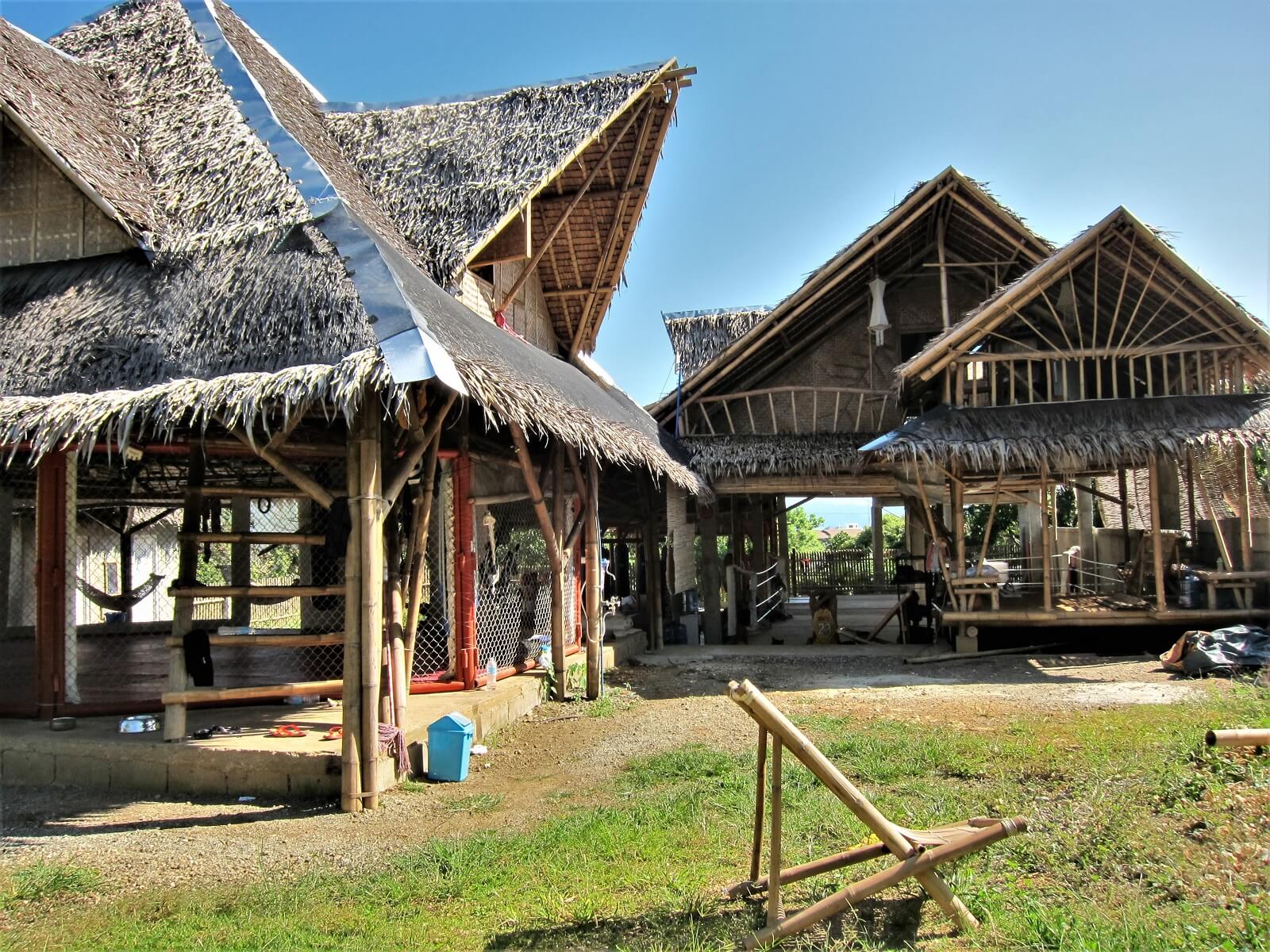
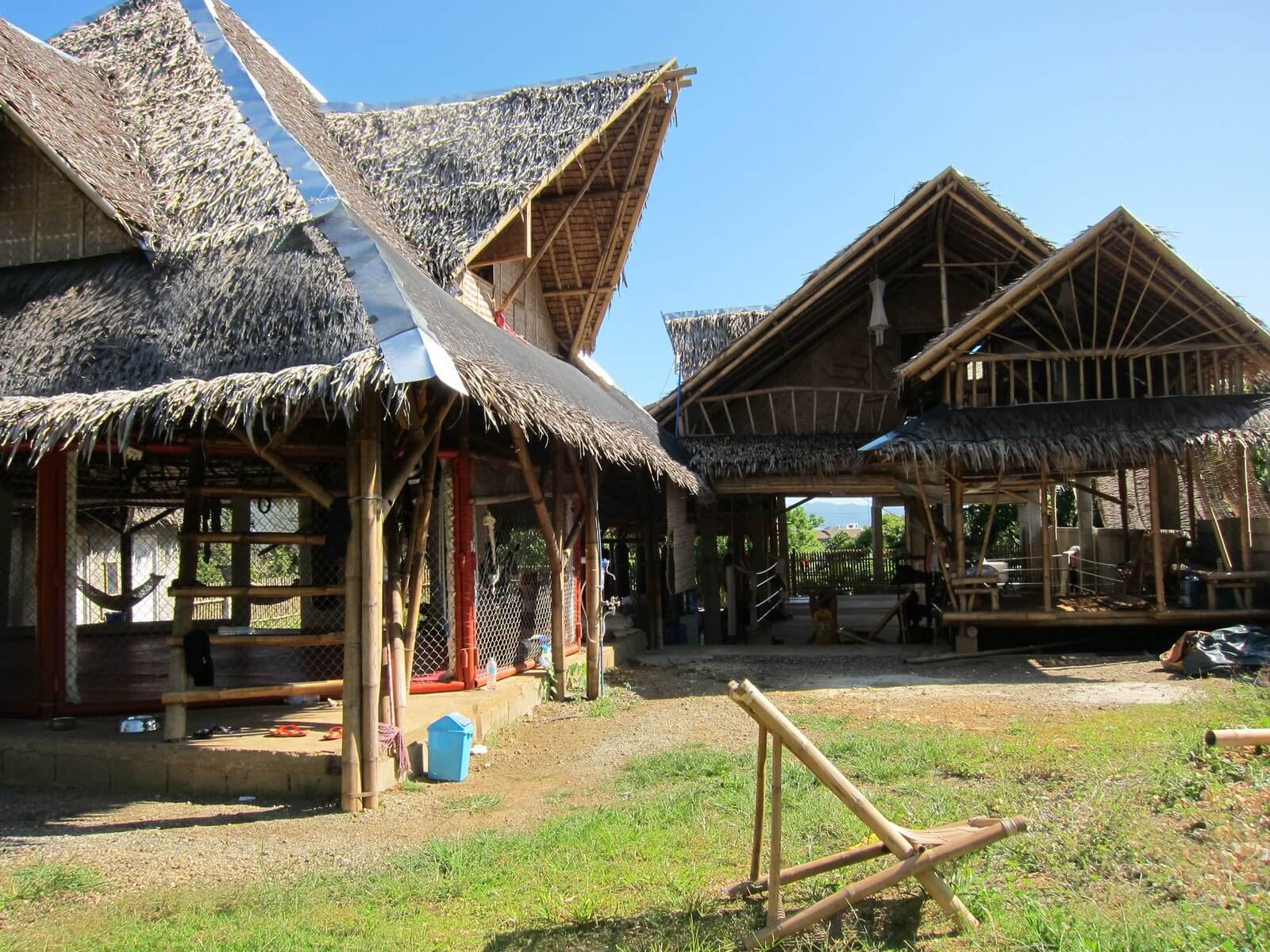
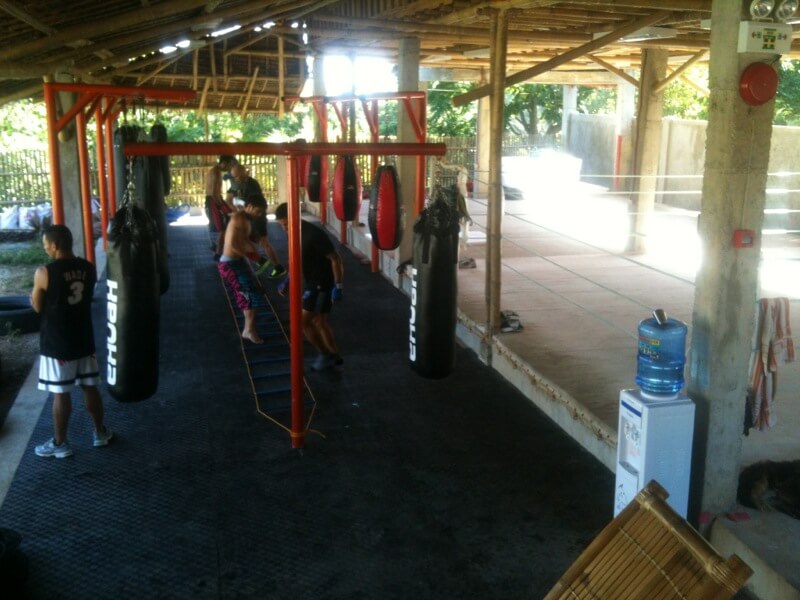
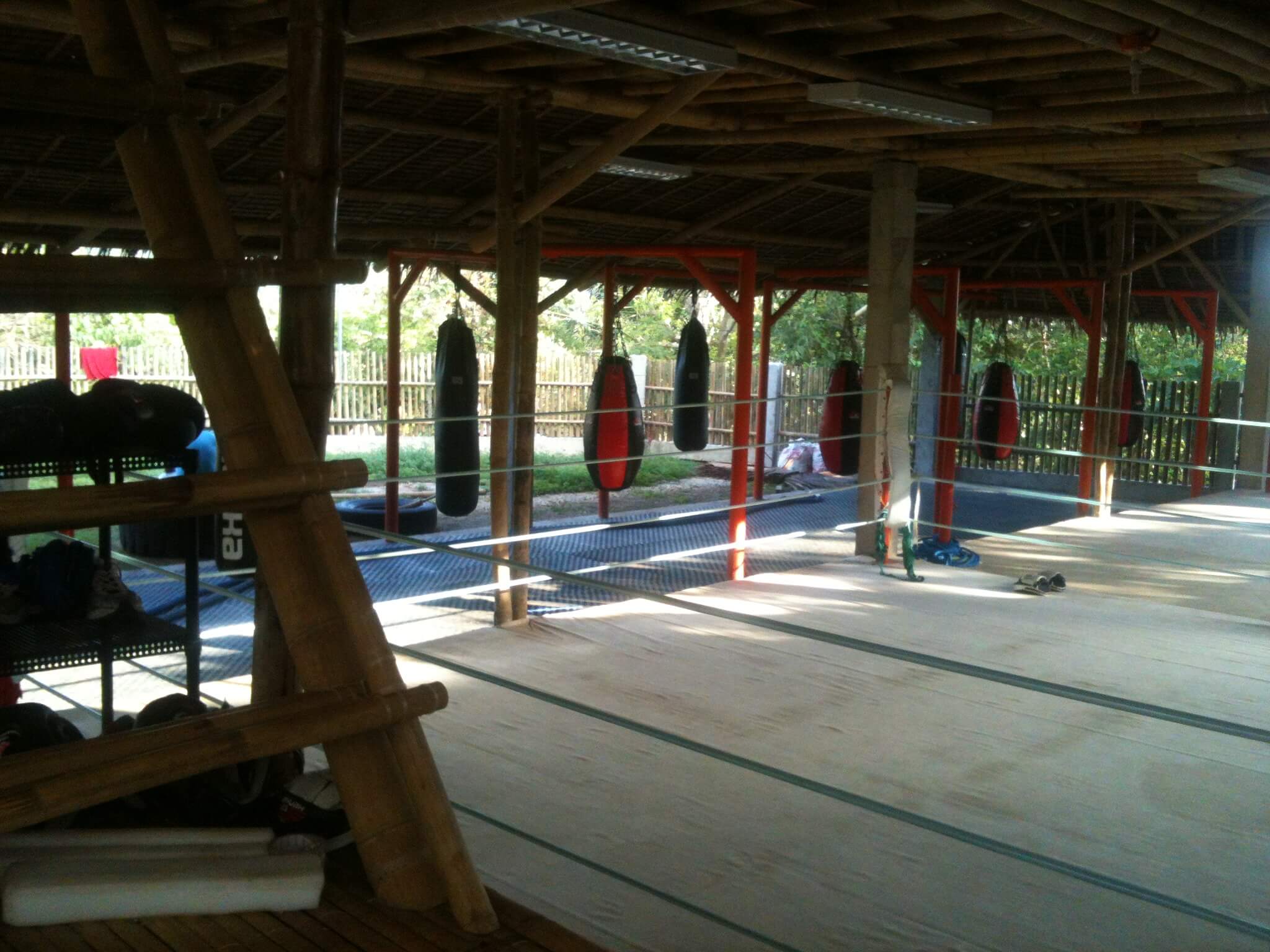
The gym is nestled amongst a quiet Filipino village, surrounded by bamboo fencing and reminiscent of a dramatic training scene out of Kickboxer. From up here there’s a great view overlooking the island. It really is like training in paradise!
The gym is founded and run by Ole Laursen, a pro MMA fighter and central figure on the Asian MMA circuit. It’s clear that a lot of time and effort has gone into putting this place together and I was pleasantly surprised at the completeness of the facilities.
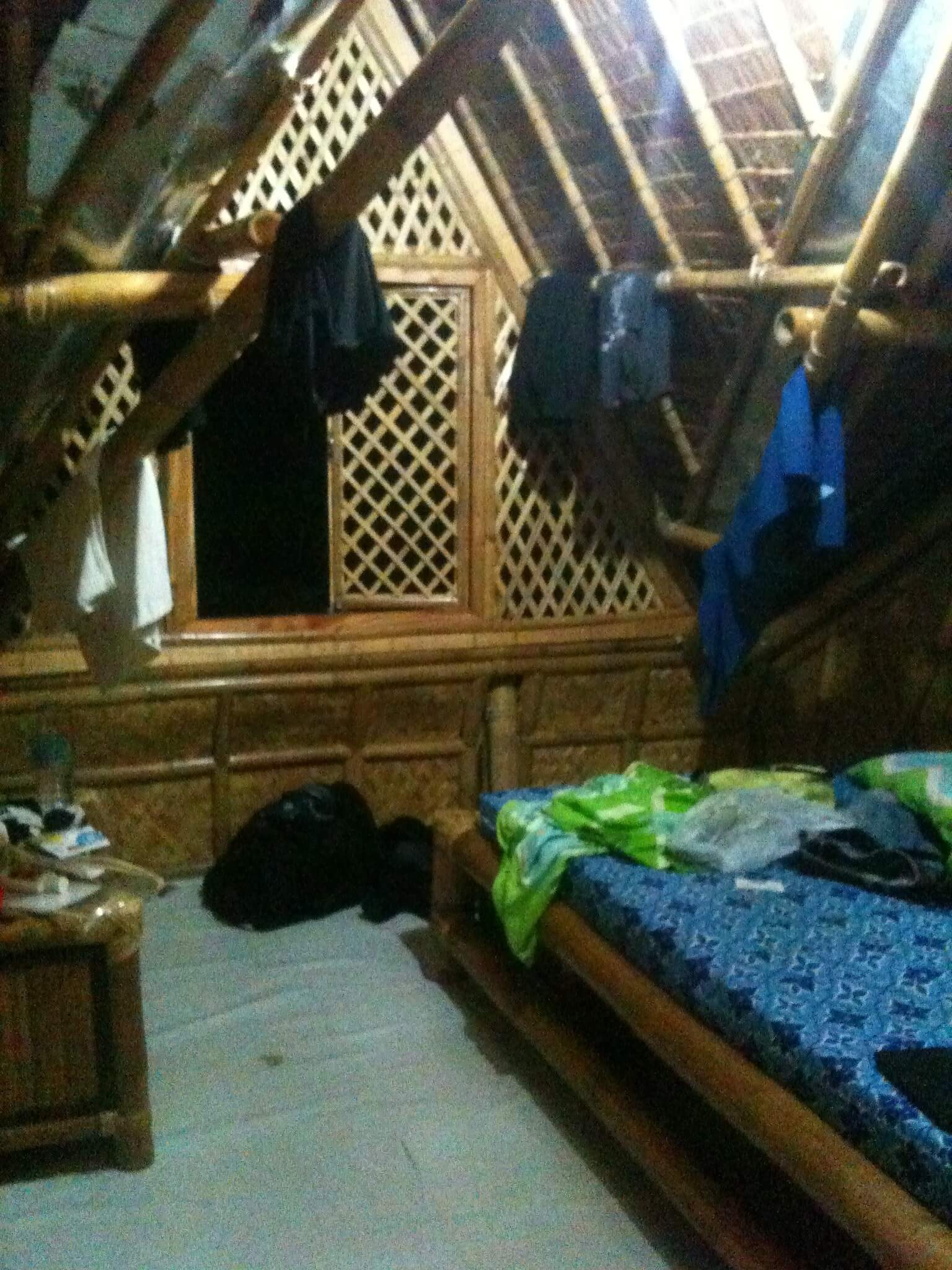
There’s accommodation on site, consisting of private bamboo cabins up above the boxing ring. That’s where I stayed for the first week.
Boxing
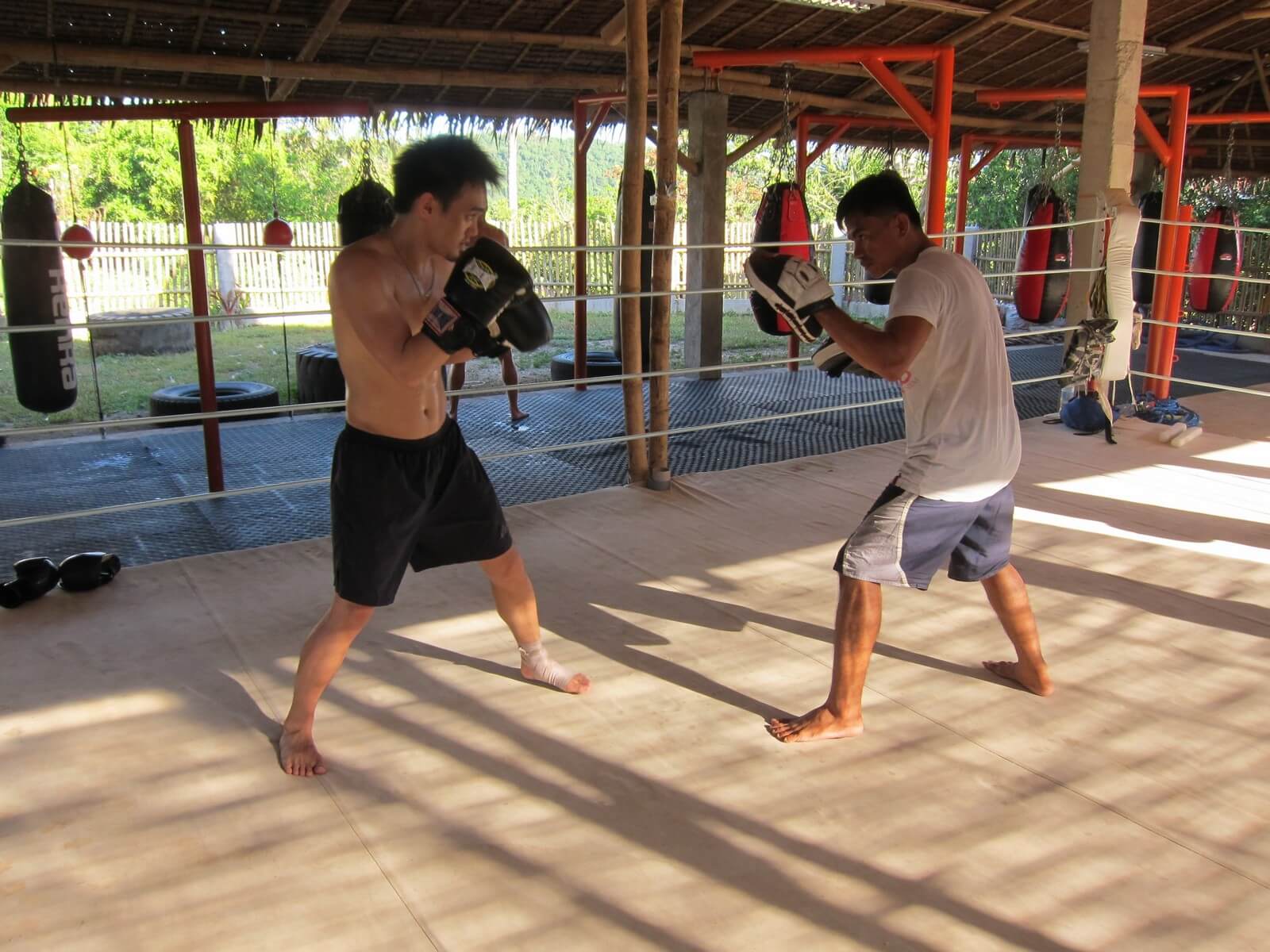
Every day there were 2 boxing sessions (8am and 3pm) and I usually went to at least one of them.
I’ve never boxed before, so this was a little new to me. However I have the whole Rocky collection at home which I’ve watched a fair share of times so I was extremely well prepared, in fact I was sure I was going to secretly end up being the star of the class. I lasted a whole twenty minutes before I busted my knuckle and had to box one handed for the rest of the week.
Hey, even world champs get injuries now and then.
Boxing was probably my favourite class out of all of them. When we weren’t on the pads or bags we were doing circuit training which had me breathing pretty heavy and in the Boracay heat I could feel the fat just melting off me. After the class finished the trainers lay us down and got a good 15 minutes of abs out of us. This is the place if you’re looking for a good workout while on Boracay. Beginners are welcomed with open arms – I’ve never taken a boxing class in my life and it was no trouble to just jump right in and start punching.
Relaxing after class with the trainer Rufino
Brazilian Jiu Jitsu
I only took 1 jiu jitsu class here; the first I’ve ever taken in my life. Once you get over the fact that you’re hugging and wrapping your legs around another sweaty guy you can learn a lot of cool stuff in this class. The class was taken by Richie, a great teacher who is also a pro MMA fighter. After giving us a crash course in how to guard and then quickly going through the triangle and armbar submissions, he paired us up and let us loose to spar. Damn, I was not confident at all and had no idea what I was doing. Needless to say I got a serious ass whooping and was tap tap tap tap tap the whole time. As hopeless as I was, I loved it. I left with a few basic moves and a much better understanding of what fighters actually do on the ground. Whenever I watch UFC now, I actually recognise and understand some of the movements, which is cool.
Muay Thai
I’ve done a few weeks of Muay Thai training back home and so this was the only class where I wasn’t a complete beginner. Zebastian takes the class and is an experienced pro Muay Thai and MMA fighter.
After the first few sessions Zebastian starting getting me in the ring for some light sparring. It was heaps of fun. The only problem is the dude is huge and his legs are so damn heavy that just a little tap on your thigh leaves nice tender bruises to help you along on your walk home.
In his words: “I’m not trying to hurt you, I’m trying to teach you that you need to block.”
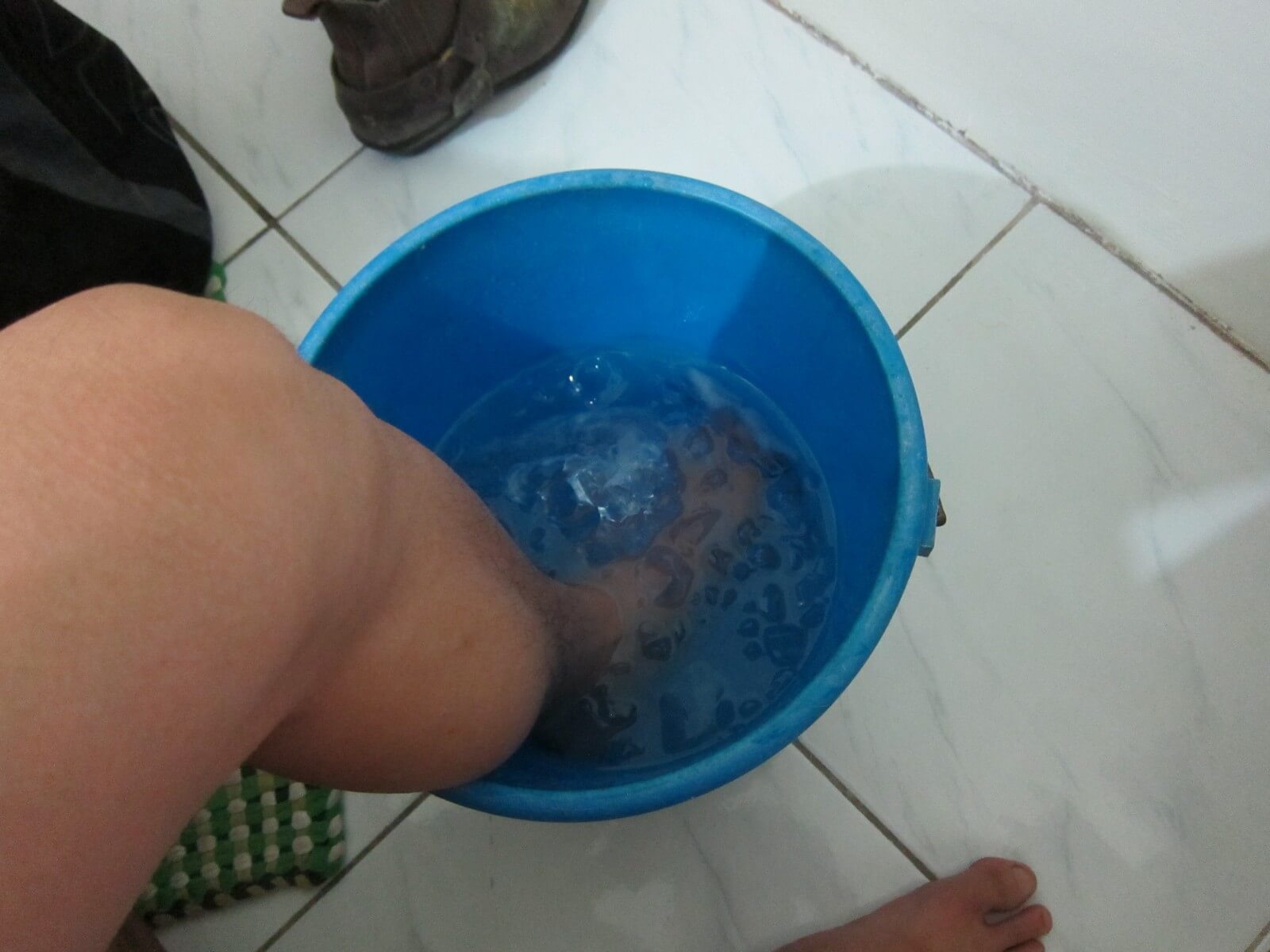
It was this kind of teaching style that made me really enjoy his classes, and he taught us a lot of techniques and combos that you see him actually use in his real fights. He also taught us a cool jumping kick which I wasted no time in trying out as soon as sparring time came around. Being the gifted fighter that I am I landed super awkwardly and heard the beautiful sound of a rip through my ankle.
I’m sure my technique was perfect, the floor was just a bit slippery that day…
Icing the ankle
Strength and conditioning
For me this was definitely the hardest session of all of them. Strength and conditioning is twice a week and takes place out on the picturesque White Beach which might have the clearest ocean you’ve ever seen. However during Richie’s session you won’t be admiring the water but rather battling to get oxygen to your brain to stop yourself from passing out. The class starts at 8am before the sun has fully risen and the beach hasn’t crowded up.
On my first day Richie and I are the only ones there so we get to it. We head out to a small patch of sand that sits about 5 metres offshore at low tide. I take a look back along the beach and admire the early morning seascape. White sand for miles, a neverending sparkling ocean and a cloudless blue sky to watch over it all. It really does look incredible.
Our patch of sand for training
We’re doing shuttle runs. We mark out 15 or so lines 1 metre apart and get started. Sprint there, jog back. Sprint there, jog back. I feel my body struggling early on as I’m still half asleep at this hour of the morning. Before long Boracay’s scorching sun slowly starts to come out. We’re only halfway through and now the relentless Boracay sun is hitting me right on the face, I’m shrivelling up from sweating so much and I can feel my legs about to collapse under me at any minute. Yet Richie seems to be just Sunday strolling along like it’s his usual morning jog. I plod foot after foot and it’s now changed from sprint there jog back to jog there, stumble back. Running on sand f***ing sucks and I can hear my calves screaming at me, begging for mercy. Around this time we’ve probably been running 20 minutes but for me it feels like an eternity. Finally I find myself at the last couple of lines which serves as a small glimmer of light at the end of the tunnel. Just…a…few…more………..steps. The stubborn voice in my head constantly taunts me not to give up and embarrass myself at my first session, and with every kilojoule inside of me I finally manage to crawl over the final line. My legs turn to jelly and I collapse into the ocean, gasping for oxygen and swallowing a few gallons of sea water in the process.
After a good 30 seconds of catching my breath, Richie looks at me and goes, “Ready?”
“For what?” I ask.
“We got one more set. Let’s go.”
Results
After 4.5 weeks at Legacy I was probably in the best shape of my life. I shed so much body fat and was fit, toned and feeling amazing, despite being injured a couple of times and missing around 10 days of training in total.
I used to train 2 classes per day, usually a boxing class and a Muay Thai or MMA class. That worked out to 4 hours daily, and with a 20 minute jog to the gym and back it really got the body working. It’ll also make you feel better about knocking down some beers on the beach at night.
As for my fighting skills, those definitely improved too.
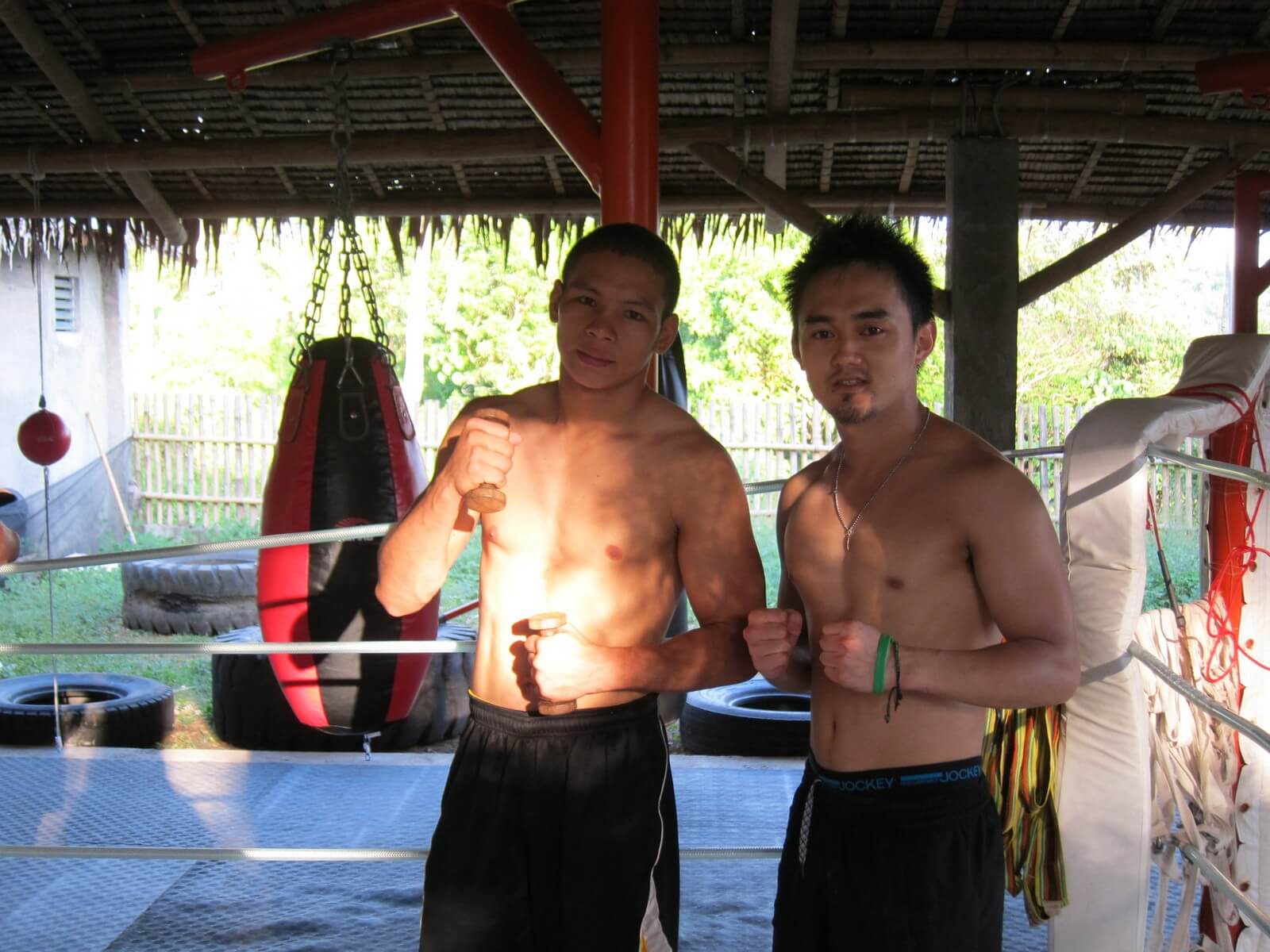
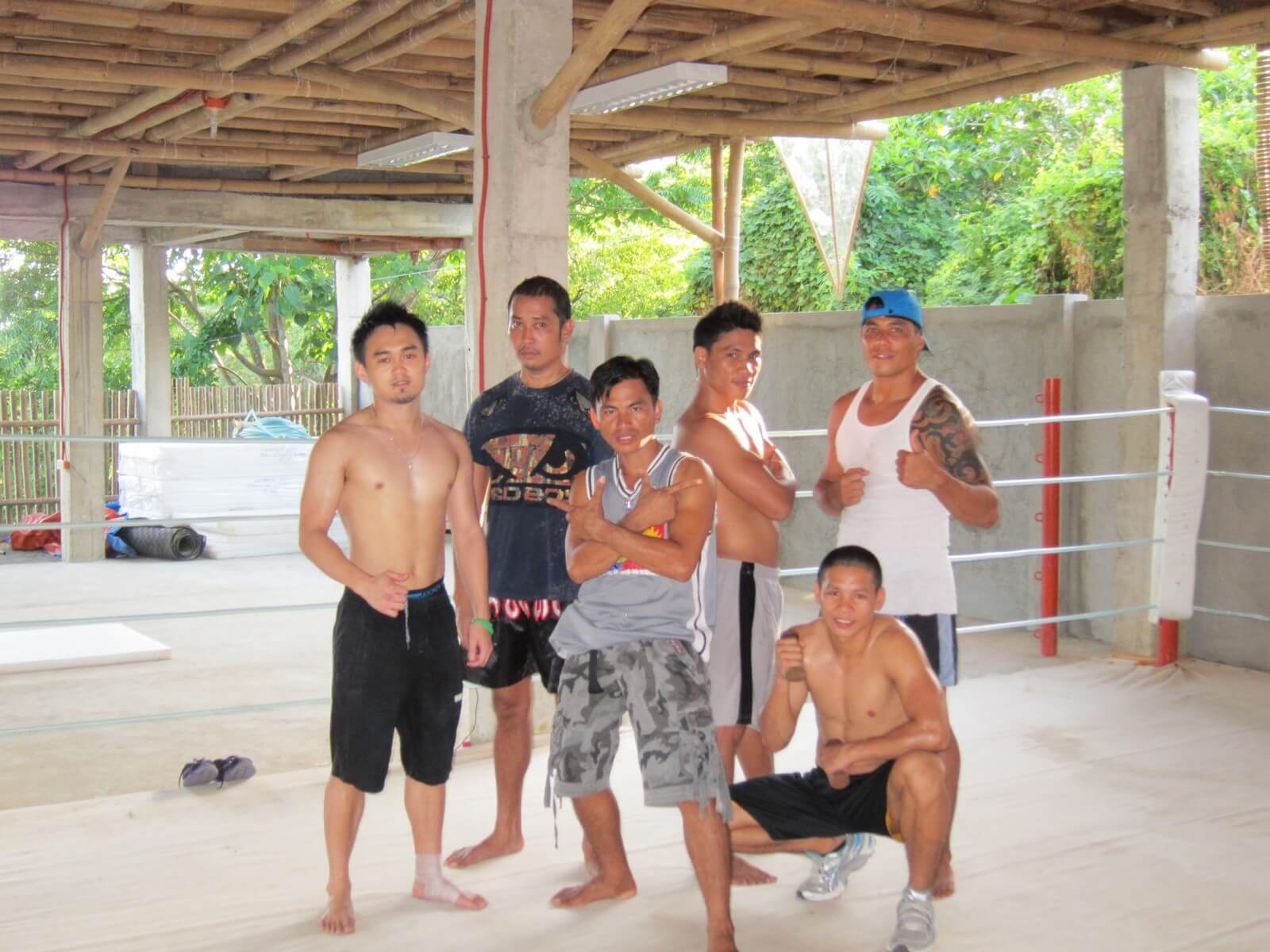
The guys at Legacy
One thing I learned here was that martial arts is really good for the soul. Fighting often gets a bad rep because it’s associated with hurting people. I don’t see it that way. Everyone is frustrated about something in their life. When I was an office dweller, I felt like I was forced me to lie to myself, to be someone different to who I really was. An environment like Legacy provided an outlet for me to just express myself. Whatever you’re feeling, whether it be anger, focus, or calm, you can express it through fighting. Think about the things that are bothering you and just beat the hell out of the bag. Or really focus and try and master the techniques that are being taught to you. Hit the bag as hard or as soft as you want. Push yourself until you’re about to puke, or just relax, watch and learn. I’m not a fighter, but that gym was a place for me to just be raw and uninhibited, yet still disciplined, all the while bettering myself physically and emotionally. I really felt like a different person by the time I left.
I remember Bruce Lee once said in an interview, “Ultimately, martial arts is about expressing oneself honestly.”
At the time I just thought, what the f*ck does that mean? Isn’t martial arts just about whooping someone else’s ass? However when I watch that interview now, it makes a whole lot more sense to me.
Details for training at Legacy Gym Boracay:
The gym is located about 5 minutes walk from Diniwid beach, a little way out from the main tourist strip, which is probably a good thing because it weeds out the photo tourists and keeps the classes to people who actually want to learn. From the main strip it’s around a half hour walk, otherwise a trike will get you there in 5!
The only downside with living at the gym is the eating options are a little limited in that area. I stayed at the gym for a week and then later moved to a small hotel room on White Beach. If you’re on a tight budget, staying at the gym is a great option (it’s around $75 a week). However if your wallet is a little fatter and you want to be closer to the action, you might prefer to stay around Station 1 or 2. Still not too far from the gym and a lot more stuff to eat and do.
When I was there we had girls, old dudes and even some kids in the class, quite a few of them beginners, but everyone had fun and took the lessons seriously which was the main thing. The trainers here are all pro fighters and some pro fighters prepare for fights here too, but everyone is welcoming to beginners who have never thrown a punch before, as long as you’re taking it seriously and not wasting their time.
If you’re looking for something different, healthy, challenging and probably a little out of your comfort zone, I’d highly recommend heading down and trying out a class. Learn to punch and kick a bag, then some pads, and maybe end up sparring a little if you’re ready. I’m sure you’ll love it!
World Nomads provides travel insurance for travelers in over 100 countries. As an affiliate, we receive a fee when you get a quote from World Nomads using this link. We do not represent World Nomads. This is information only and not a recommendation to buy travel insurance.
The Philippines was never very high on my travel bucket list. No one really talked about the place, and it seemed to have a reputation for being a rather dangerous place to travel through. Besides, all travellers knew that Thailand had all the best beaches, China had all the work opportunities and Vietnam had all the best food. Why bother going to the Philippines?
Then finally in March this year I got the chance to visit. What I discovered was a country inhabited by the friendliest people on Earth, littered with unimaginable beaches and an infectious family like culture that made you never want to leave. Some of the most beautiful places I’ve seen in Asia were hidden in faraway corners of the country, still unheard of by much of the backpacker crowd. What I still can’t figure out is how so many travellers in Asia pass on this country full of beautiful people, fresh tropical fruit, picturesque islands and untouched natural beauty. Safe, cheap, beautiful; I ended up staying for 6 months! It’s easily become my new favourite spot in Asicoa.
Need more proof? Here’s 10 reasons why you need to skip Thailand, Vietnam, Cambodia, Indonesia, Laos and head straight to the Philippines on your next trip to Asia.
1. The amazing people
It’s amazing how friendly the people are here. How the place got a reputation for being dangerous, I have no idea. There was one time where I ran out of cash in El Nido, and since the place had no ATM’s I wasn’t able to get cash to pay for the tour I had been on that day. I was so embarrassed but when I finally told the guy, he just laughed and said “Ahhh no problem, you can pay anytime! I just hope you enjoyed the tour!” A perfect example of the generous, welcoming spirit of the Filipino people.
They’re also so polite! I’ve never been called Sir so many times in my life. As soon as you walk into 7 Eleven – “Good afternoon Sir!”
Then I ask her to help me work the drink machine, “Yes Sir, no problem Sir!”
Then when I go to pay, “Thank you Sir, is there anything else you need Sir?”
Then when I leave, “Thank you Sir, come again Sir!”
Then as I walk through the door the security guard holds it open and says, “Thank you for coming Sir, have a good day Sir!”
This isn’t a one off, it happens like this every single time! I thought the Japanese were polite but this was a whole new level. They don’t try to sell me anything, they don’t try and give me a taxi ride, they don’t try to ask for money; they’re just polite for the sake of being polite, and that’s something that you don’t see around the world too often these days. Filipino’s certainly know how to make you feel welcome.
2. The incredible food
What I love about Filipino food is that it’s so different.
I love eating new things and that’s hard to do in many other parts of Asia. I’d eaten a whole lot of Chinese food before I went to China, I’d had quite a few gallons of Tom Yum soup before I went to Thailand, I’d eaten my fair share of curry and roti before I went to India and I knew all about udon noodles before I went to Japan. Yet before this year I had never seen or even heard of kalderetta, adobo, sinigang, bulalo, turon, lumpia, I could go on forever.
Some of the food didn’t agree with me completely but there were some things, their soups especially, that were just so different and delicious. There really is a lot of stuff that will be like nothing you’ve ever tasted before. Damn, I’m craving a sinigang right now!
3. You don’t get scammed or hustled
No one bothers you when walking down the street
To me, one of the most unattractive things about Asia is the blatant scamming. If you’ve ever been to the markets in China or caught a tuk tuk in Thailand you’ll know what I’m talking about. Hustling is even worse – take a walk through Phuket one night and count how many times someone tries to sell you something.
100 times only? Guess it was a quiet night.
During my 6 months in the Philippines I got scammed once. Other than that, it was so refreshing not having to watch my back every second of the day. A couple of times I even tested the taxi drivers, telling them I had no idea how to get back to my apartment when I actually knew the way perfectly. Did they drive me around the block and run up the meter? Nope.
Maybe the country’s strong religious roots has something to do with it, but whatever it is you’ll definitely appreciate it.
4. It’s off the beaten track
I still struggle to understand how so many attractions in the Philippines continue to fly under the radar.
How is it that Bali gets 3 million visitors a year and Boracay barely manages to get a million?
How is it that I literally had the entire resort on Cagbalete Island to myself?
The Philippines only had 4 million tourists in 2012, compared to 20+ million in Thailand. Anyway, whatever the reason is let’s just hope it stays that way. Part of the magic in exploring the spotless white sand beaches of the Philippines is that you quite often have them all to yourself.
5. Everyone speaks English!
I was surprised to find out the language of instruction in schools here is actually English!
Finding your way around a language barrier can be half the fun in travelling, but it’s also surprising how different your travel experience becomes when you can actually communicate with everyone.
The level of English here is very high, definitely better than any other country I’ve visited in Asia (except for Singapore). It really makes travelling through the country a lot easier, and it’ll allow you to interact with the locals who will be able to recommend things and places you would have never otherwise heard of.
6. The fantastic shopping
For me, shopping in Manila would be the best I’ve ever seen.
Bangkok was pretty good, Shanghai was also good, even Hong Kong is not bad.
Manila beats all of them.
Out of the 20 biggest shopping malls in the world, 5 of them are in Manila. That’s more than any other city. On top of that all the shop assistants speak great English, stuff is not overpriced (cough, Shanghai), the local brands are surprisingly good quality and the free WIFI actually works! No stupid codes, no getting a password from the information desk; just connect and go.
Their malls are not just big, boring boxes either. The maze of Greenbelt malls is modern, classy and full of character. Spend a whole day walking through here and you’ll probably only manage to see half of it.
7. Unbelievable beaches
These days its pretty hard to find a picture perfect beach that isn’t overcrowded, overdeveloped or overhyped. Unless of course you’re in the Philippines, where there are just too many to name.
In a country made up of over 7,000 islands beautiful beaches are bound to be everywhere. And they are! Try Googling Amanpulo, Caramoan, White Beach Boracay, Coron, Camiguin, Anguib Beach, Cagbalete Island, Caramines Sur, Nacpan Beach, Bolobadiangan Island, Subic Beach, Buluan Island; there’s just too many to list.
Most of these I haven’t even seen yet, but I’ll definitely be back to do it soon. What’s even crazier is that I’m guessing you’ve never even heard of these places, meaning no one else is going to be there except you.
8. The pretty faces
Miss World 2013. Photo credit: Paul Cortes Photography
While I was living in Manila, the Traveler’s Digest released an article ranking Quezon City as one of the “Top 10 cities with the world’s best looking men”.
The article caused a bit of a Facebook sharing frenzy amongst the locals, and the humble celebrations had barely ended when the Philippines won Miss World 2013 a few months later. In fact, it appears the Philippines has been cleaning up at beauty pageants for quite some time now.
I’m just going to chime in and go on record saying that the Philippines really is a country of very pretty people 🙂
9. It’s cheap!
Budget travellers will definitely have no problem making their way through here. Taxi rides around town cost $3, a decent meal costs $1.50 and a bucket of beers will barely run you $5. Catching the latest movie at the cinema will cost you $6 and you can rent yourself a studio apartment for around $15 a day! Not to mention the country’s budget airlines (Cebu Pacific, PAL Express) offer some of the cheapest fares in Asia.
10. It’s growing, fast
Fort Bonifacio in Manila
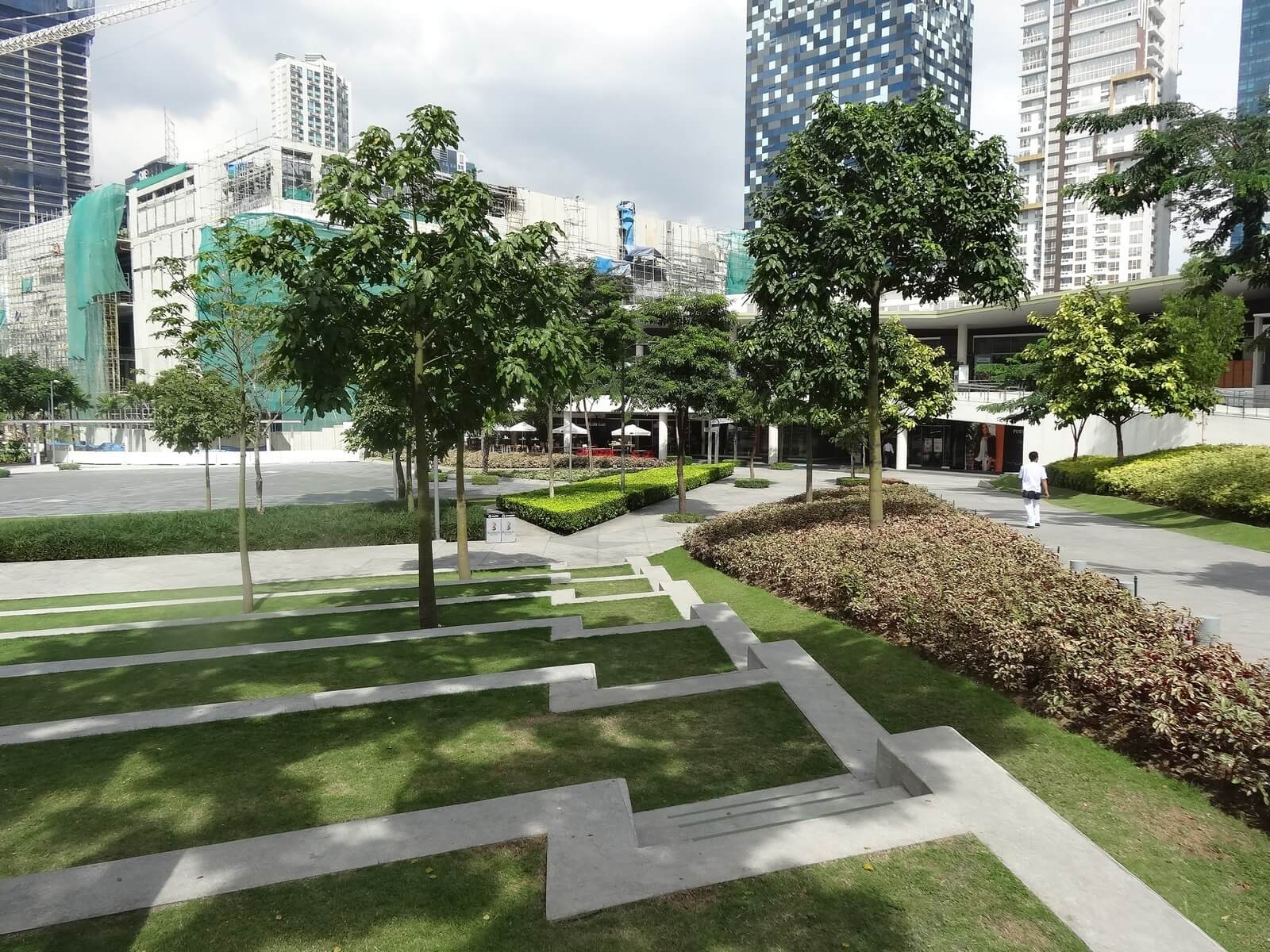
I remember the first time I visited Fort Bonifacio and felt like I was walking through an upgraded version of Singapore. Skyscrapers were going up in all directions, it was incredibly clean, all the international eateries were around, there were Deutsche Bank and HP and IBM offices towering above me, the roads were wide and uncrowded, there were fancy public parks and boutique shopping streets; there I was thinking “I thought the Philippines was 3rd world?” The place looked like New Zealand 20 years into the future! I cannot wait to see what this place looks like in a few years time.
I’ll say it one more time. Go to the Philippines NOW. Asia’s best kept secret may not stay a secret for too much longer.
Ahh, so you’ve heard about El Nido. Yes, it’s a pretty special place. If you’re looking to visit and need some help planning your trip, you’re in the right palce. Below I’ll take you through how to get there, where to stay in El Nido, island hopping in El Nido, plus a few other cool things to do. Hope you’re ready!
While travelling around the Philippines quite a few locals would tell me about El Nido. Most of them hadn’t been there, but knew enough about it to tell me it was beautiful and that I should go.
I’d never heard of this place in my life. Couldn’t be that great then, right?
Wrong.
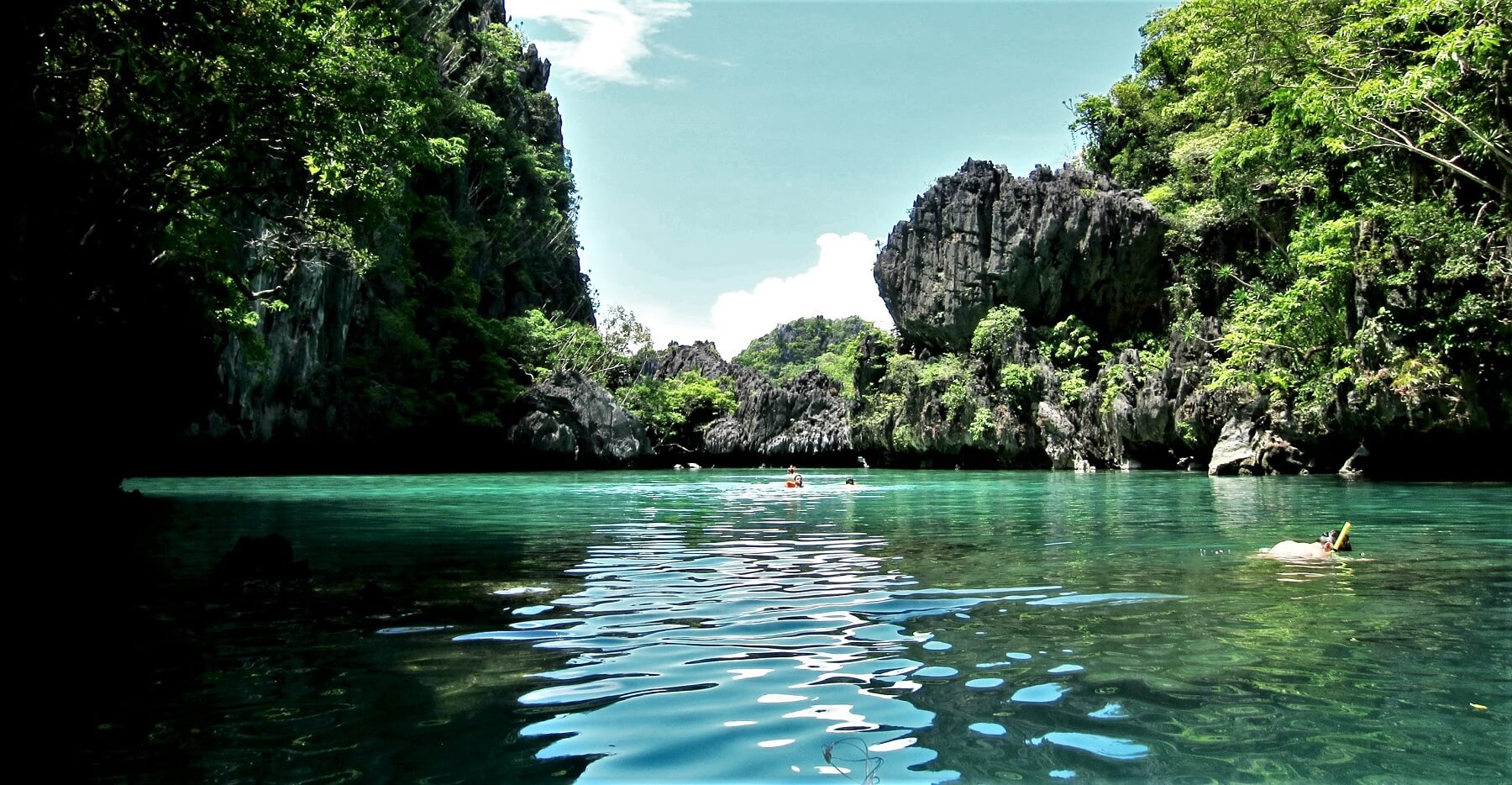
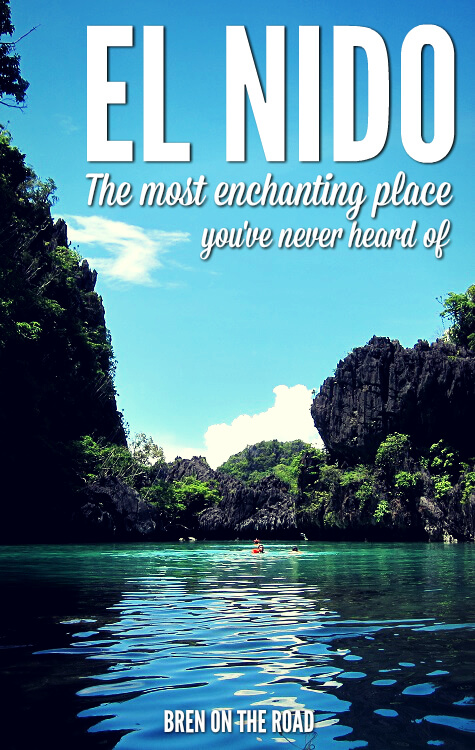
The archipelago of El Nido was like nothing I had ever seen before. The water was a bright, shimmering turquoise, the sands were white like flour and the towering limestone cliffs left me staring into the sky in wonder. Scattered throughout the islands were unspoiled lagoons and tiny hidden beaches, and under the water lay an endless world of incredible corals and rainbow coloured fish, still untouched after all these years. To put it simply, the place blew me away.
When people come back from Thailand I always hear them talk about Koh Samui and how it was the setting for Leo DiCaprio’s movie “The Beach”.
However, while reading through the El Nido Wikipedia page I learned that the original story was actually inspired by El Nido, as the author was living in El Nido at the time that he wrote it. True story? The locals seem to think so.
When you island hop across the archipelago you’ll be able to visit the ‘secret beach’ that is believed to have been the author’s inspiration.
How to get to El Nido
El Nido is not the easiest place to get to. It’s still relatively unknown which means it’s not particularly well set up to receive tourists; something you’ll find is quite common in the Philippines. I actually prefer it this way, because it means the hoards of tourists that can quickly destroy a place tend to pass on destinations like this.
First thing you’ll need to do is get to Puerto Princesa. It’s around an hour by plane from Manila and you should be able to get a decent price flight from Cebu Pacific, Air Asia or PAL (maybe around $40USD one way).
Once in Puerto Princesa you’ll need to get a van to El Nido. The drive is around 6 hours and you should be able to find an air conditioned van for around $15USD.
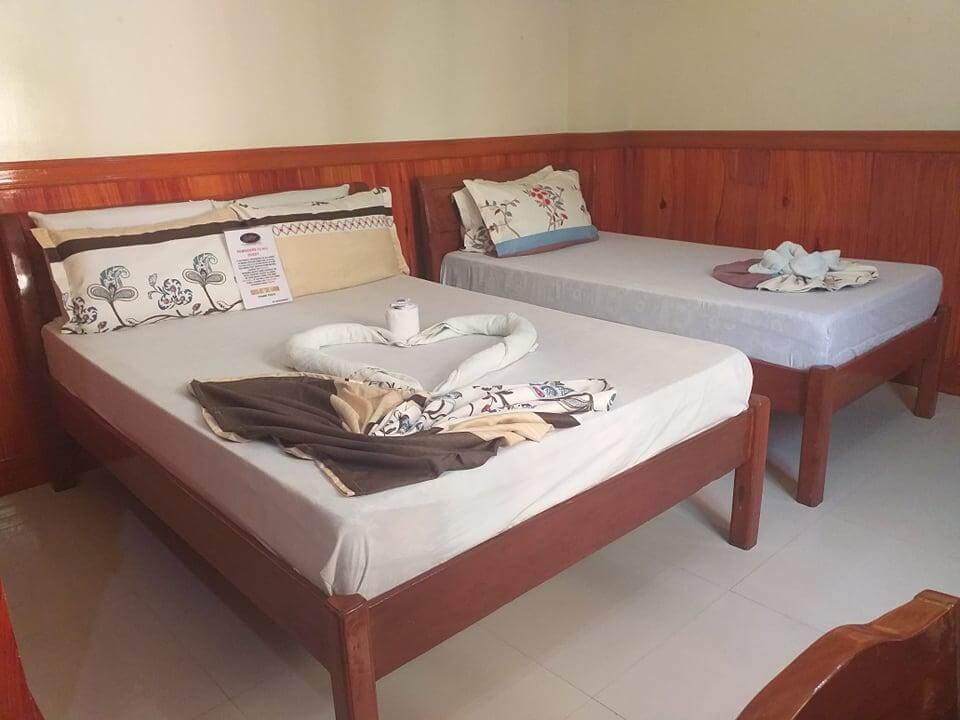
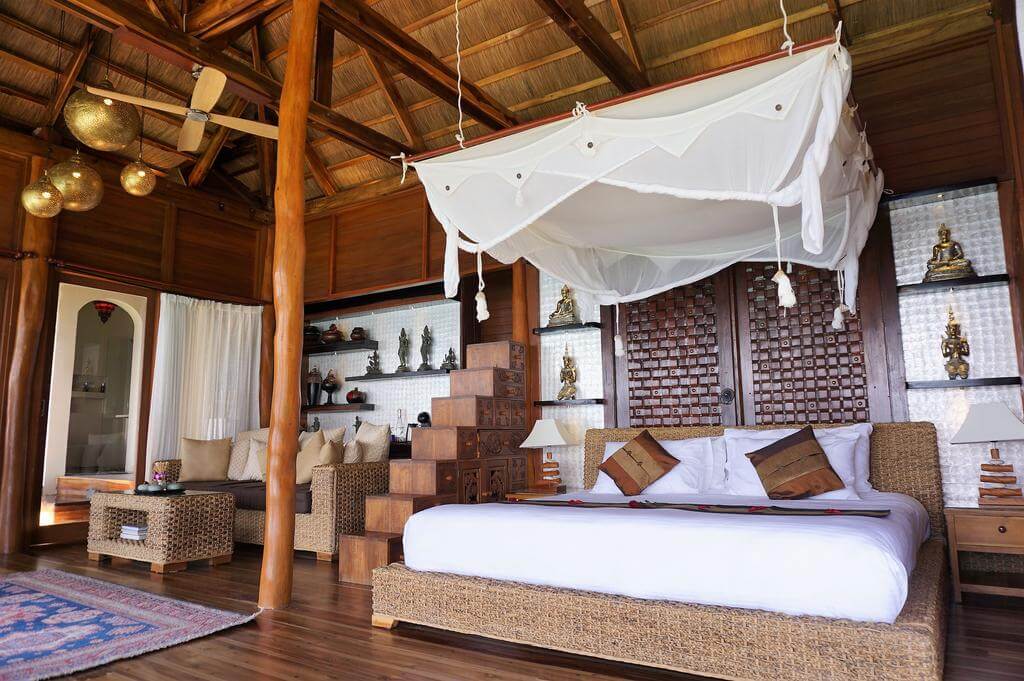
This is where I stayed and it was perfect for an easy and affordable option. It should only run you $30-$45 per night depending on the season. It’s located right on the main strip and in walking distance of everything (although El Nido is pretty small anyway). Click here to get the best rate.
For those of you wanting some more luxurious, this is the best choice in town. Most luxury resorts are located way out of town, but this is walking distance from the centre. Lavish rooms, not cheap, but if you’re going to splurge, there’s no place more beautiful than El Nido! Click here for the best rate.
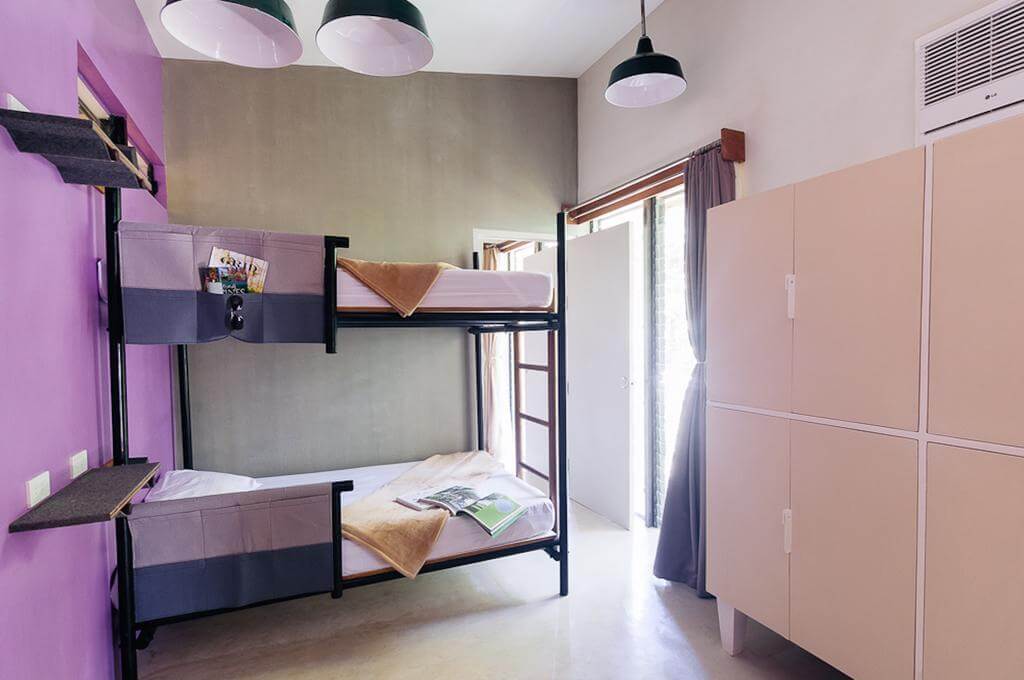
For the backpackers, this is your place. It’s right in the centre, super affordable and rooms are limited to four beds a dorm. Cozy place with great staff – you can’t go wrong. Click here for the best rate.
Island hopping
Island hopping is of course your first priority. This is what El Nido is famous for, and most likely why you’re going there in the first place!
The island hopping tours are standardised and you can choose from numerous different operators. Each one will offer 4 different tours, aptly named Tour A, B, C and D. I only had time for Tour A and Tour C, both of which I’d highly recommend. Anyway, here’s what you can expect.
The tours start around 8am and you’ll head out on a boat like this:
I’m not the biggest fan of boat rides but the ride out to the islands here is surprisingly pleasant. The ocean is calm, you’re surrounded by natural beauty and the morning sun is just warm enough to keep you happy. Kind of liberating, actually.
You’ll then spend the day visiting the various islands, beaches, lagoons, snorkelling and kayaking spots that El Nido has to offer.
The lagoons are my favourite. There’s something magical about swimming in these secluded pockets of water. As the guide tells it, they used to be massive limestone caves, and over the years the roofs eventually caved in leaving the lagoons that are here today.
The snorkelling around these islands is incredible, so make sure you rent a snorkel before your tour starts. Underwater life tends to freak me out a little bit, and I actually stepped on a sea urchin here which stung like ****. I ran to the beach crying and quickly returned with a long bamboo stick, hunting the culprit down to seek my revenge. Luckily for him I was unsuccessful.
I love the hidden beaches and lagoons tucked away in hard to find places. Obviously they’re not so ‘hidden’ anymore, but still breathtaking once you get inside.
During Tour C you will visit the Matinloc Island shrine. Having a peek inside the buildings that remain also leads you to believe someone was living there not too long ago…
At one point I actually found myself staring into the ocean for a good 5 minutes.
“How is it so blue?” I wondered.
It didn’t even look real, but more like a neverending sea of blue Powerade.
Every tour also includes lunch. I was just expecting a bottle of water and a sandwich, maybe a mango too if I was lucky.
Instead, as soon as we dock for lunch the guide and the driver whip out a grill and serve up an insane feast. Grilled pork, crabs, squid, fish, salad, rice, watermelon, banana, pineapple, even a hot drink! Evidently I was so excited with all this that I forgot to take a photo.
That’s another tip to keep in mind: Make sure you have a good daypack with you because the tours are full day tours and you’ll need to bring quite a few things. An even better idea is to take a dry bag. This is one of the most photogenic places in the world and you want your best gear with you, but you need to keep it safe too. Here’s a great list of the best dry bags for travel.
There are various shops throughout town where you can rent a motorbike. You can get them for around 500-700 pesos ($14-$18) a day. If that’s not your thing, a trike will be able to take you wherever you want to go.
There’s a few beaches and waterfalls around the place you can ride to, but if there’s one place I must recommend it’s Nacpan Beach. It’s around an hour away, but the drive is pleasant for the most part and the roads aren’t too bad.
Nacpan Beach is a little hard to find, so ask for clear directions before you leave and continue to stop and ask for directions along the way. Once you get there, it’ll all be worth it.
The beach is enormous, the sand is golden and the ocean is warm and crystal clear. But the best part about it is that it’s so secluded. We had the whole place to ourselves, and maybe saw two other people the whole time we were there. After driving through the long, winding maze of dirt roads to get there, pulling up to the beachfront definitely gave me the wow moment I had been waiting for.
More tips for travellers to El Nido
There are no ATM’s! This tends to catch a lot of travellers off guard (including myself). Make sure you take out all the cash you need while in Puerto Princesa. You might want to take out a little more than you’d expect to spend, as there’s quite a few nice restaurants and cafes in El Nido town worth trying.
Make sure you rent a kayak for Tour A. The lagoons are a great place to kayak around and take photos. Just ask your tour operator and they’ll sort it out for you.
Make sure your camera is charging during the night. Electricity in El Nido typically goes off after sunrise and doesn’t come on again until late afternoon. Keeping a powerbank with you is also a good idea.
From the looks of it El Nido is slowly getting more popular and as a result new hotels and restaurants are popping up around the town. In Manila I also see El Nido tours and even timeshares on sale throughout the malls. However as of now it’s still relatively unspoiled and there were only a handful of other tourists there during my stay.
My advice? Get there asap! It’s one of those places you’ll never forget.
You must purchase travel insurance in the Philippines. Travel through the country is unpredictable and you should be prepared for the unexpected. For a guide to travel insurance, why you need it and how to get it, check out my beginner’s guide here. For my travels, I use World Nomads.