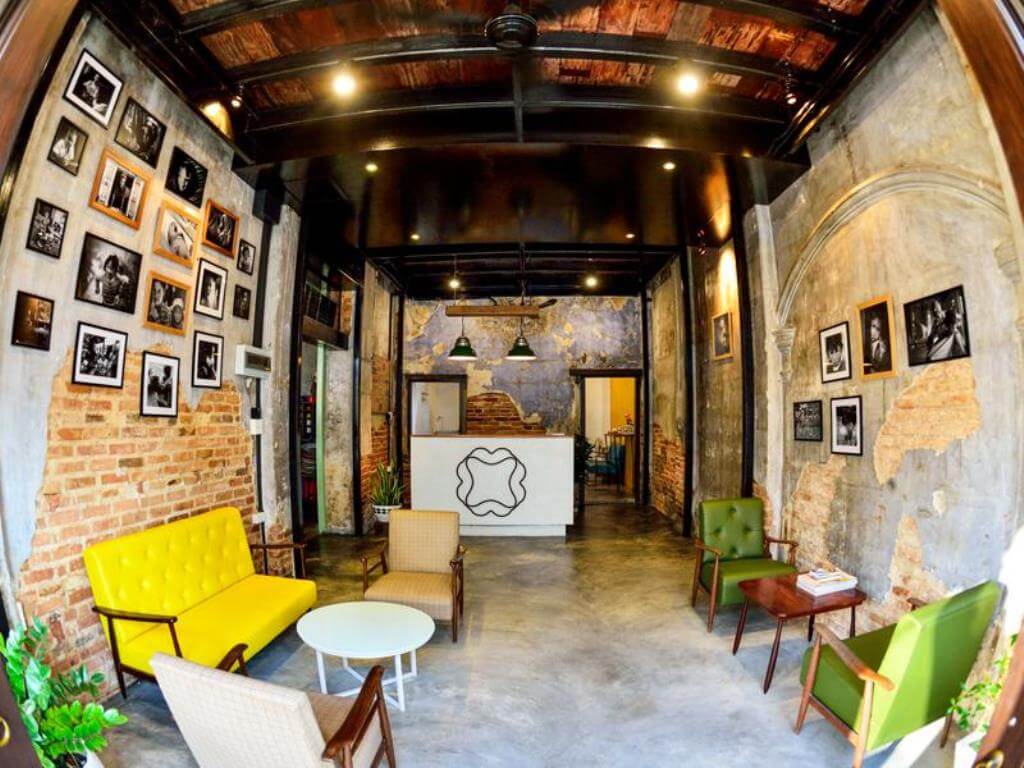
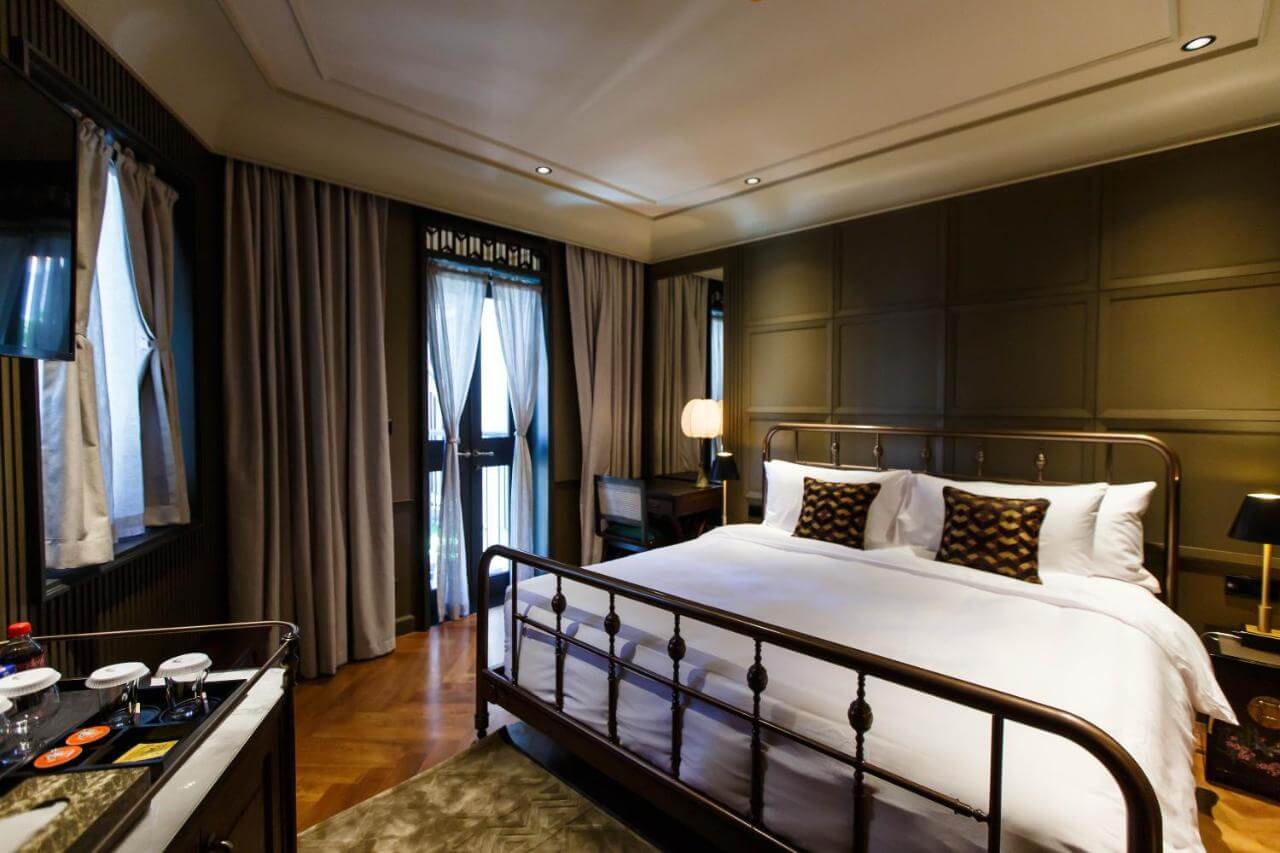
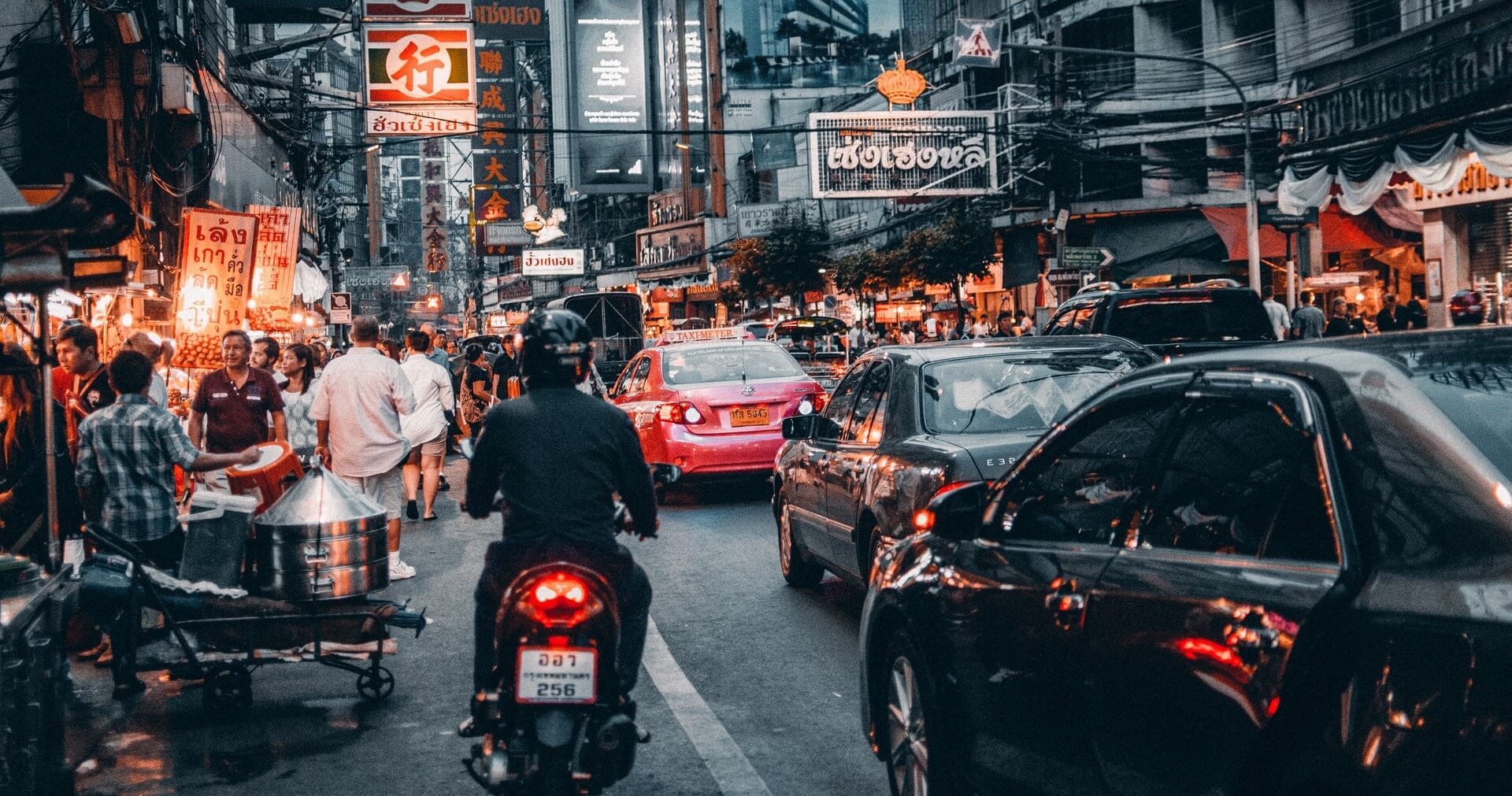
Life recently brought me to Bangkok for a few months and I was lucky to spend one of those months training at Ban Thong Yod.
Ban Thong Yod is a world-famous badminton school, known for producing both a male and female world champion over the years (Ratchanok Inthanon in 2013 and Kunlavut Vitidsarn in 2023).
The school sits around an hour from the city centre, in the Bang Khae area.
Arranging it was easy. I sent a message to the Whatsapp number and someone was available to answer all my questions and organize everything. They have a dedicated staff member who speaks English to take care of this stuff, so that was helpful.
I hadn’t pre-planned anything, so while chatting I asked her when I could come and she said “you can come today if you want”, so I did!
I showed up that afternoon with my bags and moved into the BTY House, just in time for the afternoon training session.
What’s A Typical Day Look Like?
When I arrived, I was introduced to the head coach who watched me hit around for a few minutes to see which group I would be in.
There seem to be around 4 different groups, but I’m unsure exactly how the system works.
Anyway, I was put in one of the middle groups where I was training with mostly young teenagers.
There is five hours of training per day.
The first session is the 7-9 am session, which is a conditioning session.
After that, you go back to bed if you hate early mornings like me, or maybe go to the restaurant and eat some breakfast.
Then you relax until the 1-4pm session, which is an on-court session.
After that, you’re free! Go eat some dinner at the restaurant.
A lot of players also order food on Grab (the Uber Eats of Thailand) if they get sick of the school food.
What’s The Training Like?
If you’ve trained for badminton competitively, there will likely be nothing new. Pretty standard drills like multi-feeds, footwork, sequence drills, sparring and so on.
There does seem to be more focus on fitness/consistency, compared to Smash Travel where we spent lots of time on technical things.
I think in the whole month of there we only did one or two drills focusing on learning/honing new techniques, the rest was more on footwork and repetition.
However, the school has produced two world champions, so obviously they have a good idea of what to teach you and when!
The morning session is things like footwork, skipping, weights, calisthenics – no rackets or hitting. I actually missed this session quite often because I couldn’t wake up that early. But the few times I did go it was pretty good and not too hard. For the older players, you generally get put in the gym with the weight training session. For younger players, they do more footwork-type conditioning on court.
At 1 pm you are back on court and it’s drills for the first two hours. The third hour you usually do some sparring to finish out the session. The drills are nothing revolutionary, but they have 6 or 7 coaches to feed, so you get quite a lot of time on court.
Saturday and Sunday the schedule is quite different – the afternoon session is 3pm-6pm, and consists of only sparring and games.
This sounds fun but they turned out to be the days I enjoyed the least. The class is bigger than usual, and there’s no real structure to it. The coach just points to a few of you randomly and says “go play doubles, go play singles”, then when you’re done he points to some others for their turn. So half the time, you’re just sitting around waiting for your turn to be told to play. I had my skipping rope and spent a lot of time skipping while I was waiting. Quite a few times I actually considered just leaving the class and going to the gym instead. But also for a lot of players, it’s good to get an easier day, especially those who train 3x a day during the week.
Is the training hard?
I was coming off a 5-6 week break, having not been on court since the Mauritius International.
The training at my first court session was not that intense, but somehow I was almost dead before we reached halfway. Badminton is funny like that. Even 1-2 weeks off and you feel like you haven’t played in years.
However, the next day the body had adjusted and things were much better.
It’s kinda hard but nothing crazy. Some days are harder than others.
Overall if you play badminton regularly you will probably be fine. If you’ve never “trained” like some of the people there, will probably be a shock to your system. But still fun! And since you’re training every day, you should adjust quickly.
Who Else Trains There?
The group I was in had about 25 students.
When I arrived, the class was mostly Thais, but there were a lot of foreigners too. We had players from Canada, France, USA, England, and also a big group from Taiwan. Over the month I was there, the turnover was quite big as most people stay 2-4 weeks, but we also had players from Philippines, Malaysia, Poland, Korea, Japan and maybe a few others I’m forgetting.
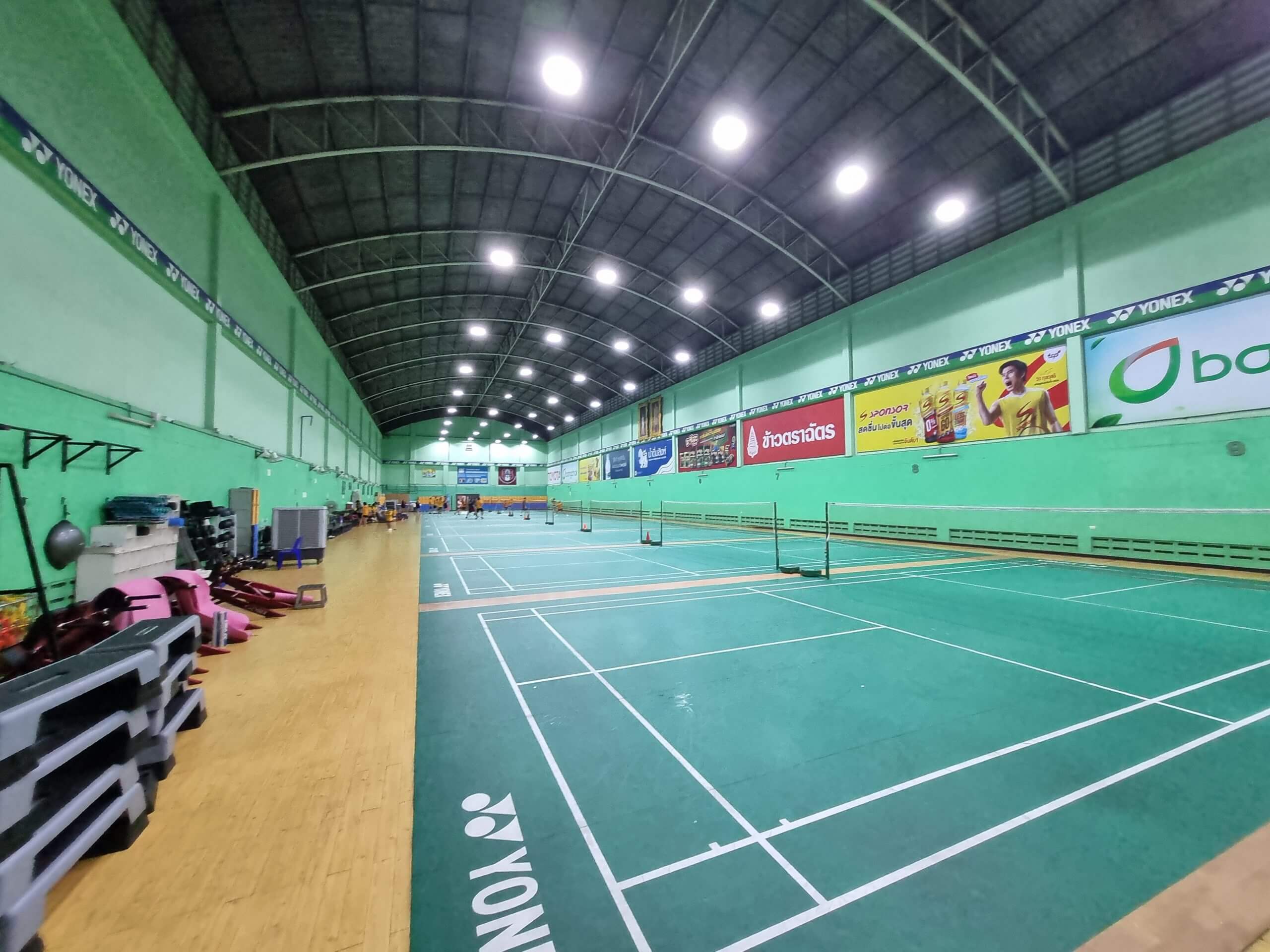
What is unique about BTY is anyone can train there – they have 18 courts and run training all day for everyone from beginner to elite (world champion level, literally).
This is why many people come here to train – because although Japan, Korea, Malaysia etc might have good schools, they’re not open to everyone. They’re usually exclusive and you need to be selected.
At BTY, you can train even if you’re still a newbie, as long as you don’t mind being put in the class with 5-year-olds! (and of course, if you can afford it 😉
There are lots of local Thais training here, I would guess over a hundred, from kids to adults.
It’s called a badminton school but most people don’t realise it’s literally a school, as in school-age kids live there and this is their education.
I figured this out when I noticed my 1pm session was filled with 14 year olds. From what I can gather from chatting with them (their English isn’t perfect) they do some online schooling, but the priority is badminton.
They all train 3x daily and I guess they probably do some online maths lessons during their rest time or something, but they don’t seem to worried about it. Also, I’m just guessing here, maybe it’s different.
What Are The Facilities Like?
It’s a big facility which is like a mini badminton campus. It has:
Dorms where most players live (local and foreigners)
BTY House which is a more expensive option for foreigners
Very well-equipped gym
18 courts
Restaurant
Small Yonex shop to buy gear (shoes, rackets, grips etc)
7-Eleven right outside
Staying in the dorms is free, or rather it’s included in the training price.
However I chose to stay in the BTY House, because I’m working and also skin issues, so I need my accommodation set up in a certain way. You pay extra to stay in BTY, it gets you a private room with an ensuite and a fridge and desk. There’s also a little lounge in the house with a big TV that nobody really uses, and a small yard to hang your laundry and sit around if you want. If you can afford it, it’s worth it!
Unfortunately I forgot to take a photo of my room, but it’s a pretty standard small hotel-style room.
The gym is available to you whenever you want (except while the squads are using it for training) and has everything you would need in a gym – treadmills, spin bikes, machines, free weights, kettles etc.
The restaurant is pretty good and the prices are regular Thailand prices.
You can pay maybe $2 for a meal. Not bad.
What Can You Do On Your Off Days?
On Mondays, school is closed!
People usually use this time to go visit some things around Bangkok or just relax at the mall.
I’m familiar with Bangkok so I didn’t do much on Mondays other than eat and maybe get a massage. However, for many, it’s their first time in Thailand so the trip doubles as both a training trip and a vacation!
Unfortunately there’s no beach in Bangkok, but there are many cool things to do like watch some muay Thai fights, go shopping, visit the markets, eat some street food, temples, floating markets, and plenty of amazing restaurants, cocktail bars, cafes and so on to spend some time at. My Bangkok guide can give you a few ideas!
How Would I Rate My Experience?
Me and head coach!
I think the school is probably too expensive for most, but it’s a well-established school and as far as badminton training goes I think it’s great.
Why is it expensive?
The facilities are all top of the line – Yonex courts, Yonex shuttles, an excellent gym, lots of coaches, and unlimited good players to spar with. You also play with new Yonex shuttles daily (they must go through hundreds of tubes a day!) so it’s easy to see why the cost is high compared to other camps.
It’s probably too much for casual players, but if you’re competing at national/international level (or aspiring to) then it’s a good place to get some intensive training and lift your game. Some players who are serious about doing well on the BWF circuit come and train here for months or years at a time. For context – I think it was perfect level for me, and I compete internationally and my world ranking was around 520 at the time.
Overall – had a lot of fun, and met some cool people. Some say my game improved a lot in a month, I don’t know about “a lot” but I definitely did learn some new skills and started winning more by the end of my stay. So overall, great experience and can happily recommend going! I would love to go back!
Are you in Bangkok and want to extend your stay past the allowed 60 days?
If you entered Thailand on a visa exemption on arrival, you would have received 60 days to enjoy the kingdom, but you have the option to extend this for a further 30 days, and it’s very easy to do!
In this guide I’ll show you step-by-step how to get your 30-day extension.
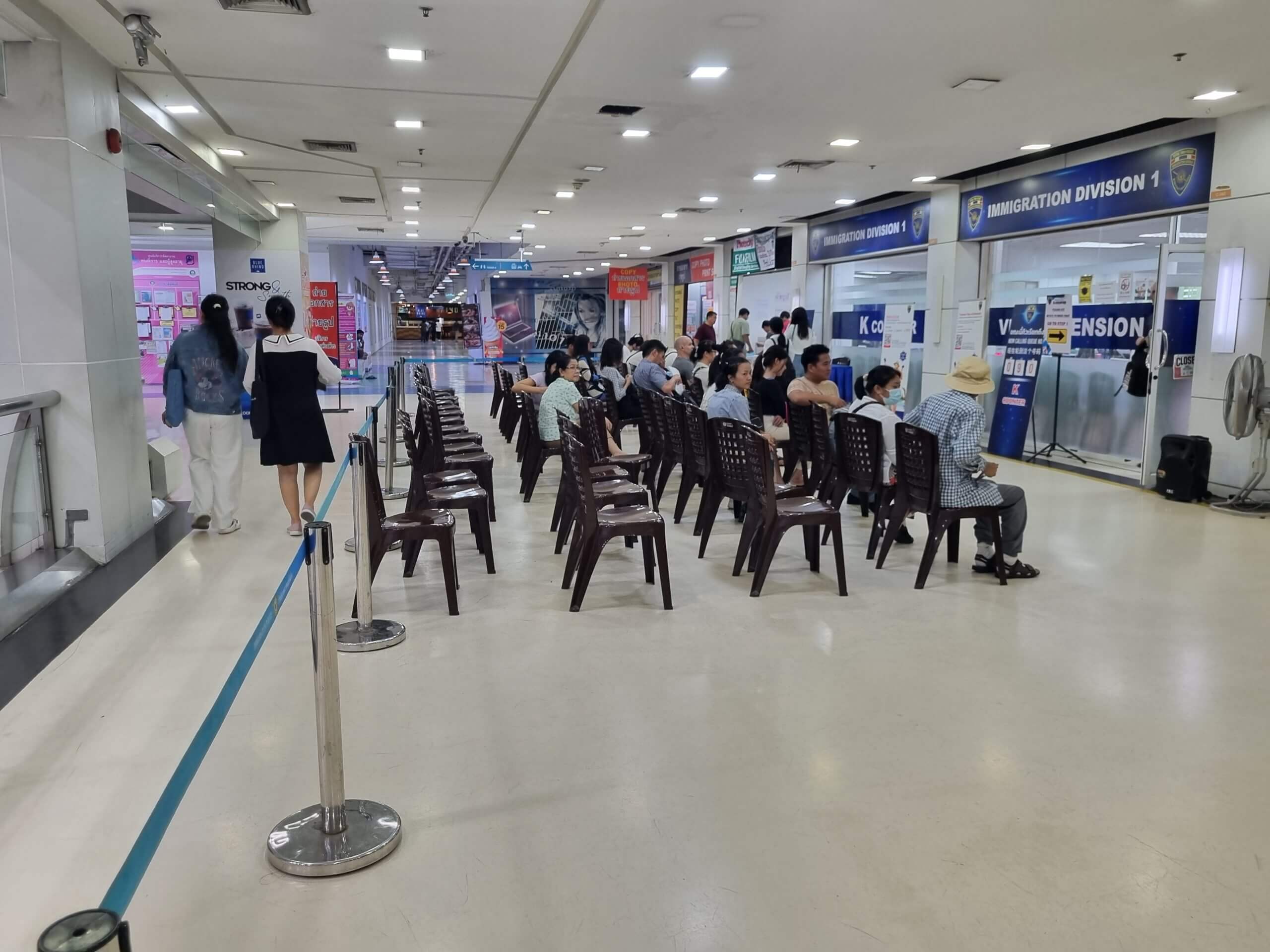
The first thing you need to do is get yourself to the immigration office at IT Square in Lak Si (third floor). The Google Map address is here.
It is not hard to find, in fact, it is literally right outside the Lak Si subway station (red line).
Here’s what you will need to take with you:
Your passport
1,900 baht for the extension
104 baht for some printing
A pen (very important!)
The office is open Mon-Fri from 8:30 am to 3:30pm (they close at 12-1 for lunch).
My suggestion is to get there at 8:30 a.m. because the crowd will be far less and the staff will also be less grumpy before they start dealing with clueless tourists all day.
As soon as you reach the third floor and find the office you’ll walk past these photocopy shops:
Give them your passport and they’ll make a photocopy of your bio page and your visa stamp page. You shouldn’t need to tell them what you need, they do this thousands of times per week.
Then they’ll ask if you need photos. If you don’t have a passport photo handy (a physical copy, not on your phone) then say yes! They’ll quickly take your photo and print some for you.
All this should cost you 104 baht or thereabouts.
Once you’ve got your documents, head to step one (everything is signposted).
At Step 1, there will be three forms you need to fill out.
You don’t need to print them beforehand, they are all provided:
The forms are all straightforward, it’s the usual things like your name and address and favourite ice cream flavour (just kidding).
For those of us who are a bit slow they even have written examples posted on the wall for you to copy:
Make sure you fill everything out properly because if you don’t, the ladies will just send you back to fix it and you’ll need to rejoin the queue again.
When I was last there, I saw three people get sent back to correct their forms. Don’t think you can just get to the desk and they’ll let you fill in all your gaps there. They won’t! You’ll get banished back to the form-filling station, so do it right the first time.
As i said the forms are straightforward, but you will need to put a full address for your accommodation so make sure you have this handy. You can’t just write “Sheraton Hotel” you actually need to write the street name, district, country, city, postcode etc.
Once you finish your forms, you’ll join the queue at this station where someone will check you completed all the paperwork correctly.
This is also where you will hand over your passport photo and your photocopies of your passport.
If everything is peachy, you’ll get your forms stamped and be sent to the processing room which looks like this:
Wait for your number to be called, the staff here will collect your 1,900 baht extension fee and take a photo of you for their biometrics.
I believe they only take cash (and they give change).
Once that’s all done, you’re done! Just head back to the waiting area and take a seat.
If they’re busy you might wait a while, but usually your passport comes back within 15-30 minutes. A staff member will come out of the room with a pile of passports and call your number.
If the crowds are not too big, this whole process from start to finish can usually be done in less than an hour.
If the queues are long and you need to wait over the lunch break, you might take 3-4 hours.
This is why it’s advisable to arrive early, but in most cases, you should be in and out within one day.
Also, this extension service is only for people who entered Thailand on a visa exemption.
If you have a different type of visa that you acquired as an e-visa or from a Thai embassy, you will need to extend it at the immigration department in Chaengwattana (Building B).
Do I need a TM30 form?
You might have read around the interwebs that you need a TM30 form.
The TM30 form is used for your accommodation provider to register you online with the immigration department.
I asked if my accommodation had registered me before I went, and they said they had.
I am actually not sure if they checked this on their systems while I was doing my extension, it’s possible they did. However, they definitely did not ask me for a physical copy of the TM30 form, nor did I see it mentioned anywhere at any of the stations.
If you want to be safe, you can ask your accommodation provider if they’ve registered you with a TM30 before you go (I think they’re all supposed to do it regardless of whether you’re extending or not).
Do I need a return ticket?
No, this was never asked for, nor is it mentioned anywhere in the requirements.
They did not even ask for a leaving date.
When given my passport back they just told me the date I had to leave by.
Can I book an appointment online?
Yes, this is possible, however I have not looked into it nor do I know anyone that’s actually used the service.
If you go early, the process is easy enough that you can be in and out within an hour, so I don’t see any need to try book appointments online and complicate the process more than it needs to be.
However, you can try it. If you do – come back and let me know how it goes!
I come out of arrivals and search for my name on a placard.
Mr Lee. Atsumi Healing.
That’s the one.
The drive from the airport isn’t long, but feels long.
Because I’m exhausted.
Exhausted.
The schedule has been non-stop, I’ve never experienced burnout before, but I’m sure this is it.
And then, like magic, my calendar opened up. No commitments for months.
So I’m here.
As we drive through the Phuket night, I gaze out the window, half-dazed.
It’s been about ten years since I was here, but things look mostly the same.
Soon enough, after we’ve crossed the island, the taxi slows down, heads through a winding alley, deep in the suburbs of Phuket, until we finally enter the gardens of Atsumi.
A young woman is there to greet me.
She has a bright smile. Like most Thais. She shows me to my room.
It’s a small cottage. Cozy, tidy. Big bathroom. Minimalist.
Exactly my style.
She wishes me goodnight, and says we’ll talk more tomorrow.
There’s a welcome letter.
They tell me to eat the salad in the fridge – it’s the last meal I’ll be having for a while.
All I want to do is sleep, but I start picking at the salad, and quickly start wolfing it down.
Enjoy it, I tell myself.
Last meal for 14 days.
Then, I collapse on the bed.
Welcome to Thailand.
I wake up the next morning and head to my meeting with my supervisor, Yoki.
Yoki is a smiley young man with a calm aura. Not tall, not short, just lean, and vibrant.
He serves me a tray of kombucha and ginger tea.
I pass, politely.
I tell him – I’d like to strictly water fast, 14 days.
I figure if I’m going longer, I might need some help.
That’s why I’m here.
And in my beaten-up state, now seems like the perfect time.
I’ve done this enough times to know what to expect – the first two days are easy. Day 3 can be tough, sometimes. Then things really start to get hard around Day 4 or 5. After that, the body goes into super fasting mode, and it’s smooth sailing.
After my meeting with Yoki, I go to yoga.
The teacher is a pretty, motherly, young French woman named Ann.
As Phuket is still quiet from Covid restrictions, Atsumi is empty.
I’m the only client, and have all the classes, and the entire resort, to myself.
What a dream.
The yoga class is done in the sala, a big open-air pagoda looking out over the lake.
We work up a big sweat and start the day invigorated.
Will probably be seeing you a lot, I tell her as we finish.
From yoga, I head straight to the colema room.
A “colema” is a type of colonic irrigation, like an enema.
You stick a small tube up your bum and it fills your colon with water, flushing out all the old waste that’s been sitting in there.
During a fast, it’s particularly effective as you’re not introducing any new food into your system, so you know everything that comes out has been up there a while.
The lady running the colema room is a darling grandmother who doesn’t speak much English, but over the next two weeks will welcome me with a warm smile each morning like I’m her own grandson.
Yoki introduces me to the colema system and gives me the play-by-play of how to use it.
Then I go to work.
It’s a solid sixty minutes of water in, water out, until I feel completely rinsed.
It’s not comfortable, but the feeling of rejuvenation afterwards is like a high.
Once I’ve had a chance to lie down and recover, Yoki drives me down to the beach.
Nai Harn Beach is a nearby small, busy beach on the southern end of Phuket.
It’s packed with Russian tourists and expats.
But, still great for a walk and some alone time.
I spend forty minutes walking up and down, feet in the water, taking in the sunshine.
Once we get back, I collapse on the bed and take a few hours for myself.
Who knew relaxing could be such hard work?
3 p.m. rolls around. Massage time!
The masseuse’s name is Daeng. She speaks almost no English, but that’s not necessary.
I lounge in one of the small open-air huts around the lake, while she gives me a foot massage and does some reflexology.
It’s the best part of my day.
As the sun starts to set, Yoki prepares the sauna.
It’s filled with herbs like lemongrass and ginger, and is like a blast of steam and aromas when I step inside.
I do fifteen minutes, then come out and drink some lemongrass water, then go in for another round.
Saunas are one of my favourite things during a fast, feeling the body cleansing through the pores. Therapeutic, and magical.
Night falls, but the day is not over.
We have one more yoga session to end the day.
Tonight’s teacher is Kate, a young Russian woman, warm and chatty. I like her.
She takes me through a tough session with many holds and long, drawn-out stretches.
It’s tough work after a day without food, but I know it will definitely make me sleep well once I finally hit the pillow.
As the week goes on, the days slowly blur together, as they usually do during a fast.
The yoga sessions get easier. Sometimes, we do meditation sessions instead, or sound therapy.
The colema sessions get more intense.
I start passing worms, many of them (I have pics, but they’re too gross to post).
I show them to Yoki, and he nods expectedly.
Very normal, he says. Tapeworm. Everybody has.
Each day I think I’ve passed all the worms I can, but each day another one comes out, bigger than the last.
Every morning I start to look forward to it, seeing what else I can evict from my body and build back stronger.
Day 4 and 5 are tough.
I find myself daydreaming of food, torturing myself by Googling all the best restaurants in Phuket that I’ll be able to try after this is over.
A battle wages in my mind every hour. I want pizza. I want fries. I want chicken.
I tell Yoki, and he laughs.
But on Day 6 things start to calm down.
I feel calmer. I take comfort in knowing I’ve been here before, and knowing it gets easier from here.
My system is completely empty. No food for 6 days, and my body has been flushed daily, until the water coming out is almost clear.
I start working again. My mind is clear, and for a few hours per day I can get on the laptop and be productive, instead of daydreaming in bed.
I tell Yoki to organise a Thai boxing class for me, instead of yoga.
It feels good, to hit the pads, release some endorphins, pump some blood through the muscles.
Day 8 arrives. I’m at peace. Day 9. Peace. I know I can keep going, as long as I need.
Finally, on Day 11, Yoki sits down with me and says, maybe I should break fast today.
I’ve lost almost six kilos, and 11 days of colemas means there is probably not much more benefit to keep going.
My daily weigh in:
I had been aiming for 14 days, but I agree with him.
Time to start rebuilding.
He says the girls will bring some fruit to my room for my first meal.
When I get back, it’s already sitting on my doorstep.
I can’t help but smile and feel like a kid of Christmas morning.
I stand in the sunshine and savour every bite.
A few hours later, they bring me a salad and a coconut.
I know I’m supposed to eat it slowly, but I wolf it down.
From Day 11 to 14, I start rebuilding my body, from a clean foundation, and a renewed spirit.
Atsumi also operates a raw food cafe in Phuket, so the meals are delivered fresh daily.
Raw lasagne.
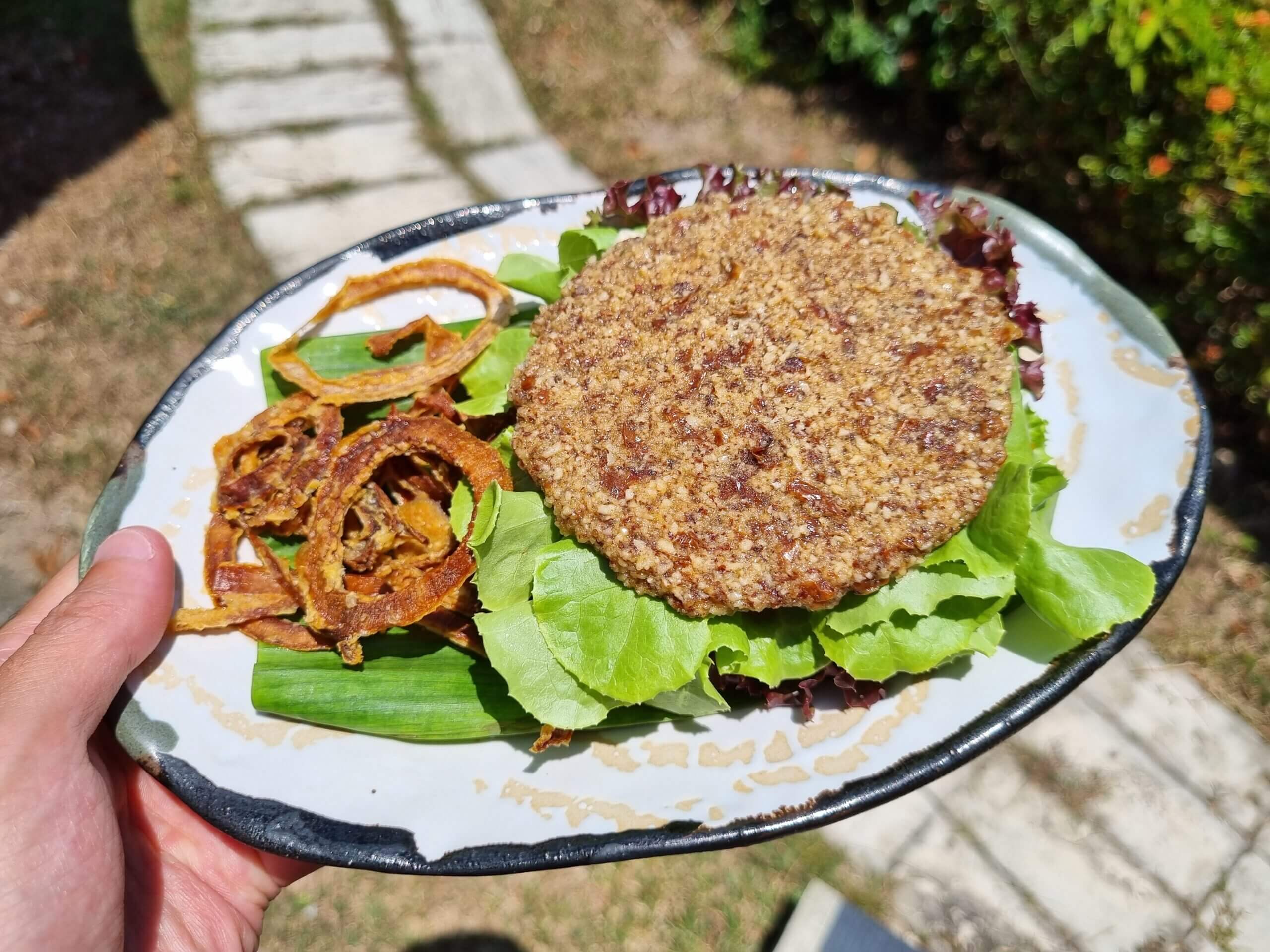
Raw burger.
Every day they arrange something different and interesting.
I feel like I am floating in heaven.
When my two weeks is finally up, I say my goodbyes to all the staff – the colema lady, the massage lady, all the assistants, Yoki.
In a short time, they have become like a small family to me.
I tell them one day I will return again, when my body asks me to.
I walk out the gates rejuvenated, reset and refreshed, ready to take on the world again.
And … eat my way through every restaurant in Phuket!
Note: This post is not sponsored and I paid for my stay in full.You can learn more about Atsumi at their website.
Chiang Mai is a place talked about often in my circles. Fellow bloggers and readers just assume I’ve been there, being the hotspot for anyone who works on a laptop. But somehow I’ve managed to miss Chiang Mai for an entire decade of globetrotting.
In December I finally had some free time in Asia and got the chance to visit. It wasn’t my typical trip to Thailand, but as you’ll see below Thailand is always fun no matter what you do 🙂
Arriving in Chiang Mai
Due to a little mix up, everything for Chiang Mai was literally booked last minute (more like last second). I had just finished the Singapore Marathon and had about a month free to spend in Asia before Christmas. Singapore is always nice, but a little expensive to hang around for that long.
One night after dinner with some friends, I got home around midnight and thought I still had one more night in town. But when I got back to the apartment I found out I was supposed to check out the next day! I knew I was leaving Singapore but hadn’t decided where yet, so suddenly in panic mode, I went on a flight search, picked Chiang Mai, booked a cheap Airbnb and then went to pack all my stuff and get to bed. The flight was early morning, so I didn’t get a lot of sleep either; I was up at 5am and straight to the airport. It’s been a while since I’ve had to travel on the spot like that – but it was fun as I remember 🙂
Flight was short, and I landed at Chiang Mai airport in the early afternoon. Luckily all my blogger friends have been to Chiang Mai and have guides on it, so I had gotten well acquainted with the city before I landed.
I’d booked my Airbnb in the popular Nimman area. A taxi might be around ~150-200 baht, but the public bus from the airport was only 20 baht and right outside the terminal. It’s not really advertised a lot but it’s easy to find. The bus map didn’t have much English, but a friendly Thai guy helped me out. It took me right into Nimman. I hadn’t noticed when I’d booked, but my Airbnb was also right beside the huge Maya Mall which would end up becoming like a second home for me.
I forgot to take a photo, but my Airbnb was a one bedroom with kitchen, gym and pool, and ran about ~$33 per night. That might sound cheap but it’s actually pricey for Chiang Mai (you’d pay ~half that on a monthly stay). Not that I had any time to go browsing apartments. As it turned out, the landlord was great and her place ended up being the perfect spot; Chiang Mai would eventually become home ground for my next training camp, and this apartment was right in the centre of everything I needed.
Back to training
Life was kind of boring in Chiang Mai to begin with. As my whole life for the previous 6 months had been about recovering from my skin catastrophe, I didn’t have any new projects to work on, I hadn’t been travelling so didn’t have a whole lot to write on the blog. To be honest I just wasn’t in a working mood in general.
I still had to exercise daily as part of my treatment, and get daily sunshine, so I scoped out gyms and running routes when I arrived. However, it’s hard to train every day when there’s nothing to train for. Just feels like you’re running around in circles for no reason. I needed a race.
The new race on my radar after Singapore had been the Ironman. Even though I’d never done a triathlon, and didn’t have a bike, and hadn’t swam in years, it was something I had become drawn to. I loved the story of it, a bunch of athletes trying to create “the hardest race in the world”. I had been watching Ironman videos on Youtube, sometimes I would spend the whole day watching races and observing all the little tricks the athletes were doing, like the special way they changed their shoes before the bike ride, and how they fought with each other during the swims. Between races I watched interviews and training videos of different triathletes and became a little fanboy of Lucy Charles and Nick Bare and a few others.
I Googled some training plans, and they all looked kind of ridiculous. But I thought – I don’t need to sign up for the actual race right now. An Ironman is special, let’s just start by seeing if I can handle the training. So that Monday I started on Week 1.
The First Week
I had no idea at first, but Chiang Mai turned out to be a great city to train in. There is an old ASEAN Games stadium there, with a full athletics track and Olympic swimming pool (and lots of other cool stuff I didn’t need). They’re all open to the public, but nobody uses them. Most can only dream of having an Olympic training ground all to themselves, but that’s what I had almost every day.
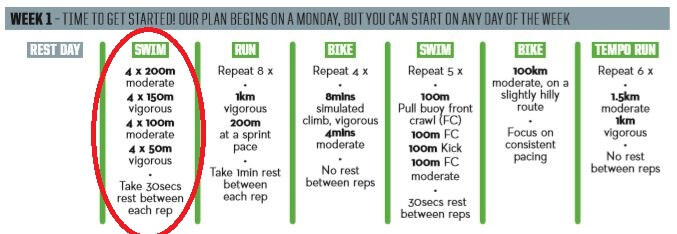
The first day of training was a swim:
Since I didn’t have swimming goggles, I went to Maya Mall that morning to buy a pair.
Despite being a huge five storey mall, there’s only one sports store in Maya Mall, and they didn’t sell swimming goggles. I asked the guy if another shop sold them, and he said no. Knowing he must be wrong, I went to the information desk and the girl there also said no. Five storeys of shops in this brand new mall and not one of them sells swimming goggles?!?? It’s not possible!
So I walked around the mall, every floor, for about an hour, searching for swimming goggles. Well, guess what. Maya Mall has a bazillion shops and sells everything that’s ever been invented in human history, except for swimming goggles!
Exhausted and bewildered, I walked down the road to the old mall in Nimman – Central Kad Suan Kaew – which looked like it had been built in 1995. My hopes weren’t really high, but after five minutes I found a sports store, and guess what. It had half a wall of swimming goggles.
Thailand is odd sometimes.
I bought the cheapest pair and, now reinvigorated for training, called a Grab to the stadium. It’s about a ten minute drive and cost ~100 baht each way (if you want to go, the official name is 700 Years Stadium).
Entry to the pool was 60 baht for a foreigner, and worth every cent. I ended up going often, and most days it was empty. Other days there were one or two others but even then, I had at least six lanes to myself:
I’ve forgotten how tiring swimming is. One 50m sprint and I was heaving like someone had been holding me underwater and punching me in the ribs. The training plan asked for 40 laps that day, and I was in that pool for hours, labouring through each set. They were supposed to be a mix of fast sets and moderate sets, but mine were more like slow sets and very slow sets and stopping-to-rest-in-the-middle sets. I also learned quickly why those swimming goggles were so cheap; they were useless and may as well have been made of cardboard. I had one eye full of water the entire time.
The whole swim wasn’t even a little bit fun or pretty, but I finished.
Afterwards I sat in the stands and watched this kinda fat guy effortlessly swimming what felt like 100 laps non-stop, he was there when I started and he still hadn’t stopped by the time I got up to leave. That was a big reality check…I was still a million miles from competing in an Ironman.
In the basement of the Maya Mall is a supermarket that I’m guessing all the rich locals and expats shop at. They had things like Australian ribeye and Norwegian salmon and organic duck eggs; since my training diet is usually high on animal fats and proteins it was perfect, although not that cheap. Still, you can’t skimp on food when you’re pumping through that many hours of exercise. For the first time I wasn’t eating daily street food in Thailand – which is usually the reason I come here in the first place – and was cooking all my meals instead.
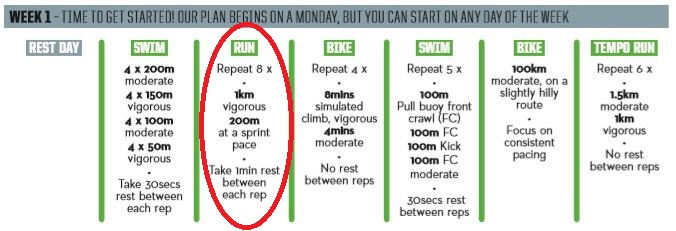
The next day was a run, repeats of 1km fast-ish and 200m sprinting:
The running track was perfect for a workout like this so once again, I headed out to the stadium and once again, had it all to myself. It was the first time I’d ever run repeats, even though I see them talked about all the time in running groups and blogs. It was also the first time I’d ever trained on a real running track so that was cool.
It was a pretty tough session but I was still (almost) in marathon shape from Singapore so this day finished much more comfortably than the swim the day before.
Finding a way to do the bike workouts was a little more challenging.
Since I didn’t have a bike, I had to find a gym with a decent spin machine. There are a few gyms around Nimman, but luckily I didn’t have to spend too long scouting – the first one I visited was perfect. Gold Hillside Gym was 100 baht for a day pass, was just across the road from Maya and had everything I needed (they also do 1,100 baht monthly memberships if you’re staying long term).
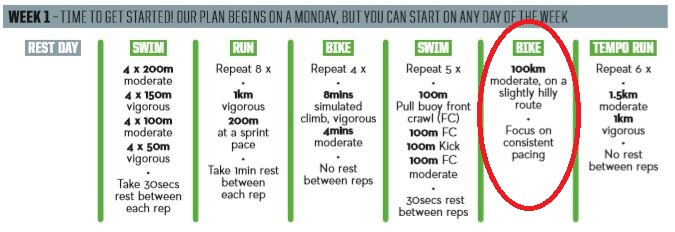
The big training day for the week was a 100km ride:
I do about 25km/hr on an exercise bike, so that worked out to ~4 hours on a spin machine.
Four hours sounded a bit silly so I decided to aim for three hours and see how it went. Got to the gym, booted up a 3 hour podcast and started pedalling. I left the gym that day with two badly chafed thighs and a bruised ass cheek and pretty sore balls. But I made it!
Rest day!
Sunday was rest day, and I have never loved a rest day so much in my life.
I went to a sports bar to watch the UFC in the morning, then wandered around town, stopped at a second hand bookstore, picked up a few classics, then hopped through a handful of Thai cafes and restaurants, reading and snacking on Thai food until sundown. Afterwards I walked through the Sunday market, sat at a bar and listened to some live music, went for a massage and went home to sleep. PERFECT DAY.
This became my routine over the next two weeks – wake up and stretch, spend the day at the stadium or gym, go to Maya and buy dinner, then cook a feast and relax at home.
If I had the energy I’d walk downstairs and get a massage before I went to sleep, and maybe cheat with a street food bowl of noodles on the way home.
I can’t say I loved training that much, didn’t hate it either, but I always found myself really looking forward to rest day!
A tour of Chiang Mai
Mimi was local friend of mine I met with for dinner the week I arrived.
After catching up over a grill feast, we jumped on her scooter and she gave me a little night tour of Chiang Mai.
First we stopped by the Tha Pae Gate, which is probably the most famous landmark in Chiang Mai. If you look at the map of Chiang Mai, the Old Town is encircled by a large square wall and moat, which opens at the Tha Pae Gate. It’s a centrepoint for tourists with lots of foreigner friendly bars/restaurants, street stalls, western joints like Starbucks/Burger King etc. It’s a fun place to just wander around, take some pictures and people watch.
After that she drove me down Loi Kroh Road, a famous nightlife and red light district, and some of the surrounding streets. She referred to it as the “street for man”, meaning a street full of girlie bars. It felt quiet that night but touristy/party streets in Thailand, like Khao San Road, Bangla Street, Soi Cowboy and so on – all have a very similar look/vibe, so I figured this one wouldn’t be much different when it came alive.
Then she took me to the Night Bazaar, a big maze of streets all selling the usual Chang Beer singlets and elephant souvenirs. “Tourist all love elephants” she told me as we walked the alleys. And we talked for a long time about why they love elephants, but never really came up with an answer.
Finally we headed for the Ploen Ruedee Night Market, which is a super classy spot; a mix of western and Thai foods, live music, some crafts stalls, and really just a fun place to chill and enjoy a relaxed night out.
Thank god for that night, because without it I probably wouldn’t have seen much of Chiang Mai at all!
Maya Mall
The problem with living beside a mall, is you just go to the mall for everything. I visited the supermarket on the bottom floor every day for my groceries. After training I would head to the restaurant floor to get a carrot and beet juice. There’s a little street food section on one of the top floors, and I visited there on cheat days to get my bowls of noodles.
I also got my old phone screen fixed there on the electronics floor. Side note: In New Zealand I got quoted $100 USD for that screen, later in Singapore I got quoted $95 in a mall and $80 in Chinatown. In Maya Mall they did it for $55. If I’d gone to an older mall they’d probably have done it even cheaper. They say Chiang Mai is cheap, it’s true 😉
Still, while it might not feel like much of a “Thai” experience to live right by the mall and go there for everything, it was the perfect spot for convenience and comfort’s sake. If I returned to Chiang Mai, I’d probably stay in exactly the same area.
Chiang Mai Half Marathon
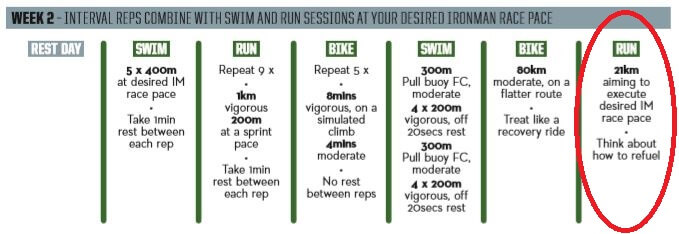
On my final week in Chiang Mai, the big workout on the schedule was a 21km run.
I did a quick race search and found out the Chiang Mai Marathon was that Sunday! I’d never run a half marathon (officially) so it was perfect.
Unfortunately, entries for the race had sold out weeks ago. My heart dropped as I’d gotten excited about finishing the year with one more race, but I knew there must be at least one person who wouldn’t make the start line. People drop out all the time due to injury, schedule clashes or sometimes they just didn’t train and don’t bother showing up. I joined a few Chiang Mai running groups on Facebook, and one guy helped me find a whole bunch of people selling their race numbers on another page.
The guy I ended up buying my entry from turned out to be an awesome guy, and when I asked how to pay him, told me to donate the entry fee to charity. I was inspired and started a fundraiser for readers to pay it forward and see if we could multiply his kindness. We ended up raising over $2,000 for my friend’s charity, Stand Tall International. It all made it an extra cool race to finish the year with.
The event was officially the MUANG THAI Chiang Mai Marathon. The entry fee for the half marathon was only $25 USD, so I wasn’t expecting much but everything was surprisingly excellent.
The gun was at 4am which wasn’t ideal for me, but it turned out be a bonus weather-wise as Chiang Mai nights are so cool. The start line was at the Tha Pae Gate. Everyone showed up in the beautifully designed race singlet (I still wear it all the time!) and we started right on time.
The race logistics went like clockwork. The course wasn’t crowded at all, except for maybe the first 2km. Aid stations were flawless and served water and Gatorade. Every km was clearly marked with nice big signs. It’s also a perfectly flat course so was a joy to run – just put your head down and work!
The red carpet finish was packed with photographers and we were welcomed home with Thai dancers on both sides. As soon as I crossed the tape I got my medal and official time slip, then was ushered into the finishers area.
The finishers area was the best surprise of all.
It was packed with food and drink tents, Gatorade, water, watermelon, bananas, omelettes on rice, green bean soup, McDonald’s burgers, fish soup, congee, some other stuff I’m probably forgetting, plus a post race massage tent for all the runners.
When I was ready to leave, they had a free shuttle back to the Tha Pae Gate. It was a long and slow drive, but when we got there we had another surprise. They had even more food tents there set up for the 10k finishers! So I sat there eating even more omelette rices before getting a Grab home.
Really good event, if you’re a runner, I highly recommend it!
My final day
Race day was actually my final full day in Chiang Mai, I was due to fly home the following afternoon.
The race had started at 4am, so by 6am we were done. That’s a pretty rad feeling, to see the sun rising and know you’ve just run a half marathon while everyone else hasn’t even woken up yet.
When I finally got back to the apartment, I hobbled up to the gate with my race number still on and my medal around my neck. The security guard smiled and congratulated me as if I’d just won the entire race, I don’t think he knew it was just a finishers medal. But I still pretended I was a champion 🙂
After resting my legs for the rest of the morning, I headed to One Nimman for lunch. One Nimman is an upscale-ish mall/eatery just across the road from Maya, it’s mostly Thai street food but the fancy version.
My appetite was small after feasting at the finishers zone, so I just had a few skewers and dumplings. Pretty good although nothing life-changing. I’ll give it a B+, maybe an A- on a very hungry day 🙂
That night I met up with Mimi one last time for dinner. Somehow we ended up back at One Nimman, which turns into a bigger food market at night. It also extends to the block across the street, just opposite the Maya Mall. I’m not sure if they’re part of the same market, but they’re right next to each other and the whole area is super busy. Lots of interesting stuff in there, so definitely check it out if you’re in town.
Afterwards as she was driving me home on her scooter, she asked me what I’d been doing for the last couple of weeks. I told her I’d just been training at the stadium every day. “You haven’t even visited anywhere?” She said if I wanted, she could pick me up early the next morning and take me to one of the famous temples in Chiang Mai before my flight. I said I needed to go to the gym in the morning, and she snapped at me. “You can miss the gym for just one day!!!!” she yelled, banging her hand on the handlebars.
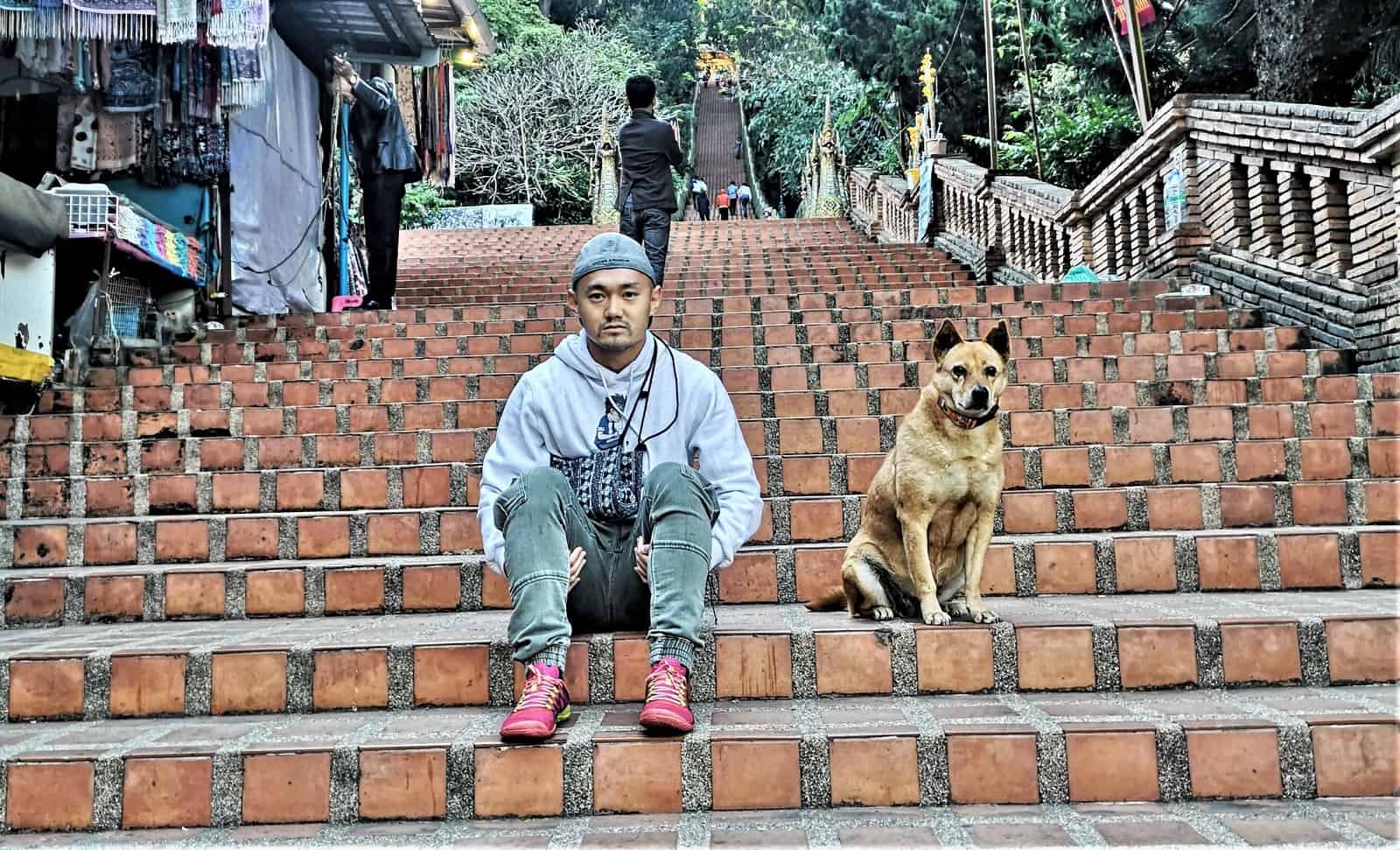
She picked me up at 7 the next morning. We drove up the huge winding hill to Wat Phra That Doi Suthep, a temple built on one of the mountains around Chiang Mai. It was a good half hour to drive up there on a scooter. When we arrived I winced looking at the huge flight of stairs up to the temple – I still had marathon legs from the day before – but luckily the climb only looked intimidating. The stairs were shallow and most people got up pretty easily.
After the temple, I had a quick plate of noodles with Mimi in town before I left to have lunch with my friend James from Nomadic Notes. He’d landed in Chiang Mai just the day before, so luckily we crossed paths, even if only for 24 hours.
I haven’t seen James for several years, we first met in Bangkok maybe five years ago. Bloggers spend so much time talking to each other through a screen, it’s always great when we get the chance to meet in person.
James’ recommendation for Chiang Mai was SP Chicken in the Old Town – solid spot for a roasted chicken and some sticky rice!
On the training schedule that day was a one hour bike ride, which I’d planned to get it in early morning before meeting James, but Mimi had convinced me to miss it for our temple visit. But when James and I finished up I still had a little over an hour before I had to leave for the airport.
I raced to the gym and knocked out my bike session, then ran back to the apartment and made my flight. Every training session matters, but every missed training session matters even more. Sitting on the plane for the next ten hours, I was able to relax and feel proud of myself for getting that work in. And even eat a little junk food 🙂
Verdict on Chiang Mai
During my first week in town I was thinking, “This place is still not cooler than Bangkok.” But Chiang Mai grew on me slowly, especially the cleaner air, and the better traffic. Luckily Grabs are cheap, because public transport is sparse or non-existent. Plus the weather is much better. Bangkok is suffocatingly hot always, but Chiang Mai in December was actually cold at night, and I couldn’t go out without jeans and a hoodie. I also never used the air conditioner in my apartment once.
I didn’t see that much of Chiang Mai to give any expert recommendations on the place, but from what I saw it’s a pretty cool city. Will likely be back some time!
However, it does take a little while to get used to, and first timers are often intimidated by the place. The truth is, getting the most out of Bangkok is difficult if you’re unfamiliar with the city.
But with just a few pointers you can totally transform your experience. You’ll stay in a better neighbourhood, eat better food, save more money and just having a freaking awesome time.
In this guide I’m going to help you do that.
After visiting Bangkok for many years now, I’m confident I can give you all the first timer tips you’ll need to fall in love with Bangkok, just like I have.
The most amazing thing about Bangkok is, it’s a city of many colours.
You can have any kind of holiday you want in Bangkok.
If you want to party every single night and get drunk and go wild until the morning, this could be one of the best cities in the world.
But if you want to just spend the day eating delicious food and sightseeing and go to bed by 8pm, this could also be one of the best cities in the world.
If you want to shop all day and spend all your money on fancy clothes – well, this probably is the best city in the world.
And if you’re on a honeymoon and want a luxurious, relaxing holiday with beautiful sunsets…you get the point.
Where to stay in Bangkok really depends on what kind of holiday you want to have here. Obviously if you want a quiet honeymoon, you’ll be staying away from the parties on Khao San Road. If you want to shop, you’re likely staying near the malls in Siam.
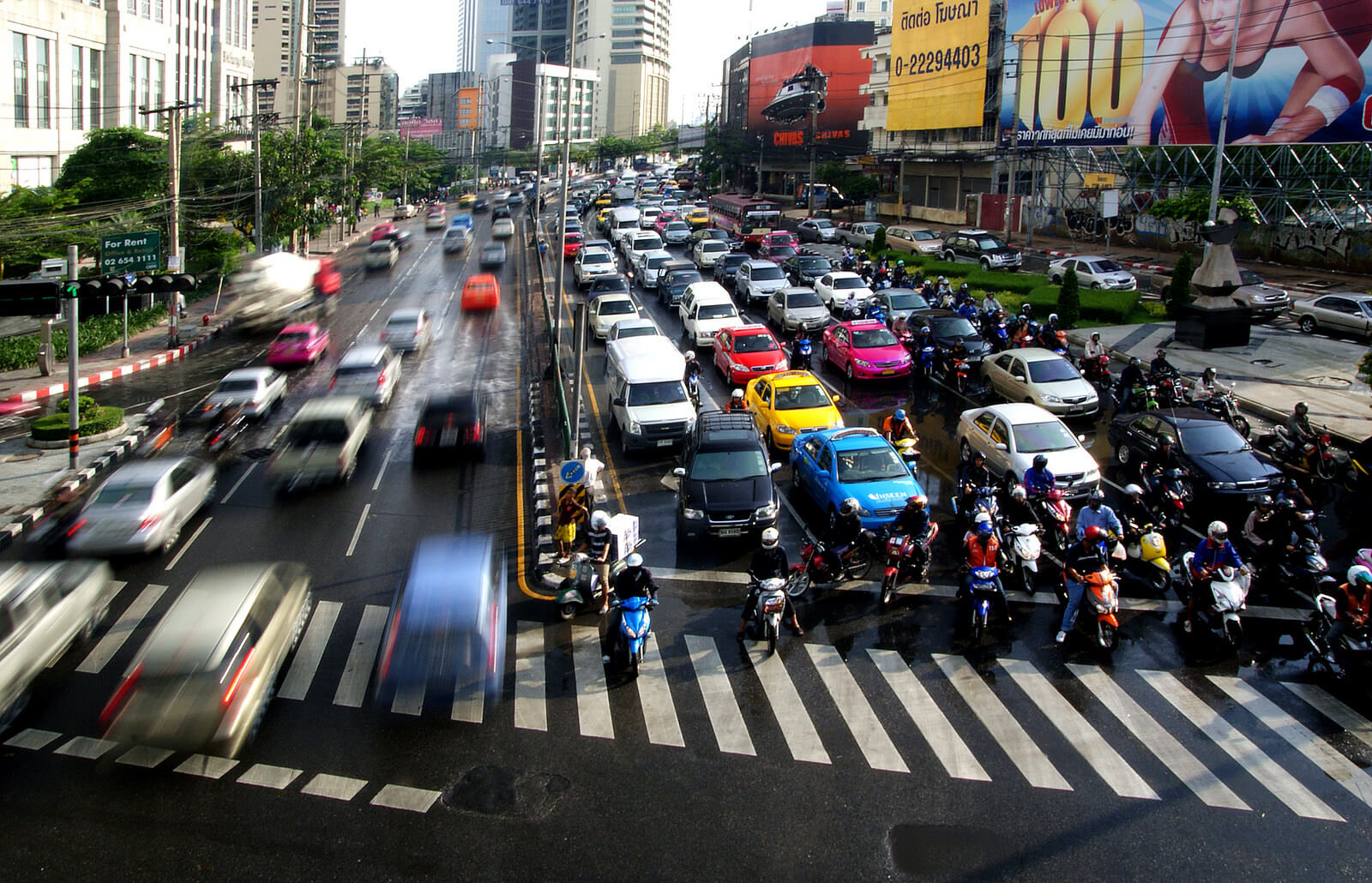
Bangkok is hot so long walks are uncomfortable and traffic jams are common. If you stay in the wrong part of town, you’re going to be spending hours per day commuting, sweating and sitting in traffic. NOT ideal.
In fact, I’d say where you stay in Bangkok is the most important thing to consider for an enjoyable trip. Therefore this section is going to be extremely detailed and the key focus of this guide.
So, what’s the best place to stay in Bangkok? There’s no right answer.
It all depends on what you’ve come to do in this great city.
Below I’m going to break down six of the main areas of Bangkok so you can decide the best place to stay in Bangkok for you. Of course there are many more areas, but these six are the main ones and for a Bangkok first timer, I highly recommend staying in one of these.
What I’ll do is give you a quick intro to what each area is about, then share some places to stay that I can vouch for. I’ve stayed all over Bangkok, and while I’m a budget traveller at heart, I’ll give you options for every price range. Whether you’re looking to pinch pennies or splurge on a fancy honeymoon, I’ve got you covered.
<
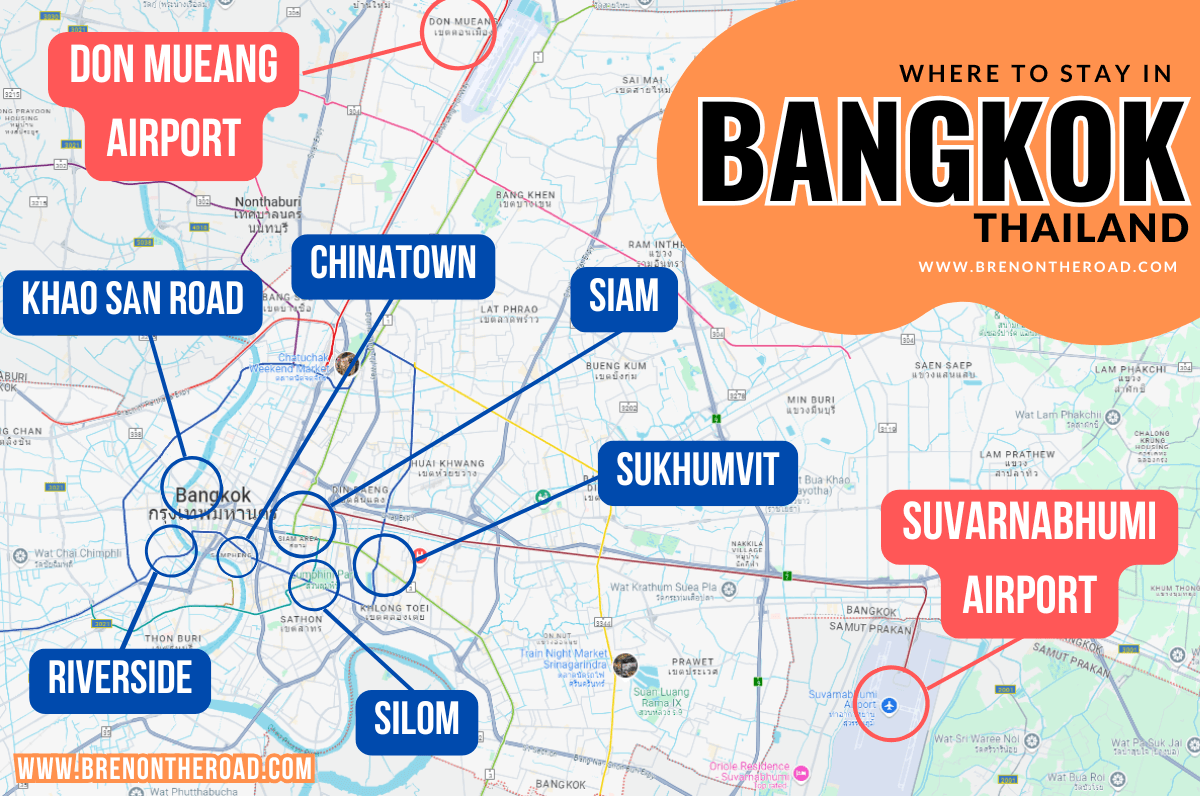
Bangkok Neighborhood Map
Here’s a map of Bangkok with the areas we’ll be talking about. As you can see both of Bangkok’s airports are quite a way out, but it’s easy enough to reach central Bangkok – the trains leave from right within the airport terminal and will only cost a few dollars. Super easy.
Above is a Bangkok neighborhood map marked with all the areas covered below, which I would consider the best places to stay in Bangkok for most visitors, especially first timers.
All are easy reachable once in Bangkok’s centre. Again, there is no one best place to stay in Bangkok. All have their different quirks and things to love and hate.
Let me take you through each of them:
Looking for things to do on your trip? Check out these ideas:
Sukhumvit
This is my favourite area to stay in. Sukhumvit is a developed and trendy area of central Bangkok, packed with hotels, bars, restaurants, clubs, shops, malls and everything else you could want on your doorstep. While many tourists stay in and visit this area, it’s not exactly “touristy” in the traditional sense. There are many Thais that live and work in the area too, which gives it a local feel, despite the clear western influence.
As an added bonus, the Skytrain runs right through the middle of Sukhumvit, meaning if you want to go anywhere you can simply jump on the platform and get anywhere in just a few minutes. There’s no need for taxis in Sukhumvit!
The Sukhumvit skytrain line centres around the more tourist-oriented areas, such as Nana and Asok. Here you’ll find a lot of things like massage houses, Irish pubs, western restaurants, bars, street sellers and so on. It’s pretty hectic but fun too, maybe the best place to stay in Bangkok for one or two nights.
As you move further down the line towards Thong Lor, you start to get a more high-class Thai vibe, and recently even further down to Bang Na is now full of western comforts. Beyond that it starts to more local and you’ll hear less English and have more local shops, if that’s what you want. You can stay absolutely anywhere on the Sukhumvit line, but I’d probably stay somewhere between the Asok and Thong Lor stations for max comfort, but honestly with Bangkok’s rapid development, even way up to Ari is perfectly safe and modern for a tourist. That way you’re right in the centre of the action, and just a few stops from both worlds.
You should stay in Sukhumvit if:
You want a mix of everything (nightlife, street food, western comforts)
You want easy access to public transport
You want a mix of tourist and local oriented areas.
It’s your first time to Bangkok
Where to stay in Sukhumvit?
There are lots of options between Asok and Thong Lor; in my opinion, this might be the best place to stay in Bangkok for a first timer. Here are some recommendations:
For the backpacker
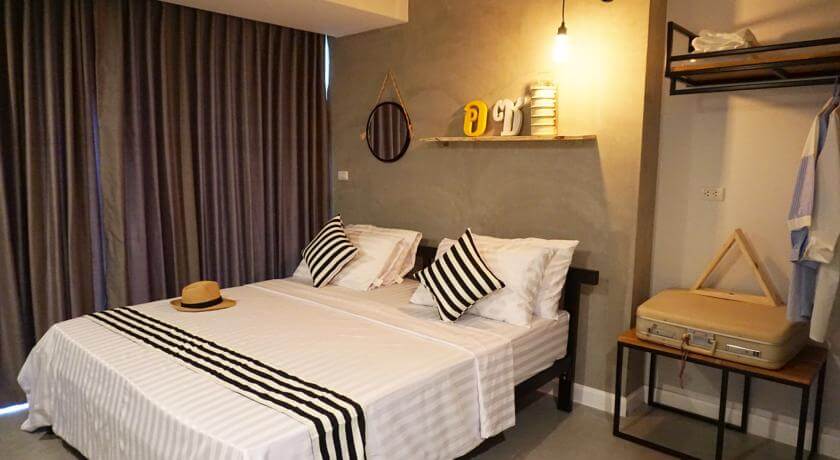
Try the Piccolo Hostel. This quirky hostel is super clean, modern, and a one-minute walk to the BTS station. For less than fifteen bucks a night in low season, it’s a total bargain. You’ll find the best rates here.
Piccolo Hostel, Bangkok
For the budget traveller
I’d stay at the Adagio Bangkok. Will only run you around $40 a night and the rooms almost feel like those of a top Bangkok hotel. Bangkok hotel prices are already great but there are very few places in the world you can get this level of flash at this price! It’s also just a few steps away from the Phrom Phong BTS station – a big bonus. You’ll find the best rates here.
Adagio Bangkok Hotel
For the high roller
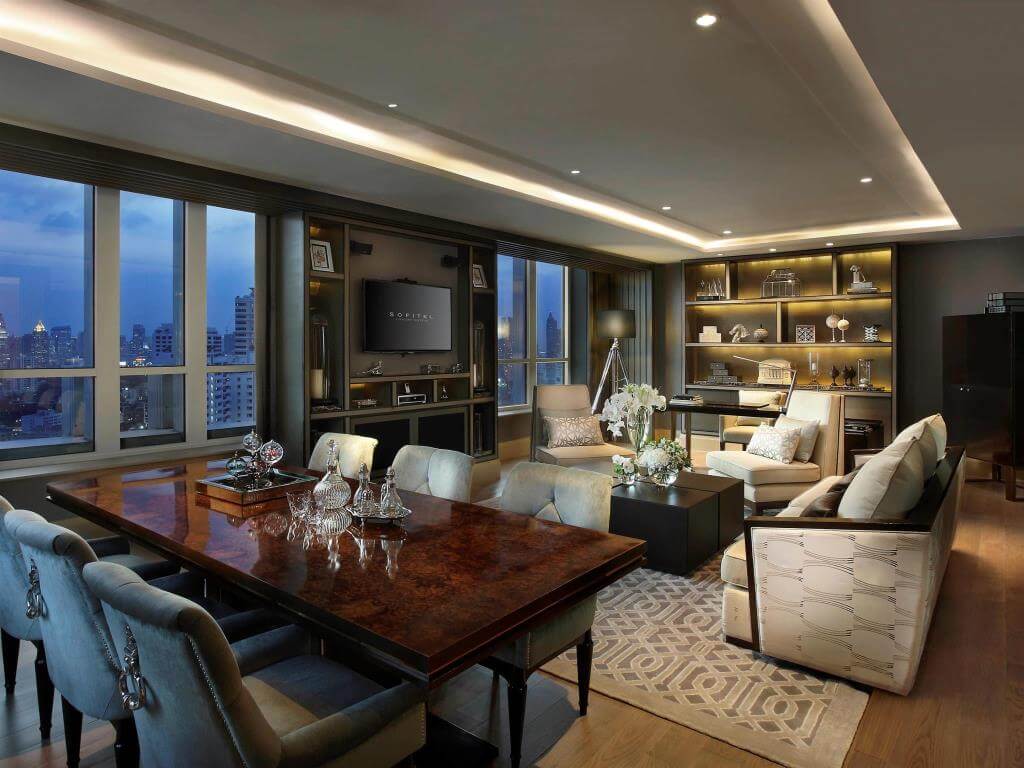
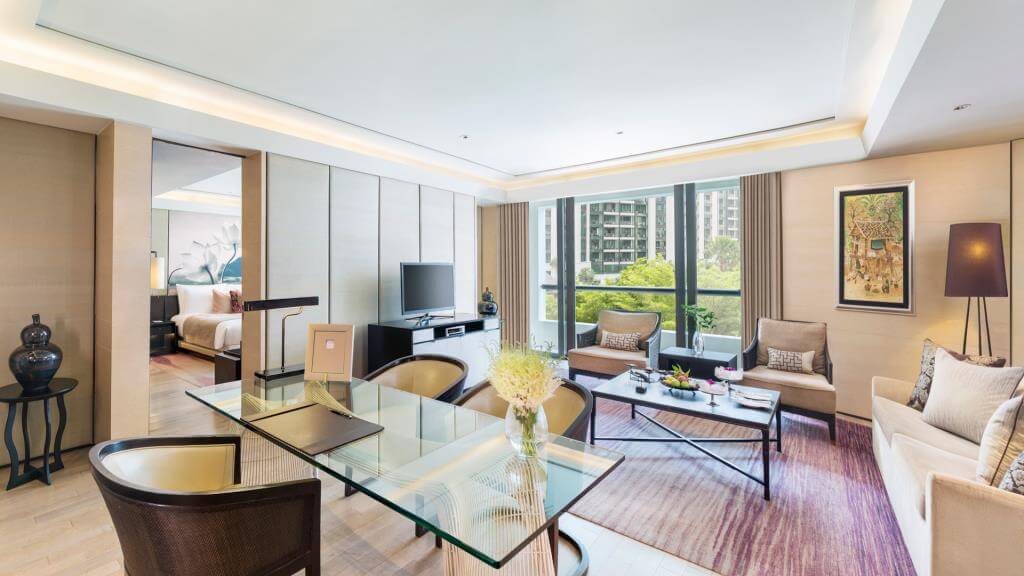
Sukhumvit is full of luxury, and the best part is, it’s not even that expensive. If you’re on a romantic holiday and looking to splurge, this is a great city to go all in. If you’re staying in Sukhumvit, I’d take the Sofitel Bangkok. It’s one of the best Bangkok hotels there is (that’s saying something) and has everything you’d expect in a lavish hotel – gym, pool, room service, a zillion floors, incredible furnishings. Will run you $150 a night and up, but it’s fit for royalty. Five minutes walk to the Nana BTS. You’ll find the best rates here.
Sofitel Sukhumvit Bangkok
Khao San Road
Khao San Road is the backpacker mecca of Bangkok, and tailored for the young, university-aged party crowd. This is hands down the best place to stay in Bangkok for backpackers: Cheap drinks, cheap food, bars and loud music, and general all night craziness. It’s also arguably the best place to stay in Bangkok for singles, especially if you’re looking to meet someone. Lots of solo travellers frequent Khao San, so you’ll be right at home.
If that sounds like you, this is your spot.
There are many backpacker hostels both on and around Khao San Road, and in all honesty you could probably just show up and find something as long as you’re not right in the middle of peak season. However it’s always a good idea to book ahead.
You should stay in Khao San road if:
You love to party
You’re a backpacker and looking to meet people
You’re looking for cheap drinks and cheap food
You’re a solo traveller
You’re on a tight budget
Where to stay in Khao San Road?
For the backpacker
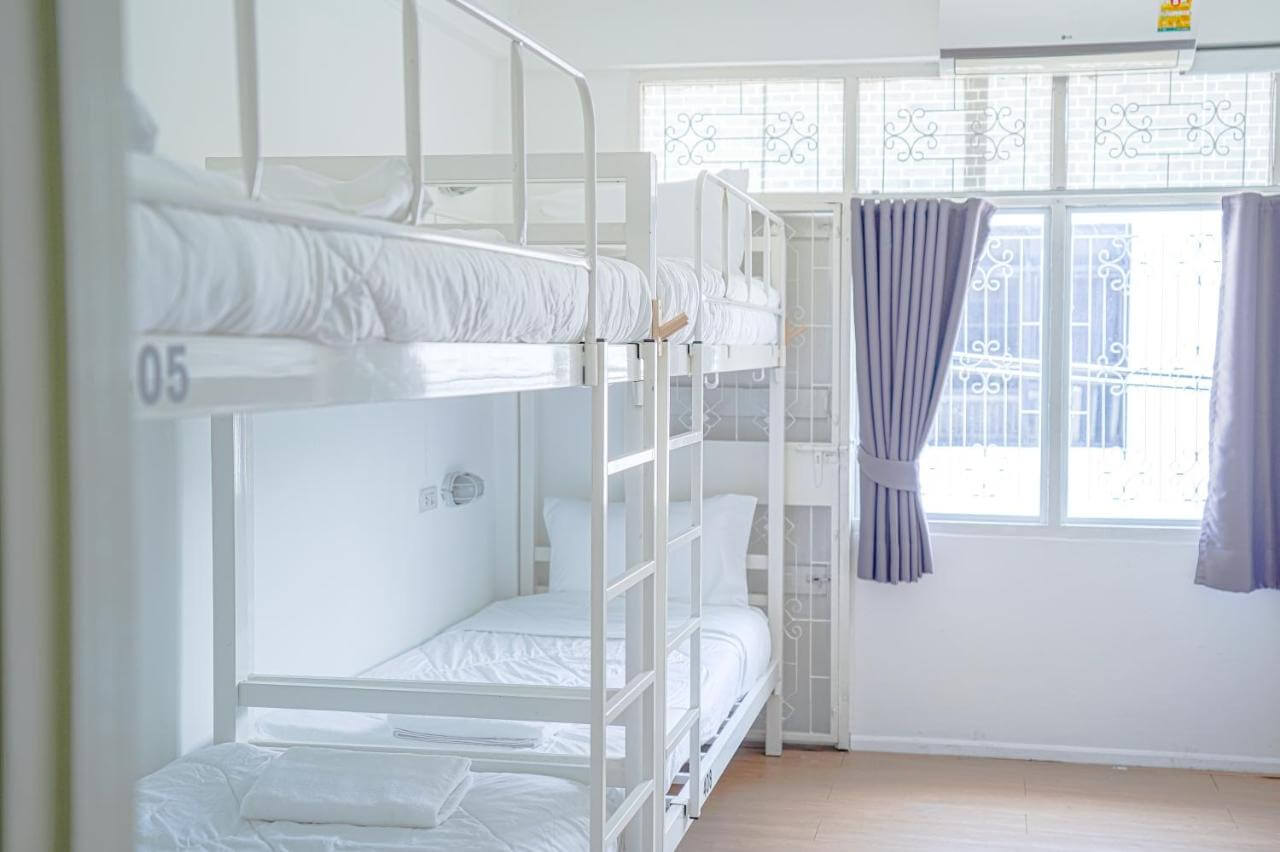
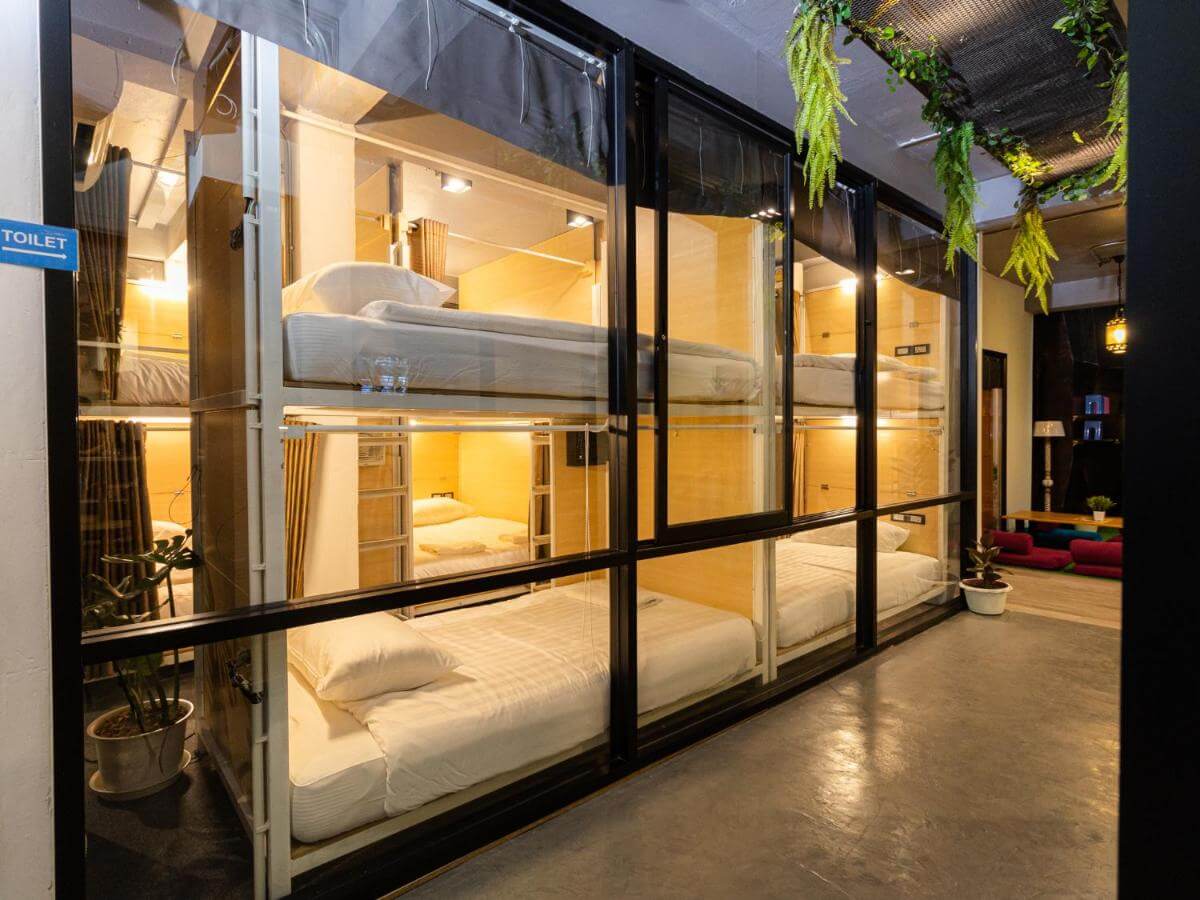
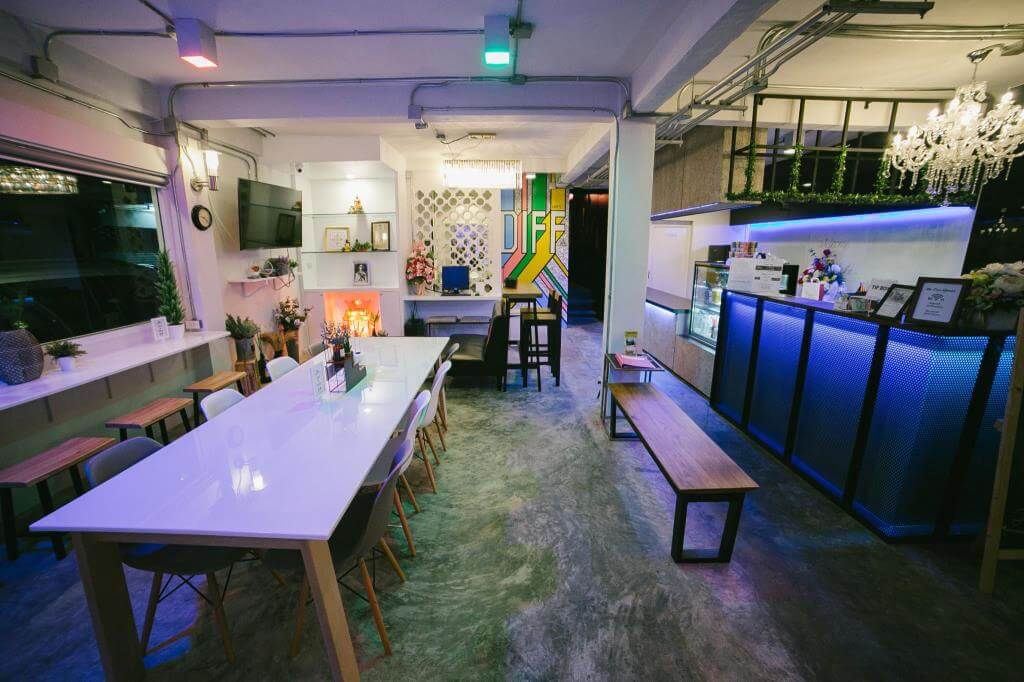
Stay at the Social Capsule Hostel. This brings a Japanese capsule living flavour to Bangkok, and they do it so well! The hostel features a bar, a terrace, free Wifi and a lounge, and best of all, the beds are cheap! Just 300m from Khao San Rd means you’re never far from the action. Best rates here.
Riverside is a slightly more trendy and expensive area, away from the hustle bustle that Bangkok is often known for. It’s full of expensive hotels and pretty views. I don’t spend much time out here personally, but it’s definitely the best place to stay in Bangkok for couples looking for flash and romance. If you’re in Bangkok on your honeymoon, this is your place! The area is also known for its many temples and shrines and other tourist attractions.
Another cool part of staying by the Bangkok riverside is the boat rides! There are ferries going up and down the river all day – the easiest place to get them is from the Central Pier. Some of the upper end hotels will offer free rides to and from the Central Pier, so look out for that.
You should stay on Bangkok Riverside if:
You’re looking for something romantic
You’re after a nice hotel with all the frills
You’re not on a tight budget
You’re looking for a quieter side of Bangkok (but still with lots to do)
Where to stay in Bangkok Riverside?
For the backpacker
Tiny Taladnoi is an absolute bargain. Maybe bucks a night in low season and all the frills of a high-end hostel. About a ten-minute walk to public transport. Best rates here.
The rooms are gorgeous and it’s on Rama VIII road, just a few minutes from the riverfront. Many popular attractions in the area are within walking distance. At $40 a night it’s a gem. Best rates here!
For the high roller
There is no better place than the riverfront to experience luxury accommodation in Bangkok. The area is overflowing with extravagance. I’m going to recommend the Riva Arun. Both the rooms and the views are going to blow you away here. At $350+ per night it’s not cheap, but if you’re in Bangkok to live large this won’t let you down. Best rates here.
Siam
Siam is Bangkok’s retail district and definitely the best place to stay in Bangkok for shopping fiends. Truthfully, even the biggest shopaholics can’t outshop Siam. Bangkok has some of the biggest and best malls in the world and many of them are clustered here on one strip – Siam Square, MBK, Centralworld, Siam Paragon, Siam Discovery and Siam Center. Get through those and you’ll still have street shopping and boutique malls to get through.
One thing I did notice about Siam is it feels a lot less “Thai” then other areas of Bangkok – meaning the malls are full of western brands, wealthy teenagers and foreigners. Things like Thai street food and regular locals are not seen as much. Nothing wrong with that of course, just something to take note of.
You should stay in Siam if:
You love shopping!
You want somewhere central
You’re looking to spend a lot of time at the malls
You want to stay in the more developed/modern areas of Bangkok
You want somewhere tourist friendly, but still with lots of locals around
It’s a newly opened hostel, fun, quirky, social, and the beds are great. Ratchatewi Station is 100m away. Private rooms available, and ten to fifteen bucks a night for a dorm bed! You’ll find those rates here.
It’s a boutique guesthouse, very modern and stylish with a great location. Rooms are excellent, five minutes walk from public transport, around $50 per night. Best rates here.
For the high roller
Lots of high-end places to choose from, but I’d recommend the Siam Kempinski. Will probably run you about $300 per night, but the rooms are absolutely lavish and the location can’t be beat. Facilities are incredible too – with the gym and pool they have, you’re never going to leave! You’ll find the best rates here.
Silom
Silom is a much more vanilla area of Bangkok. Not so wild, not too touristy, just your regular city vibe. That’s not necessarily a bad thing, there’s still plenty of beautiful places and things to do around here! I’d say it’s one of the best neighborhoods to stay in Bangkok for a long term stay.
It’s actually considered the city’s central business district, so you’ll see lots of working Thais around in office clothing, locals going about their day, elderly exercising and strolling through the enormous Lumphini park. One thing that can be a downside here is the ridiculous traffic during rush hour, but if you’re using the Skytrain you’ll be fine!
Of course one thing you should note is the infamous Patpong area is here, which is notorious for sex tourism, ping pong shows, girly bars and late night shenanigans. Of course if that’s your thing you’re in the right place! Note there’s nothing dangerous about this area at all, it’s just somewhere to steer clear of if you don’t want that sort of thing in your face, which is not hard to do at all.
You should stay in Silom if:
You want a taste of local but modern life in Bangkok
You’re ready to sample endless restaurants and bars
You want some GREAT nightlife
You want somewhere central with access to public transport
Where to stay in Silom?
For the backpacker
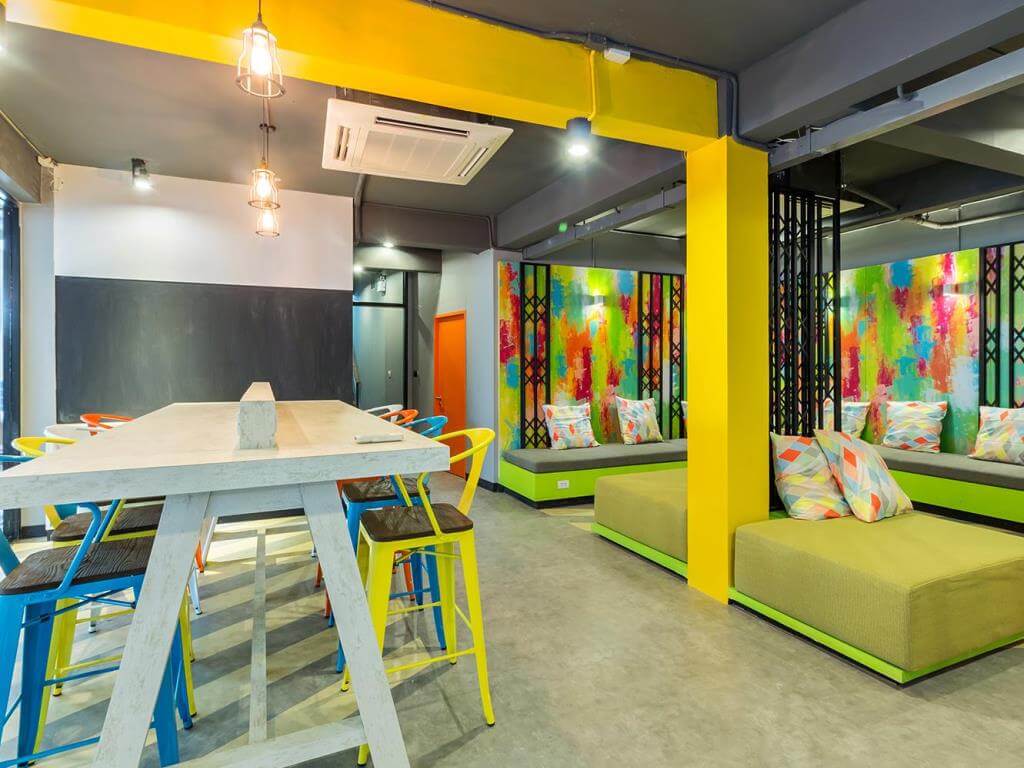
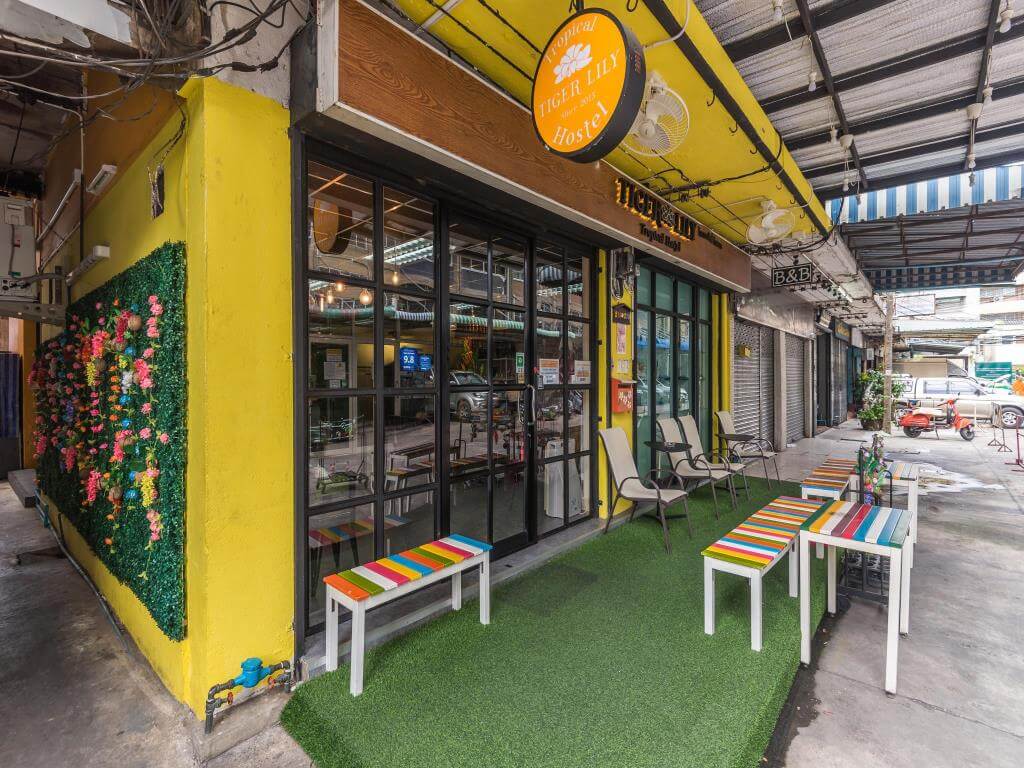
Silom is one of the best places to stay in Bangkok on a budget. If you’re strapped for cash, I’d stay at iSanook. It’s a funky, colourful, modern hostel in a great location. If you’re lucky you’ll get a room for less than eight or ten bucks a night. You should find those rates here.
For the high roller
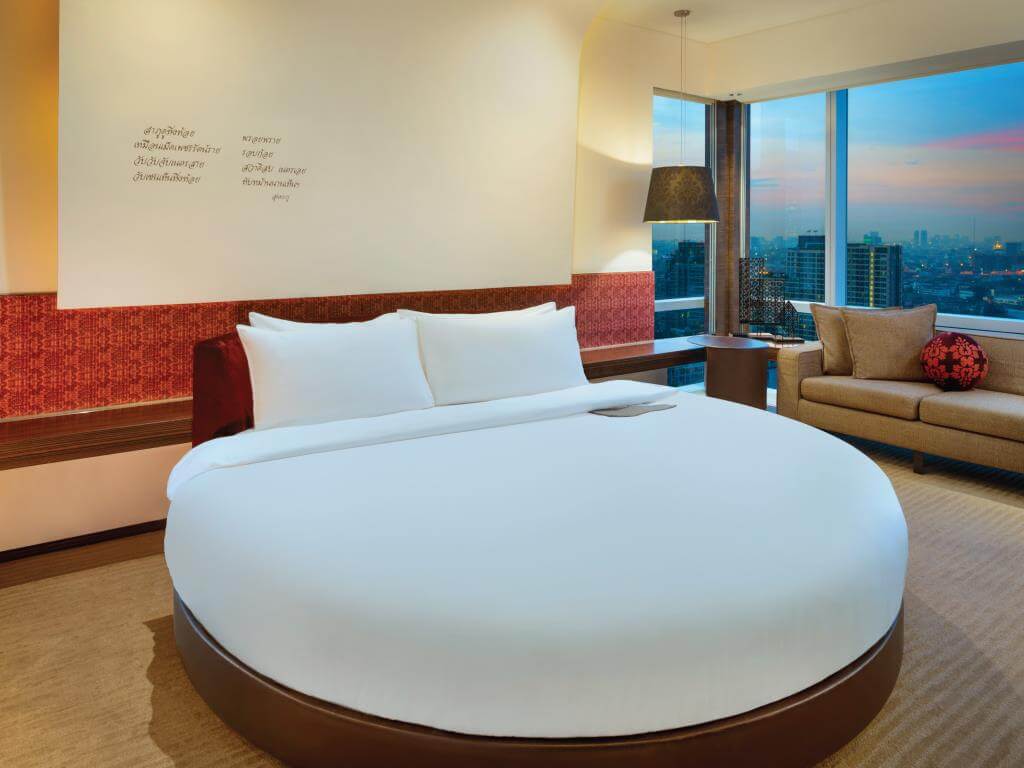
Lots to choose from in Silom, but I’d suggest the Le Meridien.
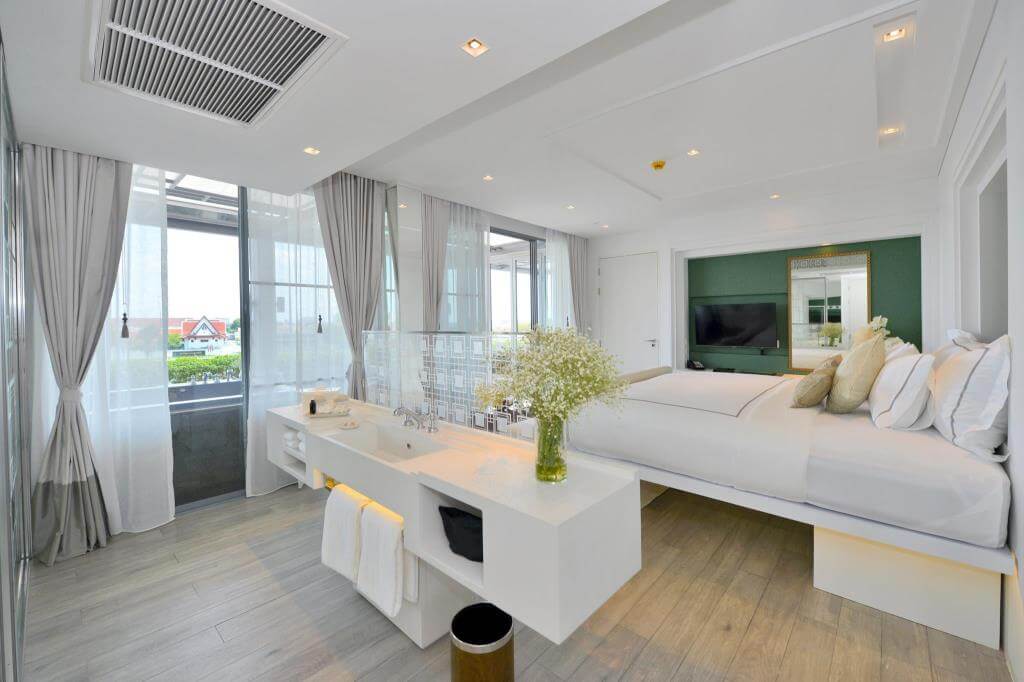
Not too expensive, but still all the flash you’d expect from a five star hotel. Get the circular bed room – might cost you, but what’s a Bangkok holiday if you don’t treat yourself a little? Splash out – you won’t regret it 😉 You’ll get the best rates here.
Chinatown
Chinatown is a good budget area of Bangkok with a lot of history.
It’s not the prettiest place in Bangkok but is completely safe and full of interesting characters, chic bars, street food, rustic streets and just good old Bangkok ruggedness.
When Khao San Road started becoming infamous for its partying ways, Chinatown became somewhat of a backpacker alternative. There are a lot of cheap places to stay around here, and a lot of cheap food and shopping too. One could even argue it’s the best area to stay in Bangkok for food (yes, really).
It tends to attract the young traveller more interested in a quiet beer and a good plate of noodles than an all night rave at the club.
You should stay in Chinatown if:
You don’t mind being out of the centre (but it’s not that far!)
You LOVE food and want to eat your face off
You’re on a tight budget
You want to a place that’s not filled with tourists
Where to stay in Bangkok Chinatown?
For the backpacker
Tian Tianis a great choice. It’s about a 3-minute walk to public transport, and is a super chic and quiet hostel, beautifully decorated and cheap! Shouldn’t run you more than $7-8 per night. Get the best rate here.
For the budget traveller
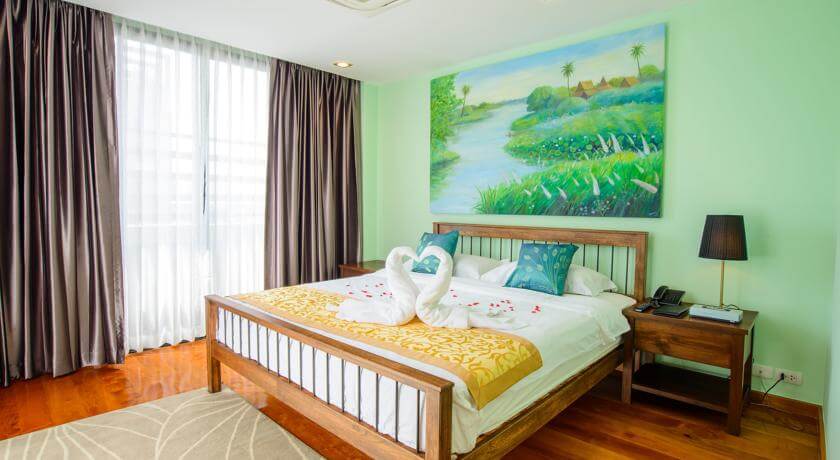
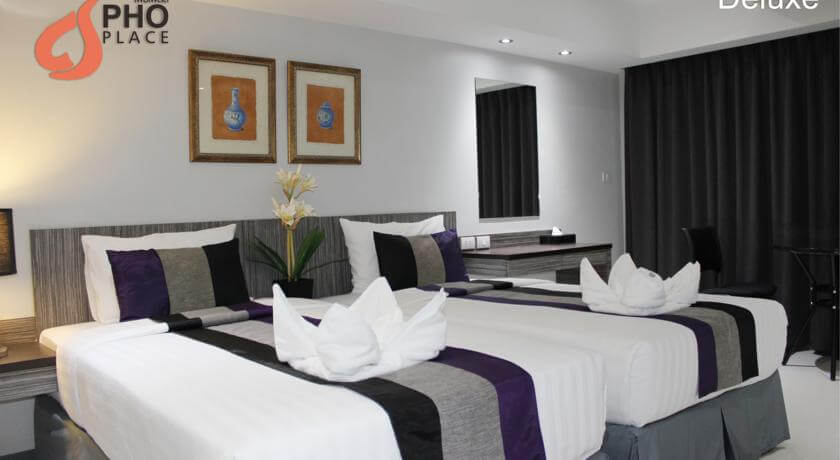
I can highly recommend Pho Place. It’s just down the road from the train, has beautiful rooms, and should cost you around $40 per night. Super value for money. Best rates here.
For the high roller
There isn’t too much flash around Chinatown, at least not compared to the rest of Bangkok, but it doesn’t mean you can’t do things in style here. The Hotel Royal has everything you’d expect in a top level hotel (gym, lap pool, beautiful reception and rooms) and will be quite a bit cheaper than the rest of Bangkok’s top selections. Around $120 per night will get you a room here. Save that extra cash for all the ridiculous food you’re going to be eating! Find the best rate here.
Bangkok Airport
If you’re only in Bangkok for a quick overnight you can still stay close to the centre, as getting to the airport is as easy as a quick BTS ride (at least from Suvarnabhumi). However, if you want to stay by the airport there are lots of good options out in those areas too.
When it comes to Bangkok airport hotels, I’d say the Amaranth Suvarnabhumi Premier is the one you’re looking for (if you’re flying from Suvarnabhumi airport). It’s very snazzy and they do free airport transfers 24 hours a day. If you’ve got a long flight the next day, this place will certainly recharge your batteries in style. Click here to get the best rate.
If you’re flying out from Don Mueang, stay at 12 The Residence. Usually the Don Mueang flights are shorter flights so you may not need something so luxurious to recharge. The rooms at 12 The Residence are very cosy and the rates are so low you might need to look twice. It’s also literally 1km from the airport, so you can even walk if you want to skimp on the 60 baht cab ride. You’ll get the best rates here.
Where to eat in Bangkok
Of all the great foodie cities I’ve been to, few (if any) come close to Bangkok. This is easily one of the best cities in the world to stuff your face.
Honestly, I probably don’t even need to recommend anything to you here, because as soon as you walk out your door you’re going to be running into delicious street food on every corner.
BUT, there are some places that are better than others. Let me introduce you to a few of the top dogs that you may not find on your own:
Victory Monument
Victory Monument is one of Bangkok’s best street food spots for foreigners due to its central location and the large variety of food available there.
There isn’t exactly one main street here for food, rather, all the sois (side streets) that run off the roundabout will have a selection of food carts for you to try.
One thing I recommend trying are the famous boat noodles, of which there are several. These are small bowls of noodle soup, which are purposely given in small servings so you can eat a lot of them! Many people challenge themselves to stack their bowls ten or twenty high, which always leads to an afternoon of satisfied stomachs.
The best area to stay in Bangkok if you plan on eating here is anywhere in Sukhumvit – the BTS line runs right through it so you’ll be linked directly to Victory Monument in a single ride 😉
How to get there: Jump on the BTS and get off at the Victory Monument stop. You’ll recognise the big roundabout immediately – make your way around it and enjoy!
Rangnam
Rangnam is also around the Victory Monument area. This is a slightly trendier street but still has an awesome selection of street food vendors to feast away on.
My advice: Search for Kuang Seafood on Google maps, then keep walking down Rangnam until you reach it. You’ll find a delicious selection of Thai food on offer there from a few different places.
Most Rangnam vendors come out later in the day, so make sure you head there in the evening to ensure you get the full lineup!
Again, best area to stay in Bangkok for Rangnam is in the Sukhumvit area, anywhere above Asok. A short BTS ride and you’ll be there.
How to get there: Head to the Victory Monument BTS stop, head to Exit #4.
Yaowarat (Chinatown)
Chinatown is one of the BEST and also most overlooked places to eat in Bangkok. The food quality is always super high; I don’t think I’ve ever had a bad meal here in all my years of visiting.
One reason people pass on Chinatown is because it’s a little far out of the main areas and isn’t serviced by the BTS. However, a short Grab ride (like Uber) should get you there and if you’re a food lover it will certainly be worth it.
My first piece of advice is to head there in the evening. This is the time for eating and all the popular vendors should be firing their woks by then. My second piece of advice is go with an empty stomach and a lot of time! Chinatown is huge and every little alley has something new to try. Chinatown is safe during the evening hours, so don’t be afraid to turn into every small alley and side street in the search for deliciousness.
How to get there: In 2019 the MRT finally opened its own station in the heart of Chinatown. Take the MRTto Wat Mangkon station on the blue line.
Ratchawat and Sriyan markets
Ratchawat and Sriyan are two separate markets that are very close together, and one that most tourists never hear about.
One reason is it’s a little difficult to get there (you’ll need to Grab or taxi) and when you arrive you’ll likely be surrounded by hungry locals without many foreigners in sight.
The road is named Nakhon Chaisri – walk down and you should come across the Ratchawat market first. This is a small and traditional food market, very different to the tourist-friendly markets you might find around the rest of the city. This particular market is well known for Thai desserts, but you should find no shortage of delicious Thai dishes as well. The famous Radna noodles are located here, which will almost always have a long queue waiting. If you’ve got time, try it, it’s amazing.
Just a few minutes walk from here is the Sriyan market. This is another very traditional market that might not look all that interesting on first glance, but take the time to explore and you’ll find many interesting Thai dishes here. It’s a good idea to go with a local as English isn’t widely spoken here, but pointing and Google translate will suffice if you’re adventurous enough. Again, these places aren’t frequented by tourists, so be ready for a very local experience!
How to get there: Head to the Victory Monument BTS stop, then take a taxi (around 6-8 minutes) to Nakhon Chaisri.
Petchaburi Soi 5
This is a very local area, which is great just to get a feel of Bangkok outside the commercial districts. And of course, there’s food everywhere.
Soi 5 is where all the action is at, where many restaurants and food carts come alive in the evenings to feed people on their way home from work. I’ve had some of the best noodle soups in my life around here, mostly from unassuming places that look like nothing more than a hole in the wall.
PA’Or is also now Youtube famous – of course I made it a point to visit and it was every bit as delicious as they said it would be!
Come in the late afternoon/evening and give yourself some time to wander, it’s an interesting spot. Best place to stay in Bangkok for this spot would be around Ratchatewi Station. P18 hotel is a great choice!
How to get there: First you need to get to the Ratchathewi BTS station. Go to Exit #3, you should be on Petchaburi Road. Head left on Petchaburi until you reach Soi 5.
Wang Lang
The Wang Lang market is situated right on the Chao Phraya River and even has its own pier (the Wang Lang Pier). That’s good news for you because if you’re in Bangkok for the food, this is one of the few must visit places in the city.
Wang Lang is huge – you can spend a whole day eating here. Definitely come with an empty stomach and empty schedule, with lots of pocket change to try all the Thai snacks you’re going to pass by.
This place does get quite a few foreigners but the crowds can also make it quite intimidating. Don’t be put off – get in there and try everything! There’s almost nothing you can’t find at Wang Lang – if you’ve seen it on a Thai food menu you’ll likely find it here somewhere.
How to get there: Go to the Saphan Taksin BTS stop. From there, you need to take the public boat from Saphan Taksin (yes, boat!). This will take you straight to Wang Lang pier.
Sukhumvit Soi 38
This is an honorary mention, as it used to be one of my favourite food spots in Bangkok. It has since been closed down due to a real estate development, but in its heyday it was one of the most accessible street food options for newcomers to the city.
There are still a dozen stalls here, located right at the foot of the soi, and the quality of food is still very good. It’s probably not somewhere you’d come just for the food, but if you’re in the area it’s a great place to have a meal.
How to get there: Head to the Thong Lor BTS stop. Head to Exit #4, it will be on the street directly underneath.
Final tip for eating in Bangkok
Some of you may be concerned about food safety when eating street food in a place like Southeast Asia. Bangkok is actually one of the safer places in the region to eat street food, and while it’s not perfect getting belly problems here is far less likely than places like India or China.
I personally have never had an upset stomach in Bangkok and I’ve eaten in ever corner of the city. As long as you take the right precautions you should have no problems. If it’s your first time in the region, I highly recommend reading my guide on preventing food poisoning and traveller’s diarrhea.
Things to see in Bangkok
There are endless guides online for things to do in Bangkok, so in this section I’ll try to throw in some offbeat places you might not hear about elsewhere. Even a year living in Bangkok wouldn’t be enough to see all the interesting things, so here are a few that the common tourist would be most likely to appreciate:
Lumphini Park
You could think of this as Bangkok’s version of Central Park – a haven of greenery in the centre of Bangkok’s concrete jungle. Pollution is a big problem in Bangkok, so Lumphini offers residents a place to enjoy a little nature and get away from the bustle and traffic.
This is actually a favourite place for runners, with paths winding all through the park. It’s also an amazing place to jog (or stroll) as you never know what you might come across – some seniors doing tai chi, kids playing basketball, families having a picnic, people meditating under the trees, even a few street food stalls near the entrances.
The place is huge, so don’t try and drop breadcrumbs. Just go enjoy yourself, and try navigate your way out with the signs when it’s time to leave.
How to get there: Grab the BTS to Saladaeng or the MRT to Lumphini, both will drop you right beside the park.
Channel 7 Fights
Channel 7 Stadium was once a traveller’s secret in Bangkok, but the secret came out quickly once Instagram arrived on the scene. Now it’s packed to the rooftops every Sunday.
Still, it’s an awesome place to catch some Muay Thai fights, which is an absolute must when in Bangkok!
Muay Thai is one of Thailand’s national sports, which is a vicious style of kickboxing, known for its relentless kicks and elbows. Muay Thai used to be a sport for poorer members of society, but has since grown into a global phenomenon with a lot of money to be made.
The Channel 7 Stadium is popular because entrance is free. The fights are televised so the aim is to get a large and enthusiastic crowd and ensure the stands are full. A few years ago it was rare to see tourists, but nowadays they make up a large percentage of the crowd. However, the fights are still of high calibre and many up-and-coming stars get scheduled to fight here. To get, come early – fights start at 2:30pm, so get there at 12 for the best seats. Alternatively you can also come late, around 3:15pm – by that time 3 fights will have finished and many tourists will have left after getting their Instagram photos.
How to get there: Head to the Chatuchak station on the MRT, or the Mo Chit station on the BTS, then catch a taxi to the stadium. Alternatively you can walk (15ish minutes).
Rod Fai Market
Rod Fai Market is insane and you’ll surely be blown away by how diverse and huge this place is. I actually chanced upon it on the way home with a friend and we spent hours walking around laughing at all the cool things they had.
Technically Rod Fai is three markets.
The Warehouse Area is for all kinds of hard-to-find household items and accessories – think old appliances, second hand clothes, collectible toys – things like that.
The Antique Area is a huge abandoned building full of legitimate antiques such as old model motorcycles, furniture, antiques and other vintage items. There’s a lot of rare and valuable stuff and a collector (with a healthy bank account) would be in heaven here.
Lastly you have the Market Area, which is the main shopping zone and selling everything you can think of. Haggling is the norm, so come prepared to drive a hard bargain. There are literally thousands of stalls here, so don’t pull the trigger too quickly – there’s lots to see!
How to get there: These days the easiest way is the new Yellow Line monorail – ride to Suan Luang Rama IX (YL15) and take Exit 1, which drops you right at the market entrance. If you’d rather taxi, just tell the driver “Seacon Square” – the market sits right behind it. Open from 5pm Thursday to Sunday.
Papaya Vintage Store
This is a store on the outskirts of Bangkok, which I’m only half recommending because it really depends on what kind of person you are. Some people will love this place and some people will wonder why on earth you’d spend that taxi money to go look at something so ridiculous.
Explained simply, Papaya Vintage is an antique store. But it’s not your usual antique store – it’s huge, and filled with many odd things that most people wouldn’t even take for free. Think broken appliances, old mannequins, and pieces of literal junk.
However, just walking through the place is an experience in itself, and you’re guaranteed to find things here you won’t find in any other shop on earth.
If you’re a collectible lover or take a liking to weird and wonderful things, make the trip out there and see what you think. Otherwise, head to Rod Fai, it’s likely to be a more enjoyable experience.
How to get there: Take the MRT to Lat Phrao, then get a taxi to Lat Phrao Soi 55. You’ll find Papaya Vintage on the intersection of Soi 55 and 55/2.
Taling Chan / Khlong Lat Mayom
There are over a dozen floating markets in and around Bangkok, but in my opinion this is the best one.
Taling Chan is 15km outside of Bangkok and has everything you’d expect in a floating market – wooden boats, shops, music, and lots of seafood! It’s not an extravagant market, but that also means it’s not crowded, expensive and glamorized like many of the more popular markets in Bangkok now are.
Spend a morning here eating som tam, some fresh seafood and taking a short boat ride around the khlongs (canals).
Just a short taxi ride from Taling Chan is Khlong Lat Mayom. This is smaller than Taling Chan but is still a very fun and charming market to wander through. Not much of the market is “floating”, it’s more of a riverside market with just a few boats, however it’s still beautifully laid out and worth visiting if you’re already in the area. One side is dedicated to produce like fruits and vegetables, the other is dedicated to cooked food where you can try all kind of Thai snacks and dishes. There are also souvenirs, clothing and other trinkets to ensure there’s something for everyone.
How to get there: Get the BTS to Wongwian Yai Station, then catch a taxi to either market. They’re very close to each other.
Rama IX Park
Rama IX Park is the largest public park in Bangkok, and is a better option than Lumphini for those who really want to escape the noise of the city.
It’s located 15km from Bangkok’s centre and costs 10 baht to enter. Inside is 200 acres of tranquility which is perfect for spending a lazy Sunday or a quiet afternoon with your significant other. There are various gardens to enjoy, usually themed after different countries, plus a giant lake to sit by and relax the day away.
Of course it has all the other things you’d expect, such as exercise areas, running paths, decorative buildings, and they also host events there from time to time.
How to get there: Catch the BTS to Udom Suk, then taxi to the park (around 15 minutes).
How to get around Bangkok
BTS Skytrain
The BTS is the fastest way to skip Bangkok’s traffic. It runs above the streets on two lines – the Sukhumvit Line and the Silom Line – which cross at Siam, the central interchange and shopping heart of the city. Between them they cover most of what a visitor wants – Sukhumvit, Silom, Siam, Chatuchak and out to Thong Lor.
Single journeys run roughly 20–65 baht depending on distance as of 2026.
If you’re planning to ride it a lot one day, they have a day pass that’s 150 baht of unlimited travel. If you’re staying longer, definitely grab a Rabbit Card (200 baht – 100 baht card fee plus 100 baht of credit) and top it up as you go, so you tap straight through instead of queuing for a ticket each time.
The MRT is Bangkok’s underground metro, and it fills the gaps the BTS misses – Chinatown (Wat Mangkon), the Old Town fringe, Lumphini Park, the Queen Sirikit convention centre – interchanging with the BTS at Asok/Sukhumvit, Sala Daeng/Silom and Chatuchak.
Fares run roughly 20–45 baht by distance. Buy the black plastic tokens for single trips (tap to enter, drop it in the slot to exit), or use a stored-value card if you’re around a while.
One 2026 heads-up: the MRT is moving to a new integrated “Mangmoom” card, but it’s Thai-ID-only for now – so as a visitor, just use tokens. They’re simple and there’s no reason to bother with a card for a short trip.
More information on the MRT can be found on their website.
A quick word on the “20-baht flat fare”
You may have read that Bangkok capped all electric-train fares at 20 baht. It’s real – it launched in September 2025 and covers the BTS, MRT and Airport Rail Link. The catch is, it’s not for tourists. You have to register through a government app with a Thai national ID, so tourists aren’t eligible. As a foreign visitor you’ll pay the normal distance-based fares above.
Airport Rail Link
If you’re landing at Suvarnabhumi (BKK), the Airport Rail Link is the cheapest way into town – roughly 15–45 baht depending on distance, about 30 minutes to Phaya Thai or Makkasan, where you connect to the BTS and MRT. It beats crawling down the airport expressway in a cab. (Note: Don Mueang, the budget-airline airport, isn’t on the rail link – from there a Grab or the airport bus is your move).
Grab
Grab operates in Bangkok and is excellent.
The fares are very cheap, rarely more than $10. It’s much safer and cheaper than using taxis, especially at night, as taxis in Bangkok are notorious for trying to inflate fares on tourists. For example, they may ask for 100 baht for a ride that should only be 40 or 50, saying that it’s the “nighttime fare” or something similar.
Grab removes all these issues and gives you a safe and cheap way to get to places the BTS can’t take you. In fact, if you’re not on a really tight budget, there’s nothing wrong with using Grab to go everywhere – it won’t be as cheap as the BTS, but it will save you a lot of walking in the hot sun, and allow you the convenience of having all your transport go to your credit card.
Taxis
Local Bangkok taxis are pink and yellow cars that are abundant everywhere. You shouldn’t be waiting more than a couple of minutes for one to drive by. They are usually clean and well maintained.
Taxis in Bangkok are usually fine to take, and I’ve never heard any horror stories like robbings or kidnappings.
However, more common are stories of drivers running up the fare by taking the “scenic route”, or like I mentioned before, trying to hustle a higher price and avoiding using the meter.
Don’t be afraid to take taxis – they are definitely convenient and inexpensive and 95% of them are good and honest drivers. Just have your wits about you.
Tuk-tuks are a fun once-per-trip novelty, but you’ll negotiate and usually pay more than a taxi, so ride one for the experience, not for actually getting around day-to-day.
If you’re game you can also use the motorbike taxis – they’re wearing orange vests and are parked at the mouth of most sois. These guys are hustlers though so make sure you agree the price first (usually 20–60 baht) and hold on tight, they whip through traffic.
Chao Phraya river boats
These are awesome! I’ll be honest – they’re a bit daunting as a tourist, and the only reason I got taken on one was because a local took me. Wasn’t that easy to find either. BUT – you are definitely welcome as a tourist, just make sure you have the cash ready and know where you’re going. What you’re looking for are the Chao Phraya Express boats – they are cheap, breezy and often faster than the roads for reaching the Riverside, the Grand Palace, Wat Arun and the Old Town because you completely dodge the traffic.
Local commuter boats (identified by coloured flags) cost around 15 – 20 baht a hop.
There is also the tourist boat (blue flag) which is more accessible four tourist dummies like us, it costs more but runs a hop-on-hop-off day pass if you’re temple-hopping. The little cross-river ferries are just a few baht.
Ride the BTS to Saphan Taksin – the pier interchange – hop on a boat, and you can reach the Old Town without touching a road.
Bus
The bus system in Bangkok is a little confusing for foreigners, and it helps to have a local advise you on which bus to take and where to get off.
Bus drivers and operators in Bangkok will most likely not speak English so you’ll need to have your destination saved on your phone or written on a piece of paper. It’s also a good idea to follow where you are on Google maps so you don’t get completely lost.
Grab and the subway usually can get you anywhere you need to go in Bangkok, so there’s not many reasons to use the bus unless you’re on an extremely tight budget or just want to do it for the experience.
Walk
Walking around Bangkok is an experience for the senses, especially early in the morning as the city wakes up, and late at night when the madness starts. Everywhere you go will be a mix of car fumes, delicious food sizzling, beeping horns, chattering crowds – this is a Southeast Asian metropolis that never sleeps!
The one downside is the heavy humidity, which will have you sweating within minutes of stepping out your door. My advice? Bring lots of light clothing and a good pair of walking shoes and just embrace it! There’s nothing wrong with a good healthy sweat out, especially while feasting on delicious spicy Thai food and staying hydrated on mango shakes and fresh coconuts.
Getting a sim card in Bangkok
Definitely get a sim card when you land in Bangkok. You can usually get one right inside the arrivals section at the airport, and shouldn’t cost you more than $10 to get connected with internet for your trip.
I usually get the AIS traveller sim, which is a good option for up to a month. You can always just extend it later through the app or at a convenience store or AIS store if you need to. People that work in these phone stores usually speak at least elementary English, so it’s not difficult to get everything sorted.
Bangkok is a very tech-savvy city, so staying connected is very handy – think using Grab, Google maps and so on.
Where to PARTY in Bangkok
Bangkok is a fantastic place to enjoy some nightlife – some might argue it’s the best in the world. I won’t go that far, but I’m sure any party fiend will not be disappointed here.
Khao San Road
As I mentioned earlier, this is the infamous kilometre-long backpacker street where you’ll find nothing but street food stalls and bars lined up one after the other. Young travellers from all over the world come here every night, many also choose to stay on the street itself.
The nightlife style here is dominated by the “cheap drinks in plastic cups” type vibe so if you’re a backpacker or a group of young’uns on a partying trip this is going to be your ground zero.
A good way to start the night is to pick up some cheap cocktails at the drinks carts (they’re everywhere), then migrate into the bars blaring nineties pop music, and finally finish the night in the street’s most popular nightclub, aptly named THE CLUB (get in early to avoid the cover charge).
How to get there: People like to catch the boat from Sathorn pier (get the BTS to Saphan Taksin) to Phra Arthit pier, although it’s only a little more expensive and much faster to catch an Grab. Grab or taxi is your best option at night.
Royal City Avenue
Commonly known as RCA, this is probably Bangkok’s most established spot for ‘pure’ nightlife. I’m talking international DJs, concerts, huge clubs with bottle service and light shows, and many special events.
The first time I came here, I felt so out of place as everyone was dressed in their finest and the crowd was very local. It’s probably not the best place for a Bangkok first timer (especially if you can’t speak Thai) but if you’re game then I say go for it!
The two main clubs here are Route 66 and Slim and both are high end clubs that attract young, wealthy Thais and expats. Don’t come here expecting cheap drinks and shenanigans, most people come here to sit and enjoy bottle service and be seen, but with the right crew it can be an awesome experience.
How to get there: RCA is quite far out of the centre, so taxi or Grab is the way to go. It also kicks off very late – if you arrive before midnight it will be quiet.
Sukhumvit Soi 11
This might be one of my favourite nightlife streets in Bangkok as no matter what your mood, you’ll find something to suit your night.
This street is right in the heart of Sukhumvit and busy every night of the week. Wind down with the latest football game at the Australian Bar or go for a full-on night of raving at Levels or Sugar (they’re 3 minutes walk from each other).
There’s also a nice collection of restaurants and street food along the street, so if you ever get hungry some grub is never far away.
How to get there: Soi 11 is right on the doorstep of the Nana BTS station.
Silom
Silom is probably the most diverse nightlife area in Bangkok – its venues range from gay bars to strip clubs to go-go bars to high end clubs, plus many innocent bars for those just wanting to have a beer and soak in the atmosphere.
Start with a few drinks at O’Reilly’s the Irish pub, which never fails to bring in its fair share of interesting characters. I’ve spent many nights of laughs in here, usually in the early hours of the evening before it gets a little too wild.
From there you’re spoiled for choice – DJ Station is ground zero for the gay community, the Sky Bar is the bucket list item for knocking down beers 63 storeys high, Patpong is the forbidden paradise for those dreaming of pretty young Thai girls, and Maggie Choos provides a place to spend all your money on snooty but delicious cocktails.
For the grand finale, head to Twilo to mix with the young and beautiful and dance the night away.
How to get there: Get the BTS to Sala Daeng station. O Reilly’s will be right underneath it.
Soi Cowboy/Nana
Sukhumvit is also home to two of the most famous red light districts in the world:
Soi Cowboy is a short street lined with countless go-go bars and strip clubs, where young Thai girls sit outside in skimpy outfits trying to lure customers in for drinks and maybe more. You’ll notice the street instantly by the crowd of tourists, the music and a flood of neon lights, which makes this look like some kind of mini Vegas in the heart of Bangkok.
If you’d like to just see what all the hype is about, go right ahead – it’s an extremely safe and protected street and very popular with foreign visitors. It’s totally fine, even for the ladies, to go in for a drink and nothing more!
Just a short taxi ride away is Nana Plaza, which is set up more like a go-go bar shopping mall (yes, Bangkok just keeps getting stranger!). Other than the location, it’s not much different than Soi Cowboy – lots of pretty women, lots of neon lights and lots of shenanigans!
How to get there: Get the BTS to Asok station, look for the Terminal 21 mall. Look for Soi 23, Soi Cowboy is the next street over. As for Nana Plaza, head to the Nana BTS station, it’s right beside it.
Safety tips for Bangkok
Despite the wild reputation, Bangkok is a safe city.
Unprovoked crime is rare. If you’re polite and treat people with basic respect, you should have no problems at all.
Always take official taxis or Grabs. Dress modestly and keep to the populated areas at night.
If you’re a male, you’ll likely get propositioned by females if wandering around late at night, especially around Soi Cowboy, Nana, Patpong and Sukhumvit Soi 11. Always follow your gut instinct and treat every interaction with caution, especially if you’ve been drinking.
Keep a copy of your passport and visa stamp on your phone, as police can sometimes ask for it.
Most of all, just use your common sense! Bangkok is very developed and foreigner-friendly. Don’t do anything silly and you’re sure to have a great time.
Any questions? Leave them in the comments! 🙂
B
Looking for things to do on your trip? Check out these ideas:
I most recently visited Phuket in early 2025, and it was just as spectacular as I remembered it the first time, before I even started this travel blog. It’s an incredible place, and you can spend an entire year exploring this island and never get bored.
With so many places to see though, it can be a challenge to find the right place to spend your holiday. If you’ve only got a week, where do you go? What do you do?
The thing about Phuket is, you can find everything here. Whether you want backpacking on a shoestring, ridiculous luxury, spas and massages, adventure sports, culture and architecture, surfing, history, hedonism, cuisine, non-stop partying, Muay Thai training, yoga, or just a regular beach holiday, you can get it all here on this southern Thai island.
That’s what this guide is for. Below I’ve mapped out the main areas of Phuket, so you can see which area will suit you best.
Many of the areas are quite different, so it’s important you choose the spot that’s going to give you everything you want.
If you want a quiet secluded beach and privacy, Patong is out. You want somewhere like Mai Khao, or maybe Surin or Karon. If you want a more local flavour away from the tourists, you’re looking at Rawai or maybe Phuket Old Town.
As you can see – your holiday will be very different depending on where you decide to stay.
By the end of this guide you should have a much better idea of what Phuket has to offer, and which part of the island is going to give you the Phuket adventure you want. Of course if you have any questions, you can leave them in the comments below. I’ll be here!
How to get to your destination
Your first challenge is actually getting to your accommodation in the first place.
You’re most likely going to land at Phuket Airport. From here, there’s a standard shuttle service which will take you to most major hotels on the island. I’m not actually sure that they go to the more southern destinations but they definitely hit most destinations around Patong/Kata. It should cost you between 100-200 baht door-to-door. These shuttle services are easy to find – you’ll see the desk in arrivals.
These days though, the easiest option by far is to just open a ride-hailing app. Grab, Bolt and InDrive all operate in Phuket now, and they’ve completely changed the game – no more haggling, no more getting stung. Bolt tends to be the cheapest of the three, Grab the most reliable for availability, and InDrive lets you name your own price. Personally I always use Grab around Asia – Southeast Asia – it’s one app and it works everywhere, and you can order food on it, too. This is the same “taxi mafia” that used to charge you 500 baht for a five-minute ride to the next town; the military crackdown a few years back cleaned up most of it, and the apps finished the job.
You can use them for the airport run too, though supply right by the terminal can be patchy at peak times, so the shuttle or Airport Smart Bus is a solid backup. Last time I was in Phuket I Grabbed to the airport and there it was totally seamless.
Metered taxis still exist and are perfectly fine, but honestly, an app will cover you pretty much anywhere on the island.
Lastly, you could ask your hotel what’s the best way to reach them. Many will tell you to use the airport shuttle service, but some will have their own shuttle service, and many of the luxury places may even transport you for free.
Anyway, let’s get to what Phuket has to offer.
In this guide:
Map of Phuket – The main areas of Phuket Patong– Very touristy, lots of nightlife. Kata – Beautiful beaches, lots of restaurants and hotels. Karon– Quieter, great for families and couples. Kalim – For surfers! Bang Tao – All inclusive luxury resorts. Surin– Nice beach, quiet, upper end hotels. Kamala– Very relaxed area, great for those wanting to avoid crowds. Mai Khao– Very secluded, several luxury resorts. Rawai– Opposite end of the island, more local, popular with long term stayers. Phuket Old Town– Main town centre of Phuket, very local area, not popular with tourists.
Map of Phuket
This is a map of the main places to stay on Phuket. As you can see Phuket is a standalone island, and there are little towns and centres all over.
For a closer look, click on each coloured tear drop on the map below to zoom in around the area.
Now that you’ve got an idea of the layout of the island, we’ll go through more details of each area in the guide below.
Looking for things to do on your trip? Check out these ideas:
Patong
Patong is where I first stayed when I visited Phuket – it’s easily the most popular tourist area on the island. Patong is the part of Phuket where you’re going to find a lot of massage shops, souvenir stores, tuk-tuks, street sellers, foreigner-friendly restaurants and a lot of tourists. There is also the very popular Patong beach which is nice, but gets extremely crowded during the day.
Another thing you should know about Patong is that it’s home to the island’s crazy nightlife. That means at night, particularly around Bangla Road, this place becomes a bit like the wild west. Lots of bars, flashy lights, loud music, nightclubs, street food, street performers, that sort of thing. Much of the Phuket sex industry is centred around Bangla Road too, so expect to see a lot of go-go bars, working girls etc. There is nothing dangerous about the place – it’s very busy with many tourists wandering around. Just be sure you know what to expect! If you’re here to party, this is the best part of Phuket to stay, as you’ll find many others here doing the same.
The good thing about Patong is that there are endless accommodation options. With so many visitors, there are places to suit every budget.
Points of interest around Patong:
Bangla Road – The centre of Phuket’s tourist nightlife. Go on a pub crawl to ease yourself in!
Patong Beach – One of the busier stretches of beach in Phuket, although Freedom Beach and Paradise Beach are also in the area.
Jungceylon Mall – Huge shopping complex where you’ll find everything you need.
Surf House Patong – Fun place by Patong Beach where you can learn to surf on a wave machine.
Patong Go Kart Speedway – Awesome for the family and a day away from the beach.
You should stay in Patong if you are:
A backpacker looking for cheap accommodation.
Looking for fun and nightlife.
Want to be in the centre of the action.
Where to stay in Patong:
For the backpacker:
There’s no real need to stay in a backpacker hostel in Patong, as even private rooms in hotels and guesthouses are so cheap. If you do want a hostel experience though, check out the Bed Box Hostel. It has dorms and private rooms and super affordable. Get the best rates here.
For the budget traveller:
I’d stay at the Memory Boutique. It’s a charming little guesthouse, away from the noise but still within walking distance of everything you’d want to see. Beautiful rooms. Check the latest rates here.
For the luxurious type:
Look no further than La Flora. It’s right on Patong Beach, just beside Soi Bangla and smack bang in the centre of the action. It’s also gorgeous, with a stunning pool and beautiful suites. And to be honest, it’s not even that expensive. If you want to do Patong in style, this is the place. Check out the latest rates here.
Kata
In my opinion, Kata beach is the best beach in Phuket.
It’s not far from the centre of Patong, just a short drive, and it’s a long lovely stretch of white sand. It gets crowded sometimes (but not ridiculously so) and the water has just enough swell that it’s fun to swim in. Do note that when the sea is rougher it’s not really great for kids to swim at, but otherwise it’s a great place for the family too.
The main area of Kata also has a good selection of restaurants and bars to stay nourished, there’s even a Starbucks there if I remember correctly. It’s really just an all-around great place to stay, especially for Phuket first-timers.
In my opinion, this is the best location to stay in Phuket if you want to be close to the action, but not right in the centre of it all!
Points of interest in Kata:
Karon Viewpoint – Despite the name, it’s actually located right above Kata Noi beach and gives a great view of the island
Surf House Phuket – The original wave machine house, this place is always fun, even if you don’t want to ride!
Surf Lessons – Great place to learn to surf with Beyond Surf Kata
Kata Noi – A small bay just a few minutes from Kata Beach
Kata Night Market – Large market with food court and souvenir stalls, mostly aimed at tourists.
Kata Temple – Large well-maintained temple of Patak Road (known in Thai as Wat Kittisankaram).
You should stay in Kata if:
You want a beautiful beach!
You want a good selection of places to eat and drink, without the big crowds.
You want to be near Patong, but don’t want to be staying there.
Where to stay in Kata:
For the backpacker:
Stay at OK Phuket. It’s a short walk from the beach and not far from Kata Village. Great place to meet a few partners in crime to enjoy some surf and sun! Super budget friendly too, so perfect if you’re on a vagabond budget. Get the latest rates here.
For the budget traveller:
I’d take a room at the Two Chefs Inn. It’s got sea views and is just a few steps from the beach. It’s quite a small guesthouse which gives it that cozy feel and, as the name might suggest, the food there is exceptional. Rates are amazingly cheap for what you get. Check the latest rates here.
For the luxury seeker:
You want luxury, you’ll get it at the Impiana Private Villas. It’s not cheap, but the place is absolutely lavish. It’s right on the water and nothing is unaccounted for – bar, pool, spa, gym, food – you’ll never need to leave. And you probably won’t want to. This is Thai island luxury at its best. Get the best rate here.
Karon
Karon is right beside Kata and is just a short drive from Patong. Even though it’s not that popular it actually has a lot of decent dining and accommodation options – it almost blends in with Kata as they’re so close. There is also a little nightlife, a few nice cafes – really it has most things Patong has, just on a smaller scale.
Karon beach is also pretty nice. It’s a really long white sand beach and far, far less crowded than the sand at Patong. As you can imagine, there’s a different sort of crowd at Karon – often a lot of couples and some families. As a result, there are a lot of great resorts here to choose from. If it’s your first time in Phuket and you’re not the party type, Karon’s a pretty good spot. Also the best area to stay in Phuket for families – no go-go bars or crazy backpackers at 2 a.m. – just people enjoying a good old-fashioned beach holiday!
Points of interest in Karon:
Wat Karon – Karon Temple is over 100 years old located in Karon Centre, which also hosts the Karon Market.
Phuket Beach Volleyball Club – The club has public volleyball nets up every day on Karon Beach.
ATV Karon – Right by the Best Western hotel, you can pick up an ATV and go off-roading in the forest paths behind Karon.
Karon Dragon Statue – Large statue of a golden dragon, right by Woraburi Resort.
Karon Park – Fitness oriented park with running trail, outdoor gym and a large lake.
Karon Tattoo Studios – Many popular tattoo studios are in Karon and welcome tourists.
You should stay in Karon if you are:
Wanting a nice beach that isn’t too crowded.
Wanting peace and quiet but don’t want to feel isolated.
Want to be near Patong, but don’t want to stay there.
Where to stay in Karon:
For the backpacker:
You can’t go wrong with the Fishtail Hostel. Has dorms, private rooms, all for dirt cheap prices. Great quality beds and just 400m from Karon Beach. Can’t go wrong if you’re on a backpacker budget! Check the latest rates here.
For the budget traveller:
Stay at Allstar! Allstar Guesthouse is a place of legend around Karon. It’s right on the beach and everything you need is nearby. Not to mention, the hosts are amazing and guests just keep coming back. It’s one of those places that everybody knows, and it’s a lot of fun. Check out the latest rates.
For the luxury seeker:
You’ll be more than taken care of at Le Meridien. Their Karon resort is special – ten restaurants, private beach, spa, two huge pools – pretty much everything you’d expect in an extravagant resort. If you’re after luxury in Karon you won’t find many spots more impressive than this. Best rates here.
Kalim
There’s probably only one reason you’d stay in Kalim, and that’s if you’re a surfer.
During low season (April-November) Kalim is probably the best surf beach in Phuket. Good 2-3 metre swell is not uncommon, and it’s even home to some international surf competitions.
There’s not much else to do around here besides surfing. Even outside of surf season, the beach isn’t very swimmer-friendly. There are some nice restaurants around the place, and some nice hotels too, so it can be a nice place if you’re just after some isolation and peace and quiet. It’s not far from the centre of Patong.
You should stay in Kalim if you are:
On a low budget – there are some good options.
Are a surfer!
Want something quiet but not too far from Patong.
Points of interest in Kalim:
Zorbing – Phuket zorbing is located on the hills behind Kalim Beach.
Surf – this is arguably the best surf spot in Phuket and has hosted surfing competitions in the past.
Fine dining – Several upper end restaurants are located here, including Lim’s, Acqua and Home Kitchen Bar and Bed.
Where to stay in Kalim:
Stay at Oceanfront! It’s a lavish resort a short walk from Kalim Beach. You will want for nothing here as it has absolutely everything! Pools, restaurants, gym, squash court, sea views, and more. Not cheap, but for something flashy and just a little distance from Patong for some extra peace and quiet, this is the spot. Best rates here.
Bang Tao
Bang Tao is home to Laguna Phuket, probably the largest resort complex on the island. Interestingly, it’s actually built on an old mining site that was abandoned once the land became worthless. Nowadays it’s been spruced up into a little tourist haven. Guests of the resorts at Laguna can use any of the guest amenities in the complex – restaurants, pools, spas etc.
The beach itself is also quite impressive and generally not too busy, especially further to the north. Good for sunbathing with friends and throwing a ball around.
Do be aware that other than the Laguna complex and the beach, there really isn’t anything else to do around here. That could be good or bad, depending on the type of holiday you’re after 😉
Points of interest in Bang Tao:
Layan Beach – Small and uninhabited beach in the north of Bang Tao. A good spot for sea kayaking in and around the lagoons.
Anthem Wake Park – Massive wakeboarding park, suitable for all levels.
Phuket Adventure Mini Golf – Great activity for the evenings, near Bangtao Village Resort.
Laguna Golf Club – For those looking to hit the fairway on holiday.
Phuket International Riding Club – Will arrange horse riding lessons and beach rides, located at the entrance of Laguna.
You should stay in Bang Tao if:
You want an “all in one” type holiday where you can just relax and don’t have to think!
You want a nice beach.
You enjoy resort living.
Where to stay in Bang Tao:
For the backpacker:
Bang Tao isn’t really a backpacker place but if you’re a hostel person, Chillhub Hostel is your spot. Good dorms, wifi, shared kitchen, right on the beach. Can’t go wrong. Check the latest rates here.
For the budget traveller:
Look no further than Amin Resort. This is a boutique resort about a 5 minute walk to Bang Tao Beach. All rooms are air conditioned with all standard amenities like kitchenette and minibar. It’s a bargain for the price. Best rates here.
For the luxury seeker:
Bang Tao is a great place for luxury and if you’re looking to splurge I’ve got the place for you. Banyan Tree is fit for royalty and you will certainly feel that way once you step inside your villa. Everything you could want is here – gym, private pool, golf course, private housekeeper. The rooms are mini palaces and you will certainly want for nothing. It’s not cheap, but if you’re looking to impress it will definitely be worth it. Best rates here.
Surin
Surin has changed since I was last there.
It used to the ultimate place for cocktails on the beach, mixing and mingling, bobbing your head to the random DJ a few spots down and basically having a great social day on the sand. It was (and still is, really) a place for celebrities and millionaires to come stay in their mansions or high-end resorts and soak up a few days of Phuket sun.
It’s a lot less lively now (I read there were a few plans to change it up to something more mellow) but there are still some beach chairs out where you can lay out and enjoy a day by the water. It definitely still is one of the nicest beaches in Phuket, with powdery white sand and clear turquoise waters, just like you see on the postcards!
You should stay in Surin if you are:
A fan of high-end dining and drinks.
A traveller with a taste for luxury.
Want a great beach to lay out and relax.
Where to stay in Surin:
For the backpacker:
Surin isn’t really backpacker territory but a good budget hotel in the area is the Similan Hotel. It’s got everything you’d want for basic accommodation and is super well run. Should run you around $30–$45 per night, depending on the season – prices have crept up a bit across Thailand the last couple of years. Check the latest rates here.
Easy choice – Twin Palms! This is a lush resort nestled in tropical gardens, built in traditional Thai architecture, and most suites have a view overlooking Surin Beach. It has a gym, a spa, and is just a short walk to the beach. As expected, the rooms are stunning and they have restaurants on site to cater for you 24/7. Surin is a great place for luxury, and Twin Palms does it better than most. Get the best rate here.
Kamala
Most people find themselves in Kamala to visit the famous Phuket Fantasea Park, which hosts a circus of sorts. It’s a tourist favourite, and you’ll find many Instagram pics and selfies from the place popping up from there by Thailand holiday goers.
However, Kamala actually has quite a lot more to offer. The beach is nice and there are plenty of dining options to keep your stomach happy during the day. There’s also a lot of shops, a daily market and even a little nightlife for those who fancy a drink. It’s a nice, relaxed part of Phuket that has everything you’ll need to be comfortable – a good spot for those who just want to eat some good food, lounge on the beach and head back to the resort for a good night’s rest or the odd drink.
Points of interest around Kamala:
Kamala Friday Market – Very local style market, open on Fridays.
Phuket Fantasea – Phuket’s biggest performing arts show, with dancers, animals, circus tricks and everything else. Very popular.
Wat Baan – Village style Buddhist temple, visitors welcome!
You should stay in Kamala if:
You want all the tourist comforts without the bustle.
You’re travelling with younger kids.
You want somewhere quiet but not too isolated.
Where to stay in Kamala:
For the backpacker:
Stay at the Baan Kamala Backpackers. It’s a pretty standard backpackers, but the building is reasonably new and everything is well kept. Kamala attracts a different crowd to Patong so you may meet some interesting people here too. Prices are great for the shoestring traveller – check the latest rates here.
For the budget traveller:
I’d go for Chabana Kamala. It’s quite a big hotel and offers luxury hotel amenities for a budget hotel price. There’s a gym, pool, restaurants, bar, tour desk, even babysitting services. The place itself is also quite impressive – modern design and very stylish. For the price it’s great value. Check the latest rates here.
For the luxury seeker:
There’s no better place around here than Andara Villas. This resort is stunning, built on the concepts of elegance, minimalism and style. The rooms are flawless – private pools, luxury furnishings and open views over Kamala. It’s set in a wild garden like atmosphere, an abundance of palm trees and greenery. Restaurant open 24 hours with gourmet food. Shuttle service gets you anywhere you need to go. If you want luxury, it doesn’t get much better than this. Check the latest rates here.
Mai Khao
Mai Khao is quite a unique part of Phuket. This is home to the island’s longest beach and also the most secluded. It’s part of a national park and quite often you might not even see another person here during your visit.
That makes it the ideal space for fancy resorts, of which a few have popped up over the years. The beach itself has remained largely untarnished, which makes it a great place for couples looking for a bit of privacy and quiet.
You should stay in Mai Khao if you are:
Looking for quiet luxury resorts.
A couple looking for peace and quiet.
For the budget traveller
Coriacea is a boutique resort with all the trimmings of a five-star joint. It’s not cheap cheap but for what you get here it’s certainly good value for money. Poolside bar, restaurant, coffee shop, room service, not to mention it’s beautifully designed and decorated. Rooms are beautiful too. Best rates here!
For the luxury seeker:
If you’ve got some money to spend, stay at the Maikhao Dream Villas. This is the ultimate peace-and-quiet slice of luxury: private beach, private villas, private pools, gym, sauna, watersports, golf course, poolside restaurants and bars – it’s all here. Family friendly too. You want lavish, this is it. Easily one of the top resorts in the area. Get the best rates here.
Rawai
Rawai is on the other side of the island, just by the southern tip. There are a lot less tourists here than in the previous-mentioned places, however, it is getting more popular and you will definitely see tourists around.
You’ll also find a lot of people who have decided to stay in Phuket long term are based in Rawai, and a large Russian community here.
Rawai has a more local flavour and you’ll probably notice the distinction quite quickly if you’re coming from the areas around Patong. It’s quieter and the crowd is older – there aren’t many backpackers around. The food is much more local, as are the crowds. It’s also home to the famous seafood market, and a great place to try the best seafood Phuket has to offer.
It’s also a popular launching point for many island-hopping tours off Phuket.
One thing you should know is there isn’t much of a nightlife scene or many tourist-oriented things at all. There are hotels, but not a huge selection like the west coast. You won’t have any problem finding good food though – there are endless good places to eat.
On my last visit to Phuket, I actually stayed in Chalong which is a short drive from Rawai on the same coast. That visit was meant to be a productive one, spent mostly of running, working, going to the gym and reading. It was the perfect area for that, and to get to elsewhere on the island was a short Grab ride away.
Points of interest around Rawai:
Phuket Orchid Farm – Family run orchid growers, customers can buy freshly cut orchids, locally grown and packed for travel.
Phuket Seashell Museum – Collections of rare seashells, mostly from Thai waters.
Promthep Cape – Extremely popular photo spot on the island.
Rawai Park Kids Club Phuket – Largest kid’s club on the island, great place to get the kids off your hands. Part of Rawai VIP Suites but open to non-guests too.
Wat Sawang Arom – Small community Buddhist temple.
You should stay in Rawai if:
You want a more local experience.
You want to get away from the “package holiday” crowd.
You’re comfortable in less touristy areas.
Where to stay in Rawai:
For the budget traveller:
You can’t go wrong with the Cascades Resort. This place embodies value for money, and offers great rooms in a tranquil garden setting, a pool, bar, restaurant, all for a budget hotel price. In low season you may even get a room for as little as $25. Awesome value. Check out the latest rates here.
For the luxury seeker:
If you want luxury in Rawai you need to be staying at Casabay. These styley and modern villas have private infinity pools and a gorgeous view over Rawai Bay. The villas are self contained and beautifully decorated, and they have a shuttle service to get you where you need to go. You’ll feel like a millionaire here. Perfect place for a worthy splurge – check the latest rates here.
Phuket Old Town
Phuket Old Town is the main centre of Phuket and, weirdly, is also the least visited. Most tourists stick to the beach towns that cater for tourists with massage shops, English-menu restaurants and souvenir shopping.
A lot of people will recommend that you don’t stay in Phuket Old Town, as it’s not the easiest place to navigate for a foreigner, and they’re probably right if you’re a first time visitor to Phuket or Thailand. However, if you’ve visited the island before and are looking for something a little different, I’d say this is a great place to stay.
Phuket Old Town is very local. It’s where the residents of Phuket stay and congregate and will be a lot closer to the “real” Thailand than any of the aforementioned places will. There is a lot of interesting architecture here, and walking the streets will bring you a lot of unique experiences too.
Points of interest in Phuket Old Town:
Phuket Weekend Market – Just outside town, this is a big local market where you will find everything from pirated movies to second hand collectibles.
Phuket Trick Art Museum – 3D art museum, great for couples of families.
Phuket Walking Street – Every Sunday on Thalang Road this turns into a shopping street – highly recommended.
Hanuman World – Tree ziplining course, great activity for families.
Monkey Hill – Viewing point, the highest in the Old Town.
Perankan Museum – Popular history museum in the Thalang area.
You should stay in Phuket Old Town if you are:
An experienced Thailand traveller and want to stay in a local environment.
Want to get far away from the tourist crowd.
A budget traveller looking for something simple and local.
Don’t mind not having a beach, because there isn’t one around here!
Where to stay in Phuket Old Town:
For the backpacker:
Eco Hostel gets my vote. It’s a perfectly located hostel, right near the bus terminal, and pretty funky and new-age too, like the name suggests. Has dorms and private rooms, all really well-kept. Generally brings in a fun crowd too. For the price – it’s perfect. Get the latest rates here.
For the budget traveller:
Stay at Rommanee! I’d say this is one of the best places to stay in Phuket Town, period. It’s set in an old, classic style building with very dated but styley decor and the rooms are great. The best part about it though is the location. It’s situated in the heart of Phuket Town – perfect for anyone looking to explore and wander central Phuket. You’ll love it. Not to mention the rates are an absolute steal. Get the latest rates here.
For the luxury seeker:
Hotel Verdigris your spot! This is a fancy old-fashioned classical hotel in Phuket Town. It’s a 5-minute walk from the Thai Hua Museum, and has an outdoor pool, bar, hot tubs and mini bars in rooms, and a range of breakfast choices. The attention to detail is stunning and it has all the makings of a five-star hotel. Best rates here.
There it is! Your ultimate Phuket accommodation guide. Hopefully, this has given you all the options you need to find a place to stay during your Phuket adventure. Any questions, feel free to leave them in the comments below. Otherwise, have fun and travel safely 🙂
Bren
Looking for things to do in Phuket? Check out these ideas:
A few months ago I returned to Auckland from a five week stint in Bangkok. I decided to head to my beloved Thai capital after a few months in the European winter, which was driving me nuts. I finally understand why Southeast Asia is full of Europeans in December and why they’re all so happy.
Anyways. Whenever I tell people “I was in wherever for two months” they always ask me, “But…what do you do there?”
And then lots of other questions, like where do I live, and who do I eat lunch with, and all that other stuff.
These mini stints in different cities are akin to Mini Retirements – a concept I’ve written about before. I discussed most of the common questions in that guide, but I guess if you’re new to the road it can be hard to visualise how it all comes together. So let me show how it all worked in Bangkok.
Settling in
I’ve been to Bangkok four or five times now, so it’s not new to me. I generally know which areas I want to live in, where to go once I land at the airport, places I like to eat and so on. So things were smooth and I was settled in a week or so.
I stayed at the Cazz hostel for the first few days, which is reasonably far down the Sukhumvit line (Sukhumvit is kind of a snazzier central area of Bangkok, lots of malls and hotels and stuff). Since I was quite far down Sukhumvit, there weren’t too many tourists, maybe a few expats, it was pretty chilled out. It was 250 baht per night (about 7 bucks), so there wasn’t a rush to find an apartment or anything, I could’ve stayed there as long as I needed to without worrying about cash.
After a couple of days of chilling I started to send messages around looking for condos. Facebook was a pretty good resource for this. If you “Like” any apartment condo page you’ll get suggested other ones in the sidebar like this:
Or you can just search for Apartments in Bangkok and you’ll get a listing and a full map search too:
There’s a whole bunch of ways you can find apartments overseas, by using Google, Airbnb, tweet some people, ask the people at your hostel and others. I talk about this process at length in my guide Triple Your Travel.
After messaging with a dozen or so different condos I finally found one I liked. I viewed it in the morning and moved in the next day. When I think about it now, I actually made contact, arranged the viewing and stayed in touch with my landlord my whole time in Bangkok just using Facebook chat. So it was all really easy.
I stayed in the Thong Lor area, which is kind of a uppity expat area, and my condo was 16,000 baht for a month ($440). That’s actually pretty expensive for Bangkok. Because I was on a one-month rate, it had quite a bump to it. If I had signed a 3-6 month lease, it would’ve been closer to 10,000 baht ($275) per month. It was pretty basic, had a little kitchen with a small stove, microwave, fridge, hot water and wifi (no oven or dishwasher). It also had cable TV and a tiny gym, if that matters to you.
Another cool thing about Bangkok is it’s all really straightforward, I just showed up with a big roll of cash (16,000 baht rent, 16,000 baht deposit) and gave it to her and she gave me the keys. It was particularly funny for me because half my hostel mates in Berlin a week earlier were all looking for apartments, and the landlords were all requesting interviews and police records and stuff. Some of them had been looking for months and were interviewing with three different landlords a day. It was literally taking over their lives. I didn’t dare tell them I’d found myself a pad within seven days of landing in Thailand.
Once I’d found a place to stay it was time to get back to life. The typical day for me looked like this:
11:00 Wake up
11:30 Cook breakfast
12:00 Do some yoga, stretching, work out
1:00 Sit around, listen to music, procrastinate
2:00 Go eat some noodles (60 baht/$1.70). Read a little. Procrastinate.
3:00 Go to a coffee shop (usually Domus Bakery & Cafe) and work. Usually I’ll get a matcha (65 baht/$1.80) and sometimes I’ll eat dinner there too if I’m hungry (95 baht/$2.60).
7:00 Domus closes. Go to Dala Thonglor and get a massage (249 baht/$7). No website to show you, but it’s on Sukhumvit Soi 55 somewhere.
Sometimes I would go to the Couchsurfing meeting on Wednesdays, I met some other expats there and hung out with them quite a lot. They also knew about some other expat parties which we went to on the weekends. But quite often I would also eat alone or just walk around alone.
I spent a few nights down at Q23 Academy which is a martial arts gym in Nana. I didn’t really get to spend any significant time there but if I were staying in town longer I would’ve joined and been a regular there.
Grocery shopping is really easy and there are supermarkets everywhere. For things like fruit I would just buy it on the roadside, for things like milk and eggs I would get it from 7 Eleven, and anything western I would need I would buy from the Villa Market not far from my place. Unless you were buying something crazy like Angus beef, nothing was expensive.
To get around I either walked or used the Skytrain. The Skytrain costs around 15-45THB (45 cents to $1.50) one way. I also used Uber quite often at night, as Bangkok taxi drivers can be a pain to deal with sometimes.
For my cellphone, I just headed to an AIS store and got set up for the month with a sim card. Took around ten minutes and was really easy. From memory it cost around 400 THB ($11).
That’s pretty much all the housekeeping I can think of – if I’ve missed anything let me know in the comments!
What else can you do during a Mini Retirement in Bangkok?
Not all of you have blogs and freelance careers to work on during the day, and without something to do you’re going to get pretty bored pretty quick. Mini Retirements are all about challenges. Challenge yourself to try something new, to discover a new side of yourself, to push your comfort zones. But most importantly make sure you pursue something you enjoy. Here are a few ideas:
Study Thai
Why not learn another language? Thai is quite a unique language and not that difficult (not that I speak it well at all). Not to mention the schools will be super affordable compared to something like French or Italian. If you did an intensive course for a few months you’d be speaking and writing pretty well. I don’t have any schools to recommend, but I’m sure you’ll find one rather easily once you’re on the ground.
Learn Muay Thai/Thai Boxing
There are countless Muay Thai gyms in Thailand and they’re usually quite affordable – maybe 3,000-4,000THB per month ($85-$115) and you can train every day. I’ve done a one month intensive camp before in the Philippines and it was one of the best experiences of my life – got in shape, learned tons, met lots of cool people, got punched in the face, punched other people in the face, but most of all it took me out of my comfort zone and pushed my limits. I’ve also had a few readers head to the same gym to do the same thing and they all loved it. Martial arts is a great way to not only physically test yourself but also mentally and spiritually.
Learn To Dive
Spend a few weeks diving, get your certificate and then get a douchey GoPro and post lots of cool Instagram photos and make all your friends jealous. You can actually make a small career out of diving if you love it enough, and a lot of travellers choose Thailand as the place to get their stripes. Maybe you’ll leave Thailand a newly minted waterman? Of course you’ll need to head out of Bangkok for this.
If this does interest you, it’s important to understand all the angles of volunteering overseas. I was quite unaware of the ethical side of volunteering when I first did it and it was quite a reality check when I had conversations with people more familiar with the subject. Shannon from A Little Adrift is active in this community and has a great website called Grassroots Volunteering – committed to providing ethical volunteering opportunities. Check it out.
Teach
Add a new qualification to your name with a TEFL certificate, and then get some experience teaching English to young (or old) Thais. You can get a TEFL certificate on your own and then look for your own placement, or you can have it all organised through an agency like STA Travel. Adding a few new career options to your life is never a bad thing!
Start an online business
If you don’t have a business to work on, start one! Bangkok would be the ideal place to start a freelancing business or a blog. You could spend half your time reading books and learning the trade, the other half building your new empire. All you need is a laptop. There are also a lot of co-working spaces in Bangkok where you could network with other expats and creatives – 63 Bangkok is my favourite.
And f you’d like to become a Thai supermodel but don’t know where to start, I have a guide for that too right here…
Just kidding.
Something else?
These are all just ideas off the top of my head. You can spend your Mini Retirement doing whatever you want. Start a t-shirt company, become a yoga teacher, take cooking classes, learn how to do Thai massage (aka torture), record your first album, learn to dance. Your only limit is your imagination.
Go anywhere
While this post details my own experience in Bangkok, you can transfer the ideas and the concept to anywhere in the world. If Bangkok isn’t your kind of place, go to another city in Thailand, or go to Greece or Italy or Argentina. The same ideas apply.
For information on the practical side of things, check out my post How To Take Your First Mini Retirement. It discusses things like what to do with your career, how to finance your Mini Retirement, more ideas on things to do, and a more detailed explanation of the concept itself. If you’ve got questions, that post should answer them.
Krabi is a wonderful area in Southern Thailand, not far from Bangkok, and with speedy links to some spectacular beaches for the island-hoppers among you.
I’ll be running through the best places to stay in Krabi, whether you’re after a friendly hostel, dinky B&B or a luxe hotel.
This is a great destination for every traveller, as there are areas to suit all personalities and travel styles; from the hustle and bustle of Krabi Town to the deserted beaches on nearby islands, this part of Thailand has something for all.
Krabi is technically a province, home to a collection of stunning beaches, teeny islands and mangrove forests. It’s a very easy area to get around making it super tourist-friendly.
If you hop on a bus (expect what is essentially an open-air cart attached to a car!) you can enjoy the breezy ride to nearby Railay Beach.
For something quieter, Ao Nang is a lovely little place to head for a day or two, especially if you’re on a solo adventure.
Krabi is also just a short boat trip away from several nearby islands too, so makes a great base for those on longer trips – there’s nothing like an island-hopping weekend to polish off the week!
Krabi Town
Krabi Town is packed with cool food markets, quirky stalls and one of the best night markets around.
If you’re a foodie, get yourself down to the centre and feast on all the Thai goodies you can handle!
The town centre is nicely compact, so you won’t find yourself having to walk too far to the 7-Eleven, the glorious array of restaurants and even the karaoke bars.
The town is very laid back – you’re likely to see lots of other tourists wandering around, but it’s a calmer vibe down this part of Thailand.
Unlike some of the busier areas like Bangkok and Phuket, there’s no haggling or hustling in the streets.
Locals tend to be very friendly without the usual flurry of salesmen with bags of bracelets and sarongs!
This makes Krabi town the perfect spot to enjoy some downtime and stock up on the essentials before heading off to a nearby island for some R&R.
While you’re in Krabi town, head to the night market by the river. It’s home to rows of stalls, each boasting steaming pans of goodness of classic Thai eats. Meet other travellers here and bond over Chang beer or a fruit shake.
If you’d rather visit a restaurant, make it Coconuts – this cafe and bar offers amazing Thai cuisine, as well as European delights. It’s well-priced and very friendly.
May & Mark‘s is another fantastic find, right in the centre of Krabi Town. This is a popular choice among tourists, thanks to its comfy seats, aircon and free wifi. The fact that their brunch menu is mouth-wateringly good is a positive, too!
Where To Stay In Krabi Town
For the Backpacker
Chanchalay Hip Hostel is one of the best places to stay in Krabi for a budding backpacker, thanks to its cheap rooms and friendly vibes. Those travelling alone will have no trouble finding new buddies here. You can choose what size room you’d like, or just book yourself a budget private room. Free wifi is available to all guests, as are comfy beds and clean bathrooms. This hostel is in a great location for those wanting to unwind in the city area – it’s not too noisy but still within walking distance of the most popular attractions. Highly recommended for those wanting a pleasant place while still trying to save a few dollars. Best rates here!
For the Budget Traveller
Dee Andaman Hotel proves that you can enjoy a slice of luxury without splashing out too much.
You’ll fall in love with the pool here, especially during the hot, sticky days. You can even grab a massage during your stay, or just make the most of relaxing in the sun in the stunning garden area. Rooms are cheap, with various options available, all of which include WiFi. Despite housing a large number of rooms, Dee Andaman offers a quiet break from it all. Ideal for budget traveller couples or those who aren’t too keen on the hostel life. Best rates here.
For the High Roller
Family Tree Hotel might just take the top spot on the best places to stay in Krabi.
Choose from a private balcony, garden view or huge ‘Deluxe Suite’ and get settled into a life of luxury. The rooms are all spacious and airy, with quirky additions in their common areas, such as hanging plants, stylish graffiti and light features.
The great thing about Thailand is you can experience luxury without going bankrupt, and the Family Tree is no exception. This hotel is perfect for anyone who wants to enjoy the finer things in life while still embracing Krabi’s traditions and energy.
Quirky little Ao Nang is a must-see place when visiting Krabi. Yep, it’s touristy and, yep, it doesn’t initially seem like a Thai paradise, but just give it time.
This hub of activity will quickly grow on you, with fun bars and restaurants dotted around.
The beach might be studded with tourists but don’t let that put you off, the waters here are great for a dip and you’re bound to make new friends while sipping on a Chang (or a coconut!)
While you’re in Ao Nang, why not get adventurous with a day of rock climbing?
Choose from a half or full-day of climbing over the cliffs of Railay. There are different sessions depending on your abilities, with the options of climbing and belaying. This is a great way to take in the incredible views of Krabi while trying something new – or an amazing new place to build on your existing experience. Just remember to take plenty of water and sunscreen as it gets very hot! This is popular and one of the must-do’s if you’re down this part of the country.
Ao Nang is also a great place to hop on a cruise. Some companies take you on a sightseeing trip, complete with snorkelling masks, stand-up paddleboards and kayaks. What better way to explore?
Where To Stay In Ao Nang Beach
For the Backpacker
Look no further than Balcony Party Hostel. Three little words we all love to hear when backpacking.
This hostel is a total gem, set in the perfect location for a night on the town. The dorms are all really well priced and come with a plug socket and light by every bed. There’s a free BBQ-hour every day, so those travelling alone will have plenty of opportunities to meet other people. The balcony itself is, of course, the ideal spot to enjoy views of the Krabi ocean. Has an age limit (18-40).
One of the best places to stay in Krabi, Ao Nang Cliff View Resort is home to spacious rooms, a luxurious pool and peaceful surroundings. In the daytime, Ao Nang is full of boozy tourists and it can be hard to see the town for the friendly, traditional Thai gem it is. The classic Thai buildings at this resort will help you immerse yourself in the ways of Thailand, so embrace it all at one of the best Krabi beach hotels. There’s a fantastic restaurant on-site if you don’t fancy leaving the resort (and I wouldn’t blame you for that!) You’ll be living in the jungle during your stay here, so make the most of the peace and quiet while topping up your tan.
Choose from an ocean-facing room and take in the views or enjoy some privacy in the luscious gardens. Whichever room you pick, you’re guaranteed an incredible stay here. This is one of the best resorts in Krabi, thanks to its stunning surroundings and total calm. The best bit? The resort is located in its own private bay, giving you access to the best beach in Krabi! You’ll also be free to make the most of the resort’s facilities, be it their spa, fitness centre or hot tub. Luxury.
Crystal clear waters, cragged limestone peaks shooting up from the azure waves and a hub of marine life. Railay Beach is the water lover’s dream come true.
Move a little further away from the main drop-off point and bag a spot of white sand to relax on. You can take a boat here from Ao Nang for the day, or stay a couple of nights in some of the best resorts in Krabi.
There aren’t backpacker options on this island, sadly – this place is pristine and many tourists are willing to pay a lot of money to spend time here.
While you’re at this little paradise hub, head up to the viewpoint! This cliff-top area offers stunning views of the little island, as well as further out back towards Ao Nang and Krabi Town. It’s not the easiest walk to do in flip flops, unfortunately, so watch your step and power on up.
While on the island, why not rent a stand-up paddleboard or kayak? There are lots of little stalls along the beach where you can rent a watersports kit.
Those feeling brave should take a trip to the lagoon. While notoriously tricky to reach, Railay Lagoon is well worth the climb if you’re feeling bold. This trail isn’t suitable for young children, due to slippery slopes and shaky bamboo ladders.
If you feel like giving it a go, you’ll be rewarded with scenes out of a utopic movie – expect lush greenery, murky emerald waters and craggy rocks. You can take a dip here or simply admire the Jurrasic Park-style scenery…
Where To Stay In Railay Beach Krabi
For the Budget Traveller
Avatar Railay Resort offers up class and luxury without the huge price tag. Choose from a room or villa, with the option of a pool-side bedroom! The rooms themselves are relatively basic, with WiFI available and TVs in some of them (check when booking!). But the real treasure here are the outdoor areas. Enjoy rainforest surroundings, a huge pool and peace and quiet. This island might be bustling with day-trippers, but early mornings and evenings when the boats have left are the best times to wander around. This has to be one of the absolute best Krabi beach hotels out there, so book a few nights and be prepared for a pampering.
This stunning resort is home to a range of rooms, from those with a private jacuzzi to those with direct access to the huge pool area. Rent a whole villa, if you feel like it!
This resort is mainly aimed at those on romantic getaways, so you can look forward to impeccable customer service, breathtaking surroundings and beauty at every turn.
If you can handle the heat, hop in the steam room and make the most of the resort’s amazing facilities.
Book your accommodation before you go! Krabi is very popular with travellers and tourists, so can get busy during high season (Oct – Mar).
Check online for the best deals and book in advance.
Of all the booking sites, I’ve always found Booking.com gives you the best rates throughout Thailand (of course feel free to shop around).
While part of the thrill of travelling can be turning up with nothing booked and only a bag on your back, in Krabi it certainly pays to plan ahead.
Another thing – keep small change on you. Krabi is full of quirky little market stalls, so it’s a good idea to keep small change on you – nobody wants to be paying for a mango with a wad of cash.
Lots of little trinkets will probably catch your eye during the day so it’s nice to be prepared.
Keep small notes on you for viewpoints, too, as there are often people with donation or collection buckets on the trails.
Lastly, be open-minded. Parts of Krabi can feel very Westernised at first sight, and it’s easy to be a bit put off.
Give yourself time to settle in and fall into the Thai way of life – there’s a lot more authenticity to Krabi than the flat whites, 7-Elevens and late-night bars suggest.
Search a little deeper and don’t be afraid to get stuck in.
Other than that, be safe and enjoy. Krabi is a magical place 😉
Update 2016: Much of Soi 38 has shut down to make way for a new real estate development. However, about a third of the vendors are still there in a small food court and on part of the street. It’s not as good as it once was, but still a decent place for a cheap and delicious dinner.
While Bangkok certainly has some of the most delectable street food treats in the world, the scene itself can actually be quite intimidating. Several popular spots are hidden far from the comforts of the tourist centres, many stall owners don’t understand English, and Bangkok itself can sometimes be quite a difficult city to navigate.
However, there is one popular spot in town that serves as the perfect introduction to street food in Bangkok. Soi 38 in Sukhumvit is cheap, authentic, clean, easy to find, and serves some of the highest quality street food the city has to offer. If you’re a first timer in Bangkok, this is the ideal place to dip your toes into the food culture before you go wandering down alleys seeking out more adventurous eats.
How to get there
Sukhumvit Soi 38 is in the Thong Lo area, so if you’re staying around Ekkamai, Phrom Phong or Thong Lo you can probably just walk there.
If you’re staying elsewhere in the Sukhumvit area, simply get on the BTS Skytrain and head to Thong Lo station. The other subway networks interlink with the Skytrain also, so if you have access to the BRT, MRT or Airport link you should be able to get there easily enough.
In all other cases, simply get in a taxi and ask for Sukhumvit Soi 38. Every driver in town will know exactly where it is.
When you get to Thong Lo station, head to Exit 4 (I think). You’ll know which exit is correct anyway, because you’ll be able to see this from stairs:
What to expect
I was staying just around the corner from here on my last visit to Bangkok, so after eating here several nights in a row I think I managed to try something from every single stall. I had no bad experiences, and considering there’s around 20 different stalls here that’s a good hit rate. There are tables and seats outside each stall, so it’s also a great place to go with some friends and enjoy a meal and a few beers.
I didn’t have my camera handy every single visit unfortunately, but listed below are just a few of the delights you can expect to find here.
No words, just photos.
Enjoy!
(I’m showing my ignorance here, but I don’t know the Thai names of any of these dishes. You’ll just have to tolerate the English names I’ve made up for them..)
A few appetisers to start…
Green mango salad – 60THB ($1.85)
Spicy papaya salad – 60 baht ($1.85)
Grilled pork salad – 60 baht ($1.85)
Boiled seafood salad – 100 baht ($2.50)
Crab and papaya salad – 60 baht ($1.85)
Cuttlefish salad – 80 baht ($2.50)
(This one’s my favourite!)
Fresh fruit shakes – 30 baht (90 cents)
Fresh coconut juice – 45 baht ($1.40)
Onto the main course(s)…
Roast duck on rice – 60 baht ($1.85)
Chicken rice – 50 baht ($1.50)
Fried chicken rice – 50 baht ($1.50)
Grilled skewers (chicken/pork/squid/sausages) – 15 baht each (45 cents)
Chicken satay – 10 baht each (30 cents)
Stewed pork and egg on rice – 60 baht ($1.85)
Grilled river prawns (they’re enormous!) – 150 baht per half dozen ($4.80)
And then it’s noodle time
From the moment I was old enough to eat I’ve been a total noodle freak, so if you’re like me, you’re going to love Bangkok. Collected below are some of my favourites from Soi 38. All of them are 50-60 baht (1.60 – $1.85) and the servings are quite small, so you can usually fit in around 3 or 4 at least. Ready set go…
Flat rice noodles with pork insides
Chicken drumstick and mushroom dry noodles
Green noodles with pork and wontons (this one is seriously awesome).
Pork fried rice noodles in gravy sauce
Roast duck and prawn wonton dry noodles
BBQ pork and prawn wonton dry noodles
Shrimp pad thai
BBQ pork and wonton noodle soup
Crab meat and prawn wonton dry noodles
Beef glass noodle soup
Shredded chicken rice noodle soup
Curry noodle soup with chicken
Beef and fish ball with thin rice noodle soup
Dessert
And then of course, the ever famous mango sticky rice for dessert. No matter how much you’ve eaten, you’ll always have room for one of these:
Unfortunately, I didn’t have time to photograph all the stalls and map out the individual shops where you can find each dish (to be honest I was just too lazy), but just by walking around looking at the menus on display I’m sure you’ll be able to find whatever you’re looking for. There are no “hidden” stalls or anything like that. Otherwise, just save this post on your phone and show the photos to someone, I’m sure they’ll be happy to point you in the right direction!
I still remember back in early 2013, I visited this city for the first time. I had never been to Thailand before then, yet had heard countless stories from other travellers who had fallen in love with the country. But they always spoke of Phuket, or the islands, or the small northern towns that seemed to enrapture all those who walked through them.
Yet there’s never any love for Bangkok. More often than not, the city serves as nothing more than an inconvenient rest stop. A necessary nuisance to get access to the country’s more glamorous beaches and mountains. Some indulge in a few debaucherous nights on Khao San Road, or simply endure an overnight stay in a weathered budget hotel. But no one seems to stay here.
And why would you?
With the pollution, the ridiculous traffic, the left and right scamming, the hoards of sex tourists that plague the upper Sukhumvit area. In a country with so much beauty to offer, there are far more inviting places than a smog filled, rat infested metropolis like Thailand’s capital.
But that’s where it’s beauty lies. The city seems to make no sense, but then, it kinda does. Ferraris and tuk-tuks drive side by side on roads that practically stand still during rush hour. Old ladies sell the most delicious noodle soup from tiny street carts, often outside restaurants serving the same meal for 12x the price. The taxis are clean and safe, as good as any first world country, yet the meter rarely runs over $3. And despite all the chaos, the city still ticks along; perhaps a little messy, but definitely not broken.
I wasn’t too impressed on my first ride into town. On that trip I stayed up on Sukhumvit Soi 1, where my first walk about town inevitably led me to the nearby Nana and Asok areas (both renowned for their hustlers, overpriced restaurants, and seedy gogo bar streets). A couple of nights later I ventured out to the infamous Khao San Road, which had everything you could want and expect in a backpacker street. Then I did the mandatory foot massage, muay thai fight and numerous servings of street pad thai, and left the city a few days later. As far as I was concerned, I had “done Bangkok”, and any future visits to Thailand would be spent either sleeping in a hut up in the hills, or lounging around on one of the south’s golden beaches.
Yet a year later, something brought me back. At first, it was just a few days. That trip blessed me with the most mindblowing tom yum soup, hidden down a faraway side alley, and the most enormous and delicious fish ball I’ve ever seen.
A few days turned into a week.
I wandered the markets and ate a weird kind of apple I still don’t know the name of. I discovered boat noodles. I learned my first Thai words.
A week turned into a month.
I tried every place on Soi 38. I spent a night on the riverfront. I found an office to work at and started eating every meal with nam jim jaew. Slowly I was settling in, and the city was winning me over.
And then one night, it happened. I was sitting dazed, as my tiny masseuse pressed her forearms deep into my shoulders. I winced in pain, and heard her giggle under her breath as she caught sight of me gritting my teeth in agony. She held it there for a while, and then, as if trying to execute me, she pulled my head viciously to one side, stretched out my trapezius muscle, and pierced her elbow deep between my neck and shoulder, almost in slow motion so as to make it as painful as possible. Had the room been empty, I would’ve cried out in pain, but luckily the few other customers around me helped me refrain and preserve my dignity. For what seemed like the longest 10 seconds of my life, she held it here, overloading my brain with pain signals and surely enjoying every second of it.
And then she let me go.
Blood slowly flowed back to my head, and my shoulders slumped while I gradually returned to planet Earth. How amazing it felt. I’m sure many will agree; there a few things more pleasurably painful than a $9 Thai massage.
And so I walked home that night, bruised and light headed, but smiling all the way. And I finally realised how much I was really going to miss Bangkok.
For every city I go to, there comes a point where it starts to feel like home. Just making that one last friend, or discovering that one last amazing restaurant; just that one final experience that suddenly makes me stop and say to myself, “I think I could live here.”
Sometimes it takes 4 weeks, sometimes it takes 6, but eventually, it happens. It happened in Cusco. It happened in Moshi. It happened in Manila. And now it’s happened in Bangkok.