Category: Kenya

  • Racing The Karen Open Triathlon In Nairobi!

    Racing The Karen Open Triathlon In Nairobi!

    I was first through the gate.

    It was 7 a.m. and the air was dewey.

    I headed for the registration desk – the first athlete of the day.

    They handed me my race bib, wrote my race number on my calves and arms.
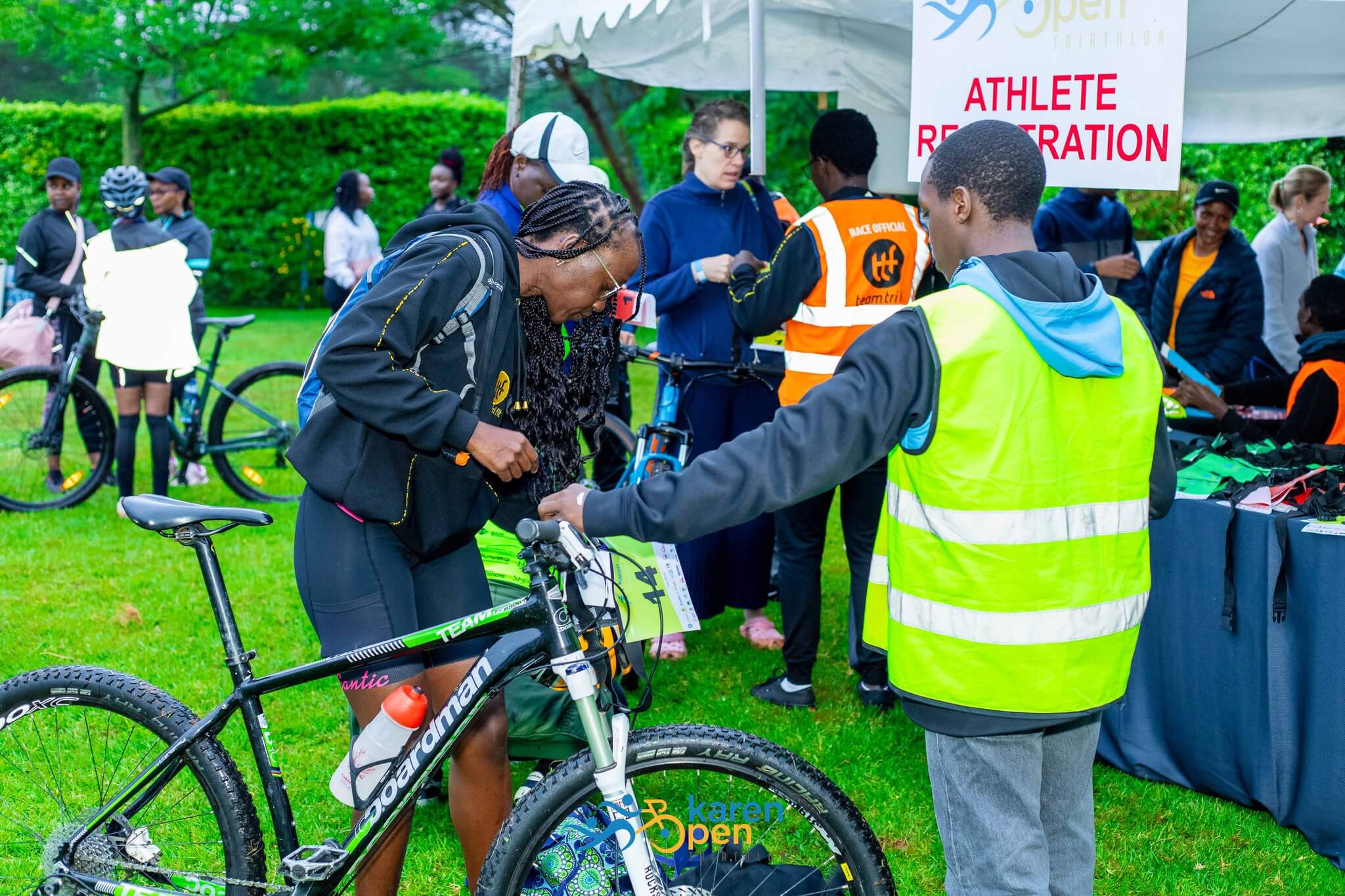
    As I wheeled my bike into transition, I couldn’t help but smile. Race day always gives you that feeling. My first triathlon since 2021. It was good to be back.

    I first heard of this race last year when I was in Kenya last year, and had kept it in the back of my mind. By pure stroke of luck it matched up with my travel schedule this year, and I registered with about four weeks until race day.

    I was in Bali at the time, and without a bike or even a good place to run, training had consisted of daily sessions on the treadmill and spin bike at a scrappy gym by my apartment.

    However, I felt reasonably well prepared considering the time frame. I knew my swim would be rusty, but I felt I had enough kilometres in the bank for a decent time on the run.

    After arriving in Nairobi about a week before race day, the rain had been tumbling down. I had gotten in one ride and a few swims. Race day would be interesting.

    Thankfully, on this day it hadn’t rained overnight. The sky was blue. Sun was already showing. It was a perfect day for racing.

    After hanging my bike, I went to arrange my transition basket.

    Race top. Sunglasses. Helmet. Socks. Shoes. Gloves.

    I visualized the transition in my head, three, four times, ensuring I had the order right.

    I did. I think.

    Nothing left to do but sit and wait.
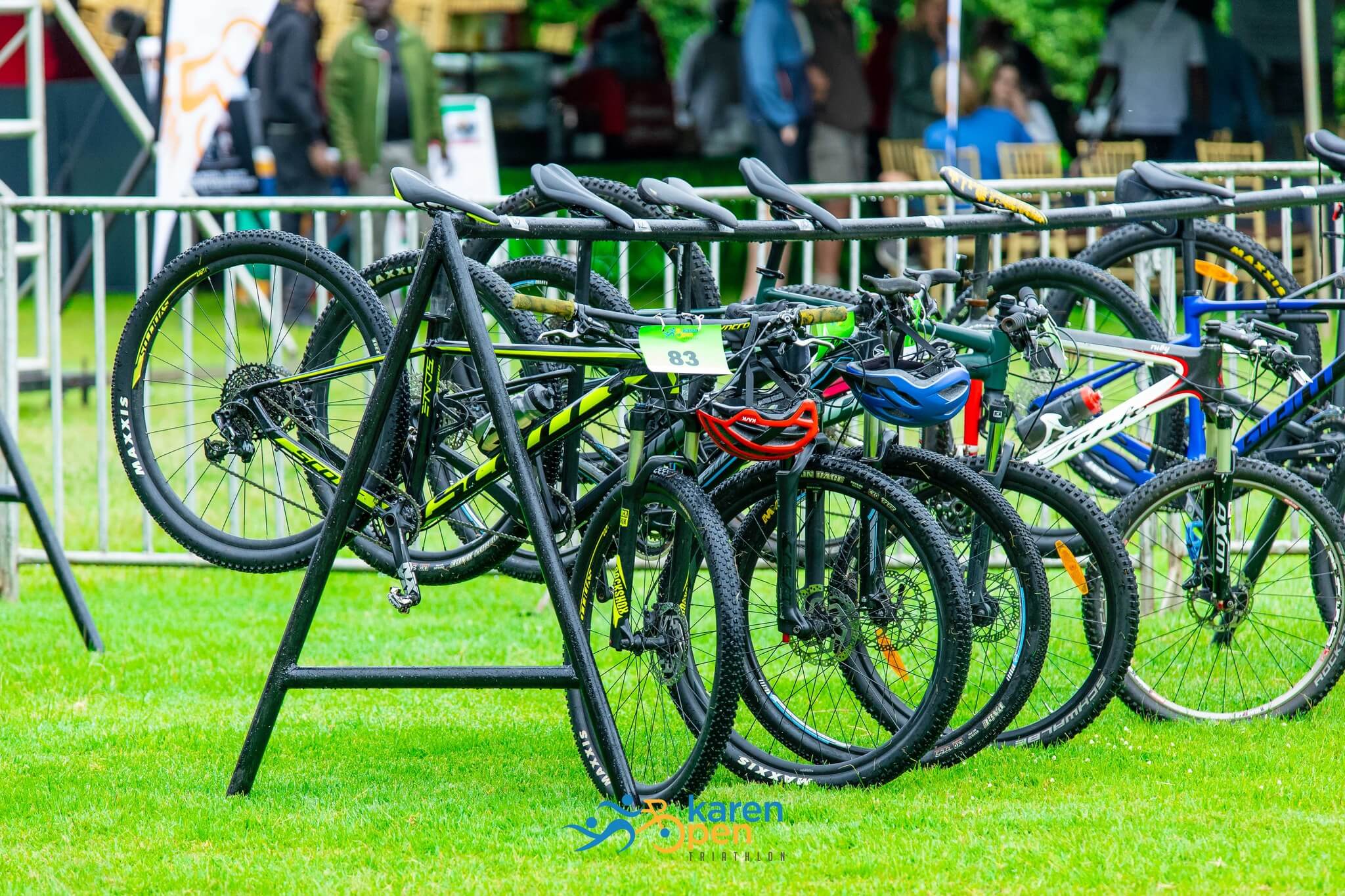
    The first curveball of the race was the start time.

    Even though the scheduled start was 8 a.m., when the clock hit 8 we were still finishing registrations.

    Once that was done, a group warm up took place.

    Then we had a bunch of speeches, race rules had to be explained, sponsors had to be thanked.
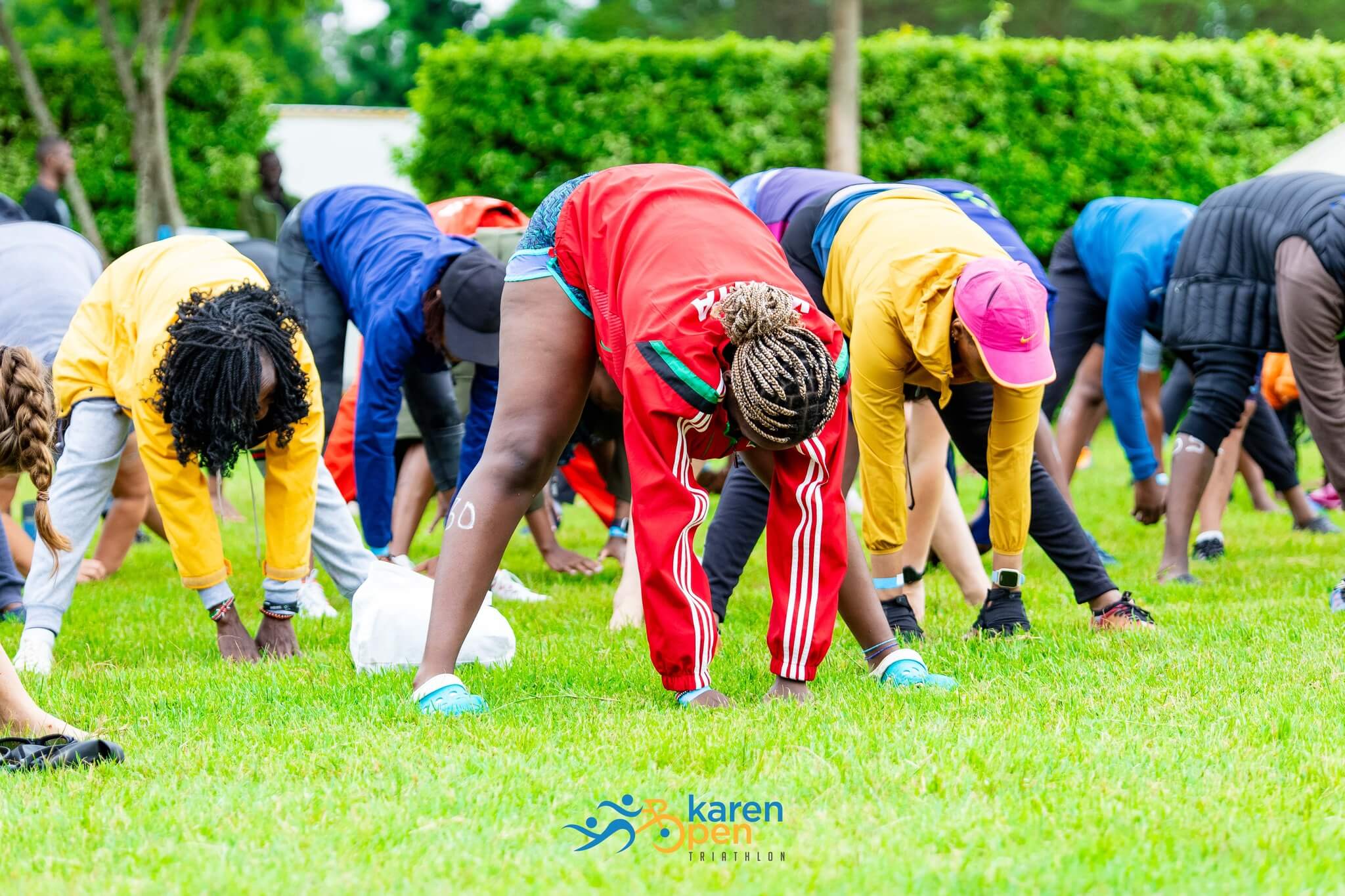
    By the time we finally headed down to the pool, it was well past 9.

    We were grouped in our expected swim times, and the start list ran from slowest to fastest.

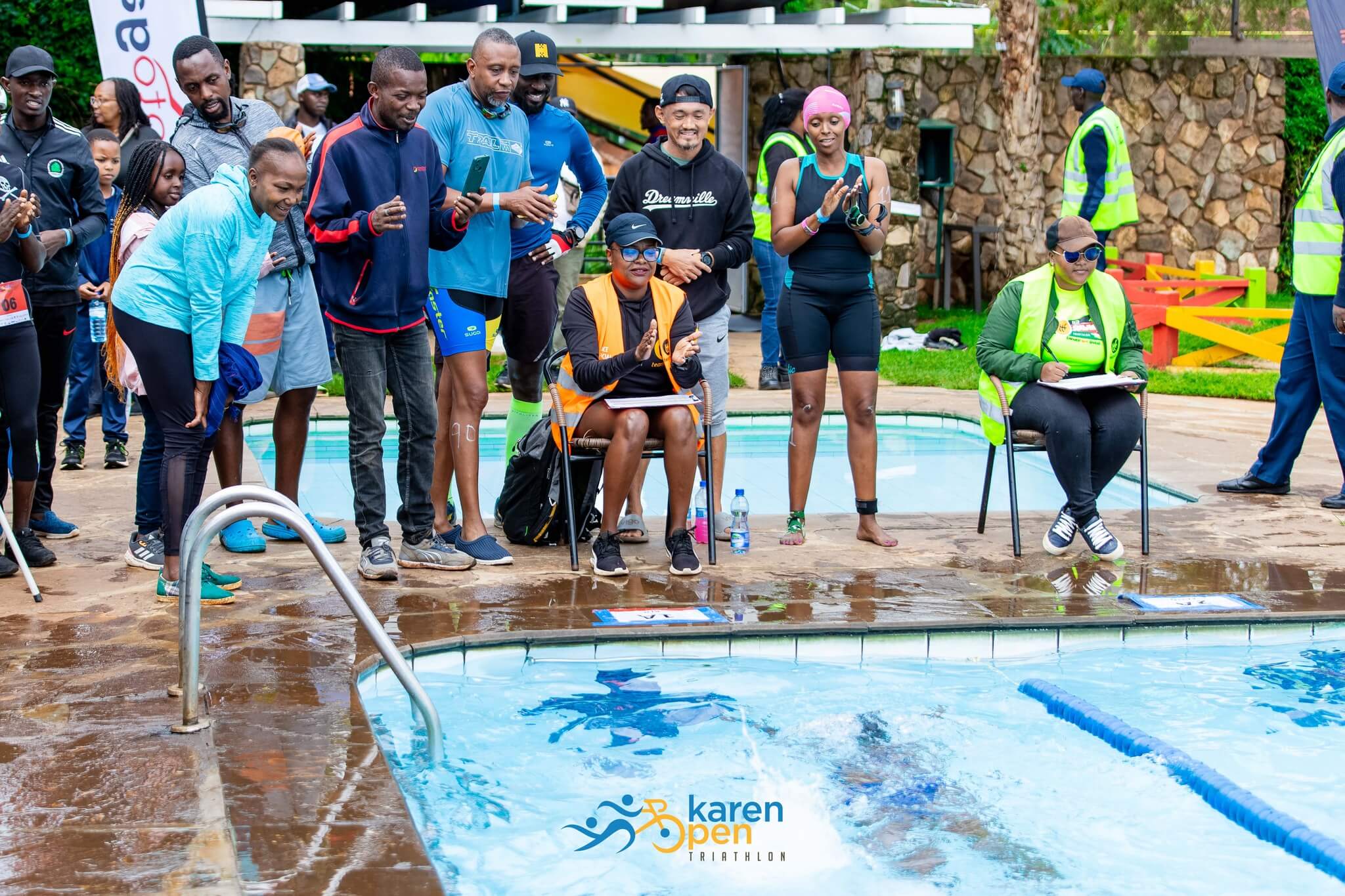
    The ladies went first, and the first wave alone took around 40 minutes.

    Instead of starting at 8, it was likely my race would start around 11.

    Unfortunately I had drunk a whole bunch of caffeine at 7:30 a.m. in anticipation of an 8 a.m. start. By the time 11 came around, I was starting to feel like an afternoon nap.

    But, that’s all part of racing. The rest of us simply enjoyed the sunshine while we waited, cheered on the girls in the pool, and chatted with our fellow athletes.
    I had another dose of caffeine just before my group was called to the swim.

    The swim was 38 laps of a 21m pool.

    I hadn’t had much time for swim training, but I had done three swims since arriving in Kenya two weeks earlier, and was clocking around 16 minutes for the distance.

    I started well enough and didn’t feel like I was going too fast, but around 12 laps in I was breathing heavy for some reason.

    I tried to push through but my lungs weren’t having it. Very strange. I couldn’t help but stop at 20 laps and give myself a ten second break and a few deep doses of oxygen.

    The second half felt much better, and I managed to get through in my expected 16 minutes.

    From there it was a sprint from the pools to the transition field around 200m away.

    Since I was out of breath, transition took longer than expected. I tried to relax while getting my shoes on, knowing I was moving too slowly but also not really caring. I was exhausted! There was a guy next to me getting his kit on at the same time.

    “Bro that so hard, what the heck!”

    “I know!”

    Well, at least it wasn’t just me.

    After about three minutes, I was running my bike down the chute and onto the road.

    It’s not a secret that I hate the bike. I hate how long it is, how dangerous it is, how many things can go wrong. And also I suck at it, that’s probably the main reason.

    To make matters more challenging, this course was a mountain bike route, something I’ve never raced or barely even ridden before.
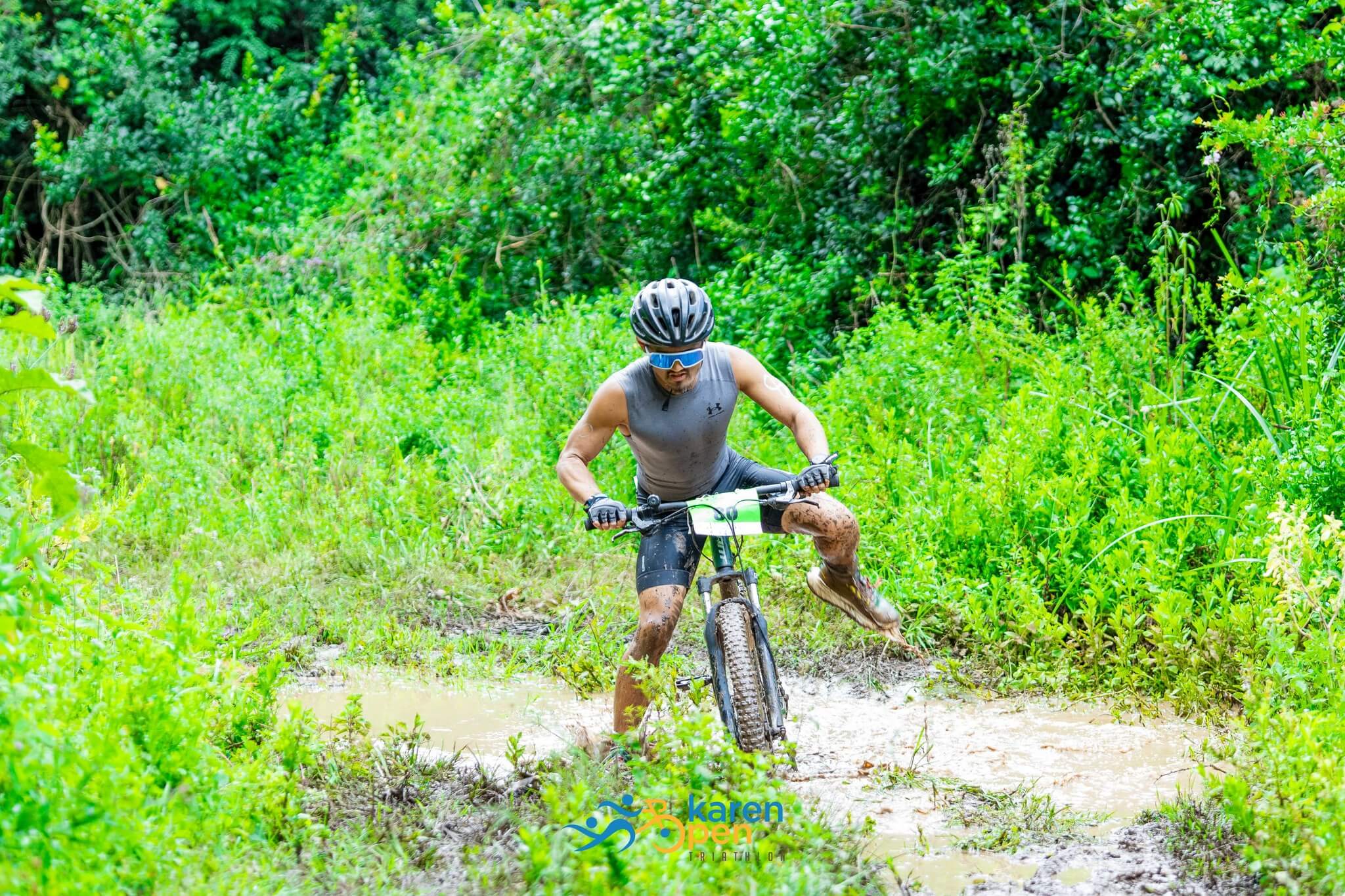
    Even though the idea of a race to go fast, I knew I couldn’t go fast. All that would lead to is me crashing into a pile of rocks and walking home. The course wasn’t too rugged, but definitely tough enough that I had to pump the brakes almost the whole time and cruise through at a comfortable speed.

    That didn’t stop me from falling off a couple of times.

    Thankfully there were 3 or 4 kilometres on-road, which was a welcome respite for my arms (mountain biking kills your arms!) and allowed me to pump out watts the best I could without worrying about dying.

    The end of the bike was an on-road climb that seemed to be giving people problems. It wasn’t too steep, but was long and after riding through the mud for an hour was tougher than it should have been. I did my best to finish strong and make up some time.
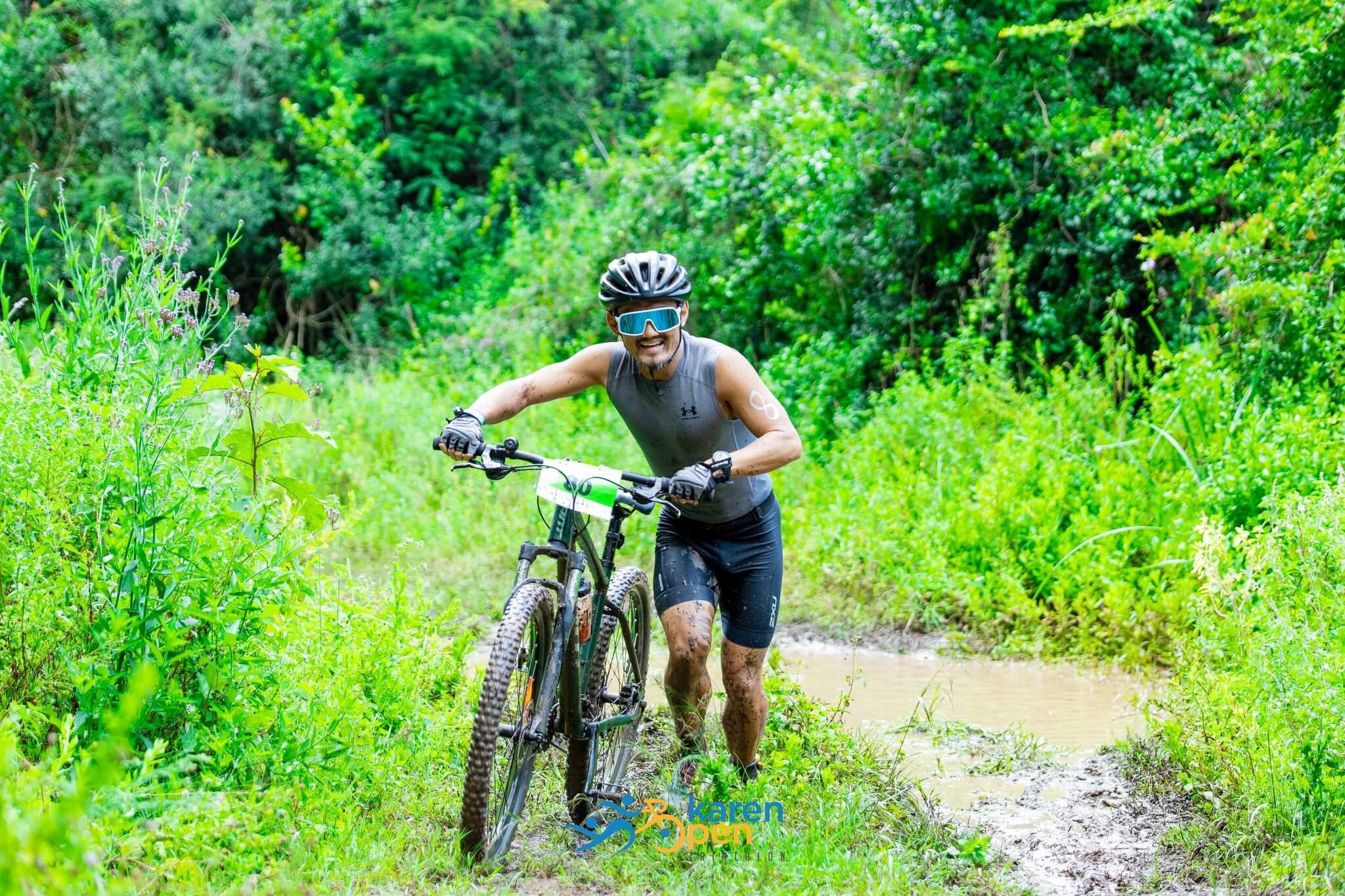
    Coming into transition for the second time, the atmosphere was a bit more festive as many earlier starters had already finished.

    I had designed this transition to be lightning quick – all I needed to do was hang my bike, take off my helmet, then grab my hat and go.

    I was in and out within 30 seconds.

    I’m not the fastest runner, but I’ve gotten better over the years.

    In the first couple of kilometres I managed to pass around 4 or 5 people who had blitzed past me on the bike. For whatever reason, the run seemed to be giving a lot of people problems, and many were shuffling or dawdling along and looking worse for wear.

    My legs were pretty heavy but it was only a 5.5km run – as a marathoner that distance feels like a gift.

    While I wasn’t able to hit anything close to PB pace, I cruised through the run, trying to push in the last 2km.
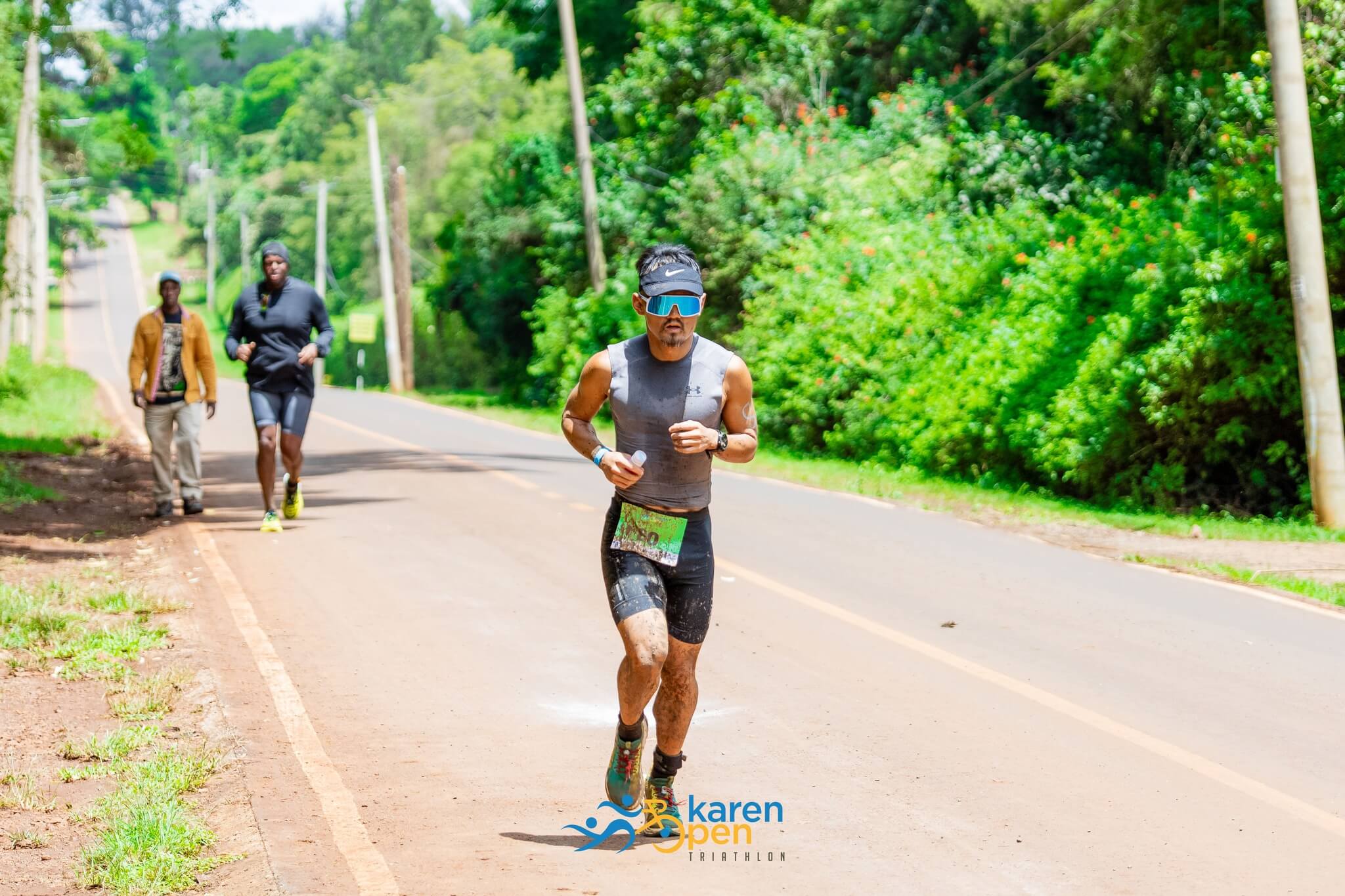
    I passed another handful of people during that final stretch, and crossed the finish line as strong as possible.

    After a shower and a freshen-up back at the pool of the Karen Country Club, it was back to the finish line to relax on the lawn and watch the rest of the racers finish.

    The relay event had started last, so many were still on their bikes or just starting their runs.

    It was a good time to chat with the other triathletes about the race and just about life in Kenya, the triathlon scene and make a few new friends.

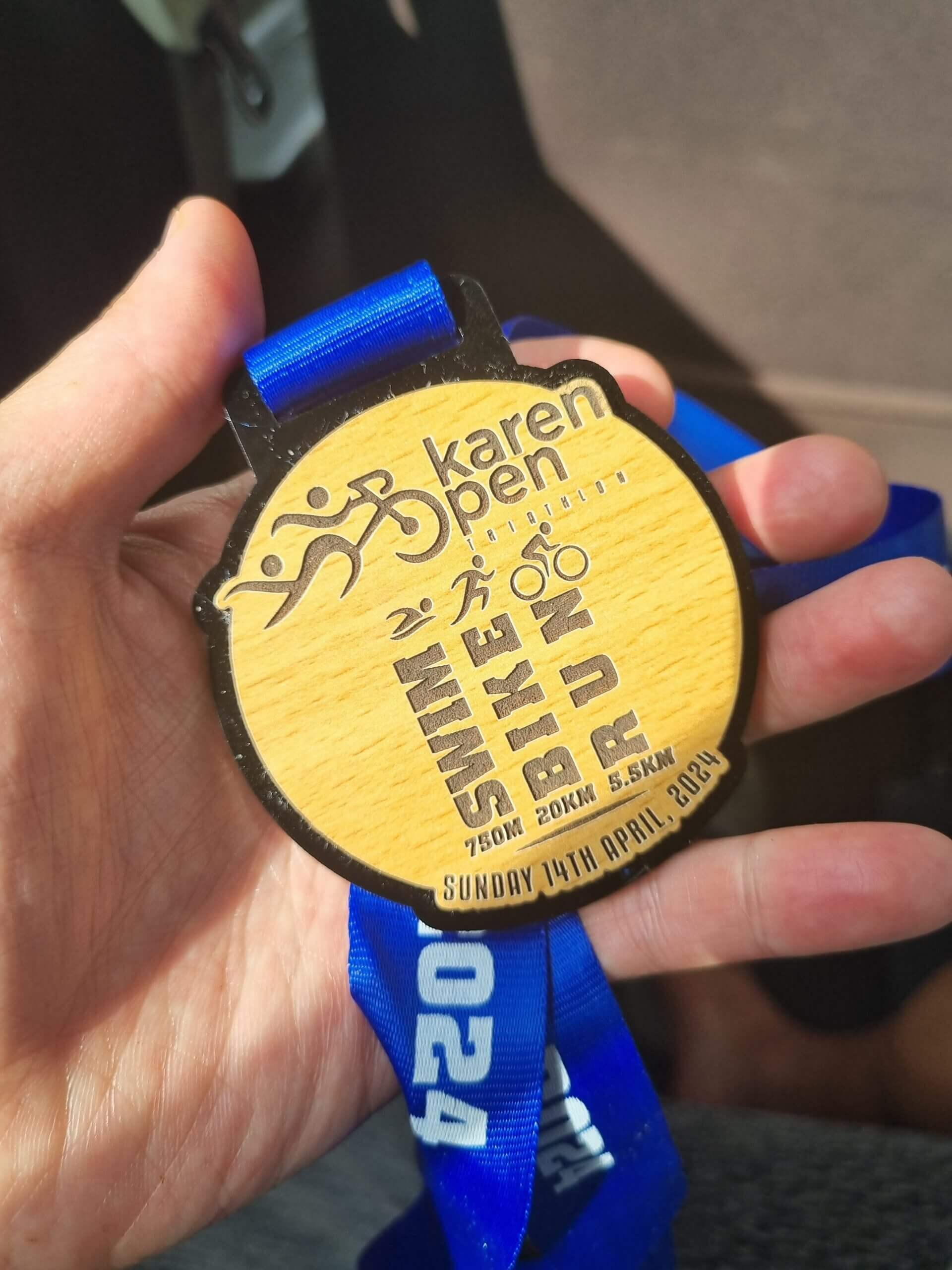
    Result? 10/67 in the men’s. 11/96 overall.

    A decent swim, biked like a snail, and run maybe a few minutes slower than I should’ve. Since I only had 4 weeks of training, couldn’t have expected much more.

    Still every race and every finish line is a blessing, another achievement, another building block to staying strong and healthy, and another step to doing better next time.

    Overall, I thought the race was superbly organised, and other than the late start, everything ran like clockwork.

    Will I race it again? Maybe!

    We’ll see what 2025 holds.

    Also! Shout out to the teams at Joy Riders and Team Tri Fit for organising the race, and allowing me to train with them for a couple of sessions before the race. Wonderful group of people – if you’re into the race scene and ever in Nairobi, definitely hit them up!
    Heading to Nairobi? Check out my accommodation guide here!
  • Running The Nairobi City Marathon: A Review

    Running The Nairobi City Marathon: A Review

    When I landed in Nairobi, I had been tentatively training for Ironman 70.3 in Vietnam.

    However, since I’m indecisive and bad at planning, and also was going through some personal shit, I took my sweet time getting organised and missed the deadline to register.

    That opened up my calendar to head to Nairobi, where I was due to catch up with some friends anyway.

    Arriving in Nairobi was like returning to a second home, but had changed a little since I left it five years ago.

    Traffic still bad, air still smoggy, but they did have a brand new highway, and the city seemed “younger” than it was since I last visited.

    Java coffee shops were now full of young Kenyan students, when it once had been mostly Kenyan businessmen.

    The malls and restaurants were full of students with iPhones, when they once had been mostly moms and foreigners.

    Clearly, Nairobi was growing up.

    When I found out the Nairobi City Marathon was in May, it lined up perfectly to be my first race of the season.

    I wasn’t in the best running shape, but the plan was to only run the half-marathon. Running a full marathon is a beast, but I was confident to do the half on short notice.

    However, when I started training, I quickly learned the first problem I would have in Nairobi – the city is not very runnable.

    In contrast to some of the cities in, say, Australia or even Thailand, sidewalks in Nairobi are generally crowded with pedestrians and street stalls, not in great condition, and it’s hard to find a smooth running route that’s not interrupted by traffic jams.

    Not to mention, not all areas of the city are safe.

    Strategically, I booked myself into an apartment right near the Arboretum – a small natural park near the Westlands area.

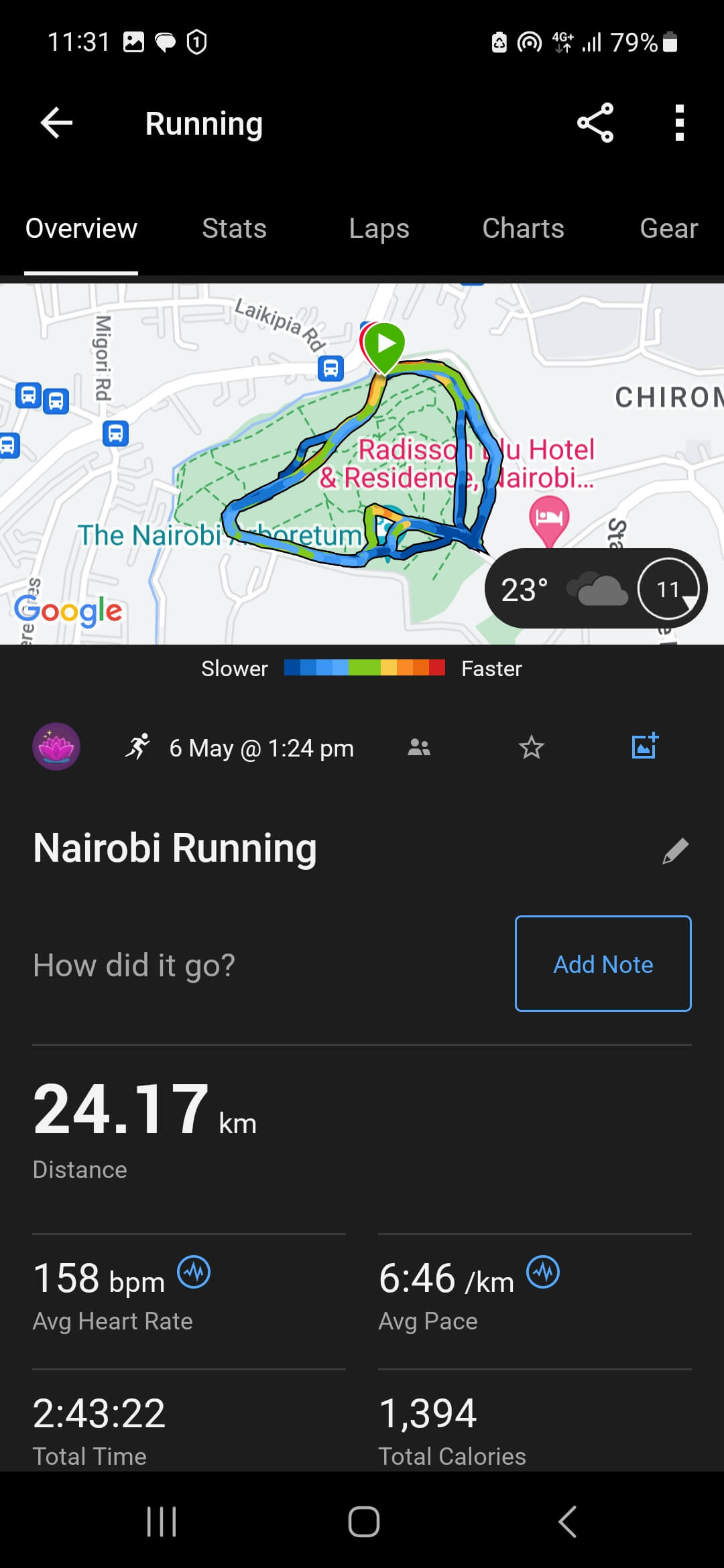
    The Arboretum turned out to be my nemesis. It is not flat at all – it’s a 1.2km loop that goes up and down rather steeply, and if you want to go running off the main path and into the trails among the trees, the route grows to about 2.4km with even more ups and downs.

    However, since there was nowhere else for me to run that became my training spot.

    Very quickly the boys at the ticketing office got to know me as the “guy who runs forever” and greeted me warmly each day.

    As I landed in Nairobi on 25 April, and race day was 21 May, I didn’t have long to train. It was all systems go.

    I knew I had to knock out some solid 10km runs and at least one 20km run before race day.

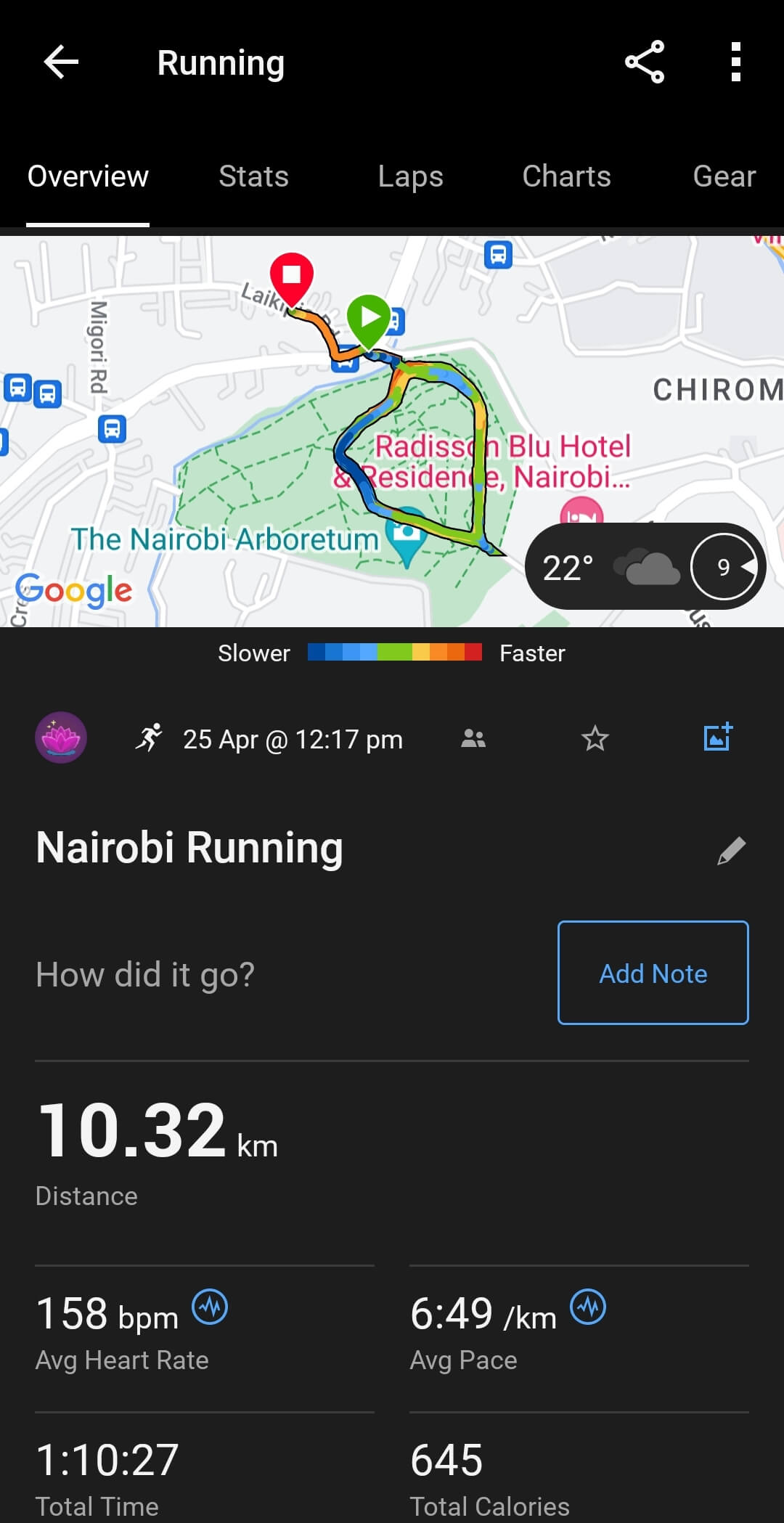
    My first run was 10.3km, in the pouring rain, and while I didn’t push the pace, I felt strong.

    With some luck, maybe I could even PB this half marathon.

    Then things changed.

    The book I was reading at the time was “Never Finished” – the second memoir by David Goggins.

    If you know anything about David Goggins, you know he has the ability to make you look in the mirror with brutal honesty.

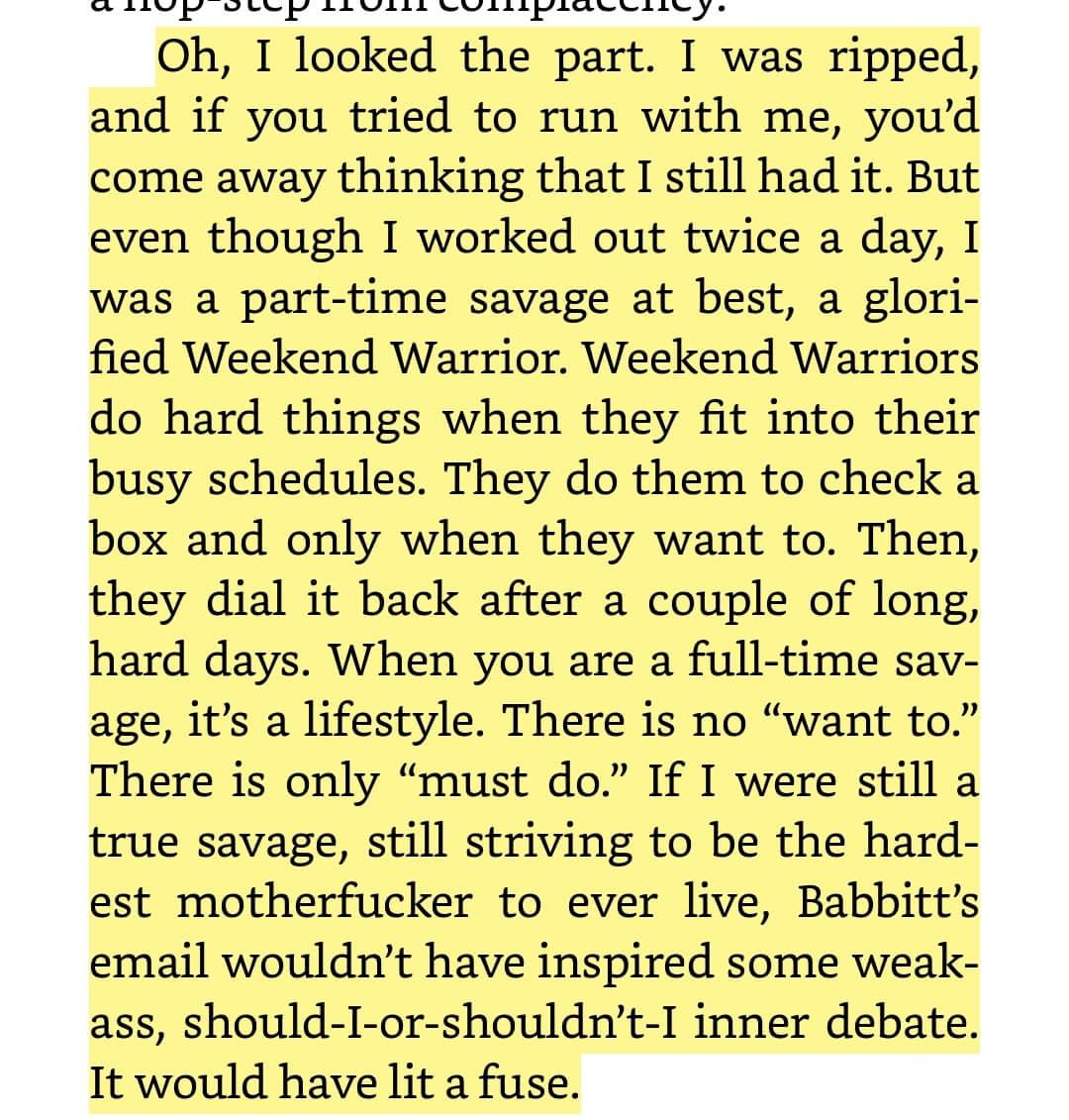
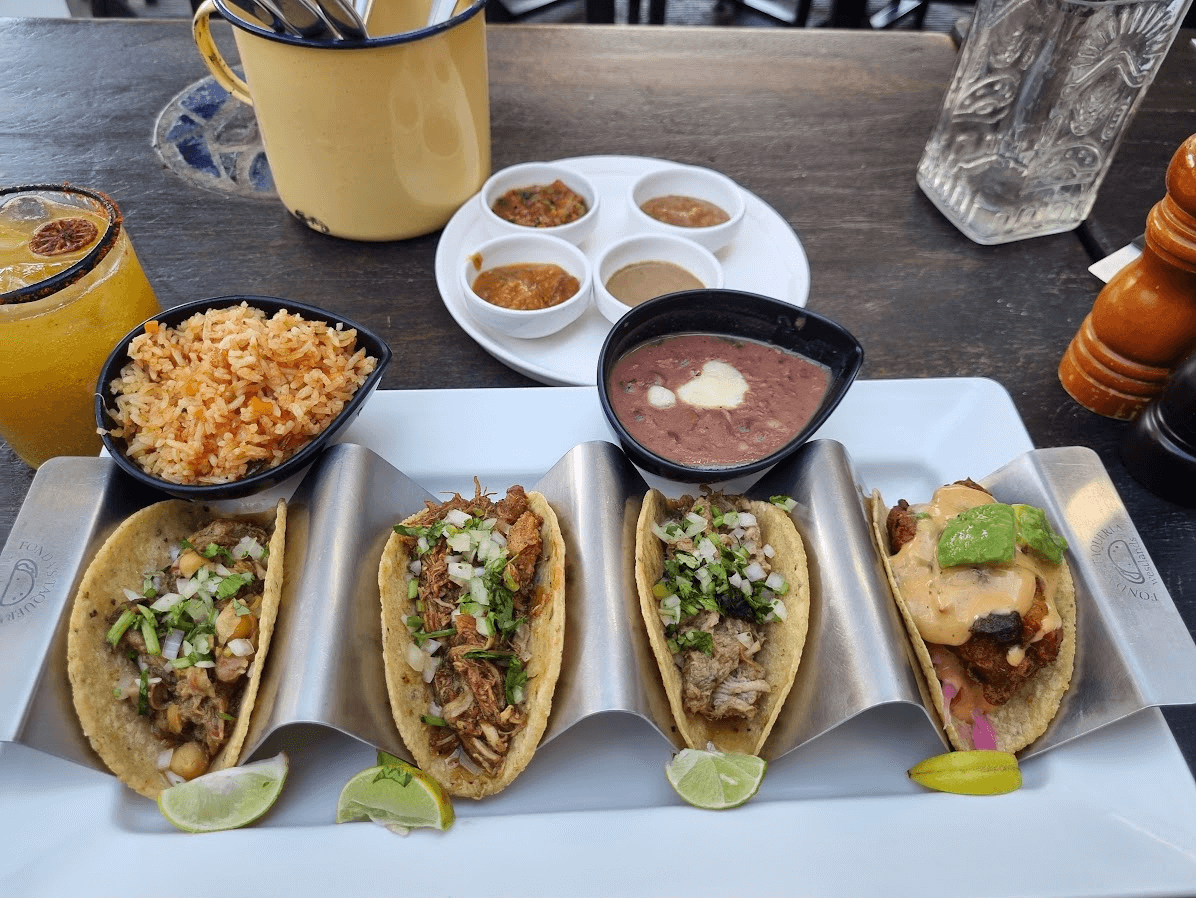
    I was sitting in a cafe, eating tacos and a mocktail, waiting for a friend, as I read this passage:

    It hit me in the face like a baseball bat.

    Had I gotten I soft? Did I only challenge myself when it fit into my schedule now? A “part time savage”?

    I knew deep down I was running the half-marathon, not because I couldn’t run the full marathon, but because it would hurt too much, and I would need to train more.

    Marathons require you to suffer, and suffering is never fun.

    So why bother?

    The soft life is the good life.

    But I read that passage three times over, and I knew he was speaking directly to me.

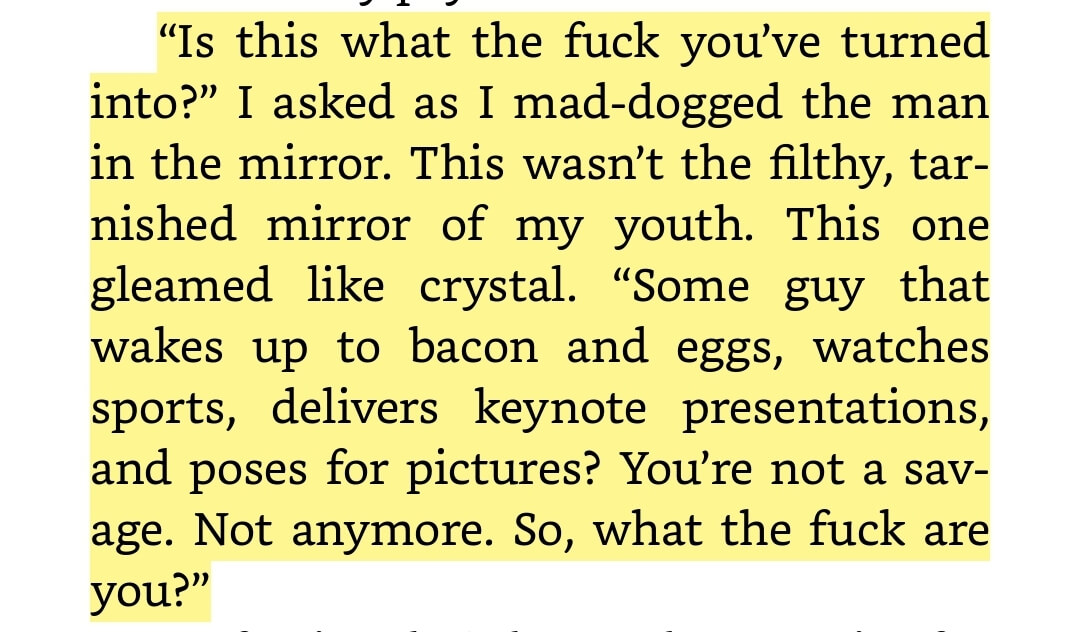
    And then:

    I wasn’t eating bacon and eggs though.

    I was eating tacos and mojitos – even worse!

    I remember putting the book down and smiling.

    And then saying … “Gat freaking dangit gaaaaah!”

    The Nairobi City Marathon is a full marathon event – so why was I signing up for the half?

    Be honest.

    Right then I was forced to admit it – I’d gone soft.

    How can I be the Iron Skin guy – the always push yourself to your limits guy – the get yourself out of your comfort zone guy – and then run the half marathon?

    So it was decided. I pulled out my phone and updated my registration to the full.

    Then I went home to train.

    I felt the mindset shift immediately.

    As soon as I got back to my apartment I was full of energy (anxiety) and drew up a training plan.

    It had been three years since I’d run a marathon.

    The full marathon is a different beast – while most runners can probably show up to a half marathon without training and still finish, the full marathon (at least for me) is straight murder if you’re not prepared for it.

    At this point, we were about four weeks out, and the final two weeks is mostly rest and tapering.

    So in the next two weeks I would need some serious mileage. At least one 20km run. At least one 25km run. And a bunch of fast 10km runs. Probably cross-training with some long bike rides in between.

    Thanks, Goggins. For ruining the next four weeks of my vacation!

    About 14 days out, I did my final “long run”.

    It was a 24km killer through the Arboretum, on a Saturday.

    People watched me going round and round – families, church groups, elderly couples on their afternoon stroll, young couples promenading – all staring at this strange Chinese boy running around in circles for three hours looking like he was about to die.

    Every time I passed the ticketing office, the boys grinned and waved at me, shaking their heads.

    Even I wasn’t sure if I’d make it.

    It had been years since I’d run that distance, but knowing that I still had it in me, and my legs weren’t too beat up by the end of it, filled me with confidence.

    Maybe I will survive this one after all, I thought.

    And even if you don’t – who cares? You tried. That’s the whole point.

    And then, a week out from the race, another twist.

    The friend I had been eating tacos with, the one who I started complaining to about all the training I would suddenly need to start doing, texted me one evening.

    It was an article in the Kenyan news.

    Nairobi City Marathon postponed until 10 July.

    Of course, I knew it had to be a prank, or a mistake.

    I checked my email – no news.

    I checked my phone – no news.

    Surely, the race isn’t being postponed one week from race day!

    And even if it were, it would be due to some emergency and surely they would be alerting us in all ways possible … but nothing.

    Then I finally checked their Instagram page, and it was true. They were postponing the race.

    The comments were hilarious. Athletes from all over the world had arranged visas, booked accommodation, many had already landed in the country and were prepping for race day, and with no notice they were cancelling the race, one week out.

    I just wanted to tell them all, I’m sorry you’re surprised but, cancelling such a big event and ruining all your plans with no explanation, no refund, not even an email – this is the most Kenyan thing ever that it’s almost funny.

    So yes, as someone who has spent a bit of time in Kenya, I was surprised, but I wasn’t really surprised.

    I was just happy my friend had texted me, otherwise I wouldn’t have even known, and probably still would have shown up on May 10 (they never did end up sending out any email or phone notification, we were just expected to see it on the news apparently, LOL. I love Kenya).

    So now – what to do?

    I had already done my long training runs, had started tapering, and was mentally in the zone to race.

    Now that the new race date was eight weeks away, I almost could do a full training camp.

    But the thing about the marathon is – it’s a mental exercise as much as a physical one.

    My mind had been primed to race on May 10, I’d already begun the battle in my head.

    Now that I was being forced to slowly build up my training again, try and peak again two weeks before the race, then taper down all over again – I didn’t have it in me. Even Goggins couldn’t change my mind this time.

    I decided I would do this:

    I would stay in shape, and I would still race the full marathon, but I wasn’t going to make it my life for the next eight weeks.

    Instead, I was going to enjoy my Nairobi holiday!

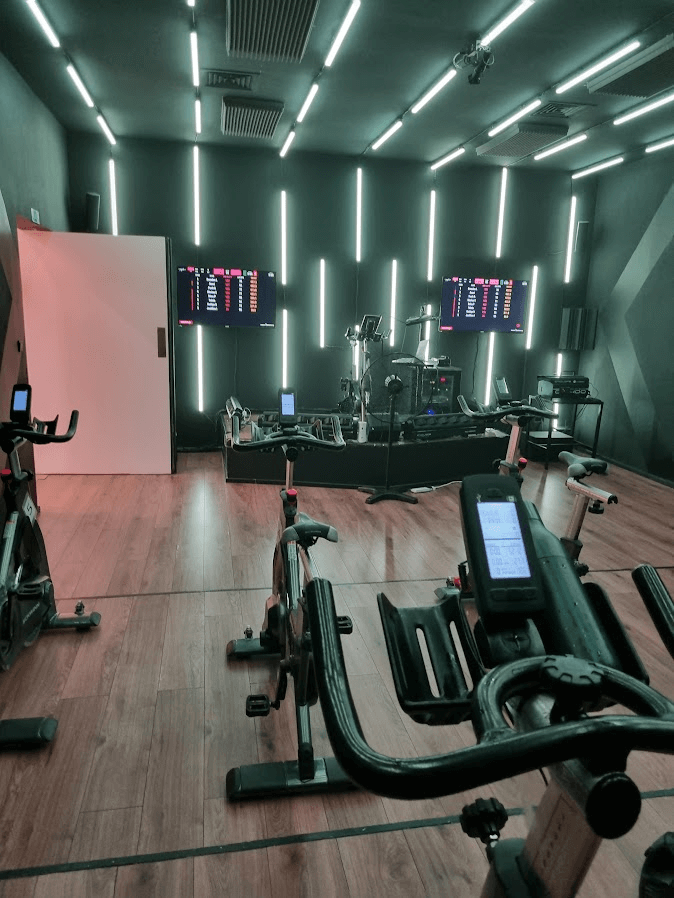
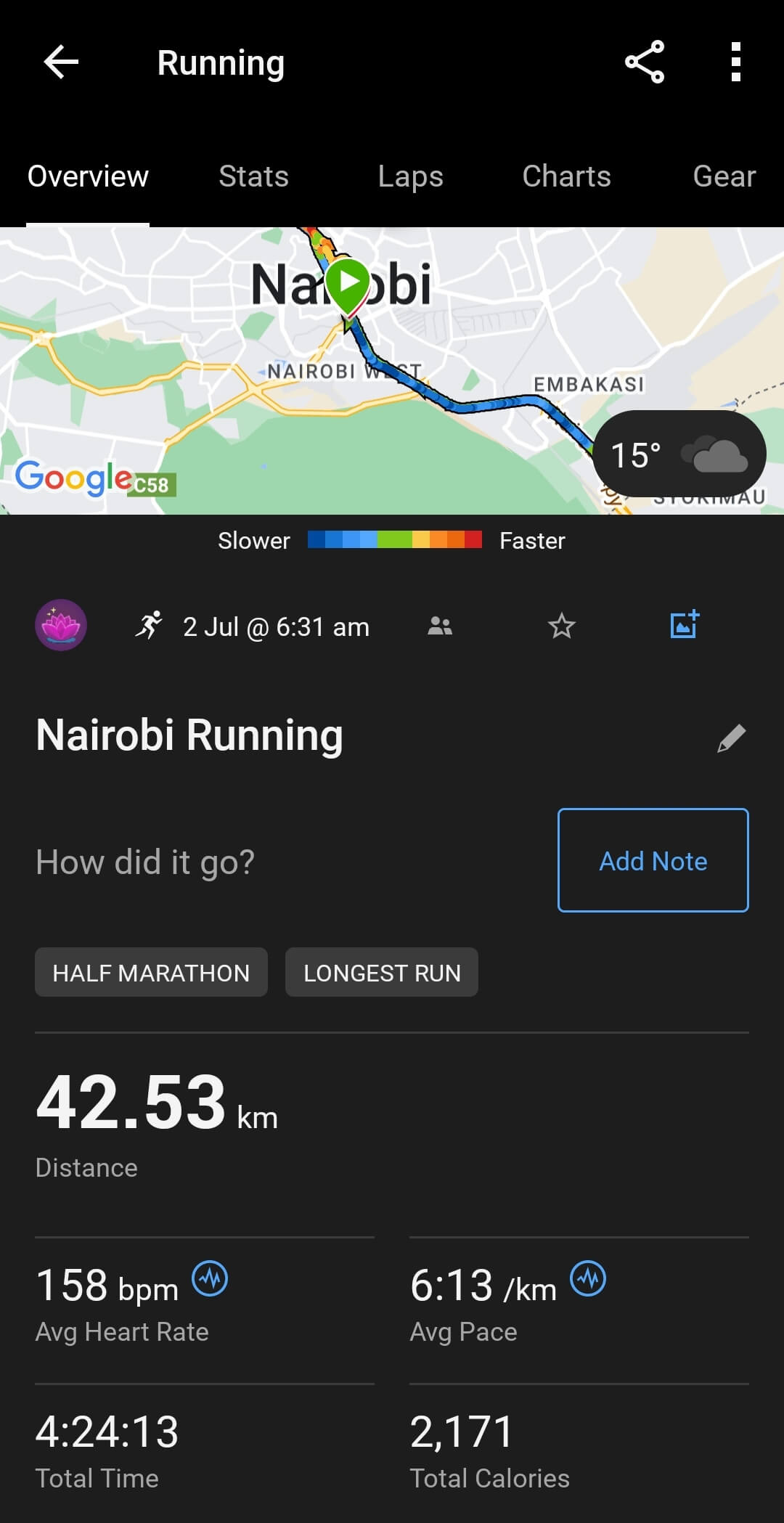
    So for the next eight weeks I logged about 150km on the road, spent several hours down at Psycle Kenya doing spin classes (cool place!), but spent even more time catching up with friends, trying new cafes, playing badminton, reading, eating more tacos, and simply enjoying the soft life I’d sworn off just a few weeks earlier.

    When race day arrived, I wasn’t expecting much from myself, other than to finish and to give it my best.

    To give them some credit, even though pre-race they were easily the worst organisers of any race I’ve ever been in, they had things pretty dialled in on race-day and things went smoothly.

    I showed up at the starting point at Nyayo Stadium about thirty minutes before the gun time, and had no choice but to trust my valuables with the bag-check. If they can’t even run a race properly, can they do they do a bag-check properly? Thankfully – everything was fine there.

    I hadn’t thought too much about my race-day nutrition, but I had a belt full of gels and salts, and hoped it would get me through.

    Somehow, I was late to the start line after waiting for the toilets, and managed to start the race just before they closed the line off.

    The course starts on one of the highway off-ramps, and for almost the entire course you are running on the Expressway.

    This means wide and nicely paved (closed) roads, and every kilometre is clearly marked.

    I knocked out the first 10km comfortably, and the weather wasn’t too hot or windy.

    Since I was one of the last to start, I spent most of the first 10km passing the tail-enders, which is always a confidence boost.

    The aid stations were great and had fresh bottles of water (always easier to drink from than cups) with many volunteers.

    Every aid station I knocked down salt pills with my water, hoping it would keep any cramps at bay.

    From 10km to 20km I probably did my best running of the race.

    At least I thought I was running well, until the half marathon leaders boosted past us and OH MY GOODNESS THESE ARE KENYANS FAST. Like a pack of gazelles galloping past you, leaping with perfect form and long legs with impossibly lean calf muscles and bodies with zero fat on them.

    I hit the 21km mark at exactly two hours, which was at or maybe slightly better than I expected on the training I had done.

    I also felt my legs still had a good amount of gas left in them. My marathon PB is 4:08, and I wasn’t expecting to beat that, but I guessed I might not be far off.

    The good thing about the Nairobi City Marathon is the course is mostly flat. There’s some elevation, but nothing for any extended distance or that will make the race miserable. If you’re looking for a course to PB, this isn’t a bad choice.

    Then at almost 32km exactly, things got heavy.

    I cramped badly in my groin and even after downing every bit of salt and gel I had in my pocket, it didn’t get better.

    My pace dropped instantly from about 5:30/km to 7:30/km and I started death marching.

    Many people I had passed earlier in the race caught up to me and floated past.

    That didn’t matter to me, at least not in the moment.

    All I cared about was getting the f*ck off the course so I could sit down and weep in silence.

    Running with a cramp is doable for 3km, maybe even 5km, but 10km?

    Never been there before. So I guessed we were about to find out.

    Answer: Yes it’s possible, but holy crap is it miserable and you will hate your life.

    For the last two kilometres, we merged with the “fun run” crowd, which I think was the 5km event. Most people weren’t even running, it was just a huge march of people singing, dancing, listening to music, selfies and groups of friends generally having a good time.

    Since I was pretty much at a walking pace, I blended in and got to suffer in disguise while I hobbled to the finish line.

    I finished my final kilometre at a pace of 7:35.

    The finish line is also in Nyayo Stadium, where we began, and it’s a big party.

    I hobbled across, collected my medal and basked in the pain and glory.

    While I sat in the stands afterwards, trying to come back to planet Earth, watching the crowds of people singing and dancing in front of the stage, holding my medal, it took me a moment to realise it, but I was damn proud of myself.

    I thought back to why I started running – that period of my life where I wasn’t sure if I’d make it out alive, where I was forced to be strong, where I found running, and running was all I had.

    Back then a marathon was a distant impossibility, and now I’d just completed my fifth one, far from home, with no coach, no team, no training plan.

    Just my spirit and me, taking on the impossible.

    Even if the race wasn’t perfect, I realised it was never supposed to be.

    Like Goggins said, things like this just remind you who you are, where you came from, and what you’re capable of.

    I was grateful to Goggins for reminding me what got me here, and pushing me to keep striving to be better.

    They say on the marathon course, you will always find a new part of yourself you never knew existed.

    And it was true again. After 42km, I was blessed with a new piece of me I discovered in Nairobi.

    Heading to Nairobi and need a place to stay? Check out my city guide.

  • Where To Stay In Nairobi? The Best Hotels & Neighbourhoods

    Where To Stay In Nairobi? The Best Hotels & Neighbourhoods

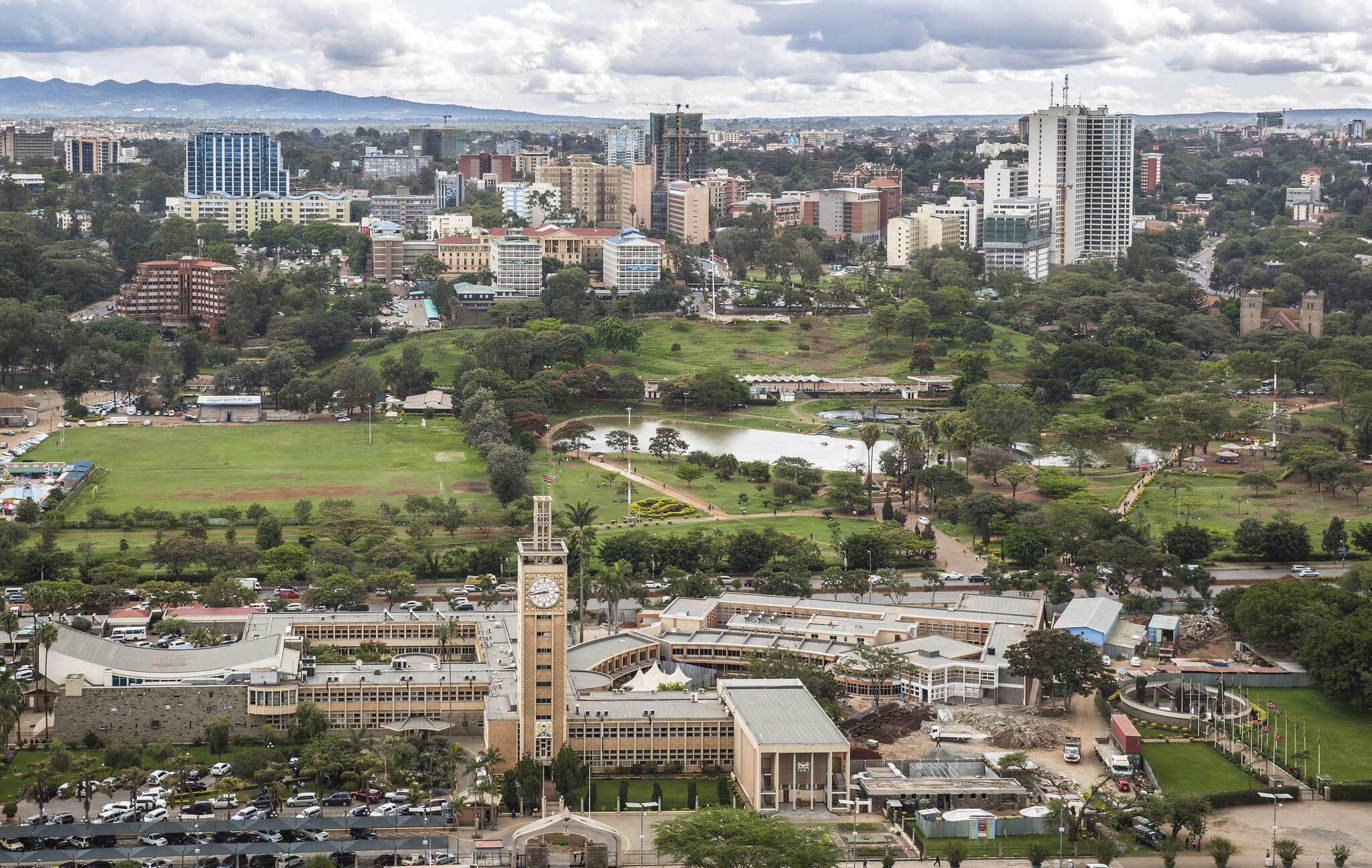
    Nairobi – one of my favourite cities, not just on the continent, but the world!

    In this guide I’ll take you through everything you need to know about Kenya’s capital, including what to expect in each area, where to stay, and a break down of some of the best Nairobi hotels to make your trip as safe and memorable as possible.

    What’s Nairobi like?

    All I can say is, pull your socks up.

    Way up.

    Lace your shoes up tight.

    This city doesn’t mess around.

    Nairobi is one of Africa’s gems, one of the fastest growing cities in the world, and a city that never sleeps. If you want to know Africa, you need to know Nairobi. 

    I’ve been visiting Nairobi for almost ten years now, and have grown to love the city almost like a second home. For most first timers this city easily overwhelms them, especially if it’s also your first time on the continent. However, that’s because most people arrive here unprepared.

    Without knowing where to stay, how to get around, and the best places to stuff your face, Nairobi is going to intimidate most newcomers. That will mostly leave you dining in a few tourist restaurants and leaving thinking Nairobi is “just okay”.

    However, a few insider tips is all you need to get a little deeper under the surface and feel Nairobi’s magic. Do that, and you’ll surely fall in love with it like the rest of us.

    Africa for beginners?

    At least on the eastern coast, Kenya is probably the most suitable city for first timers in Africa.

    Everybody speaks English, it’s safe in most areas, almost all first-world amenities can be found here, and people are very welcoming to foreigners.

    On top of that, Nairobi Airport services airlines from most corners of the world, making it an easy entry point to the continent.

    If you’re looking for a city to host your first Africa experience, Nairobi is one of the best options there is.

    In this guide:

    Where to stay in Nairobi?

    Choosing the right place to stay in Nairobi is essential.

    Nairobi is a huge city, and driving across town can take over two hours at the worst of times. Taxis aren’t exactly dirt cheap either.

    That means you want to stay in a place that minimises your commute time and bases you around the main sights that you’ll want to see.

    Below I’ll break down six of the best areas of Nairobi for tourists. Some are more accessible than others, but all can be good depending on the type of trip you’re looking for.

    I’ll also recommend one or two accommodation options in each place, just to make things extra easy for you. The best hotels in Nairobi are generally clustered in a few areas, but there is accommodation of high quality in all parts of town. As you know my travels are all about value, so all these places are vetted and include some of the best Nairobi hotels when it comes to comfort and affordability. I’ve stayed all around Nairobi, so feel confident that you’ll be well taken care of!

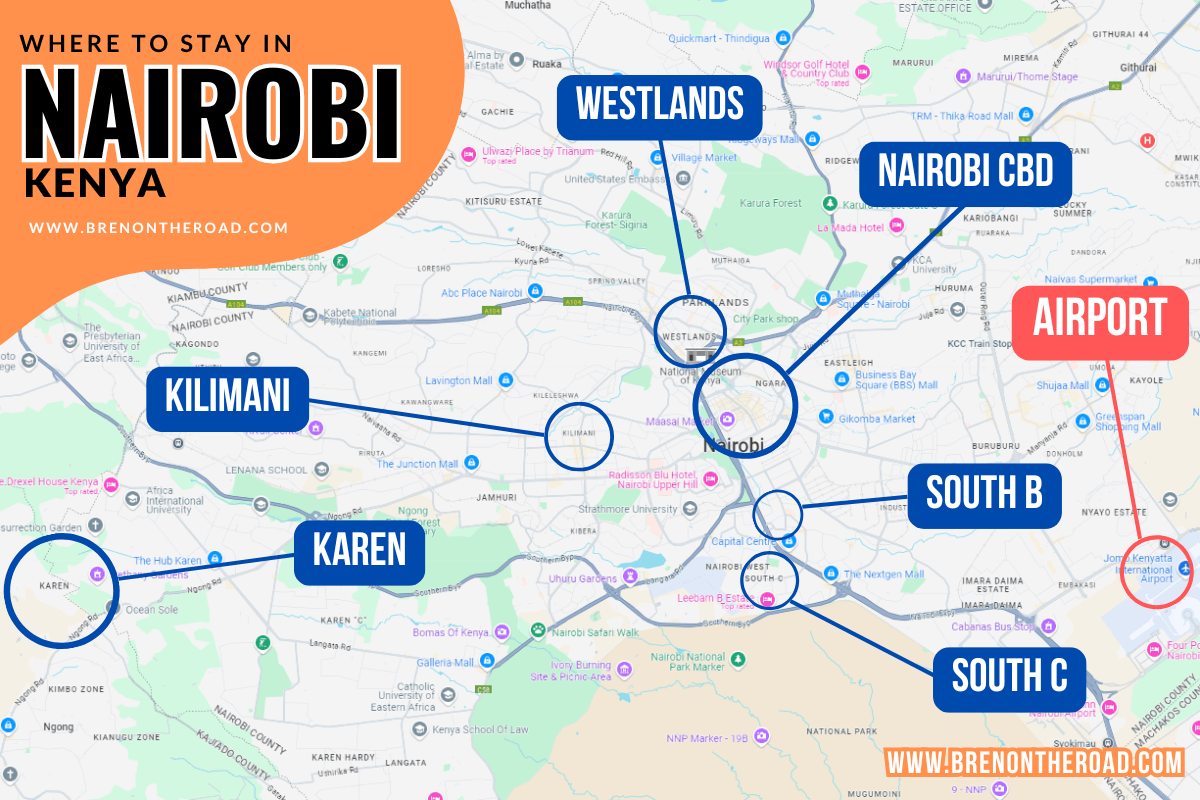
    Map of Nairobi

    As you can see Nairobi is large and spread out, and as the city is still developing each area is quite distinct. Some parts may resemble Europe, others may resemble rural Kenya in many respects.

    Most tourists should be looking to stay around the Westlands/City Centre areas, but other areas are definitely suitable too. It just depends on how comfortable you are getting around on your own, and what you plan to be doing during your visit.

    With Uber now very established, reaching different parts of the city is much less of an issue than it was in the past. However it still helps to stay in the right part of the city, as you never know when your sightseeing plans can turn into a day of sitting in traffic.

    Let’s take a look at each of these areas in detail:

    Westlands

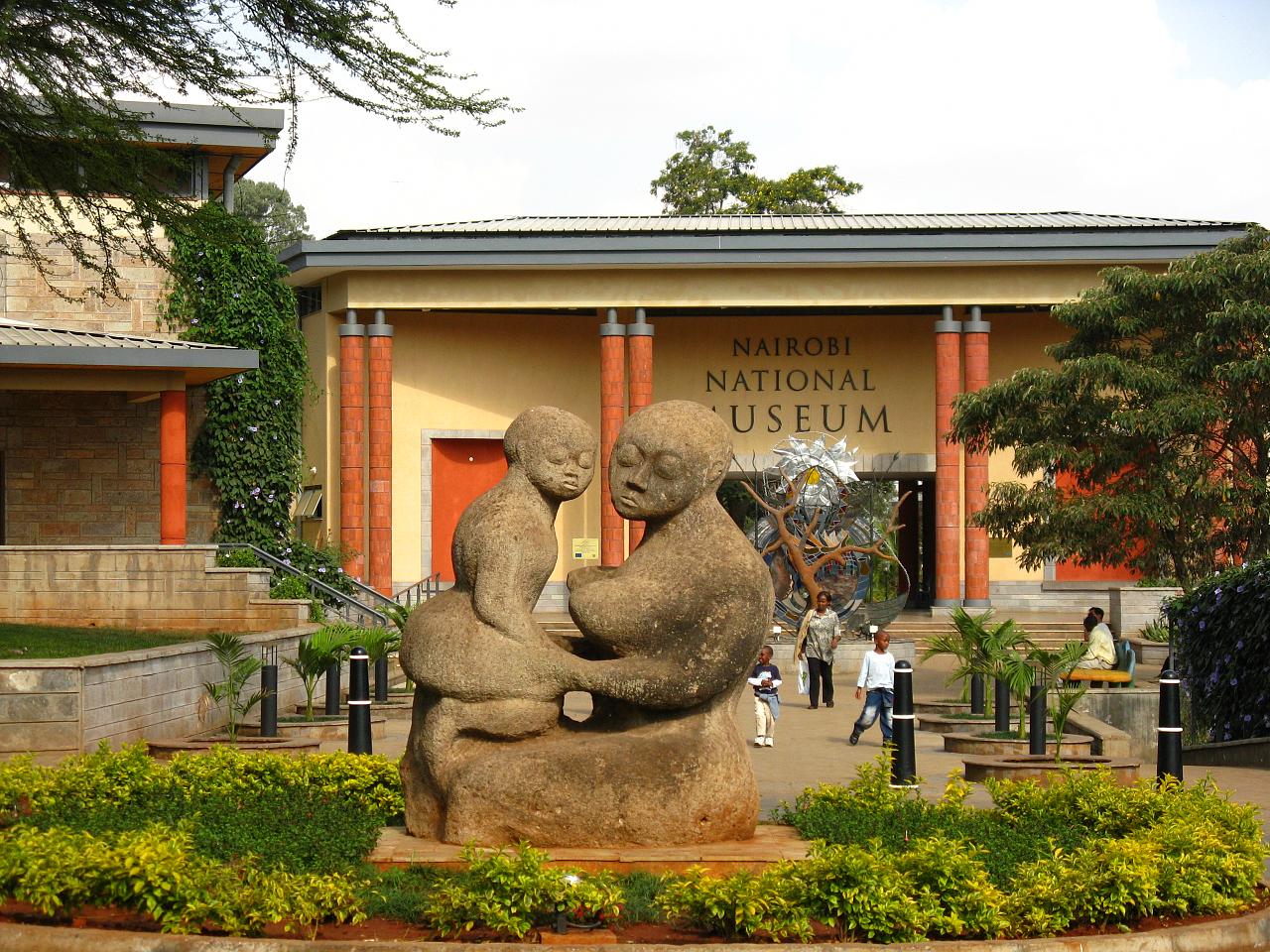
    the Nairobi National Museum

    Westlands is one of the wealthier suburbs in Nairobi and the most popular area for expats.

    It’s quiet, there are lots of supermarkets and shopping malls around, and streets are lined with gated compounds and apartment complexes.

    Many of the top Nairobi hotels are also found here.

    For foreigners moving to the city (of which there are many lately), Westlands is constantly touted as one of the best neighborhoods to stay in Nairobi and the apartment market here is hot. 

    Shopping for marathon gear at Westgate mall, Westlands!

    Its proximity to the city centre makes it an ideal place for those wanting to stay somewhere central but not in the bustle of town itself. It’s also the centre of Nairobi’s nightlife scene.

    In my opinion, this is the best place to stay in Nairobi for first-time visitors.

    Also note that the surrounding suburbs in Westlands are also suitable if you want something a little more quiet. For example, Lavington, Kileleshwa and the nearby areas are all safe and pleasant areas to stay.

    I personally stayed in Kileleshwa on my last visit and as an avid runner, I went running around the neighbourhood daily with no issues, and saw many others doing the same. Since it’s just the next suburb over from Westlands, it was still convenient to do all my shopping, eating out in Westlands as it’s only a few minutes away by Uber!

    A great place to stay in Kileleshwa is the Radisson Arboretum.

    Things to do around Westlands:

    1. Visit the Nairobi National Museum.
    2. Head to Clay Oven for upper end Indian food – delicious and not too pricey.
    3. Urban Eatery is an upscale “food court” and one of the best places to chow in town. 
    4. Get pampered at Devarana – one of the best spas in the city.
    5. Hit Electric Avenue for the most vibrant nightlife in town. Alchemist and Havana are always fun, but avoid Brew Bar – always overcrowded with foreigners, and prices to match.
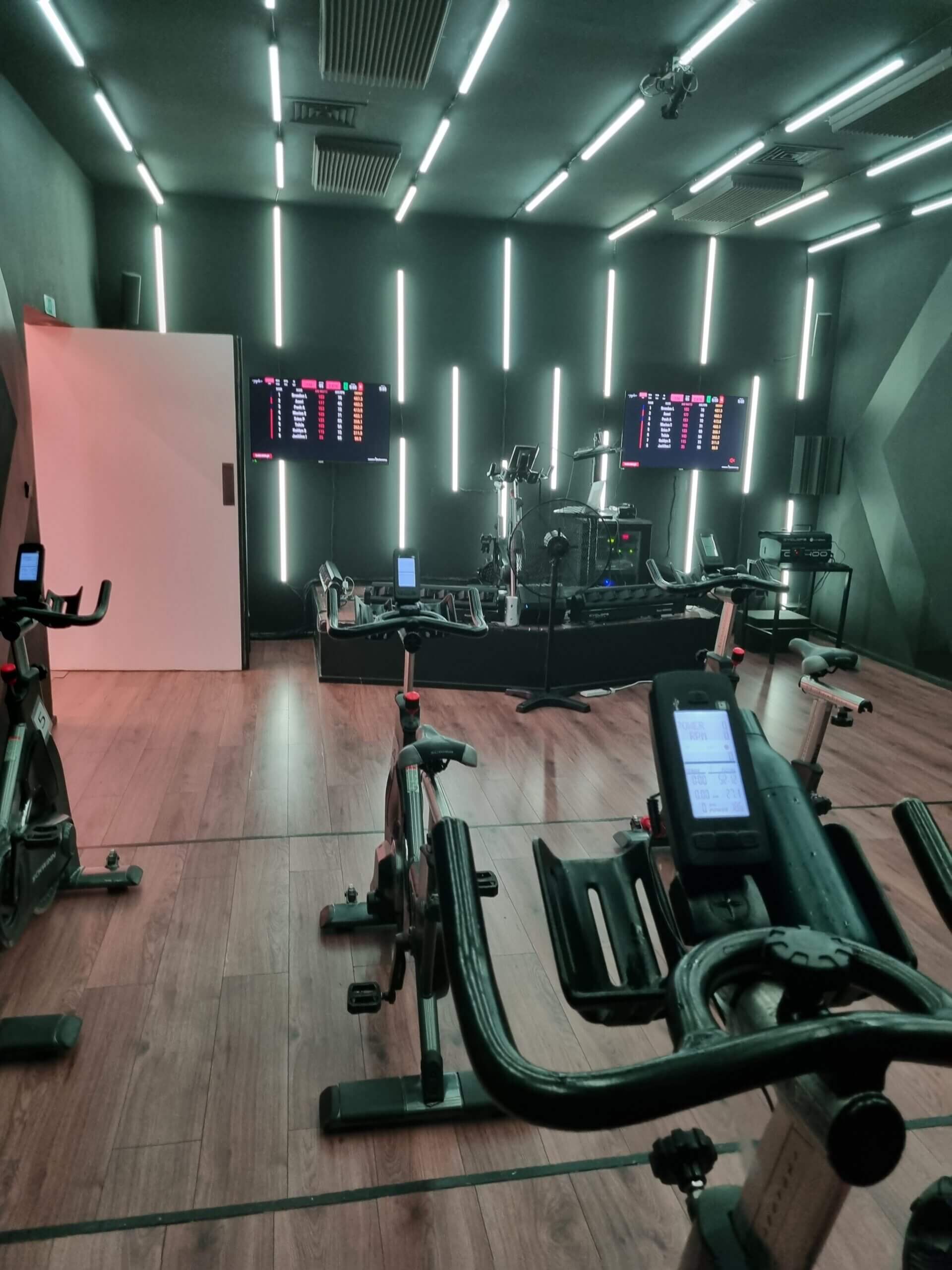
    6. Go to a spin class at Psycle Kenya!

    Evening spin class at Psycle in Westlands!

    Where to stay in Westlands?

    For the budget traveller:

    Stay at the Mvuli Studio Suites. It’s an exceptionally well run apartment guesthouse in a perfect location. Should only run you $30ish per night which is an absolute bargain for this part of town. Best rates here.

    For something nicer:

    I would stay at the Best Western Premier Westlands. Equipped with a restaurant, bar, gym, excellent breakfast buffet and beautifully furnished rooms, this has a well-deserved five stars and is one of the best hotels in Nairobi. Check out the reviews and you’ll see it holds its own against most upper-end hotels around the world. It’s perfectly located right in the middle of Westlands, and isn’t even that expensive for a place of this calibre. Around $200 should get you a room outside of high season, and since tourism is highly seasonal you’ll get regular specials. You’ll get the best rates here.

    Staying nearby in Kileleshwa, a great spot is the Radisson Blu. It’s right next to the Arboretum, which is a beautiful park with walking paths and greenery where locals and tourists alike go to relax, take strolls or go for runs. It’s especially beautiful in the summer months.

    South B/South C

    South B Nairobi

    South B/South C are adjacent local residential areas full of high-rise apartment complexes and the odd hotel. It’s right by the Nairobi National Park, and there are also a few shopping malls and supermarkets in the area. This is probably not the best place for an Africa first-timer, but if you’re comfortable being one of the only foreigners walking around this is a nice and affordable area to stay. I’d say it’s one of the best places to stay in Nairobi for long-term stayers on a tighter budget.

    Things to see around South B/South C:

    • Go for lunch or afternoon tea at the Ole Sereni Hotel – it overlooks Nairobi National Park, if you’re lucky you’ll see animals.
    • Just walking the streets here is interesting – especially in South B. A good look at local Nairobi life.
    • There’s a nice food court out the back of Nextgen Mall – a good place to get some affordable local food.
    • Go ice skating at the Panari Center, a short drive from South C on Mombasa Road.
    • Carnivore is one of Nairobi’s most famous restaurants where you can sample different game meats. It’s on Langata Road, halfway between South C and Karen.

    Where to stay in South B/South C?

    For the budget traveller:

    You can’t get better value than Juddy’s Place. Juddy runs this small homestay on her own; the rooms are cheap, the service is stellar. It’s a little secluded so Uber is a must if you want to get anywhere, but you won’t find many places that are better value for money. Best rates here.

    For something nicer:

    The Boma Hotel is easily one of the best hotels in Nairobi. It’s located just off the Mombasa Road, far enough that you’re not bothered by the ridiculous traffic, and not too far from the airport. Inside the hotel are two quality restaurants, a cocktail bar, pool, spa, gym, and everything comes with A grade Kenyan hospitality. Most importantly, rooms are big! You’ll find the best rate here.

    People who stay down this way often like to stay at the Ole Sereni, as it overlooks Nairobi National Park and you can sometimes see animals feeding at night. However, in my opinion the Boma is superior as a place to stay, and you can always walk down to Ole Sereni for a meal or cocktail anyway to enjoy the view. 

    Nairobi City Centre

    hotels in nairobi city centre

    Things move fast in Nairobi town! Staying in town can be a shock to the senses at first, but it’s actually one of of my favourite areas of Nairobi. 

    The city centre has changed so much since my first visit back in 2012 – back then all the cafes and restaurants were filled with expat businessmen and tourists. Nowadays, it’s filled with Kenyan students and young professionals, splurging on lattes and enjoying life.

    Walking around the city centre is also totally safe, at least in the day time, and there are endless restaurants to try and friendly locals to talk to. Don’t be afraid to explore here, it’s the heart of Nairobi! There’s also many hotels in Nairobi city centre that are good value, so if you want to stay here there are plenty of options.

    Things to do in Nairobi Town:

    • Walk through Uhuru Park. It’s nothing mind blowing, but you do see some interesting characters there.
    • Catch a show at the Kenya National Theatre (show times here).
    • Buy some souvenirs at the Maasai market. Remember to bargain hard here!
    • Tribeka Lounge on Banda Street goes off on the weekends. This is where to party if you want to mix with the local nightlife scene.
    • Just walking around town is an experience in itself. Lots of coffee shops, local stores and streets to explore. Make a day of it.

    Where to stay in Nairobi city centre?

    For the budget traveller:

    Stay at the After 40 Hotel. It’s in the centre of town and does all the basics right – good rooms, wifi throughout, and a restaurant on site. Usually $50 is enough to get a you a basic room, depending on the season. Best rates here.

    For something nicer:

    There are a few options but I’d go with the Serena Hotel, just because of its location. It’s right beside Uhuru Park in one of the nicer parts of the city centre. It’s not as lavish as some upscale hotels, but it has just enough flash – outdoor pool, poolside bar, good wine selection, gym, spa – to keep you comfortable. Hotels in Nairobi city centre are generally more expensive than elsewhere, so I prefer somewhere like Westlands. Still, it’s not a bad place especially if you’re there on business. Will likely run you at least $250 for a king room. Best rates here.

    Karen

    places to stay in karen nairobi

    Karen lies to the southwest of central Nairobi and is home to a large portion of Nairobi’s European population. Most residents here are upper-middle class, and you’ll notice how much more international it feels than other parts of Nairobi.

    One downside is it’s quite far out of the city centre. However if you’re looking for a quiet getaway far from the Nairobi’s daily bustle, Karen’s your place. 

    Things to do in Karen:

    1. Head to Talisman on Ngong Road. Not cheap, but the food is world class.
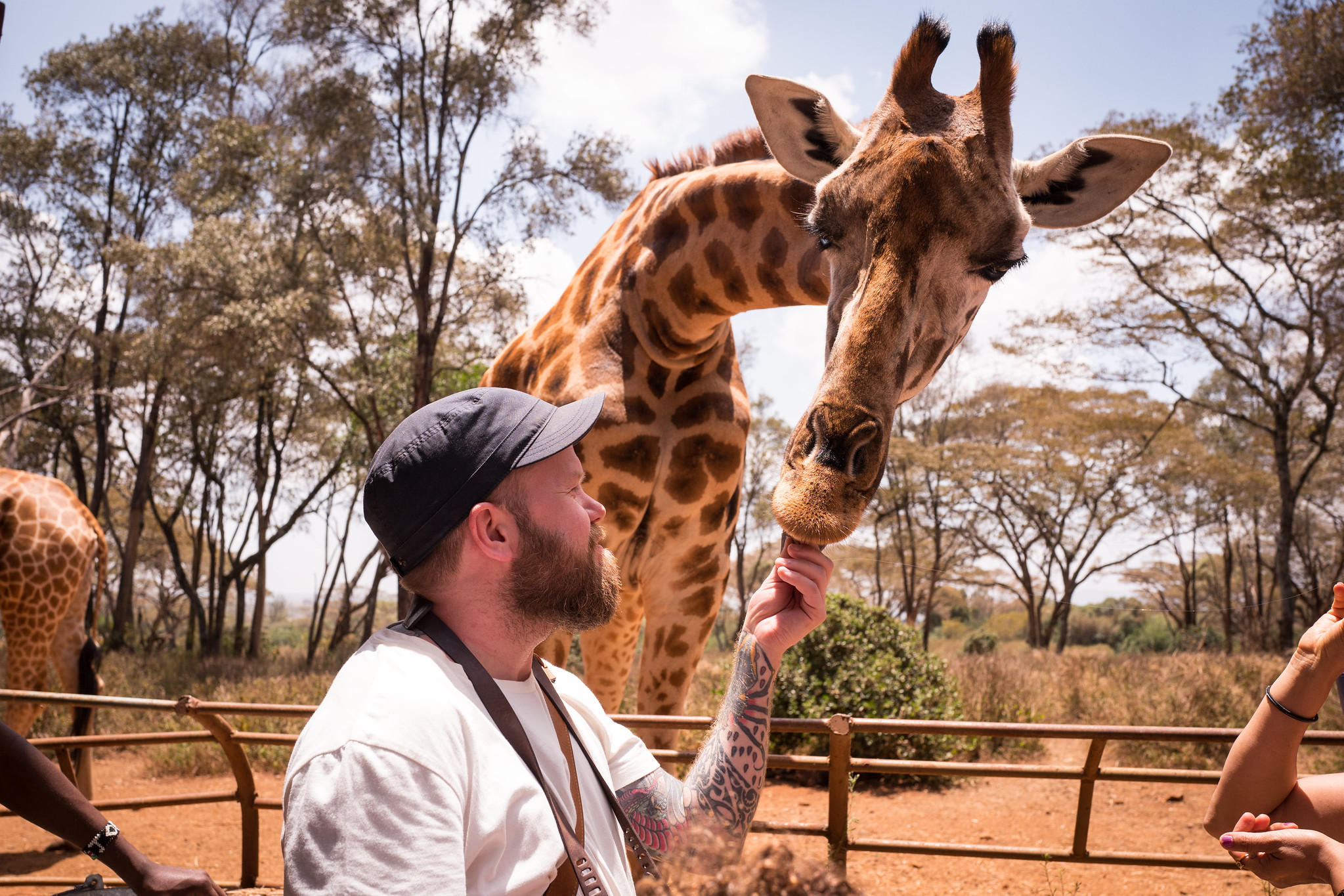
    2. Head to Giraffe Manor down in the Langata area – your Instagram will love you for it.
    3. Walk the Oloolua Nature Trail, a 5km walk, complete with caves and waterfalls.
    4. Head to Karen Country Club for a pizza and a game of golf.
    5. Go for a day at the races at Ngong Racecourse. The crowd is more interesting than the horses!
    6. Share some love at the Nairobi Animal Orphanage.
    7. Unwind at the Resurrection Gardens, a green sanctuary perfect for alone time and reflection.

    Where to stay in Karen?

    For the budget traveller:

    Karen Little Paradise might be what you’re looking for. This is a small B&B that grows much of their own food on premises, various fruits and vegetables that you’ll inevitably get to enjoy during your stay. It’s quite secluded and you’ll certainly need a taxi to get anywhere, but if it’s an escape you’re after then look no further. Best rates here.

    For something nicer:

    Book yourself into the famous Drexel House, right on the outskirts of Karen. This one-of-a-kind hotel is housed in a colonial mansion and one of the most delightful accommodations in Nairobi. Very private, and equipped with everything you could want for a five star vacation – outdoor pool, garden, private compound, restaurant, bar, room service. A hugely different experience to a cookie-cutter five star hotel, a stay at Drexel and its wonderful staff will surely be beautiful memory of your time in Kenya. It books out often, so book early. Get the best rate here.

    Kilimani

    places to stay in kilmani nairobi

    Kilimani was historically a British residential neighbourhood in Nairobi, but has since become a fast-developing residential and commercial centre.

    There are several big malls and office buildings here, with more popping up every year, and the scene is very international.

    More recently it’s become popular with the large Chinese population doing business in Kenya.

    I’d say Kilimani is one of the best areas to stay if you’re looking for a more “local” experience, but somewhere that’s still safe and vibrant. 

    Things to do in Kilimani:

    1. Try the nyama choma (grilled meat) at Coco Jambo – a beautiful outdoor restaurant perfect for long lunches.
    2. Experience African fine dining at Le Palanka – not cheap, but an experience not to be missed. 
    3. Go shopping at the Yaya Centre – a small but upscale mall popular with expats.
    4. Start (and maybe finish) your night out at Kiza. It’s a high-end nightlife venue, bottles and everything.

    Where to stay in Kilimani?

    For the budget traveller:

    Eldon Suites is your place. This is a boutique apartment building, conveniently located within walking distance from various restaurants and cafes. It has a restaurant, garden and swimming pool and the rooms are very spacious. $40 should get you a room outside of high season – awesome value for money. Get the best rate here.

    For something nicer:

    Easy choice – stay at the Yaya Towers. Basketball court, tennis court, gym, games room, swimming pool, BBQ area; it’s luxury living at its finest. It’s also right beside the Yaya Centre where you can get everything you need. This is apartment living so you might find you enjoy the privacy a touch more than the usual Nairobi hotels. About $195 should get you an apartment here for a night and if you’re wanting to vacation in style, you won’t be disappointed. Best rates here.

    Airport

    If you’re just overnighting it’s not a bad idea to stay by the airport.

    Nairobi traffic isn’t the friendliest and trying to get to the airport at peak hours is a nightmare, so this can be the best place to stay in Nairobi for 1 night, unless of course, you’re planning on exploring the city. In that case, I’d probably stay in Westlands or the city centre.

    Besides, the airport isn’t in the middle of nowhere, so if you do stay here there are a few things close by to keep you busy.

    For the budget traveller:

    Silent Sky Homestay is the best option down here. It’s tucked away in a side street and not the easiest to find, but the value for money here is excellent. A good night’s sleep is guaranteed, and breakfast is included. 3km from the airport, $25 a pop. Get the best rate here.

    For something nicer:

    Stay at the Four Points. It’s run by the Sheraton and does everything right – spa, gym, pool, buffet breakfast. Out of the Nairobi hotels by the airport, this is the best of the lot – located right beside Jomo Kenyatta, so you can rest easy and avoid the early wake up. Perfect for an overnight stay. 

    More Nairobi tips

    Use Uber. It’s safer than taxis and has better-vetted drivers than Bolt. There are many Uber drivers in Nairobi, so it’s never hard to find a ride. Also, Uber Eats is very good and you can order your groceries or any number of restaurant meals from your phone.

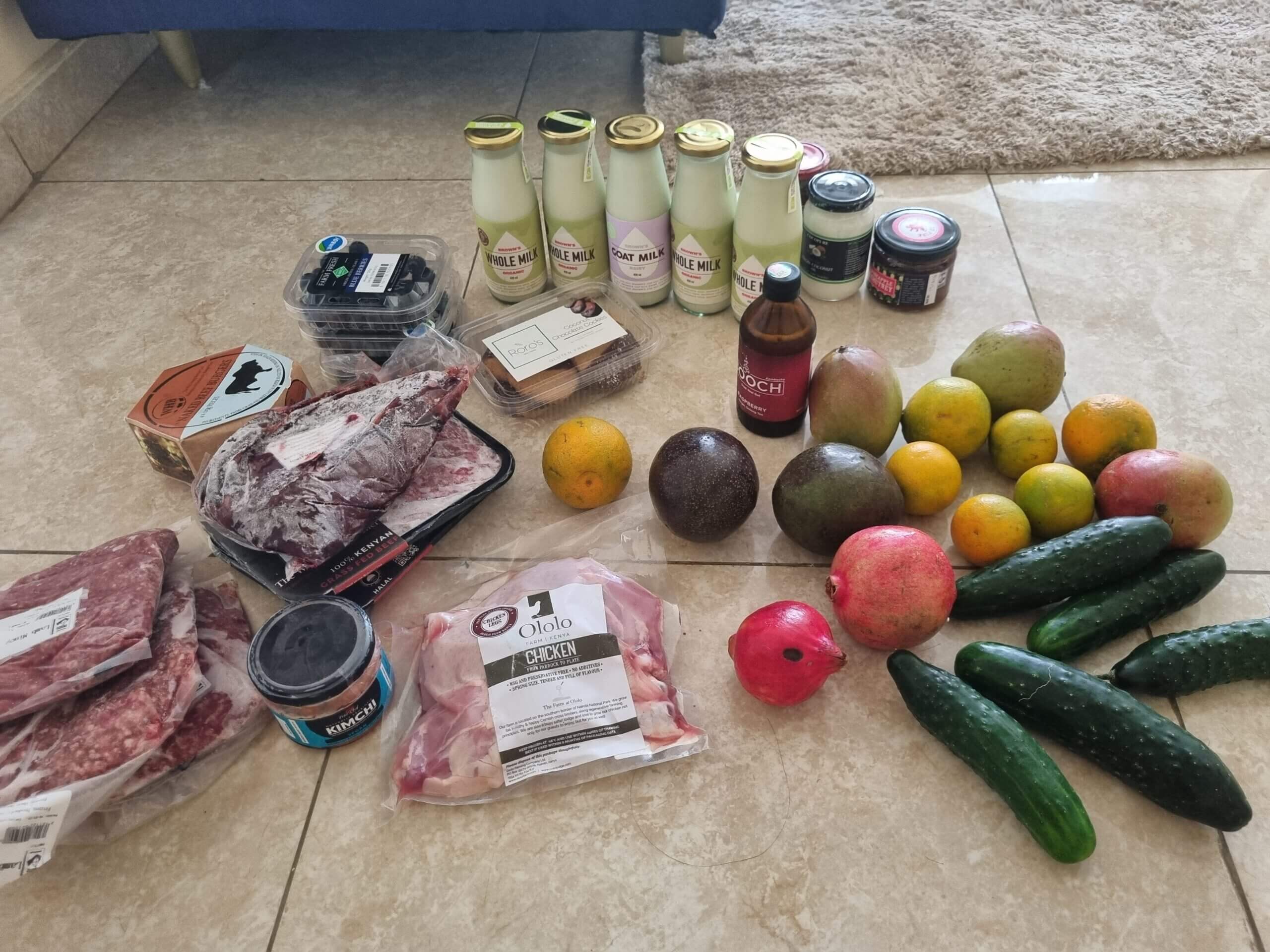
    Order groceries – Traffic in Nairobi can be a nightmare so getting food delivered is often a good option at meal time (especially when it’s raining!) The two major apps are Uber Eats and Glovo. I recommend getting them both because they serve different restaurants and supermarkets, and both have a good selection. On my last trip I was quite busy so ordered food in almost daily. Delivery is super affordable and will only cost you a dollar or two.

    Groceries ordered from Artcaffe using Glovo!

    Airport taxis are expensive but they are safe and convenient. You will need to negotiate with the driver because they will always give you a loaded price. The best tip I can give you is to open Uber and check how much the fare will be. In my experience, if the Uber fare is 1,000 shillings, an airport taxi will probably quote you something like 2,500 shillings. If you just tell them you’re going to call an Uber, they’ll probably agree to something like 1,200 shillings. Or you can simply call an Uber and wait.

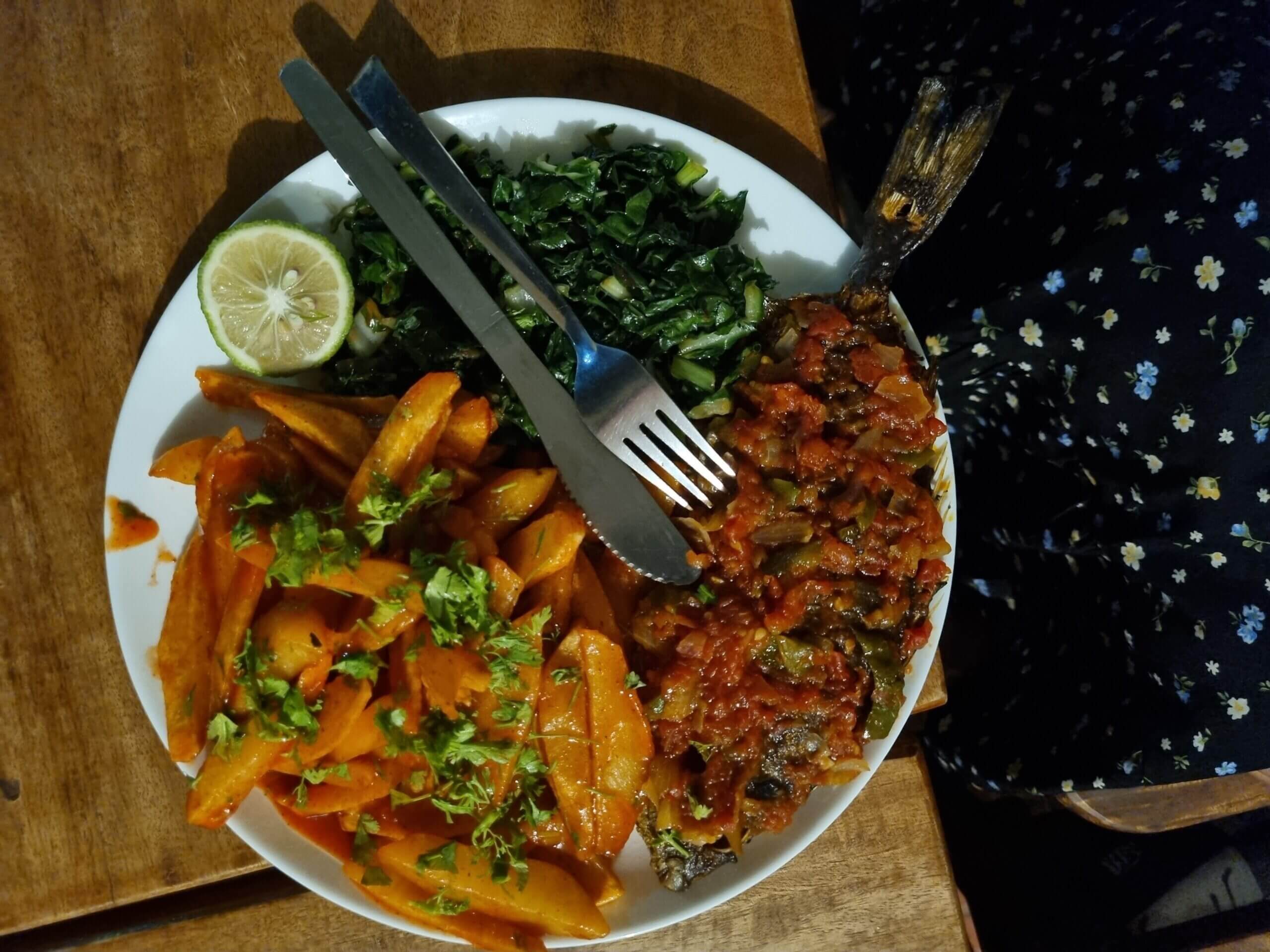
    Eat the local food! Kenyan food is not intimidating at all and you should definitely try all the staples while you are there. Ask around for some good places, locals will be more than happy to point you towards their favourite local spots. Some foods you can ask about are ugali, pilau, chapati, smocha, nyama choma, plantains, githeri etc.

    Fish and masala chips!

    Get a sim card. There’s mobile data coverage everywhere in Nairobi and it’s affordable. Safaricom is the best network, make sure you take your passport with you as it’s required for every foreign user.

    Food safety is less of an issue now than it was 10 years ago, but eating in local street places can still give problems to foreign stomachs. I highly recommend you read my guide on preventing traveller’s diarrhea – it will come in very handy on a trip to Nairobi.

    Traffic is heavy. Give yourself plenty of time to get to the airport, especially during peak hours. Weather is also a factor – if it rains get ready for some epic traffic jams.

    Learn the language. English is widely spoken, but it helps to learn some Swahili before your trip. You might want to check out my Learn a Language in 7 Days guide.

    Get travel insurance! Travelling in Africa is unpredictable, insurance is an absolute must. If you’ve never purchased travel insurance before, this blog post should tell you everything you need to know. 

    Hoping you love Nairobi as much as I do. Any questions, leave them below. Enjoy!

    B

    Featured image: ninara @ Flickr