These days studying Chinese in China is like the new Macarena – everyone is doing it.
Students from literally every corner of the world, many of them fresh out of high school are laying down around $6,000 – $10,000 a year for housing and language tuition at Chinese universities.
But what if I told you there was a way to get all this for free?
Actually no, what if I told you there was a way to get paid to do this?
Well, there is. And thousands of students are doing it every year. I was one of them! Here’s how:
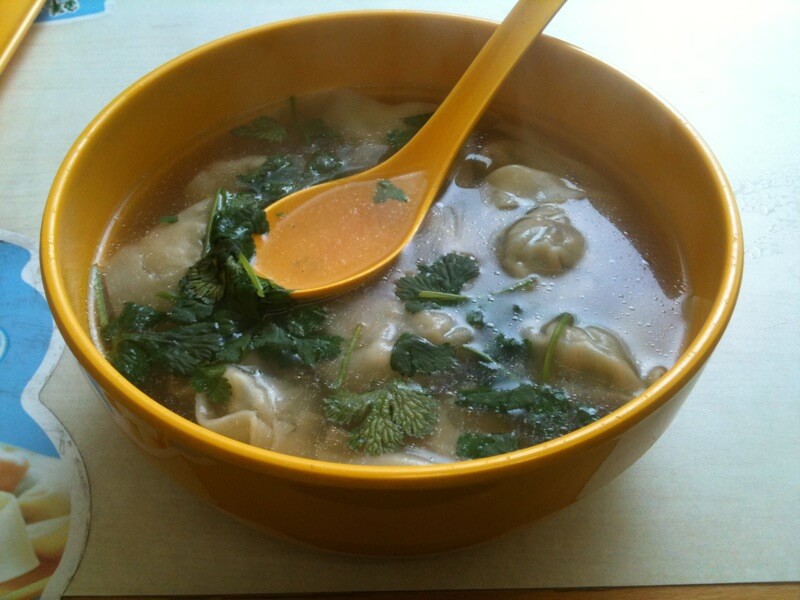
Every year the Chinese government offers scholarships to foreign nationals. The idea is that you are given a year’s free study in China, after which you will hopefully decide to stay and become a valuable member of their society (you know, get a job there and marry a Chinese girl and eat heaps of wontons. Mmmm). Even if you don’t, you’ll have spent a year learning Chinese which is good for the country anyway in the sense that the language and culture spreads around the world.
Typically the scholarship covers all university fees, all accommodation fees, health insurance, learning materials, around $250 to cover your initial visa/setup costs and then they pay you $275 a month for the whole year. All up, the entire gig was worth around $11,000 USD.
Now before you close this page and say “Brooo. C’mon! I never learned Chinese. I’m dumb. No one’s gonna give me no dang scholarship!” just hold the phone a second. When I applied, I could say about 10 words in Chinese. My career was not China-related (I was a NZ tax accountant). I didn’t get great grades in university. I was not a Chinese language student and I hadn’t met a single person on the scholarship council. I still applied and I still got accepted.
There was one other NZ recipient studying at my university and she was also a beginner (we were in the same class). I’ve also already referred one friend who ended up landing a 2013 scholarship – also a beginner.
Don’t let the word ‘scholarship’ fool you. This isn’t an exclusive deal for smart people. The Chinese government set this whole thing up because it wants to give this money away. It wants people to learn Chinese and it wants foreigners to live in and discover their great country. Getting the scholarship is about presenting yourself as a worthy suitor, that’s it.
What I found most fascinating was the amount of students in China that just had no idea this opportunity existed. In my opinion, this is the best public study abroad opportunity I know of in the world today. It is not like other free opportunities where you get a “free” flight and “free” apartment, but with a little side deal that you have to teach English in some affiliated school for 6 hours a day. This is completely obligation free – no obligations before, no obligations after, no obligations during (other than attending class).
OK, so, the deets. Where and how do you apply?
Being the nice guy that I am, I went and harassed nicely asked 12 scholarship students from around the world about their scholarships and how they managed to get them. Hopefully the information here will point you in the right direction and allow you to study Chinese in China in the not too distant future!
Enjoy!
If you’re not interested in studying Chinese but still want to live and work in China, check out this report from my friend J, who spent a semester doing teaching English in the TTC (Teach and Travel China) program.
Brendan, New Zealand
Chinese level at the time of application?
Complete newbie.
Organisation applied through?
Confucius Institute at the University of Auckland
Studied at which university?
Fudan University.
What did the scholarship application process involve?
Had to write a letter stating the reasons I deserved the scholarship. Also needed references from two people, one needed to be a university professor.
Why do you think you got accepted?
I had been very involved in the Chinese community in New Zealand, and my references reflected that. I’m also Chinese, and made it very clear I was interested in learning more about my heritage.
What did the scholarship include?
A private room in the university dorms, all university fees, monthly allowance of 1,700RMB (~$275USD), free books, free health insurance, some free tours to other cities.
What were your obligations after the scholarship?
A one page report after the scholarship detailing my experiences.
What tips would you give to people applying for the scholarship to improve their chance of being accepted?
1. I think all the application requirements are there to just weed out freeloaders. I think what it really comes down to is, do you want to learn Chinese? If so, can you prove it? Do you take language classes? Have you read any books on China? Do you have a Chinese language partner? If not, why are you even bothering to apply?
2. You will still need to ensure you meet all the requirements. For my particular scholarship you needed to be a NZ citizen, and I wasn’t. Therefore I needed to fast track a citizenship application before the scholarship deadline. You also needed to have been a university student within the last 5 years. If it’s been more than 5 years since you graduated, you may need to enrol in some university language courses and get your student ID back!
3. The make or break part of the application is your letter. You obviously want to learn Chinese, otherwise you wouldn’t be applying. So show that genuine interest and fascination with the country and the language. Most applicants are Chinese language students, so they sell themselves that way. That’s obviously not a good angle for me since I’m a Chinese illiterate. Instead, I made it clear that I couldn’t speak Chinese but I was very eager to live in the country and learn about my heritage (I’m Chinese blooded). I assured them I would take it very seriously and pass every exam (and I did!). I was very keen to learn the language and had been for a long time, so my references were able to vouch for that. Instead of focusing on my crappy Chinese I focused on my other achievements, i.e. my career, travels, community work etc. After they read your letter they need to be thinking “Yes! This is the type of guy we want to give this to.”
Best thing about living in China?
The crazy nightlife! And also the melting pot of cultures. Shanghai really feels like the centre of the world these days.
Worst thing about living in China?
The air pollution and the very oily food.
Katie F, New Zealand
Chinese level at the time of application?
Minimal – simple sentences – had done a round of night classes at Wellington High.
Organisation applied through?
Confucius Institute at the University of Auckland
Studied at which university?
Fudan University
What did the scholarship application process involve?
Had to write a letter stating why I wanted the scholarship, needed references from two people.
Why do you think you got accepted?
Had a slightly different profile – working in the media as opposed to the majority of people who apply who are fresh grads, also I’d already had an internship from a related organisation in Shanghai.
What did the scholarship include?
Free private room in university dorms and tuition for a year, 1,700RMB (~$275USD) monthly stipend, free books, free health insurance.
What were your obligations after the scholarship?
Short monthly reports during the scholarship, one-page report post scholarship
What tips would you give to people applying for the scholarship to improve their chance of being accepted?
Make sure you have good references to vouch for you. In my opinion the most important aspect of the application letter is showing how valuable you will be in the future with this experience under your belt.
Best thing about living in China?
Really feeling like you live at the centre of the universe. Everything is happening there.
Worst thing about living in China?
Pollution, environmental degradation, poverty can be difficult to deal with.
Fredrika W, Sweden
Chinese level at the time of application?
Some conversational skills, quite poor reading and writing.
Organisation applied through?
The Nordic Confucius Institute in Stockholm, Sweden
Studied at which university?
Fudan University
What did the scholarship application process involve?
I needed to participate in a national competition with performances in Chinese. Based on pronunciation and language skills in the competition you could win one-years language scholarship to any University in China as long as you got accepted to the University. The University application required 2 recommendation letters and a personal letter from me (in Mandarin).
Why do you think you got accepted?
Fudan has in the past accepted a lot of the students who won this competition in Sweden. The recommendation letters were well-written, my personal letter was translated into proper flawless Mandarin and was very complimentary towards both the university and the country.
What did the scholarship include?
Tuition fees, dormitory fees for the 4-bedroom rooms and a monthly allowance of 1700 Yuan (~$275) and free books at the beginning of the term.
What were your obligations after the scholarship?
No following obligations.
What tips would you give to people applying for the scholarship to improve their chance of being accepted?
Show that you’re very open-minded towards the culture, enthusiastic about the language and show your passion about your studies.
Best thing about living in China?
I can only comment that living in Shanghai was fantastic. Great, vibrant city with great restaurants and an exciting night-life with a lot of opportunities to meet people. Also the low living cost and good opportunities to travel in Asia.
Worst thing about living in China?
The pollution, the immense culture shock, the difficulty of sorting anything out in the beginning if you don’t speak Mandarin and have no one to help you.
Elena M, Spain
Chinese level at the time of application?
HSK 2 (I was placed in class C and the top level is J).
Organisation applied through?
Confucius Institute, Madrid
Studied at which university?
Fudan University.
What did the scholarship application process involve?
I had to write a one page essay about why I wanted to obtain the scholarship, send two recommendation letters, and pass all medical exams to fill in the medical report.
Why do you think you got accepted?
First of all I think my chances increased for being a student of the Confucius Institute in Madrid and having studied there for two years. Also I had passed the HSK 2 with a very high mark and participated in the Chinese Bridge competition. Moreover, I had spent two summers in China studying Chinese and my final degree dissertation was about translation from Chinese to Spanish. All of this accredited my interest in China and Chinese culture, which I think is what they value the most, your background and past experiences.
What did the scholarship include?
Tuition for a year, private room in university dorms, month allowance of 1700 RMB (~$275 USD) plus 500RMB on the first months of the semester to cover books and school material, free health insurance, a night tour on a boat in the Huangpu river.
What were your obligations after the scholarship?
None. All I had to do was write a few lines every month just to confirm that everything was going OK.
What tips would you give to people applying for the scholarship to improve their chance of being accepted?
The most important thing is show your interest, but being interested is not enough: you need to prove it! Taking Chinese classes? Joined activities related to Chinese culture? Anything is okay but it’s always better if you have some title, especially from the Confucius Institute.
Best thing about living in China?
Being able to talk Chinese in your daily life and getting to know people from all over the world.
Worst thing about living in China?
Pollution.
Chia L, Canada
Chinese level at the time of application?
Intermediate.
Organisation applied through?
China scholarship program through the Canadian Government
Studied at which university?
Fudan University.
What did the scholarship application process involve?
Letter on why I wanted the scholarship, references, copy of academic records and application form.
Why do you think you got accepted?
Had experience with China and wanted to improve my Chinese.
What did the scholarship include?
Tuition fees, housing and monthly stipend.
What were your obligations after the scholarship?
None.
What tips would you give to people applying for the scholarship to improve their chance of being accepted?
Follow application instructions and have a good letter.
Best thing about living in China?
Scooters.
Worst thing about living in China?
Pollution.
Liyo G, Belgium
Chinese level at the time of application?
Good (HSK level 5).
Organisation applied through?
Confucius Institute in Brussels
Studied at which university?
Fudan University.
What did the scholarship application process involve?
A letter in Chinese, my academic records, and a reference from a Chinese teacher.
Why do you think you got accepted?
Because my Chinese was already at a good level and there weren’t many other applicants.
What did the scholarship include?
School fees, a room at the dorms, a monthly income of around 1,700RMB (~$275 USD).
What were your obligations after the scholarship?
There was nothing afterwards, but we had to fill forms every month during the scholarship, and of course attend classes.
What tips would you give to people applying for the scholarship to improve their chance of being accepted?
Maybe try and pass an HSK exam, even if it’s just the first level.
Best thing about living in China?
Chinese people.
Worst thing about living in China?
Chinese people.
Liang C, New Zealand
Chinese level at the time of application?
Low. Could say hello, goodbye, eat and sleep.
Organisation applied through?
Confucius Institute at the University of Auckland
Studied at which university?
Sun Yat Sen University, Guangzhou.
What did the scholarship application process involve?
An application letter along with two references. One academic, one someone you know.
Why do you think you got accepted?
Had been involved with a conference related to Chinese New Zealanders. Had a high academic record.
What did the scholarship include?
Free shared twin room, monthly living allowance or 1700RMB (~$275 USD) and tuition fees. Free health insurance. Had to pay for books and transportation.
What were your obligations after the scholarship?
A one page report detailing my experiences.
What tips would you give to people applying for the scholarship to improve their chance of being accepted?
Get involved in Chinese community events and have great academic references.
Best thing about living in China?
The hub of all things created. You can buy anything that you are looking for.
Worst thing about living in China?
A lot of fake products. Bad manners of many people.
Stephanie Z, Australia
Chinese level at the time of application?
Somewhere between beginner and intermediate, I had taken 3 subjects at uni.
Organisation applied through?
China Scholarship Council via the University of Sydney.
Studied at which university?
Fudan University.
What was the process for your application?
Two references, statement of purpose, transcript, CV.
Why do you think you got accepted?
Showed a demonstrated interest in Chinese studies and furthering my language skills.
What did the scholarship include?
Free private room in university dorms, free tuition for 6 months (1 semester), around monthly 1700RMB (~$275USD) stipend, free health insurance.
What were your obligations after the scholarship?
Nothing.
What tips would you give to people applying for the scholarship to improve their chance of being accepted?
Be authentic and thorough in your application, and try to learn some Chinese before you apply!
Best thing about living in China?
It’s dynamic, fast paced and always challenging.
Worst thing about living in China?
Pollution, traffic.
Ambra A, Italy
Chinese level at the time of application?
Intermediate.
Organisation applied through?
Chinese Government Scholarship Council – EU window
Studied at which university?
Fudan University
What was the process for your application?
3 reference letters, online applications, health exams, statement of purpose.
Why do you think you got accepted?
A good statement of purpose and high grades.
What did the scholarship include?
School fees, a room at the dorms and a monthly stipend of 1,700 RMB (~$275 USD)
What were your obligations after the scholarship?
During the year I had to write a report every month.
What tips would you give to people applying for the scholarship to improve their chance of being accepted?
Carefully follow the application requirements and checklist.
Best thing about living in China?
Cheap cost of living, good food, Shanghai is a fun city to live abroad in.
Worst thing about living in China?
Quality of life, including the pollution.
Daniel E, New Zealand
Chinese level at the time of application?
Could comfortably converse in Mandarin on a range of topics, send and receive instant messages and texts and handwrite to a basic level.
Organisation applied through?
Confucius Institute at the University of Auckland
Studied at which university?
Beijing Language and Culture University
What was the process for your application?
I had to write a letter outlining both my experience and interests in China and Chinese as well as my future goals and aspirations to do with China.
Why do you think you got accepted?
I believe it was because I could demonstrate both strong results in language learning via awards, speech competitions and a Daoming Scholarship. Also in my deliberate and driven involvement in the local Chinese language community. These in concert with a demonstrated desire to further my language ability and be involved in China in the future.
What did the scholarship include?
Tuition fees at one of the approved institutes for one year of language studies, course materials were provided for, accommodation (student dormitories, in most instances shared and fairly basic but can upgrade if you are happy to top up with your own money), health services/insurance and a monthly stipend of 1700 RMB (~$275 USD).
What were your obligations after the scholarship?
Write a mid-term and full-term report outlining our experience in China, how we found the application and administration of the scholarship and such-like.
What tips would you give to people applying for the scholarship to improve their chance of being accepted?
You need to do everything you can to demonstrate your dedication to China, Chinese language and culture and the people of China.
They’ll also be looking keenly for indications of your future plans and how they involve China, obviously the stronger and more strategic the better.
Finally, what I did and I believe it helped with my application was to write the letter in Mandarin (I of course got a friend to check grammar etc). I believe this helped leave a positive impression of my intentions and commitment.
Best thing about living in China?
The people, the language, the mysterious charm in the Chinese way of doing things.
Worst thing about living in China?
Food safety, when you don’t quite “get it” (language or cultural norms), the public toilets (always have some tissues or paper and hand sanitiser on you).
Lydia E, Germany
Chinese level at the time of application?
Advanced (HSK Level 5).
Organisation applied through?
Confucius Institute at the Goethe University in Frankfurt
Studied at which university?
Fudan university
What was the process for your application?
I had to write a motivation letter, fill in application forms and get two references.
Why do you think you got accepted?
I think I got accepted because I’d participated in Hanyuqiao before and also already taken the HSK exam (I had also visited some classes in the Confucius Institute itself).
What did the scholarship include?
Free tuition, free room in the students dorm, 1400 RMB (~$230 USD) monthly stipend, discount for books and health insurance.
What were your obligations after the scholarship?
The Confucius Institute wanted me to write a report about my experiences in Shanghai and also to prepare a presentation (which was held in the Institute).
What tips would you give to people applying for the scholarship to improve their chance of being accepted?
Personally, I think it is important to show interest in Chinese language and culture. It would be advantageous to visit classes in the Confucius Institute in advance and if you have already studied Chinese for a certain period of time, maybe also try to take an HSK exam, even if it’s just the first level.
Best thing about living in China?
This was already my second time of living in China- I have lived in Beijing before. I think it was great to experience another city. (I realized that I liked both, maybe because they are so different.) And also, it was amazing to get to know so many people from different countries. Another positive point is that most of the things you can do in your spare time are so cheap and you could live rather low-budget.
Worst thing about living in China?
I think the worst thing about living there (and which is also the reason why I wouldn’t want to spend more time there than a year) is that you have to worry about what you eat because you could really get problems with impure food (visiting doctors there is not fun – Western doctors are quite expensive and Chinese health facilities are anything but recommendable). Also, the quality of tap water and air is really bad (whereas I have the impression that all this is better in Taiwan).
Lisi H, Switzerland
Chinese level at the time of scholarship application?
Good listening comprehension (maybe HSK 4). Slow speaking due to limited vocab as I hadn’t spoken for a long time. No reading or writing skills.
Organisation applied through?
Swiss Chinese embassy
Studied at which university?
Fudan University
What was the process for your application?
Letters of recommendation, health examination, proof of English level, university diploma.
Why do you think you got accepted?
Due to my Chinese heritage (I am half Chinese), recommendation letters, maybe my personal working goals.
What did the scholarship include?
Free tuition fees, books, health insurance and accommodation for one year. Monthly stipend.
What were your obligations after the scholarship?
None?
What tips would you give to someone applying for the scholarship to improve their chance of being accepted?
Stress your relation to China and explain in which way you could help bring more cultural understanding/exchange between the West and China. This is why they provide scholarships.
Best thing about living in China?
Meeting people from around the world, experiencing Chinese traditions meeting Western modernity.
Affordable lifestyle including taxis, food from around the world, crazy clubs, spas & massages.
Freedom of choice about what kind of life you want to live with the difference in living costs between Chinese and Western life. In Shanghai there is something for everyone.
Worst thing about living in China?
Everything and everyone is extremely loud, bad traffic, food quality differs very much, very bad air quality.
Chris H, England
Chinese level at the time of application?
Could have a basic conversation but not about anything complex and specific.
Organisation applied through?
Confucius Institute at the University of Nottingham
Studied at which university?
Fudan University
What was the process for your application?
Had to write a letter stating why I wanted the scholarship, needed references from two people.
Why do you think you got accepted?
I was a little surprised actually as I had originally been told they were only looking for people who’d passed at least HSK 3. I think I was chosen partly as I was in my final year of university so they knew I was more likely to accept the offer rather than reject it and continue university.
What did the scholarship include?
Free private room in university dorms and tuition for a year, 1,700RMB monthly stipend, free books, free health insurance.
What were your obligations after the scholarship?
May have been asked to submit a report but was never asked for it or told where to submit it.
What tips would you give to someone applying for the scholarship to improve their chance of being accepted?
Try to show why you are interested in learning the language, e.g. what you plan to do after the course in China, to show you are committed. Also, when studying in China, what you put in is what you get out, put effort into studying but also getting out and using Chinese in everyday life. Don’t hang around with people who speak English for most of the time.
Best thing about living in China?
The huge and interesting difference in culture and life style, also the chance to travel all over the country and elsewhere in Asia.
Worst thing about living in China?
The apparent difference in logic and manners but you get used to it.
And one final tip: If your country wasn’t listed above, just Google search for a Confucius Institute in your country/city. They can probably tell you everything you need to know.
祝你好运!